Sözlük
/kaburga
kaburga
"kaburga" kelimesinin İngilizcesi: rib, rib, rib, rib. Anlamı, çevirisi, telaffuzu ve örnek cümleler aşağıdadır.
Çeviri
Tıpribnoun
Genelrib
Genelrib
Genelrib
Görsel
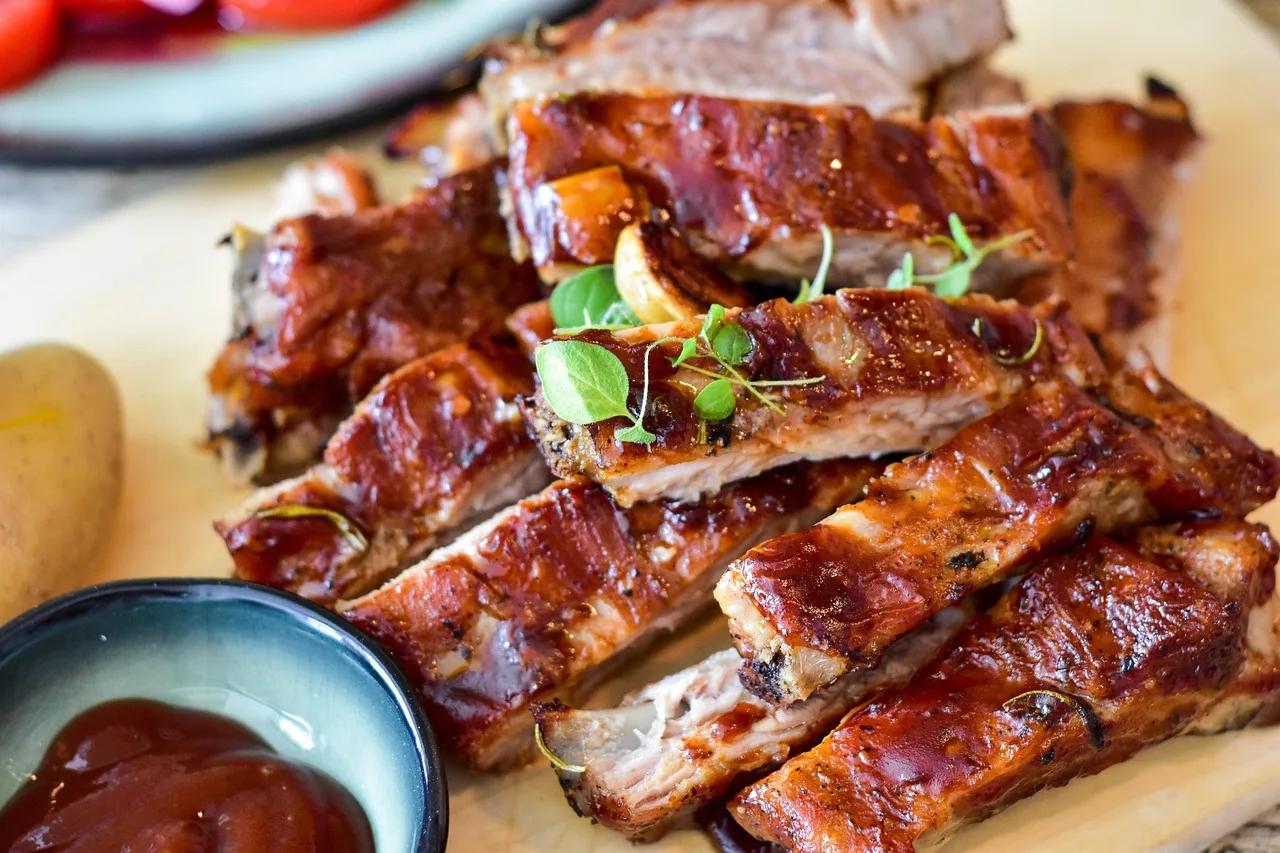
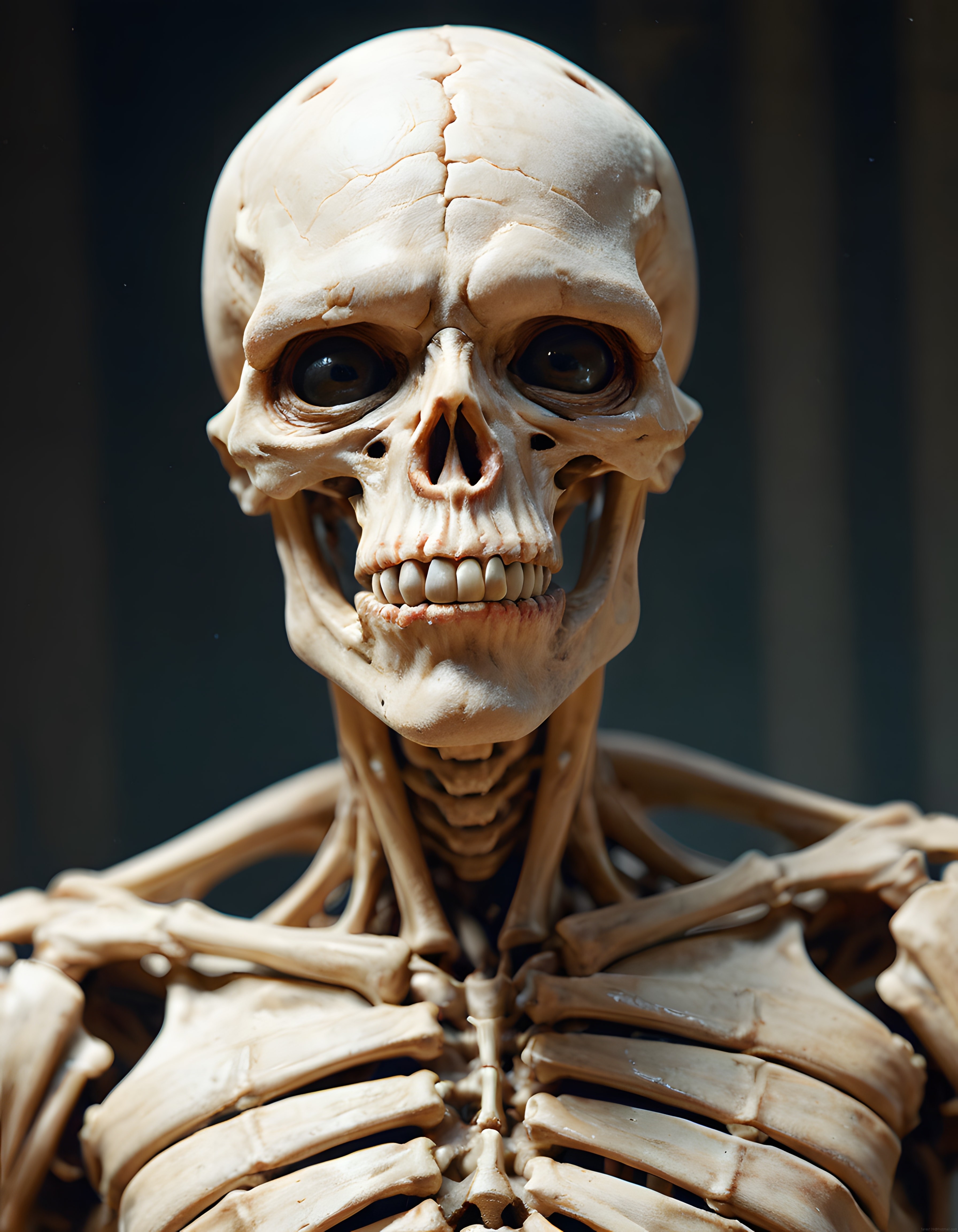
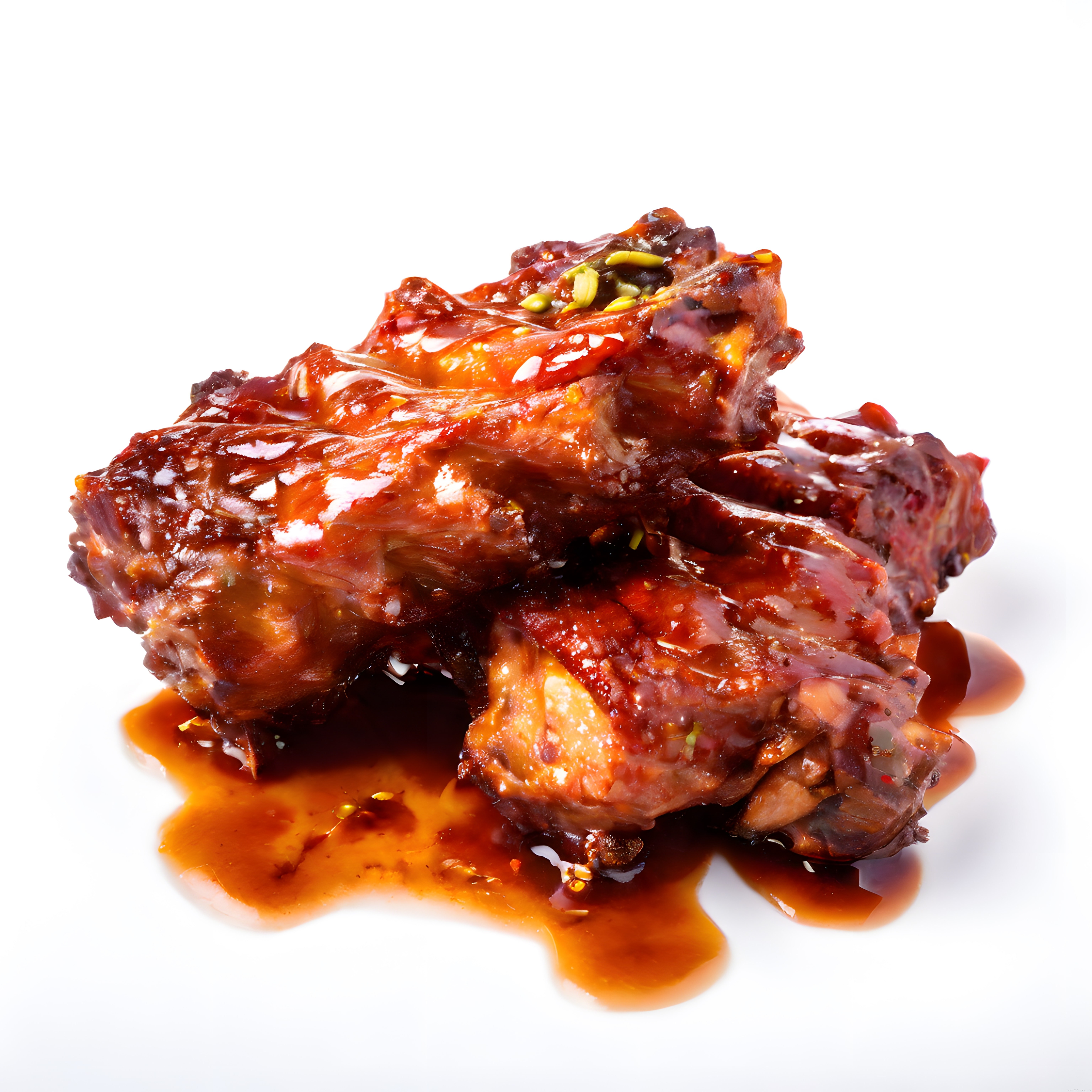
Çekim Tablosu
Belirtme (-i)kaburgayı
Yönelme (-e)kaburgaya
Bulunma (-de)kaburgada
Çıkma (-den)kaburgadan
Tamlayan (-in)kaburganın
Çoğul (-ler)kaburgalar
Tanım
•isim, anatomi: Eğe kemiklerinin oluşturduğu kafes
•eğe (I)
•denizcilik: Gemilerde dış kaplamanın dayandığı iskelet
Diğer Dillerde
Almancacostillar, Gewölberippe, Rippchen, Rippe, Spant, Stange (nötr)
diminutive of Rippe · chop
çekim: tamlayan Rippchens
eş: Karree, Kotelett, Rippenstück, Ripperl
Es schüttelt dir die Knochen durch. — Kaburganızda hissediyordunuz.
rib (bone) · hill, slope · coast
çekim: çoğul côtes
eş: flanc, sternum, thorax, montée, berge, bord
köken: Etymology tree Latin costabor. Old French coste Middle French coste French côte Inherited from Middle French coste, from Old French coste, borrowed from Latin costa.
aile: côte à côte, Côte d'Azur, Côte d'Ivoire, Côte d'Or, côtier, démarrage en côte, entrecôte
- Un faux filet !N- Quel steak ? — - Domuz kaburgası eti! - Ne eti?
İspanyolcacostilla, cuaderna (dişil) /kosˈtiʝa/
a type of biscuit or cookie filled with jam
çekim: çoğul costillas
eş: cuaderna
köken: Inherited from Vulgar Latin *costella, diminutive of costa (“rib”). Compare Catalan costella, Italian costola.
aile: costilla de vaca, costilla falsa, costilla flotante, costilla fornacina, costilla verdadera, serrucho de costilla
Te sacude los huesos. — Kaburganızda hissediyordunuz.
meanings related to the literal sense: · flank, side · side, part
çekim: çoğul coste
eş: costola, fianco, lato, parte, dorso, nervatura
köken: Inherited from Latin costa. Cognate with French côte, Romanian coastă, and Spanish cuesta.
aile: costale, costeggiare, costereccio, costiera, costiero
Te sacude los huesos. — Kaburganızda hissediyordunuz.
Rusçaгрудная клетка, ребро (dişil) /ɡrʊdˈnajə ˈklʲetkə/
chest, thorax
çekim: çoğul грудны́е кле́тки · tamlayan грудно́й кле́тки
Протресе вам кости. — Kaburganızda hissediyordunuz.
Arapçaضِلْع
لحم مزيف لحم مزيف؟ — - Domuz kaburgası eti!
side; flank (of the body) · side; beside · flank (of an army)
köken: Inherited from Middle Persian [script needed] (pʾhlwk' /pahlūg/), from Old Persian *parθukah, suffixed from Proto-Iranian *párcuš (“rib”). Compare Northern Kurdish parsû (“rib”), Sanskrit पर्शु (parśu, “rib”), Russian пе́рси (pérsi, “bosom”).
aile: پهلو به پهلو, پهلو زدن
Azericeqabırğa /ɡɑbɯrˈɣɑ/
çekim: çoğul qabırğalar · tamlayan qabırğanın
köken: From Proto-Turkic *KApur. Cognate with Turkmen gapyrga, Crimean Tatar qaburğa, Bashkir ҡабырға (qabırğa).
Yazıq o qədər arıq idi ki, qabırğaları görünürdü.
Kişini döyüb qabırğalarını sındırdılar.
Əfsanəyə əsasən, Tanrı qadını kişinin qabırğasından yaratdı.
Kazakçaқабырға
edge · wall
çekim: çoğul қабырғалар · tamlayan қабырғаның
köken: From Proto-Turkic *kapur- (“rib”).
бұғана қабырға
тасты қабырға
үшбұрыштың қабырғалары
Felemenkçerib (eril) /rɪp/
a truss (wooden frame)
çekim: çoğul ribben
eş: ribbe
köken: From Middle Dutch ribbe, from Old Dutch *ribba, from Proto-Germanic *ribją.
aile: ribbel, ribbenkast, ribstuk, scheepsrib
Je haar ging er recht van overeind staan. — Kaburganızda hissediyordunuz.
Je kunt haar ribben tellen.
Dat is een rib uit mijn lijf.
cave · rib (part of a ship’s framework)
çekim: çoğul cavernas
eş: antro, espelunca, furna, gruta
köken: Borrowed from Latin caverna.
aile: caverna-mestra, cavername, cavernoso
Disseram-me que estas foram as costelas de baleias. " — Bu balinaların kaburga olduğu söylendi. "
nerve · string-like or fiber-like main supporting part of an object · sinew, nervous energy
çekim: çoğul νεύρα · tamlayan νεύρου
köken: From Ancient Greek νεῦρον (neûron).
aile: νεύρα, νευρική ανορεξία, νευρικός, νευρογενής ανορεξία
Κροτάλισαν τα άκρα μας. — Kaburganızda hissediyordunuz.
rib meat (usually beef or pork)
köken: Ultimately a compound of 肋 (abara, “rib bone”, short for 肋骨 (abarabone)) + 肉 (niku, “meat”). It is unclear when the initial a- in abara first disappeared, before or after the formation of this compound. The shortened form bara is now used as an abbreviation for this term baraniku, referring specifically to the meat, rather than abara, referring specifically to the bone.
aile: 肋, ばら, バラ
位階は正四位下まで昇った。 — Alt kısmı 4. kaburgaya kadar ulaşır.
ribs · kalbi, galbi · a Korean meat and poultry cooking method, regardless of ribs
각조 4위까지는 결승에 진출한다. — Alt kısmı 4. kaburgaya kadar ulaşır.
İsveççerevben, revbensspjäll (nötr)
a rib
çekim: çoğul revbens · tamlayan revbens
köken: From rev (“rib”) + ben (“bone”), from Old Swedish rif (+ bēn), from Old Norse rif, from Proto-Germanic *ribją. Doublet of ribba.
aile: revbensbrosk, revbensspjäll
Det skramlade dina revben. — Kaburganızda hissediyordunuz.
Lehçedokuczać, dokuczyć, żeberko, żebro /dɔˈku.t͡ʂat͡ɕ/
to trouble, to bother, to upset, to tease, to taunt, to cause suffering to · to demand, to ask for
çekim: geçmiş dokuczano · şimdiki dokucza
eş: reg. śl. nagrować
köken: Etymology tree Proto-Slavic *dokučiti Polish dokuczyć Proto-Indo-European *-h₂ Proto-Indo-European *-éh₂ Proto-Indo-European *-yéti Proto-Indo-European *-eh₂yéti Proto-Balto-Slavic *-ā́ˀtei Proto-Slavic *-ati Old Polish -ać Polish -ać Polish dokuczać From dokuczyć + -ać.
Gruchotał ci żebra. — Kaburganızda hissediyordunuz.
Nie dokuczaj mu!
Hintçeपसली (dişil) /pəs.liː/
çekim: çoğul पसलियाँ
köken: Inherited from Sauraseni Prakrit [Term?], from Sanskrit पर्शु (párśu, “rib”).
पसली फड़कना
पसलियाँ ढीली करना
Fincehärnätä, härnäys, kaari, kaarittaa, kiehkura, kylki /ˈhærnætæˣ/
to tease
çekim: geçmiş härnännyt · şimdiki härnää · ulaç härnäävä
köken: From Proto-Finnic *härnät'äk, possibly originally ideophonic. Cognates include Karelian härnätä, Votic ärnähtellä (Kattila), northeastern Estonian ärnima.
aile: härnäillä, härnäys, härnääjä
Se kalisteli kylkiluitasi. — Kaburganızda hissediyordunuz.
Çekçedobírat si, popichovat, žebro (nötr) /ˈʒɛbro/
rib (part of a ship's framework)
çekim: çoğul žebra · tamlayan žebra
köken: Inherited from Old Czech řebro, from Proto-Slavic *rebrò, from Proto-Balto-Slavic *rébran, from Proto-Indo-European *h₁rebʰróm, from Proto-Indo-European *h₁rebʰ-.
aile: žeberní, žebroví, žebřík
Roztřese ti to žebra... — Kaburganızda hissediyordunuz.
Rumencecoastă (dişil) /ˈko̯astə/
rib (bone) · flank, side (of a person or a hill) · coast, seaside
çekim: çoğul coaste · tamlayan coaste
köken: Inherited from Latin costa.
Ridul dintre umerii săi este absent 19. — Kaburga kemiklerinin sayısı 19 çifttir.
rib (curved bones)
çekim: çoğul bordák
köken: It is attested as Bordas (personal name, 1355), bõda (“loom comb”) (1405). The meaning "rib" is attested since 1578. Ultimately from a Slavic language; compare Proto-Slavic *bьrdo.
aile: bordai, bordájú, bordás, bordáz, bordaív, bordaközi, bordapár, bordatörés
- Marha steaket! — - Domuz kaburgası eti!
İbraniceצלע (dişil) /t͡seˈla/
rib (of the body) · rib, chop (of meat) · rib (of a door or leaf) (a bent or curved architectural supporting element)
çekim: çoğul צְלָעוֹת
köken: Compare Arabic ضِلْع (ḍilʕ) and Aramaic עִלְעָא.
aile: מְצוּלָע, צַלְעוֹן
נאמר לי כי אלה היו הצלעות של לווייתנים. " — Bu balinaların kaburga olduğu söylendi. "
Latincestatūmen
Dancaribben /ripbeːˀn/
rib (one of the long curved bones in the chest)
çekim: çoğul ribbenene · tamlayan ribbens
köken: From rev (“reef, (archaic) rib”) + ben (“bone”). Compare Swedish revben.
aile: ribbenssteg
Jeg brækkede fem ribben i venstre side. — Sol tarafımda beş kaburga kemiğim kırılmıştı.
Norveççeribbein
Selv om strømmen går stri blir den ikke redd; den er trygg om så en Jordan fosser frem mot dens gap. — Kemikleri tunç borular, Kaburgaları demir çubuklar gibidir.
Endonezcerusuk /ˈrusuk/
flank · border · side
çekim: çoğul rusuk-rusuk
köken: Inherited from Malay rusuk, from Proto-Malayic *rusuk, from Proto-Malayo-Polynesian *ʀusuk (“rib”), from Proto-Austronesian *ʀusuk (“rib”).
aile: merusuk, rusuk jalan, rusuk palsu, rusuk sejati, rusuk surat
Sebelah Selatan: Kabupaten Kediri 4. — Alt kısmı 4. kaburgaya kadar ulaşır.
Vietnamcasườn, xương sườn /sɨən˨˩/
a rib (curved bone) · ribs (cut of meat) · a side
köken: From Proto-Vietic *c-raːɲ ~ *b-raːɲ. Cognate with Muong Bi khàinh and Arem nraːɲ. Compare also Proto-Austronesian *baʀaŋ, *tageʀaŋ (“rib”), Proto-Tai *k.raːŋꟲ (“side; ribs”).
aile: be sườn, sườn cọng, sườn non, sườn que, xương sườn
Vây hậu môn thì có 11 đến 12 tia vây phân nhánh. — 11. ve 12. kaburga kemiklerinin uçları boştadır.
xương sườn
Cho em sườn ạ.
sườn đồi
Bulgarcaжилка, калоферче, лечебна наумка, оребрявам, поточарка, ребро (nötr) /rɛˈbrɔ/
çekim: çoğul ребра́
köken: From Proto-Slavic *rebrò, from Proto-Balto-Slavic *rébran, from Proto-Indo-European *h₁rebʰ-.
Затова са наречени "танцуващи папагали". — Bunlara "yüzücü kaburgalar" denir.
Eş & Zıt Anlamlılar
Eş anlamlılar
Örnek Cümleler
Kaburgaların çıkmış.
You've become too skinny.
Üç kaburgayı kırdım.
I broke three ribs.
Kırık bir kaburgam var.
I have a broken rib.
Sizde kuzu kaburga var mı?
Do you have any lamb ribs?
Az önce bir kaburga kırdım.
I just cracked a rib.
Kaburganızda hissediyordunuz.
It rattled your ribs.
Onun kaburgalarını gıdıkladı.
He tickled her ribs.
O, kaburgalarıma dirsek vurdu.
He elbowed me in the ribs.
Sanırım kırık bir kaburgam var.
I think I have a broken rib.
Gidelim. - Domuz kaburgası eti!
- Rib eye steak!
Tom'un kırık bir kaburgası var.
Tom has a broken rib.
Tom biraz mangalda kaburga yedi.
Tom ate some barbecued ribs.
İlgili Sorular
Rüyamda kaburgam kırılmış ve doktor olarak eski bir arkadaşım çıkıyor; bu rüyanın yorumu nedir?
Sol yanımdaki kaburgamın hemen altında bir ağrı var. Bu ağrının safra kesesiyle ilgili olabileceği söyleniyor. Safra kesesinin alınması ne kadar yaygın? Keseyi almadan önce hangi tür ağrılar hissedilir?
Karın kaslarımı sıkılaştırmak ve kaburgaların altındaki şişliği gidermek için en uygun antrenman programı nedir?
Hamilelikte kırık kaburga için en uygun tedavi yöntemi nedir?
Alt göğüs bölgesinde, kaburga altındaki bir şişlik yüzünden ağrı hisseden biri var mı?