Sözlük
/banyo
banyo
"banyo" kelimesinin İngilizcesi: bathroom, bath, dip, bathhouse, bathroom. Anlamı, çevirisi, telaffuzu ve örnek cümleler aşağıdadır.
Çeviri
Genelbathroomnoun
Genelbath
Geneldip
Genelbathhouse
Genelbathroom
Genelbathhouse
Genelbathroom
Görsel

Çekim Tablosu
Belirtme (-i)banyoyu
Yönelme (-e)banyoya
Bulunma (-de)banyoda
Çıkma (-den)banyodan
Tamlayan (-in)banyonun
Çoğul (-ler)banyolar
Tanım
•isim: Yapılarda, içinde yıkanılan bölüm
•Yıkanma işi
•Tedavi amacı ile hazırlanan ilaçlı su
•Vücudun bir bölümünü veya bütününü, fiziksel veya kimyasal bir etki altında bir süre bulundurma işlemi
•Fotoğrafçılıkta ve filmcilikte duyarlı yüzeylerin işlenmesinde belirli bir işlemin gerektirdiği maddeyi erimiş olarak içinde bulunduran sıvı
•Film ve fotoğraf kâğıdını bu sıvıya batırma
Diğer Dillerde
AlmancaBad, baden, Baden, Badewanne, Badezimmer (nötr)
singular imperative of baden
çekim: çoğul Bäder · tamlayan Bades
köken: From Middle High German bat, from Old High German bad, from Proto-West Germanic *baþ, from Proto-Germanic *baþą. Related to bähen.
aile: Bad Aibling, Bad Arolsen, Bad Belzig, Bad Bentheim, Bad Bergzabern, Bad Berka, Bad Berleburg, Bad Berneck im Fichtelgebirge, Bad Bevensen, Bad Bibra
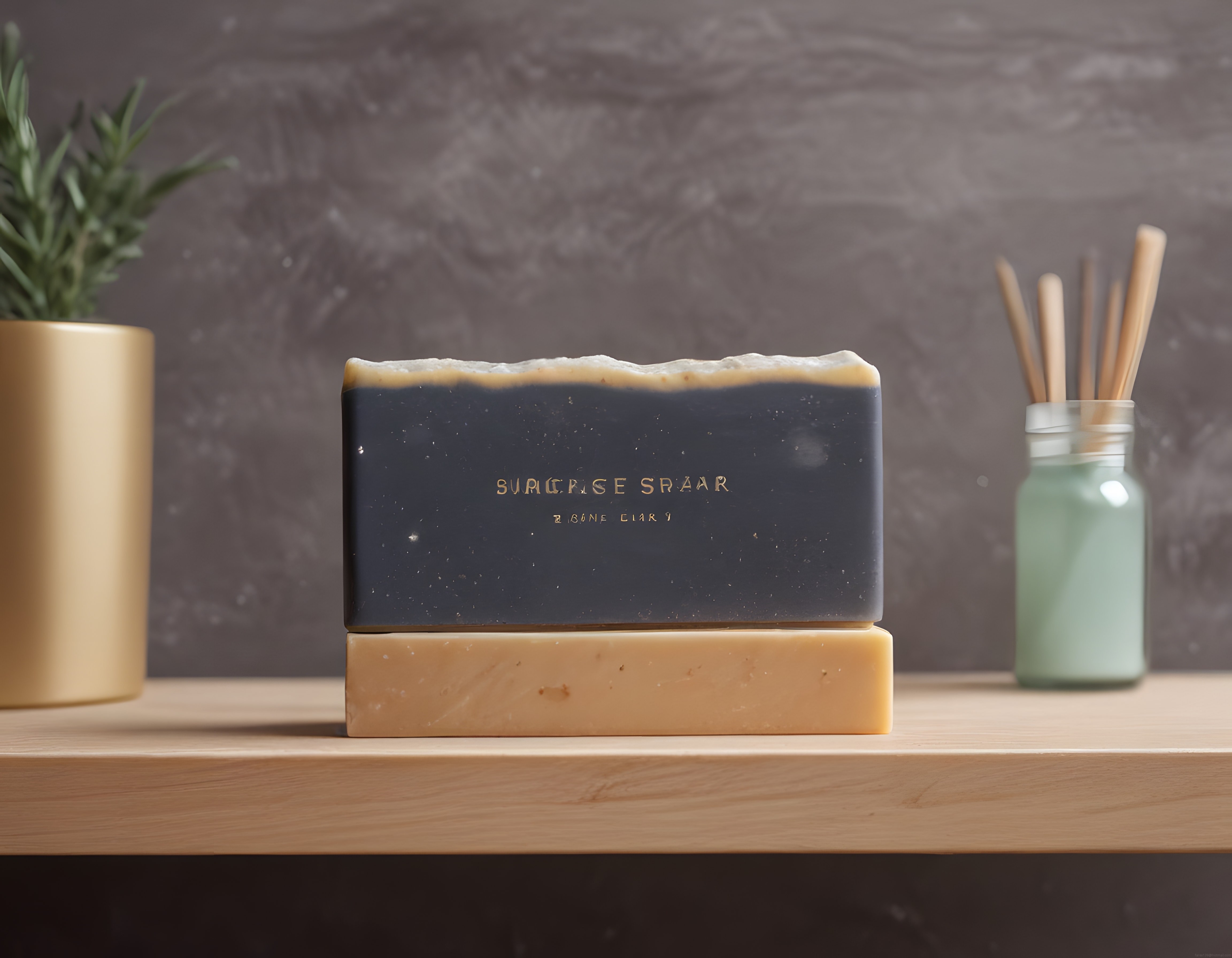
Seife? — Banyo sabunu.
ein Bad nehmen
Wo ist das Bad?
Bad Cannstatt, Bad Homburg, Bad Segeberg, ...
Fransızcabain, Bain (action de plonger dans un liquide), Bain (contenu d’un bain), Bain (récipient servant pour le bain), Salle de bains (lieu où l’on prend un bain) (eril) /bɛ̃/
bath
çekim: çoğul bains
köken: Inherited from Latin baneum, variant of balneum. Doublet of bagne.
aile: bain bouillonnant, bain de bouche, bain de foule, bain de glace, bain de minuit, bain de pieds, bain de sang, bain de soleil, bain marie, bain tourbillon
Bain à ultrasons — Ultrasonlu Banyo
İspanyolcabañar, bañera, baño, cuarto de baño, lavabo /baˈɲaɾ/
to bathe (to clean a person by immersion in water or using water; to give someone a bath) · to soak, to dip in · to bathe oneself
çekim: geçmiş bañé · ortaç bañado · şimdiki baña
köken: Inherited from Vulgar Latin *baneare, from Late Latin balneāre, from Latin balneum. Compare Portuguese banhar, Catalan banyar, French baigner, Italian bagnare.
Está en el cuarto de baño. — O banyoda.
Voy a bañarme esta noche.
İtalyancabagno, stanza da bagno, vasca da bagno (eril) /ˈbaɲ.ɲo/
bath · swim, bathe · bathroom
çekim: çoğul bagni
eş: lavata, lavaggio, abluzione, aspersione, lavanda, lavacro
köken: Inherited from Latin baneum, variant of balneum.
aile: bagnetto, bagnino, bagno di folla, bagno di sangue, bagno penale, bagno turco, bagnomaria, bagnoschiuma, bellezza al bagno, costume da bagno
Il bagno è a sinistra. — Banyo solda.
Rusçaванна; ванная
Мыло. — Banyo sabunu.
فوق الصّوتي الحمّام — Ultrasonlu Banyo
Farsçaحمام, دَسْتْشویی /ham.ˈmaːm/
bathhouse · bath · shower (bathing)
eş: گَرْمابِه
köken: Borrowed from Arabic حَمَّام (ḥammām).
bathhouse · bathroom
çekim: çoğul hamamlar · tamlayan hamamın
köken: Borrowed from Arabic حَمَّام (ḥammām).
aile: hamamçı, hamamçılıq, hamamxana, hamamlanmaq
Kazakçaванна, ванна бөлмесі, монша
bath, bathtub
çekim: çoğul ванналар · tamlayan ваннаның
köken: Borrowed from Russian ванна (vanna), from German Wanne.
Özbekçehammom, moʻrcha, vannaxona
Tatarcaванна бүлмәсе, мунча
Felemenkçebad, bad, badkuip, bad, fixeerbad, bad, het baden, het nemen van een bad, badkamer (nötr) /bɑt/
bath (object) · the act or process of bathing · immersion
çekim: çoğul baden
köken: From Middle Dutch bat, from Old Dutch *bath, from Proto-West Germanic *baþ, from Proto-Germanic *baþą.
aile: babybad, badeend, baden, badgast, badgoed, badhanddoek, badhokje, badhuis, badinrichting, badjas
Waar is de badkamer? — Banyo nerede?
Portekizcebanhar, banheira, banheiro, banho, casa de banho /bɐ̃ˈɲa(ʁ)/
to bathe; to give a bath; to clean by using water · to bound the shore of a country, continent or other geographic region
çekim: geçmiş banhei · ortaç banhado · şimdiki banha
köken: From Old Galician-Portuguese bannar, from Vulgar Latin *baneāre, from Late Latin balneāre, from Latin balneum. Compare Spanish and Galician bañar, French baigner, Italian bagnare.
Banho de Ultra- Sons — Ultrasonlu Banyo
Ela banhava-se no lago.
Os Estados Unidos são banhados pelo Oceano Atlântico ao leste e pelo Oceano Pacífic ao oeste.
η ενέργεια του λούζω
Σαπούνι μπάνιου. — Banyo sabunu.
the act of bathing
çekim: geçmiş 入浴した
aile: 入浴剤
超音波浴装置 — Ultrasonlu Banyo
bath, bathing
eş: 탕
köken: Sino-Korean word from 沐浴. Doublet of 미역 (miyeok).
aile: 목욕간(沐浴間), 목욕료(沐浴料), 목욕실(沐浴室), 목욕탕(沐浴湯), 목욕통(沐浴桶)
취미는 욕실 청소다. — Banyo yapmak hobisidir.
to bathe (immerse oneself or someone else in water (or another liquid), for cleaning, recreation, etc. – see the usage notes below) · to swim (when more idiomatic in English) · to be bathed, to swim (be immersed in something, literally or figuratively)
çekim: geçmiş badade · ortaç badad · ulaç badande
köken: From Old Swedish badha, from Old Norse baða, from Proto-Germanic *baþōną.
aile: bada bastu, badanläggning, badanstalt, badare, badavdelning, badbalja, badbar, badbassäng, badboll, badborste
Ultraljudbad — Ultrasonlu Banyo
Smörj in dig med vår fuktighetsbevarande kräm efter att du har duschat eller badat.
Hur ofta badar ni badkar?
bada badbalja
to bathe, to bath (to clean by immersing in water, especially in a bathtub) · to soak in a solution · to bathe oneself, to take a bath (to clean oneself in water, especially in a bathtub)
çekim: geçmiş kąpano · şimdiki kąpie
köken: Etymology tree Proto-Slavic *kǫpati Old Polish kąpać Polish kąpać Inherited from Old Polish kąpać.
aile: pokąpać, skąpać
"Mydło". — Banyo sabunu.
Де прибиральня? — Banyo nerede?
Hintçeग़ुस्लख़ाना, बैथ, स्नान, स्नानघर, स्नानागार (eril) /ɣʊsl.xɑː.nɑː/
alternative form of ग़ुसलख़ाना (ġusalxānā)
çekim: çoğul ग़ुस्लख़ाने
Finceamme, kylppäri, kylpy, kylpyamme, kylpyhuone, kylpylä /ˈɑmːeˣ/
bathtub, tub (large container for holding water in which a person may bathe)
çekim: çoğul ammeet · tamlayan ammeen
köken: From Proto-Finnic *ammëh, derived from Proto-Finno-Ugric *ama- (compare Erzya амолямс (amoľams), Eastern Mansi [script needed] (ūmp)).
aile: ammehoito, ammekylpy, ammekäyrä, ammematto, istuma-amme, kylpyamme, pesuamme, poreamme
Ultraäänihaude — Ultrasonlu Banyo
Çekçekoupání, koupel, koupelna, vana (nötr) /ˈkou̯paːɲiː/
bathing
çekim: çoğul koupáním
eş: koupel
köken: From koupat + -ání.
Ultrazvukoá lázeň — Ultrasonlu Banyo
bathroom · bath (act of bathing), bathtub
çekim: çoğul băi · tamlayan băi
köken: Ultimately from Latin ba(l)neum, via the plural ba(l)nea. The stressed a in Romanian is inconsistent with râie, tămâie < Latin arānea, *thȳmānea. Hence baie may have been borrowed from Proto-Slavic *baňa; compare etymology 2 below (via Hungarian). Note also the consistent masculine gender of inherited reflexes of Latin balneum such as Italian bagno, French bain, etc.
aile: îmbăia
Săpun de baie. — Banyo sabunu.
Macarcafürdés, fürdet, fürdő, fürdőkád, fürdőszoba, fürdőzés /ˈfyrdeːʃ/
verbal noun of fürdik: · bathe, bathing, dip, swim (outside, in a body of water)
çekim: çoğul fürdések
köken: fürdik (“to bathe”) + -és
Szappant. — Banyo sabunu.
.רוקנו את האמבט הזה — Bu banyoyu boşaltın.
LatinceAquae Sulis, balneum, lavacrum, lavācrum, lavātio, lavo (nötr) /ˈbaɫ.ne.ũː/
bath, bathing place, bathroom
çekim: çoğul balneae · tamlayan balneī
köken: From Ancient Greek βαλανεῖον (balaneîon), apparently borrowed early enough for unstressed reduction of the second /a/ to /ĭ/ and then syncope.
aile: balneāris, balneārius, balneātor, balneō, balneolum
[…] discus crepuit, id est pater meus in balneum transisse nuntiatus est.
Dancabad, bade, badekar, badeværelse /ˈb̥að/
bath, shower, swim · bathroom
çekim: çoğul bade · tamlayan bads
köken: From Old Norse bað, Proto-Germanic *baþą (“bath”), cognate with English bath and German Bad.
Ultralydsbad — Ultrasonlu Banyo
Etimoloji
İtalyanca
Kelime Ailesi
Eş & Zıt Anlamlılar
Eş anlamlılar
Örnek Cümleler
O banyoda.
She's in the bathroom.
O, banyoda.
She is in the bathroom.
Banyo kirli.
The bathroom is dirty.
Tom banyoda.
Tom is in the bathroom.
Banyo solda.
The bathroom's on the left.
Bu banyodur.
This is the bathroom.
Banyon hazır.
Your bath is ready.
Banyo yaptım.
I took a bath.
O, banyodadır.
She's in the bath.
Banyo hazır mı?
Is the bath ready?
Banyo hazırdır.
The bath is ready.
Banyonuz hazır.
Your bath is ready.
İlgili Sorular
Hangi banyo tuzu veya boncuk en hoş kokuyu verir?
İnançlarını radikal bir şekilde uygulayan birini biliyor musunuz? Örneğin, suyu sünger banyosu yaparak tasarruf edip ardından geri dönüştüren birisi.
Kamil çayını banyoya eklemek kasları yatıştırır mı? Bu yöntem cilt kuruluğuna neden olur mu?
Reno NV bölgesinde nadir bulunan, banyo için uygun bir doğal kaplıca var mı?
Köpük banyo ürünlerini sıcak su torbasına (hottub) ekleyebilir miyim?
Birleşik Kelimeler
banyo bataryasıbanyo dolabıbanyo havlusubanyo kabinibanyo kazanıbanyo küvetibanyo sabunubanyo takımıgömme banyosıhhi banyoayak banyosuçamur banyosudeniz banyosufilm banyosugöz banyosugüneş banyosuköpük banyosukükürt banyosuoturma banyosusüt banyosuyatak banyosu