Sözlük
teşekkür
/teʃecˈcyɾ/
noun
A1 seviye
TR → YUNANCA
"teşekkür" kelimesinin İngilizcesi: αναγνωρίζω. Anlamı, çevirisi, telaffuzu ve örnek cümleler aşağıdadır.
Çeviri
Genelαναγνωρίζω
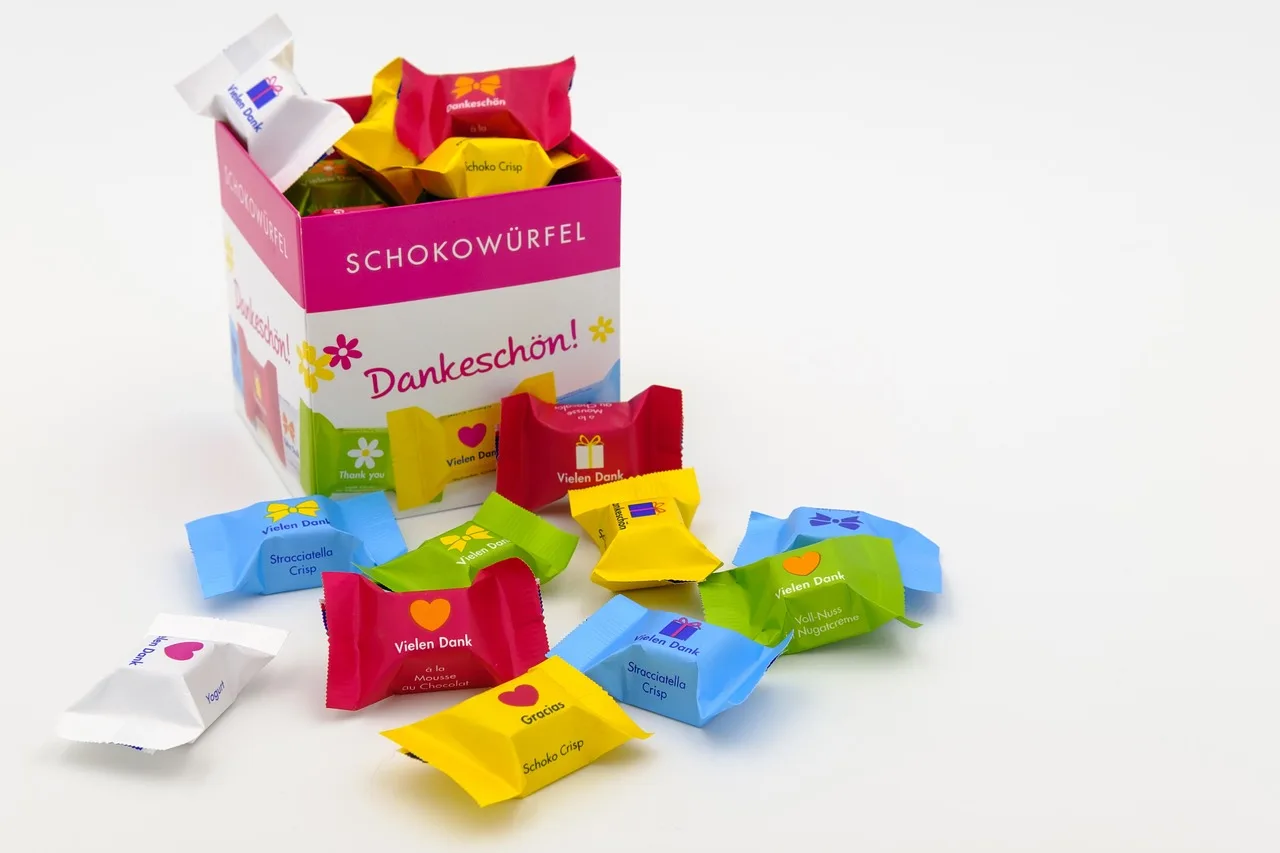
Görsel


Çekim Tablosu
Belirtme (-i)teşekkürü
Yönelme (-e)teşekküre
Bulunma (-de)teşekkürde
Çıkma (-den)teşekkürden
Tamlayan (-in)teşekkürün
Çoğul (-ler)teşekkürler
Tanım
•to recognise (UK), recognize (US): · to acknowledge, admit
Diğer Dillerde
Almancaanerkennen, bekennen, Danksagung, den Empfang bestätigen, Erntedank, Erntedankfest /ˈan.(ʔ)ɛrˌkɛnən/
to acknowledge, to recognize, to accept (as legally, morally or scientifically valid or sufficient)
çekim: geçmiş erkannte an · ortaç anerkannt · şimdiki erkennt an · ulaç anerkennend
eş: akzeptieren, bescheinigen, bestätigen, hinnehmen, lobend, erwähnen
köken: an- + erkennen
aile: Anerkennung
Ja danke!. — Teşekkür ederim.
Obwohl Sie von der Sache nicht so viel verstehen, müssen wir Ihre Leistung anerkennen.
Fransızcaaccuser réception, Action de grâce, Action de grâces, bénédicité, certifier, grâces /a.ky.ze ʁe.sɛp.sjɔ̃/
to confirm receipt, to acknowledge receipt
Sans merci. — Teşekkür ederim.
J'accuse réception de votre lettre du 4 août.
İspanyolcaacatar, acción de gracias, acusar recibo, confirmar que se recibió, Día de Acción de Gracias, reconocer /akaˈtaɾ/
to comply with, to obey
çekim: geçmiş acaté · ortaç acatado · şimdiki acata
köken: Inherited from Old Spanish acatar ("look at closely, consider", later "pay homage to"), from Vulgar Latin *accattāre, from Late Latin cattāre, from Latin captāre. Compare Portuguese acatar.
aile: acatable, acatamiento
Muchas gracias. — Aa teşekkürler.
İtalyancaammettere, confermare, giorno del ringraziamento, riconoscere, Ringraziamento /amˈmet.te.re/
to admit, accept, acknowledge · to suppose, grant · to bear, tolerate, brook
çekim: geçmiş ammésso · ortaç ammésso · şimdiki ammétte · ulaç ammettènte
eş: accogliere, far accedere, far passare, introdurre, lasciar entrare, ricevere
köken: Inherited from Latin admittere. By surface analysis, a- + mettere.
aile: riammettere
Oh, grazie. — Aa teşekkürler.
Спасибо. — Aa teşekkürler.
Arapçaشَكَرَ, عِيد اَلشُّكْر
شكراً لكم. — Teşekkür ederim.
Farsçaروز شکرگزاری
Felemenkçedank (eril) /dɑŋk/
gratitude, thanks · show/token of recognition · reward, recompense
eş: dankbetoon, dankbetuiging, dankzegging
zıt: ondank
köken: From Middle Dutch danc, from Old Dutch thank, from Proto-Germanic *þankaz.
aile: dankbaar, danken, dankloos, dankwoord, dankzeggen, plasdank, stank voor dank
Dank jullie! — Teşekkür ederim.
Portekizceadmitir, confirmar, Dia de Ação de Graças, reconhecer /a.d͡ʒi.miˈt͡ʃi(ʁ)/
to admit, accept · to allow · to acknowledge
çekim: geçmiş admiti · ortaç admitido · şimdiki admite
eş: aceitar, conceder, reconhecer
köken: Borrowed from Latin admittere.
Obrigada. — Aa teşekkürler.
Yunancaαναγνωρίζω /a.na.ɣnoˈɾi.zo/
to recognise (UK), recognize (US): · to acknowledge, admit
çekim: geçmiş αναγνώρισα · ortaç έχοντας αναγνωρίσει · şimdiki αναγνωρίζει · ulaç αναγνωρίζοντας
köken: Learned borrowing from Ancient Greek ἀναγνωρίζω (anagnōrízō). From the sense "admit" Semantic loan from French reconnaître. Morphologically, from ανα- (ana-, “repeated”) + γνωρίζω (gnorízo, “know”).
Ευχαριστούμε. — Aa teşekkürler.
Αναγνωρίζω τα λάθη μου.
appreciation event
köken: 感謝(かんしゃ) (kansha, “thanks”) + 祭(さい) (-sai, “festival”)
(スタンディングオベーション) — AB: Teşekkürler.
ファン感謝祭
to approve, to recognise
çekim: geçmiş 승인했다
köken: 승인(承認) (seung'in) + -하다 (-hada, “to do”, light verb deriving active verbs).
AB: 감사합니다. — AB: Teşekkürler.
İsveççebekänna, erkänna, kännas vid
to confess
çekim: geçmiş bekände · ortaç bekänd · ulaç bekännande
köken: From Old Swedish bekænna, from Middle Low German bekennen. Equivalent of be- + känna. Cognate with Danish bekende, Norwegian Bokmål bekjenne, German bekennen and Dutch bekennen.
aile: bekännare, bekänna sig till, bekännelse
Åh, tack... — Aa teşekkürler.
Lehçedziękczynienie, Dzień Dziękczynienia, podziękowanie, przyznać, przyznawać, Święto Dziękczynienia (nötr) /d͡ʑɛŋk.t͡ʂɘˈɲɛ.ɲɛ/
thanksgiving · formal thanks · grace (short prayer before or after a meal)
çekim: çoğul dziękczynienia · tamlayan dziękczynienia
köken: Etymology tree Old Polish dziękczynienie Polish dziękczynienie Inherited from Old Polish dziękczynienie. By surface analysis, dziękczynić + -enie.
Dziękuję. — Aa teşekkürler.
Дякуємо. — Teşekkür ederiz!
Hintçeधन्यवाद, धन्यवाद दिन, स्वीकार करना /d̪ʱən.jə.ʋɑːd̪/
thanks, thank you
çekim: çoğul धन्यवादों
köken: Learned borrowing from Sanskrit धन्यवाद (dhanyavāda).
Fincehyväksyä, kiitospäivä, kiittää, kuitata, tunnustaa /ˈhyʋæksyæˣ/
to accept, approve of, agree with (consider something acceptable) · to approve the nomination (of) · to admit (allow to enjoy a privilege, especially to enter a course or an educational institution)
çekim: geçmiş hyväksynyt · şimdiki hyväksyy · ulaç hyväksyvä
köken: hyvä (“good”) + -ksua (sensive verb); "to consider good", "to feel [something is] good", compare Swedish godkänna.
aile: hyväksyjä, hyväksyminen, hyväksymys, hyväksyntä, hyväksytty, hyväksyttää, hyväksyvä
Kiitoksia. — Aa teşekkürler.
hyväksyä julkaistavaksi
hyväksyä puheenjohtajaksi
hyväksyä yliopistoon
Çekçepřipustit /ˈpr̝̊ɪpuscɪt/
to admit, to concede · to allow
çekim: geçmiş připustivše · ortaç připustila · şimdiki připustí
eş: přiznat, uznat, dovolit, dopustit, svolit, strpět
köken: From při- + pustit.
aile: připuštění, přípustný
Děkuju mnohokrát." — Teşekkür ederim".
Rumencerecunoaște /re.kuˈno̯a.ʃte/
to recognize (a person) · to recognize, to accept, to acknowledge · to admit
çekim: geçmiş recunoscut · ortaç recunoscut · şimdiki să recunoască
köken: From the verb cunoaște. Calque of French reconnaître.
Vă mulțumesc.'' — Teşekkür ederim".
Ea a recunoscut că am avut dreptate.
Macarcaasztali ima/áldás, elismer, hálaadás, visszaigazol /ˈɛliʃmɛr/
to admit (to concede as true) · to acknowledge, to recognize · to recognize (to show formal appreciation of)
çekim: geçmiş elismertek
köken: el- + ismer
aile: elismerés, elismervény
Köszönöm szépen! — Çok teşekkürler!
תודה. — AB: Teşekkürler.
to confess, admit · to acknowledge, own · to show, indicate
çekim: ortaç fassus · şimdiki fatētur · ulaç fatēns
köken: From Proto-Italic *fatēōr, from Proto-Indo-European *bʰeh₂- (“to speak”); the stem fat- seemingly comes from Proto-Indo-European *bʰh₂-tó-s (“spoken”) (cognate with Ancient Greek φᾰτός (phătós)) or Proto-Indo-European *bʰh₂-t- (“who speaks”). Related to Latin for (“to speak, to say”), Latin fātum (“fate”), Latin fāma (“fame, reputation”), Ancient Greek φήμη (phḗmē, “talk”).
aile: cōnfiteor, diffiteor, fatendus, īnfitiās ēo, īnfitior, profiteor
PAMPHILUS: Ego mē amāre hanc fateor; sī id peccāre est, fateor id quoque.
Anna, fatēbor enim, ….
to acknowledge, admit · to recognize (accept the existence of) · to recognize (praise)
çekim: geçmiş anerkendte · ortaç anerkendt · ulaç anerkendende
köken: From German anerkennen, from an- (“to”) + erkennen (“to acknowledge”).
aile: anerkendelse
Tak ... — Aa teşekkürler.
Norveççethanksgiving
Nei – takk. — Teşekkür ederim.
Vietnamcalễ Tạ Ơn /le˦ˀ˥ taː˧˨ʔ ʔəːn˧˧/
Thanksgiving
köken: lễ ("feast") + tạ ơn ("to thank")
Cảm ơn. — Teşekkür ederim.
Bulgarcaблагодарение, благодарност, благодарствена молитва, потвържда́вам, признава́м, признателен съм (dişil) /bɫɐɡoˈdarnost/
gratitude, thankfulness, appreciation
çekim: çoğul благода́рности
Разбира се. — Teşekkür ederim.
Slovakçapripustiť, priznať, priznávať
[Ben] ďakujem — [Ali] Teşekkürler.
Estoncatänupühad
Milos OÜ. — Milo teşekkür eder.
Etimoloji
Arapça تَشَكُّرٌ (teşekkurun) sözcüğünden
Kelime Ailesi
Eş & Zıt Anlamlılar
Örnek Cümleler
Çok teşekkürler!
Thank you very much!
Teşekkür ederim.
I thank you.
Hayır, teşekkürler.
No, thank you.
Teşekkürler Yukina.
Thanks, Yukina.
Yine de teşekkürler.
Thank you just the same.
Çok teşekkür ederim!
Thank you very much!
Çok teşekkür ederiz!
We thank you very much!
Çok çok teşekkürler.
Many thanks.
Teşekkürler, hepsi bu.
Thanks, that's all.
Ona teşekkür etmelisin.
You ought to thank him.
Hepimize teşekkür etti.
He expressed his thanks to us all.
Davet için teşekkürler.
Thanks for the invite.
İlgili Sorular
Tüm gazilere teşekkür ederim!
Son olarak birine teşekkür ettiğiniz zaman ne zaman oldu?
Bu metinleri Filipince diline çevirmenizi rica ediyorum, teşekkür ederim.
Bilge bir insanı tanımlamak için hangi özelliklere bakarsınız? Teşekkür ederim.
Y/Pb, Cb/Pr ve Cr çıkışlarının anlamı nedir? Üç çıkış aynı kabloyu ve tek bir topraklamayı mı kullanıyor? Teşekkür ederim, Roland Salazar