Sözlük
/yumurta
yumurta
/jumuɾˈtɑ/
noun
B1 seviye
TR → EN
"yumurta" kelimesinin İngilizcesi: egg, egg, caudle, testicle, egg. Anlamı, çevirisi, telaffuzu ve örnek cümleler aşağıdadır.
Çeviri
Geneleggnoun
Genelegg
Genelcaudle
Geneltesticle
Genelegg
Genelovum
Geneltesticle
Genelegg
Genelovum
Görsel
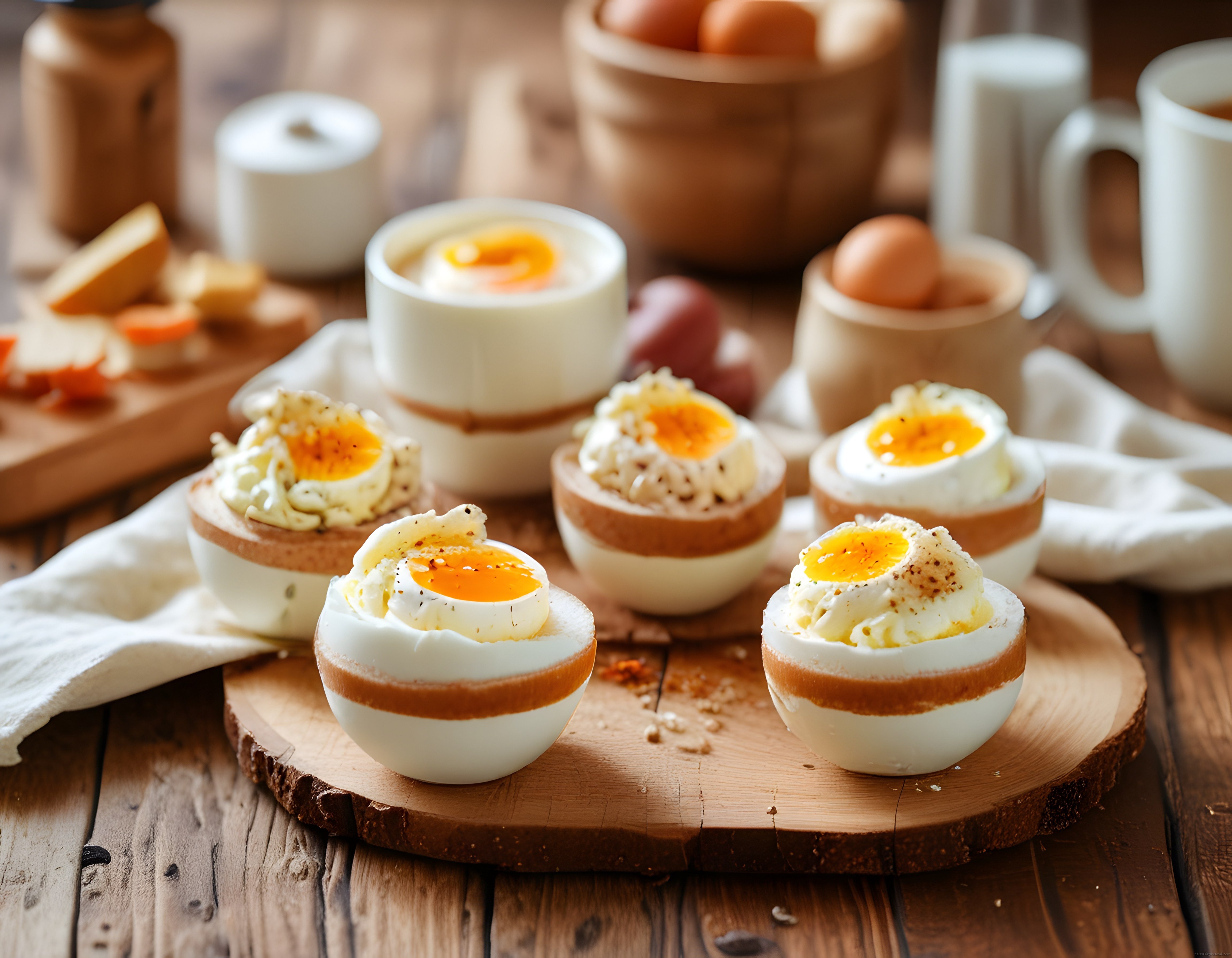
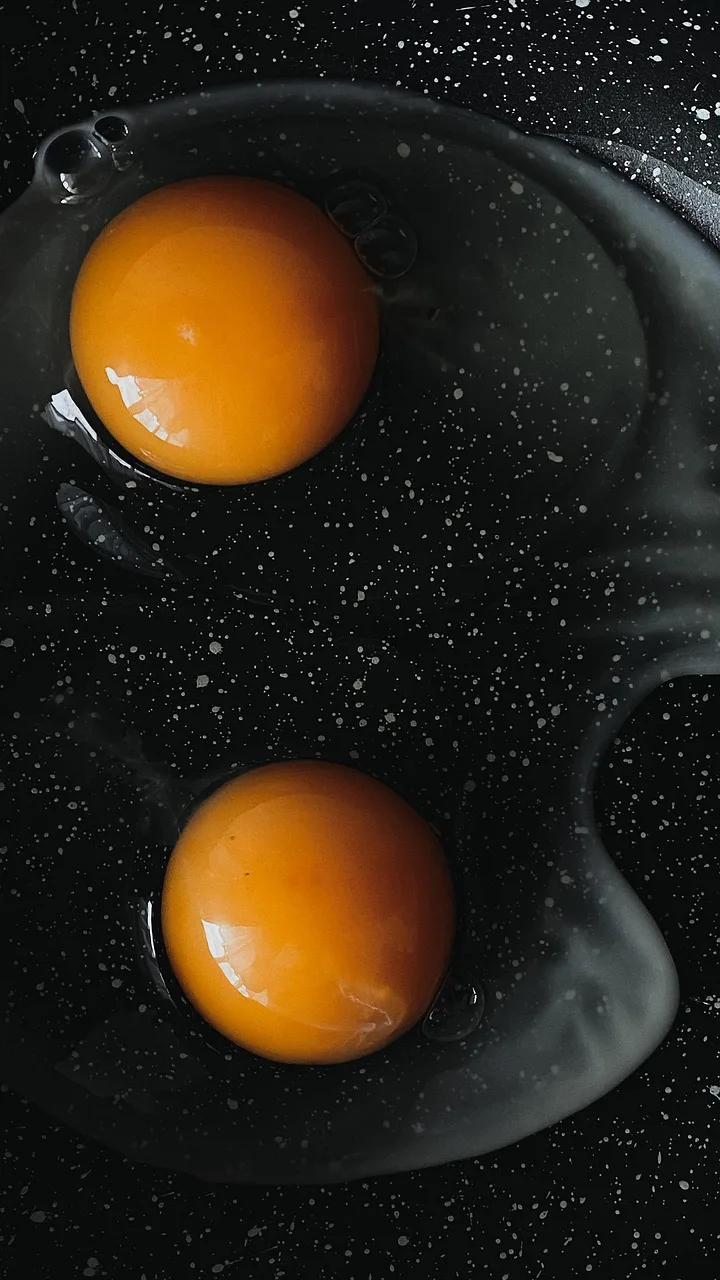
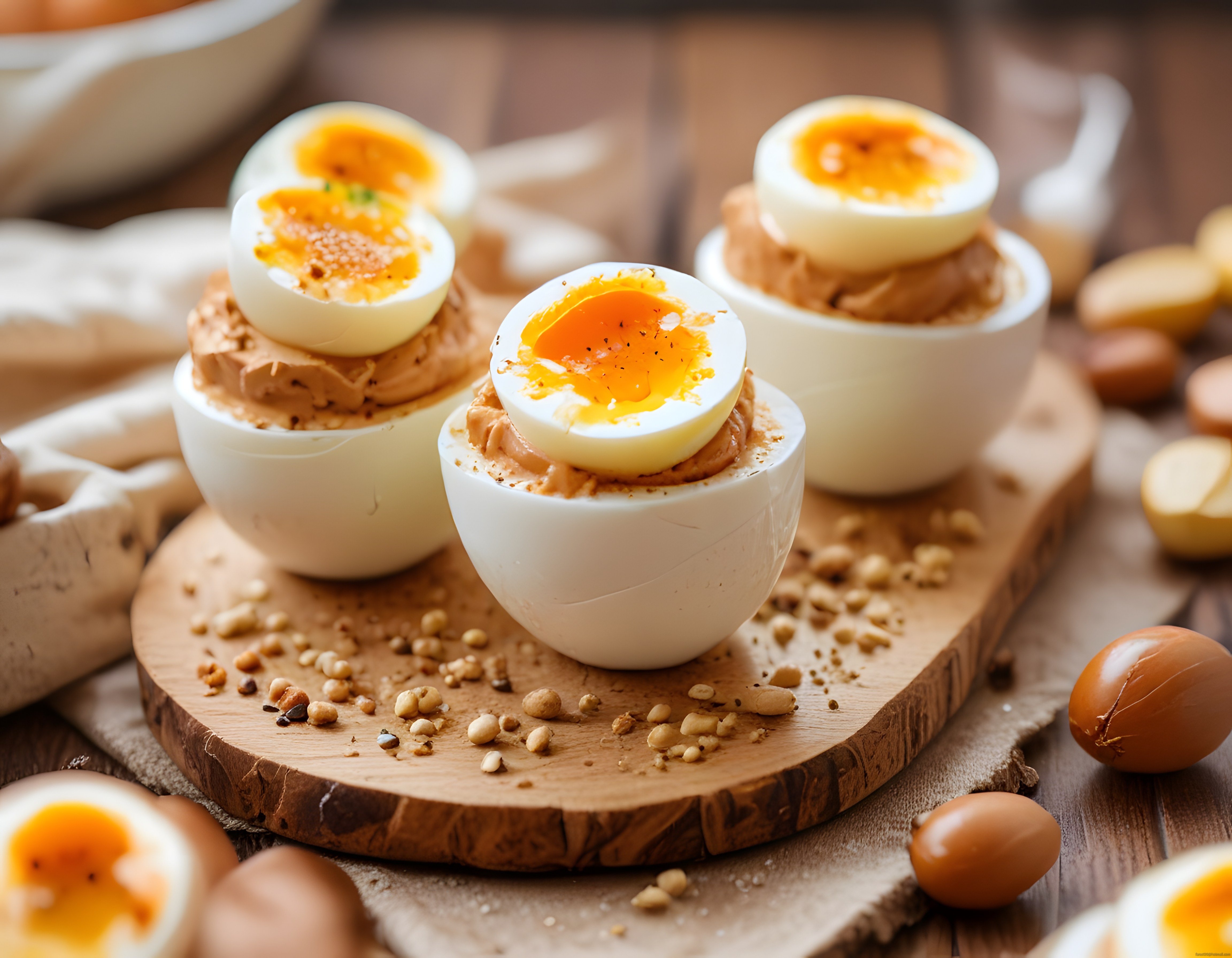
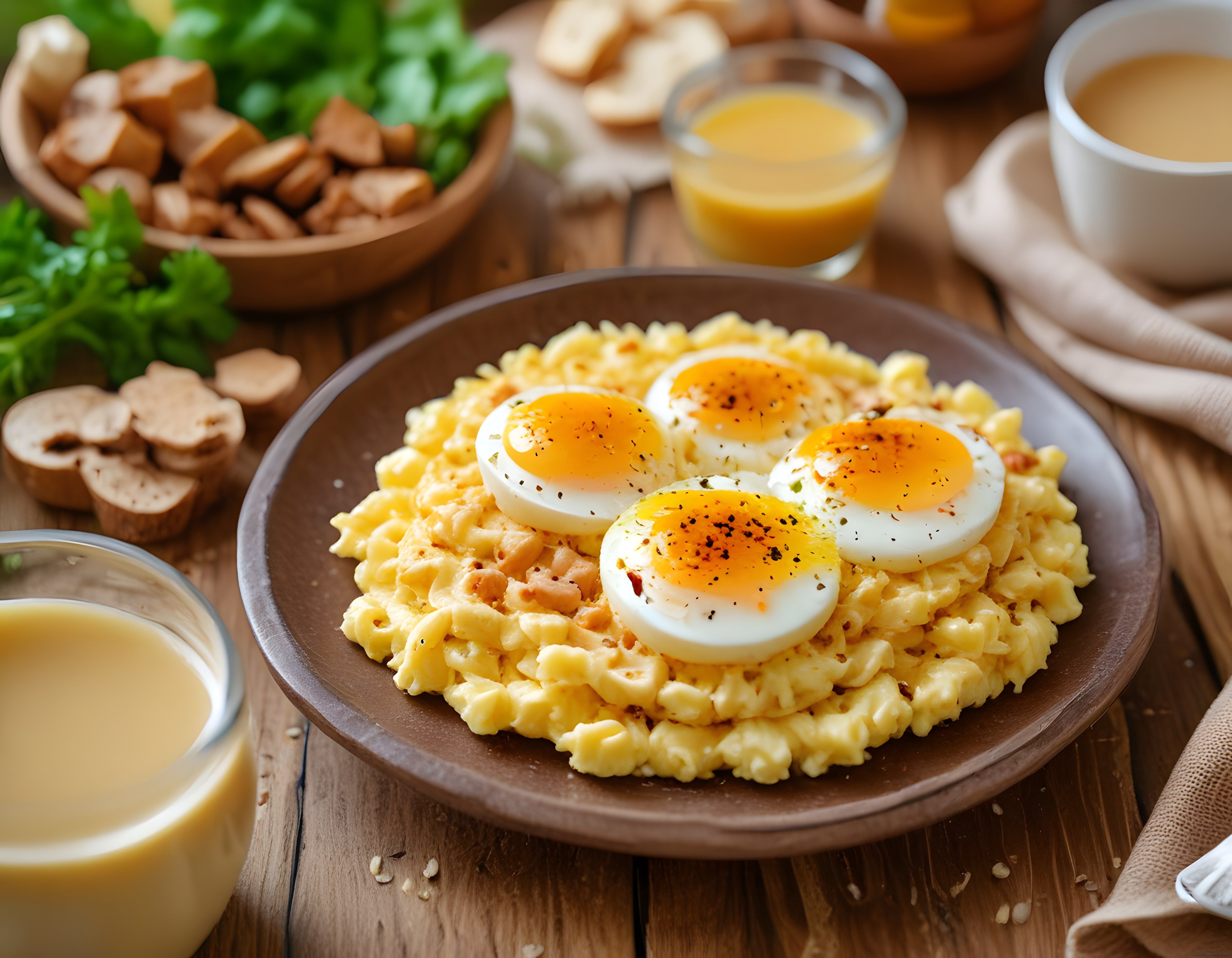
Çekim Tablosu
Belirtme (-i)yumurtayı
Yönelme (-e)yumurtaya
Bulunma (-de)yumurtada
Çıkma (-den)yumurtadan
Tamlayan (-in)yumurtanın
Çoğul (-ler)yumurtalar
Tanım
•isim, biyoloji: Bir dişinin vücudunda oluşan, yumurtlama ve döllenmeden sonra aynı türden bir canlı oluşturan hücre
•Kanatlı hayvanların çoğalmasını sağlayan kabuklu bir besin maddesi
•Tavuk yumurtası
•anatomi: taşak
•ağızlardan: Çorap onarmakta kullanılan, yumurta biçiminde, genellikle tahta veya mermerden kalıp
Atasözü & Deyim
“Yumurtadan çıkan yine yumurta çıkarır”
“Yarınki kazdan bugünkü tavuk (yumurta) yeğdir”
“Cins horoz yumurtada öter”
Diğer Dillerde
Almancaei, eine Keimzelle /aɪ̯/
whoa, hey (expression of surprise) · said when patting or caressing a person or animal
çekim: çoğul Eier · tamlayan Eies
eş: Eizelle, Ellipsoid, Rotationsellipsoid, Ball, Erbse, Pille
köken: For the “caressing” sense compare Dutch aaien.
aile: ei machen, ei ei machen
Wir aßen Eier. — Yumurta yedik.
Fransızcaœuf, Œuf, Testicule (eril) /œf/
egg; ovum · gondola lift
çekim: çoğul œufs
eş: egg
köken: Etymology tree Proto-Indo-European *h₂ew-der.? Proto-Indo-European *h₂éwis Proto-Indo-European *h₂ōwyóm Proto-Italic *ōwjom? Proto-Italic *ōwom Classical Latin ōvum Vulgar Latin *ŏvum Old French oef Middle French œuf French œuf Inherited from Middle French œuf, from Old French oef, from Vulgar Latin (*)ŏvum, from Classical Latin ōvum. Compare Occitan uòu.
aile: aller se faire cuire un œuf, avoir un œuf à peler, crâne d'œuf, cuillère à œuf, étouffer dans l'œuf, faire l'œuf, feuh, jaune d'œuf, marcher sur des œufs, mettre tous ses œufs dans le même panier
Ovule inséminé — Döllenen yumurta
İspanyolcaaguaucle, aguautle, ahuautle, blanquillo, bulto, cataplín
Huevecillos comestibles de un insecto acuático.
Son huevos. — Onlar yumurta.
İtalyancauovo (eril) /ˈwɔ.vo/
gamete femminile negli animali
çekim: çoğul uova
eş: ovulo, uovo di gallina, cocco
köken: Inherited from Vulgar Latin (*)ŏvum, from Latin ōvum n.
aile: bianco d'uovo, cercare il pelo nell'uovo, gallina dalle uova d'oro, pasta all'uovo, pesceduovo, pieno come un uovo, rompere le uova nel paniere, rosso d'uovo, tagliauova, uova strapazzate
Gioco dell'uovo. — Yumurta bırakır.
un uovo di gallina
Rusçaяйцо (nötr) /(j)ɪjˈt͡so/
ovum · testicle, ball, nut, nad, gonad
çekim: çoğul я́йца · tamlayan яйца́
eş: ооцит, эллипсоид, овоид
köken: Inherited from Old East Slavic ꙗице (jaice), from Proto-Slavic *ājьcè, diminutive of *ȃje (“egg”), ultimately from Proto-Balto-Slavic *ṓjan (“egg”), from Proto-Indo-European *h₂ōwyóm (“egg”).
aile: яйцева́рка, яйцеви́дный, яйцево́д, яйцеголо́вый, яйцеживорожде́ние, яйцекла́д, яйцекла́дка, яйцекладу́щий, яйцекле́тка, яйцеобра́зный
Откладывает яйца. — Yumurta bırakır.
Meronyms: бело́к (belók), желто́к (želtók), скорлупа́ (skorlupá)
я́йца ку́рицу не у́чат
она́ де́ржит его́ за я́йца
eggs · helmets
çekim: çoğul بُيُوض · tamlayan بَيْضٍ
köken: Cognate with Hebrew בֵּיצָה (bēṣā) and Classical Syriac ܒܝܥܬܐ (bēʿṯā).
تلقيح البويضة — Döllenen yumurta
testicle
çekim: çoğul بیضهها
köken: Borrowed from Arabic بَيْضَة (bayḍa).
aile: پوست بیضه, کیسه بیضه
balls (testicles)
çekim: çoğul daşşaqlar · tamlayan daşşağın
köken: From daşaq: the gemination of the intervocalic /ş/ is probably due to emphasis. Similar process can be observed in aşağı, often pronounced /aşşağı/ in both Azerbaijani and other Turkic varieties. Two possibilities exist regarding the ultimate origin: * A diminutive of Proto-Turkic *tiāĺ (“stone”), i.e. 'little stone' or otherwise related to the sense 'stone'; see Azerbaijani daş. * A derivation…
Kazakçaжұмалақ, жұмыртқа
ovum
çekim: çoğul жұмыртқалар · tamlayan жұмыртқаның
köken: From Proto-Turkic *yumurtka.
Özbekçemoyak, tuxum
Tatarcaйомырка
Felemenkçeei (nötr) /ɛi̯/
betekenissen geordend van meest gangbaar naar meest omvattend
çekim: çoğul eieren
eş: eicel
köken: From Middle Dutch ei, from Old Dutch *ei, from Proto-West Germanic *aij, from Proto-Germanic *ajją, from Proto-Indo-European *h₂ōwyóm.
aile: blij ei, de kip met de gouden eieren slachten, een appel en een ei, eendenei, ei van Columbus, eicel, eidooier, eierbal, eierdop, eieren voor zijn geld kiezen
Op eieren lopen. — Yumurta bırakır.
Ik heb een ei gebakken voor het ontbijt.
Pasen is een feest waarbij veel eieren worden geschilderd.
In deze doos zitten twaalf eieren.
Portekizcemenino bonito, ovo, testículos (eril) /ˈo.vu/
egg (cell that results from the fertilization of the female gamete by the male gamete) · egg (rounded body produced by oviparous females consisting of a membrane and outer shell that contains the embryo) · this body, particularly that of chickens, when it has not yet been fertilized and is intended for food
çekim: çoğul ovos
köken: Inherited from Old Galician-Portuguese ovo, from Vulgar Latin *ŏvum, from Classical Latin ōvum. Doublet of ova.
aile: babar ovo, ovão, ovar, ovinho, ovo de Páscoa, ovos mexidos, ovos-moles
Ovo inseminado — Döllenen yumurta
Você destruiu o meu ovo! Vou almoçar onde?
Yunancaαβγό, αρχίδι, όρχις, παίρνω με τ' αβγά, προτρέπω /aˈvɣo/
egg (spherical or ellipsoidal body produced by birds, reptiles, insects and other animals, housing the embryo during its development) · egg (of a hen, used as food) · egg (anything shaped like an egg)
çekim: çoğul αβγά · tamlayan αβγού
köken: Back-formation from the plural αβγά (avgá), itself extracted from ταβγά (tavgá, “the eggs”), a regular phonological development of Ancient Greek τά ᾠά (tá ōiá): :τά ᾠά /ta.oˈa/ → *τα ωγά /ta.oˈɣa/ → [tawγá] /tau̯ˈɣa/ → ταβγά /tavˈɣa/. Ultimately from Proto-Indo-European *h₂ōwyóm via Proto-Hellenic *ōyyón.
aile: αβγό μάτι, αβγό ποσέ, αβγοειδής, αβγοθήκη, αβγολέμονο, αβγοτάραχο, αβγότσουφλο, αβγουλάκι, αβγουλάς, αβγουλατός
Γονιμοποιημένο ωάριο — Döllenen yumurta
Το αβγό της χελώνας είναι μικρό και ολοστρόγγυλο.
Για να φτιάξεις μπισκότα χρειάζεσαι αβγά, αλεύρι και βούτυρο.
Το Πάσχα στην Ευρώπη τρώνε σοκολατένια αβγά.
Japonca卵、卵子、卵細胞。, 卵。, 美少年。
卵をわる。 — Yumurta bırakır.
Çinceдан, җидан, 卵子, 友跨順男 /友跨顺男, 雞卵 /鸡卵, 雞蛋 /鸡蛋 /lu̯än²¹⁴⁻³⁵ t͡sz̩²¹⁴⁻²¹⁽⁴⁾/
ovum; egg
牠們每次會生4-5隻蛋。 — 4-5 yumurta bırakırlar.
Korece계란, 달걀
수정란 — Döllenen yumurta
İsveççeägg (nötr) /ɛɡː/
an egg (approximately spherical or ellipsoidal body produced by birds, snakes, insects and other animals housing the embryo during its development) · egg (the contents of one or more (hen's usually) eggs used as a food) · an egg (something resembling an egg)
çekim: çoğul äggs · tamlayan äggs
köken: From Old Swedish æg, from Old Norse egg, from Proto-Germanic *ajją, from Proto-Indo-European *h₂ōwyóm.
Och en ägg gula. — Ve yumurta sarısı.
koka ägg
knäcka ett ägg
skala ett ägg
core (the part of a fruit that contains seeds) · kernel, nucleus, core (the central part of something) · nucleus
çekim: çoğul jądra · tamlayan jądra
eş: jajo, kula
köken: Etymology tree Proto-Slavic *ędro Polish jądro Inherited from Proto-Slavic *ędro.
aile: jądrowy, jądrzasty, jędrny, jądrowo, jędrnie, jąderko, jądrowiec, jądrzak, najądrze, jędrnieć
Jest jajkiem. — Yumurta bırakır.
jądro atomowe
Ukraynacaяє́чко, яйце́
Ми їли яйця. — Yumurta yedik.
the castor oil plant, Ricinus communis
çekim: çoğul अंडों
köken: Reduction or variant of आँड़ (ā̃ṛ, “castor-oil tree”), from Prakrit आमंड (āmaṃḍa), from Sanskrit आमण्ड (āmaṇḍa), from Dravidian. Compare Tamil ஆமண்டம் (āmaṇṭam), அமண்டலம் (amaṇṭalam), Tulu ಅಳಂಬುಡ್ (aḷambuḍŭ), ಅಳಂಬುದ (aḷambuda). Doublet of अरंड (araṇḍ), एरंड (eraṇḍ), रंड (raṇḍ), and रेंड़ (rẽṛ).
aile: अंडी
Finceheittää kananmunilla, kananmuna, kastaa kananmunaan, kives, kuhmu, muna /ˈkɑnɑnˌmunɑ/
chicken egg, hen's egg
çekim: çoğul kananmunat · tamlayan kananmunan
köken: kanan (“chicken's, hen's”, genitive) + muna (“egg”)
aile: kananmunaton, kananmunajauhe, kananmunakastike, kananmunaleikkuri, kananmunarasia
Naaras suojelee munia pedoilta. — Dişi yumurtaları korur.
bulge, protuberance · bump, swelling
çekim: çoğul boulí · tamlayan boulí
eş: zduřenina, opuchlina, bakule, mulda, vlna
köken: Inherited from Old Czech búla, from Proto-Slavic *bula. First attested in the 16th century.
Oplodnění vajíčka — Döllenen yumurta
Rumenceboș, coi, cucui, ou, testicul (nötr) /boʃ/
ball
çekim: çoğul boașe · tamlayan boșului
köken: Uncertain. Perhaps from the variant boașă, possibly from Medieval Latin, Late Latin bursa (“purse”), although this is unlikely. Perhaps from Turkish boş, although this is also doubtful due to the age of the word. Compare Aromanian boashã, Megleno-Romanian and Istro-Romanian boş.
Ovul fecundat — Döllenen yumurta
Macarcahere, tojás, tojásdad /ˈhɛrɛ/
testicle, testis (the male sex and endocrine gland) · drone (a male bee or wasp, which does not work but can fertilize the queen bee) · loafer, drone (someone who doesn't work; a lazy person, an idler)
çekim: çoğul herék
köken: From Proto-Uralic *kojera (“male animal”). Cognates include Northern Mansi ха̄р (hār).
aile: heréjű, herél, herezacskó
Megtermékenyített pete — Döllenen yumurta
İbraniceאֶשֶׁךְ, בֵּיצָה
הביצית המופרית — Döllenen yumurta
Latincecoleo, cōleus, ōvum, testiculus (eril)
testicle
çekim: çoğul coleōnēs · tamlayan cōleōnis
köken: From cōleus + -ō. Attested in the glossary quoted below, which was translated in Carolingian times from a Greek original.
c. 8th century CE, “famex” in Glossae nominum Famex spado contusis culionibus
Dancaæg, ægge, æggeformet, testikel /ɛːˀɡ/
edge of a blade
çekim: çoğul æggene · tamlayan ægs
köken: From Old Norse egg n (“egg”), from Proto-Germanic *ajją, cognate with Norwegian egg, Swedish ägg, German Ei (English egg is a loan from Old Norse). The Germanic noun derives from Proto-Indo-European *h₂ōwyóm (“egg”), cf Latin ōvum, Ancient Greek ᾠόν (ōión), and Polish jajo.
Han kan ikke lide æg. — Yumurta sevmez.
Etimoloji
From Ottoman Turkish یومورطه (yumurta), from Proto-Turkic *yumurtka (“egg”).
Deyimler
Kelime Ailesi
çift yumurta ikizi
çiftlik yumurtası
kıymalı yumurta
koç yumurtası
Paskalya yumurtası
pastırmalı yumurta
poşe yumurta
tek yumurta ikizi
yumurta hücresi
yumurta mantarı
yumurtakökü
balık yumurtası
gezen tavuk yumurtası
ıspanaklı yumurta
katı yumurta
köy yumurtası
lop yumurta
sucuklu yumurta
Eş & Zıt Anlamlılar
Örnek Cümleler
Yumurta sert.
The egg is hard.
Onlar yumurta.
They're eggs.
Yumurta sevmez.
He doesn't like eggs.
Bu yumurta taze.
This egg is fresh.
Yumurtan var mı?
Do you have eggs?
Yumurta bırakır.
Egg Van.
Döllenen yumurta
[Egg Inseminated]
Bir yumurtam var.
I have an egg.
Yumurtalar nasıl?
How are the eggs?
O yumurta sevmez.
She doesn't like eggs.
Yumurta ne kadar?
How much are eggs?
İki yumurta çırp.
Beat two eggs.
İlgili Sorular
Bir horoz çatıdan yumurta bırakırsa, yumurta nereye düşer?
Çatı üzerinde bir horoz yumurta bıraktığında, yumurta hangi kenardan kayar?
Yardım almadan gerçekleşen son Paskalya yumurta avında kaç yumurta topladınız?
Stegosaurus yumurta bırakır mı?
Eğer bir horoz çatıya bir yumurta bırakırsa, yumurta hangi taraftan kayar?
İlgili / Bileşik Terimler
Genelalbumen
Genelyolk
Genelalbumen
Geneleggwhisk
Genelovum
Genelyolk
Genelegg white
Genelin nick of time
Genelegg salad
Birleşik Kelimeler
yumurta akıyumurta hücresiyumurtaköküyumurta mantarıyumurta ökçeyumurta sarısıyumurta topukyumurta zarıçift yumurta ikiziıspanaklı yumurtakatı yumurtakıymalı yumurtalop yumurtapastırmalı yumurtapoşe yumurtasucuklu yumurtatek yumurta ikizibalık yumurtasıçiftlik yumurtasıgezen tavuk yumurtasıkoç yumurtasıköy yumurtasıPaskalya yumurtasıziraat yumurtası