Sözlük
/taht
taht
"taht" kelimesinin İngilizcesi: throne, throne, throne, throne. Anlamı, çevirisi, telaffuzu ve örnek cümleler aşağıdadır.
Çeviri
Genelthronenoun
Genelthrone
Genelthrone
Genelthrone
Görsel
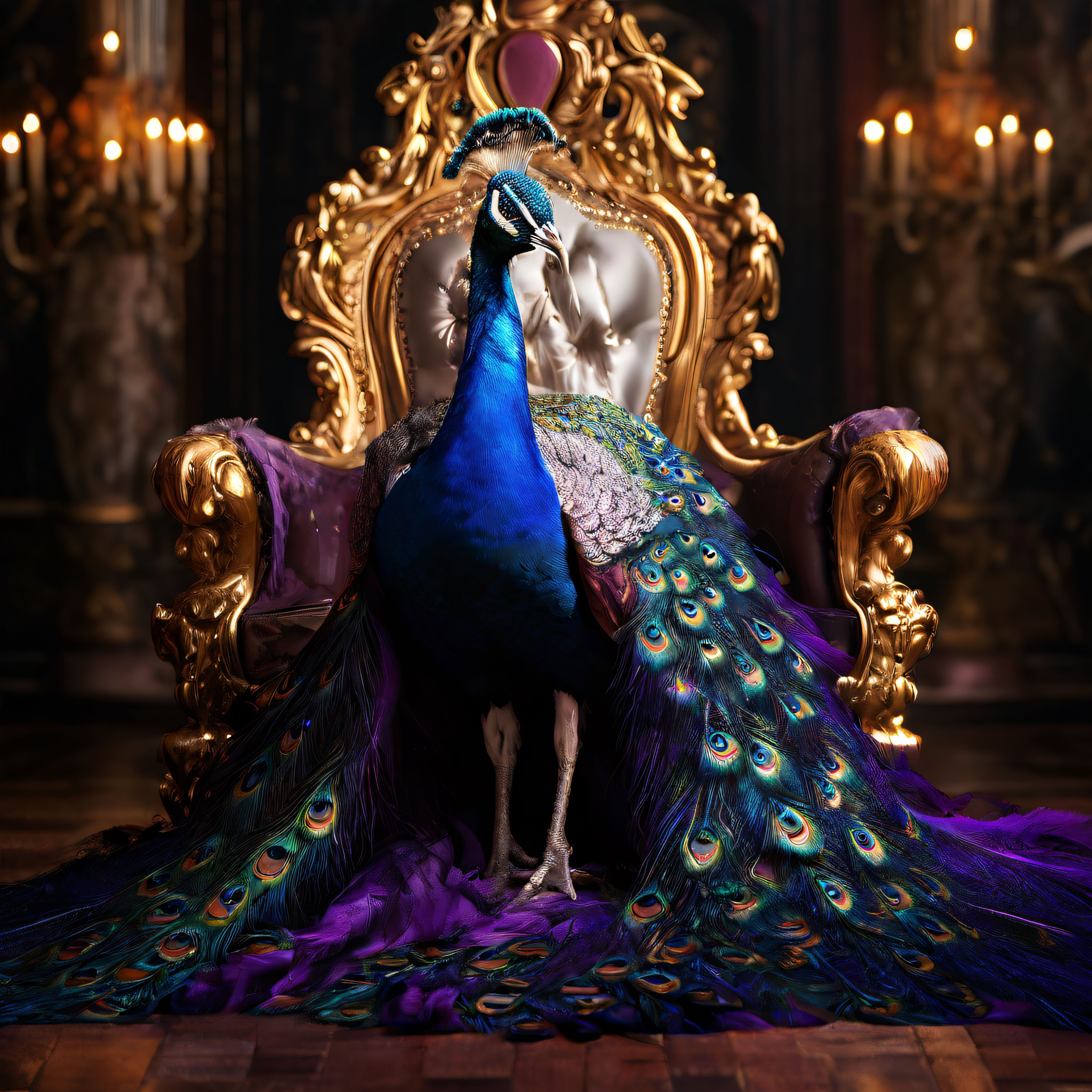


Çekim Tablosu
Belirtme (-i)tahtı
Yönelme (-e)tahta
Bulunma (-de)tahtta
Çıkma (-den)tahttan
Tamlayan (-in)tahtın
Çoğul (-ler)tahtlar
Tanım
•isim: Hükümdarların oturduğu büyük, süslü koltuk
•mecaz: Hükümdarlık makamı
•mecaz: En üst makam
Atasözü & Deyim
“Gelin altın taht getirmiş, çıkmış kendisi oturmuş”
“Baskısız tahtayı yel alır, yel almazsa sel alır”
“Çürük tahta çivi (mıh) tutmaz”
Diğer Dillerde
Almancathron (eril) /tʁoːn/
throne · the monarchy
çekim: çoğul Throne · tamlayan Thrones
eş: Herrschersitz, Nachtgeschirr, Nachttopf, Töpfchen
köken: Etymology tree Ancient Greek θρόνος (thrónos)bor. Latin thronusder. Old French tronebor. German Thron From Middle High German thrōn, trōn, from Old French tron, from Latin thronus, from Ancient Greek θρόνος (thrónos, “seat, place of honour”).
aile: thronen
& Brett — & Tahta
throne (royal seat) · throne (lavatory)
çekim: çoğul trônes
köken: Inherited from Middle French throne, from Old French trosne, trone, from Latin thronus, from Ancient Greek θρόνος (thrónos, “chair”, “throne”).
Plateau — & Tahta
Il s'est approché du trône respectueusement.
Le gamin est sur le trône.
throne; seat
çekim: çoğul solios
köken: Borrowed from Latin solium (“seat, chair; throne”).
Tablero — & Tahta
Rusçaтрон, престол
& Доска — & Tahta
لوح — & Tahta
throne
çekim: çoğul övrənglər · tamlayan övrəngin
köken: Borrowed from Classical Persian اورنگ (awrang).
Özbekçepodsholik
Felemenkçetroon (eril) /troːn/
throne (ornamental seat) · throne (angel of an order between cherubim and dominions)
çekim: çoğul tronen
köken: From Middle Dutch trone, from Old French trone, from Latin thronus, from Ancient Greek θρόνος (thrónos, “seat, throne”).
aile: keizerstroon, koningstroon, tronen, troonengel, troonopvolger, troonopvolging, troonrede, troonsbestijging
& Bord — & Tahta
Portekizcesólio (eril) /ˈsɔ.li.u/
throne (royal seat) · pontifical chair
çekim: çoğul sólios
köken: Learned borrowing from Latin solium.
Tabuleiro — & Tahta
Yunancaθρόνος (eril) /ˈθronos/
throne · monarchy, the royal office
çekim: çoğul θρόνοι · tamlayan θρόνου
köken: From Ancient Greek θρόνος (thrónos).
& Ταμπλό — & Tahta
αυτοκρατορικός, πατριαρχικός, παπικός θρόνος
ο θρόνος της Αγγλίας
σφετεριστής του θρόνου
bathroom, restroom, lavatory · toilet
eş: 御手洗, 手洗い, 化粧室, 洗面所, 便所, 厠
köken: Clipping of トイレット (toiretto), borrowed from English toilet.
aile: おトイレ, トイレが近い
ボード(B) — & Tahta
the emperor's seat; throne
köken: Sino-Korean word from 玉座 (“jade seat; throne”)
판:% 1 — Tahta:% 1
toilet seat
çekim: çoğul sedesy · tamlayan sedesu
eş: klozet, kibel
köken: Etymology tree Latin sēdēslbor. Polish sedes Learned borrowing from Latin sēdēs.
aile: sedesowy
& Stół — & Tahta
Hintçeऔरंग, तख्त, तख़्त, राजगद्दी, राजसिंहासन, सिंहासन (eril) /ɔː.ɾəŋɡ/
throne
köken: Borrowed from Classical Persian اورنگ (awrang).
Finceasema, valtaistuin /ˈɑsemɑ/
position, state, situation (status with regard to conditions and circumstances) · status (person’s position or standing relative to that of others) · station (stopping place for transportation, especially ground transportation or air transportation)
çekim: çoğul asemat · tamlayan aseman
köken: From Proto-Finnic *asën ~ *asëma, equivalent to asea (“to place”) (obsolete) + -ma
aile: asemasta, asemo, asemoida, ala-asema, ammattiasema, arvoasema, asema-alue, asema-arvo, asema-aukio, asemaenergia
& Lauta — & Tahta
Olen sellaisessa asemassa, että en voi kritisoida presidenttiä julkisesti.
Upseerin rouvalla on kunnioitettu asema varuskuntakaupungissa.
rautatieasema
Çekçetrůn (eril) /ˈtruːn/
throne
çekim: çoğul trůny · tamlayan trůnu
eş: stolec
köken: Inherited from Old Czech trón.
aile: trůnní, trůnový, trůnově, trůnec, trůnek, trůnit
& Deska — & Tahta
Rumencescaun (nötr)
chair, seat · stool · throne, seat of power, by extension capital
çekim: çoğul scaune · tamlayan scaunului
köken: Inherited from Latin scamnum. For the change of -m- into -u- after -a-, compare Latin damnum > Romanian daună. Compare also Aromanian scamnu, Megleno-Romanian scand, Istro-Romanian scånd.
aile: înscăuna
& Tablă — & Tahta
Macarcatrón, trónszék, trónus /ˈtroːn/
throne (an impressive seat used by a monarch, often on a raised dais in a throne room and reserved for formal occasions) · throne (the power and position of a monarch)
çekim: çoğul trónok
köken: Borrowed from German Thron, from Old French trone, from Latin thronus, from Ancient Greek θρόνος (thrónos, “chair, throne”).
aile: trónol, trónbeszéd, trónbitorló, trónfoglaló, trónfosztás, trónkövetelő, trónöröklés, trónörökös, trónörökösödés, trónszék
& Tábla — & Tahta
& לוח — & Tahta
armchair (having cushions and supports) · ceremonial chair (of a teacher, later of a bishop) · the office or rank of teacher or bishop
çekim: çoğul cathedrae · tamlayan cathedrae
köken: From Ancient Greek καθέδρα (kathédra), from κατά (katá, “down”) + ἕδρα (hédra, “seat”).
aile: cathedrālicius, cathedrālis, cathedrārius, cathedrāticum, cathedrāticus, cathedrātum, cathedrātus, cathedrō
Dancatrone (nötr) /troːnə/
throne
çekim: çoğul troner · tamlayan trones
köken: From Ancient Greek θρόνος (thrónos, “seat, throne”).
& Bræt — & Tahta
Norveççetronstol
Sjakkbrett — Dama Tahtası
Endonezcesinggasana, takhta /siŋ.ɡa.sa.na/
throne
köken: From Malay singgahsana (“throne”), from Sanskrit सिंहासन (siṃhāsana, “throne”, literally “the lion's seat”). Equal to singa + asana.
Semoga terkabul... — Vur tahtaya...
Slovenceprestol (eril) /prɛ̀ːstɔl/
throne (monarch's or bishop's chair)
çekim: çoğul prestóli · tamlayan prestóla
köken: From pre- + stòl.
& Plošča — & Tahta
Etimoloji
Inherited from Ottoman Turkish تخت (taht), from Classical Persian تخت (taxt). See there for cognates.
Eş & Zıt Anlamlılar
Örnek Cümleler
& Tahta
& Board
Tahta:% 1
Board: %1
Yeni tahta
New board
Tahtayı aç
Open board
Tahta Sütun
Wood Block
Tahta yüzer.
Wood floats.
Tahtaya vur!
Touch wood!
Dama tahtası
Checkerboard
Tahta Boyutu
Board Size
Tahta Düzeni
Board Layout
Oyun Tahtası
Game Board
Tahta çıkışı
Accession
İlgili Sorular
9'0'lık bir surf tahtasından kısa bir tahtaya geçmek istiyorum, bir sonraki surf tahtam ne olmalı?
Fred Willianson’ın 16 fit uzunluğunda kalan bazı tahtaları vardı. İlk olarak bir 16 fit tahtayı iki eşit olmayan parçaya kesti. Daha sonra aynı ölçülerde beş adet 16 fit tahtayı da aynı şekilde kesti. Uzun parçaların altısını duvar yapımında kullandı. Kısa parçaların dördünü ise bir merdiven boşluğunu kaplamak için kullandı. Toplamda iki projede 82 lineer fit tahtayı kullandı. Her tahtayı ikiye böldükten sonra parçaların uzunlukları ne olmalı?
Şu anki 9'0'lık surf tahtamı kısa bir tahtayla değiştirmek istiyorum, bir sonraki seçimim ne olmalı?
Fred Willianson 16 fit uzunluğunda bazı fazladan tahtalar buldu. Önce bir tanesini iki farklı uzunlukta iki parçaya bölerek kesti, ardından aynı ölçülerde beş tane daha 16 fit tahtayı aynı şekilde kesti. Uzun parçaların hepsini bir duvar inşasında, kısa parçaların dördünü ise bir merdiven boşluğunu kaplamada kullandı. İki işte toplam 82 fit tahtayı kullandı. Her tahtayı ikiye böldükten sonra parçaların uzunlukları ne olmalı?
Fred Willianson’ın 16 fit uzunluğunda kalan tahtaları vardı. İlk olarak bir tanesini iki farklı uzunlukta iki parçaya böldü, ardından aynı boyutlarda beş başka 16 fit tahtayı aynı şekilde kesti. Uzun parçaların hepsini duvar yapımında, kısa parçaların dördünü ise bir merdiven boşluğunu kaplamakta kullandı. İki projede toplam 82 fit tahtayı kullandı. Her tahtayı ikiye ayırdıktan sonra elde edilen parçaların uzunlukları nasıl olmalı?
Birleşik Kelimeler