Sözlük
/süsleme
süsleme
TR → EN
"süsleme" kelimesinin İngilizcesi: flower, trimming, ornamentation. Anlamı, çevirisi, telaffuzu ve örnek cümleler aşağıdadır.
Çeviri
Genelflower
Geneltrimming
Genelornamentation
Görsel
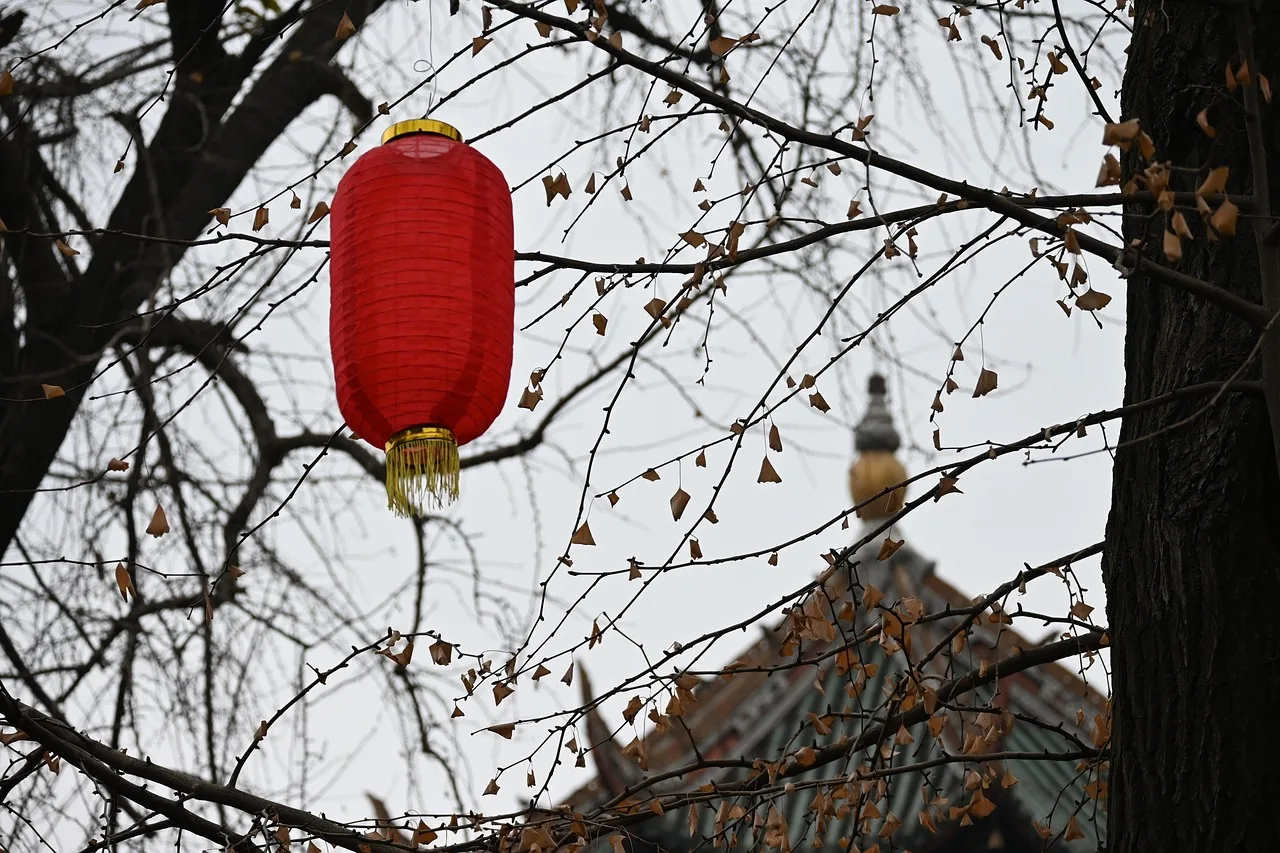
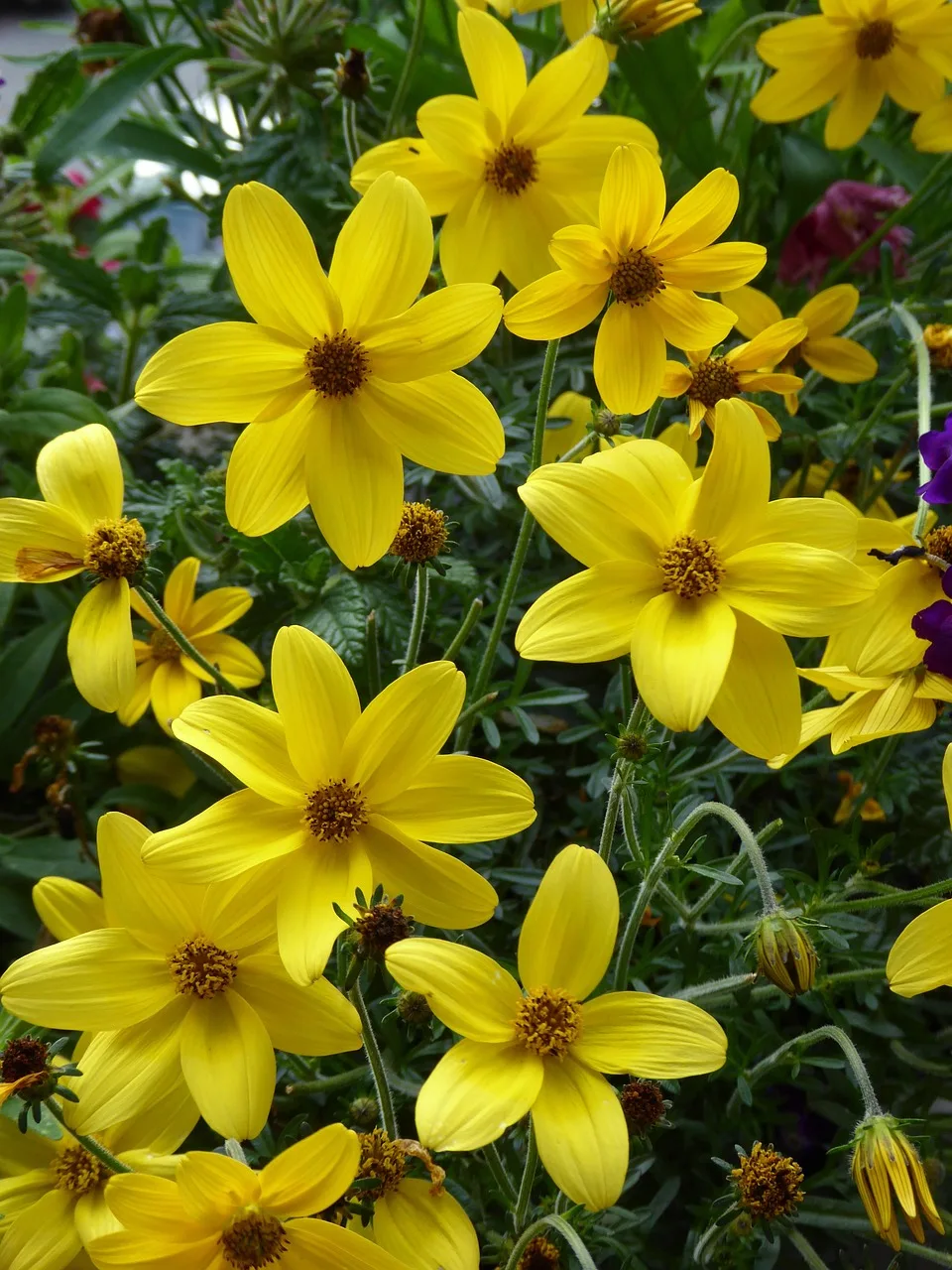
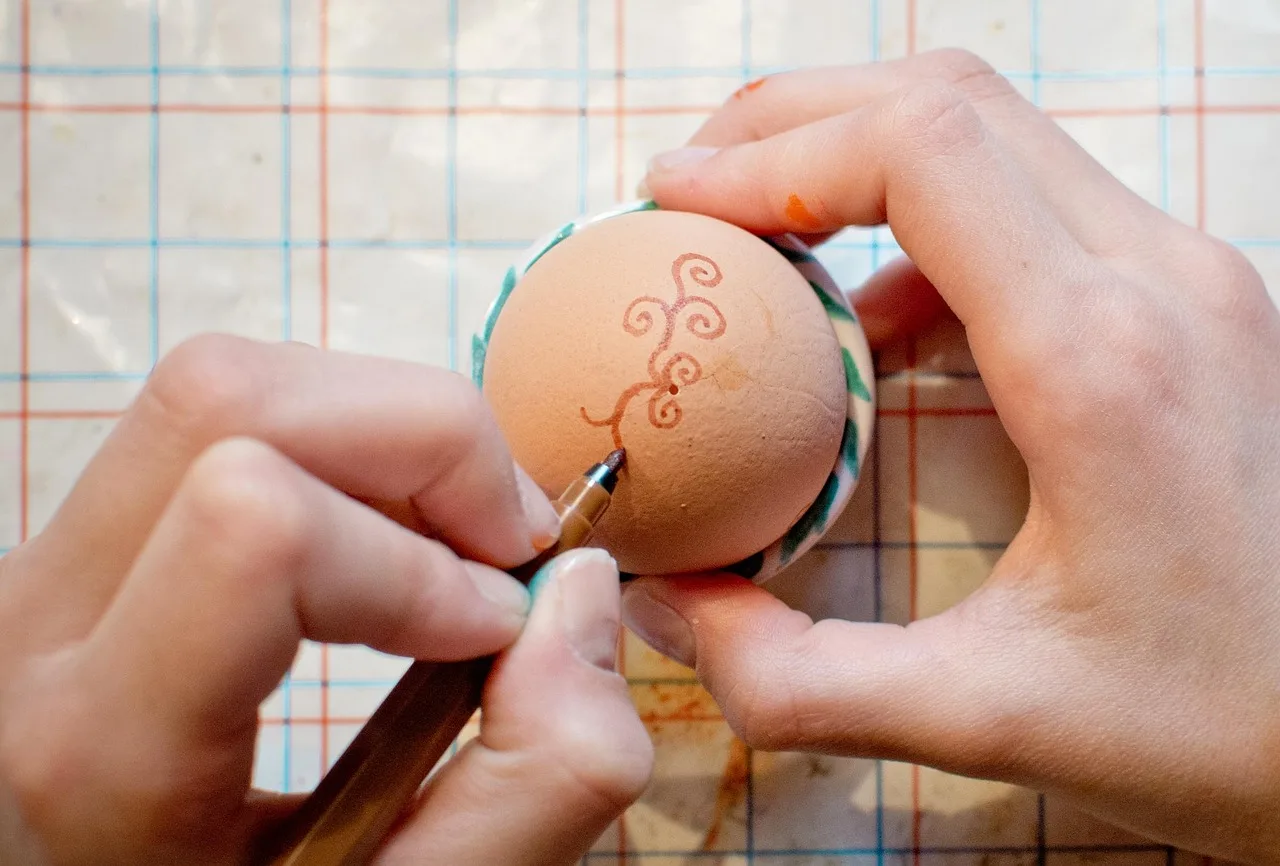
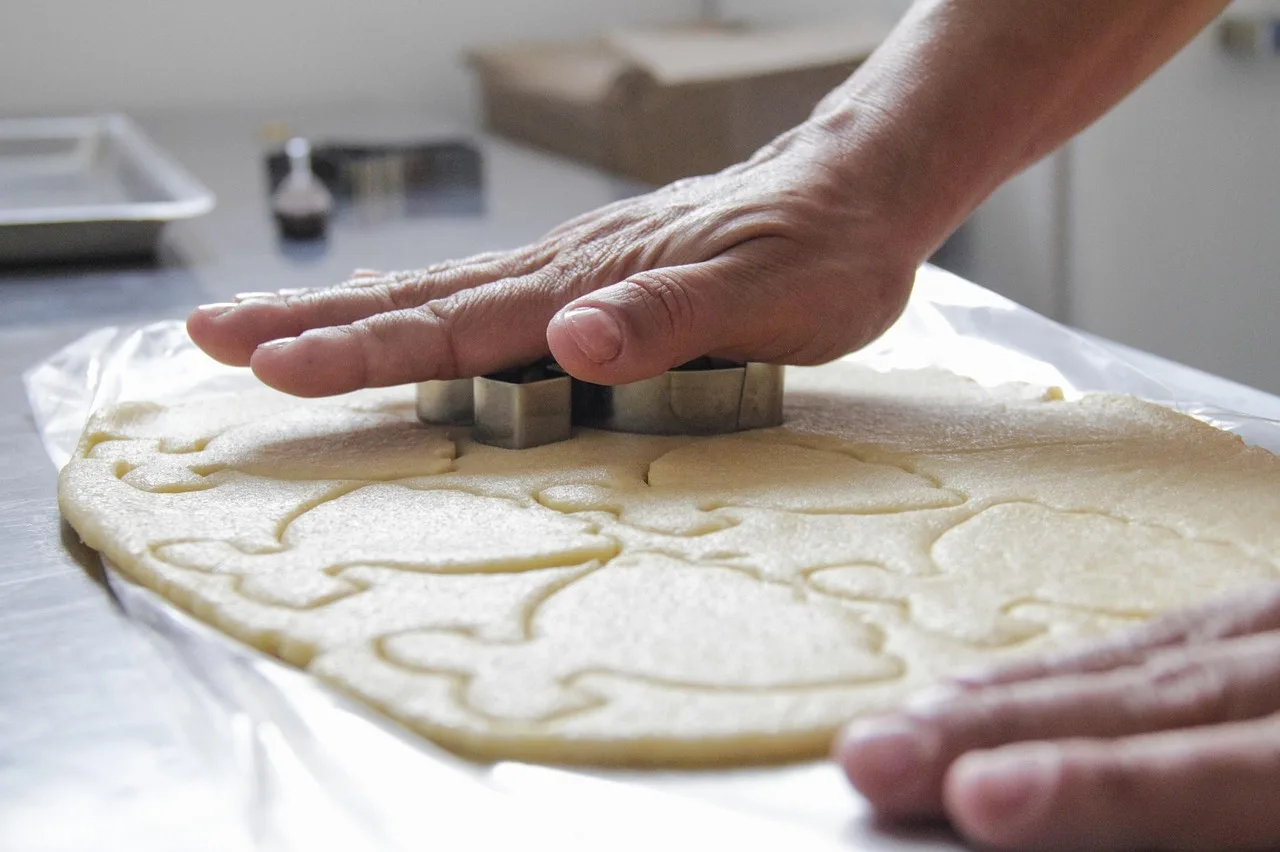
Tanım
•sanat eserlerinin yüzeyini süslemek için kullanılan motif,oyma vb. türden şeyler
•süslemek işi; bezeme, donama, tezyin
•süsleri yerleştirme biçimi veya sanatı
•Birtakım katkılarla bir şeyin daha güzel, daha göz alıcı olmasını, daha hoş görünmesini sağlama
•Sanat eserlerinin yüzeyini süslemek için kullanılan motif, oyma vb
•Süsleri yerleştirme biçimi veya sanatı
Diğer Dillerde
to blossom or bloom · to thrive or flourish
çekim: geçmiş blühte · ortaç geblüht · şimdiki blüht · ulaç blühend
eş: florieren, gedeihen, prosperieren
köken: From Middle High German blüe(je)n, from Old High German bluo(w)en, from Proto-West Germanic *blōan. Cognate with Luxembourgish bléien, Dutch bloeien, English blow.
aile: abblühen, aufblühen, ausblühen, erblühen, verblühen
Kronenform — Süsleme kenarlığı
flower; bloom; blossom; collectively, the reproductive organs and the envelope which surrounds them in angiosperms (also called "flowering plants") · flowering plant; angiosperm; the plant with flowers itself · a kind favor given by one person to another
çekim: çoğul fleurs
eş: angiosperme, aide, faveur, service, crème de la crème, élite
köken: Inherited from Old French flur, flour, flor, from Latin flōrem (“flower; the finest part of something”), from Proto-Italic *flōs, from Proto-Indo-European *bʰleh₃-s (“flower, blossom”), from *bʰleh₃- (“to bloom”). In some senses, from Middle French fleur (“surface, upper side, top layer”), ultimately from Proto-Germanic *flōraz (“floor”).
aile: à fleur de, à fleur de peau, à la fleur de l’âge, affleurement, affleurer, chou-fleur, comme une fleur, couvrir quelqu’un de fleurs, défleurir, déflorer
Couperet chinois. — Süsleme çiniler.
Je suis allé cueillir une fleur dans les champs.
Il m’a offert de magnifiques fleurs.
Les orchidées sont des fleurs recherchées.
İspanyolcaflor, florecer, florescer, recortadura, recorte (dişil) /ˈfloɾ/
flower (structure in angiosperms) · bloom, blossom (an expanded bud) · prime, pick
çekim: çoğul flores
eş: halago, elogio, piropo, requiebro, galantería, virginidad
köken: Etymology tree Proto-Indo-European *bʰleh₃- Proto-Indo-European *-s Proto-Indo-European *bʰléh₃s Proto-Italic *flōs Latin flōs Old Spanish flor Spanish flor Inherited from Old Spanish flor, from Latin flōs (accusative flōrem). The retention of /fl/ is unusual and perhaps reflects some form of conservative tendency.
aile: a flor de agua, a flor de cuño, a flor de piel, a flor de tierra, adiós mis flores, aflorar, andarse en flores, azúcar de flor, azúcar flor, batalla de flores
Moldeado para corona — Süsleme kenarlığı
Flor de harina.
En la flor de la vida.
flower, bloom, blossom · surface · pl clubs
çekim: çoğul fiori
köken: Inherited from Latin flōrem.
Corona fondente — Süsleme kenarlığı
a fior d'acqua
Rusçaукрашение; декорирование
Карниз — Süsleme kenarlığı
Arapçaأَزْهَار, أَزْهَرَ, إِزْدَهَرَ, زَهْرَة, زُهُور, وَرد
تشكيل تاج — Süsleme kenarlığı
Farsçaاِسْپَرْغَم, گُل
Azericeçiçək /t͡ʃiˈt͡ʃæk/
flower · smallpox
çekim: çoğul çiçəklər · tamlayan çiçəyin
köken: Inherited from Proto-Turkic *čeček (“flower”). Compare Turkish çiçek.
aile: çiçəkləmək, çiçəklənmək, suçiçəyi, toyuqçiçəyi, meymunçiçəyi
Kazakçaгүл /ɡʉl/
flower
çekim: çoğul гүлдер · tamlayan гүлдің
köken: Borrowed from Classical Persian گُل (gul, “rose; flower”). Replaced native шешек (şeşek), which is now obsolete. Cognate with Bashkir гөл (göl), Kyrgyz гүл (gül), Uzbek gul, Uyghur گۈل (gül), Turkmen gül (“flower”); Turkish gül (“rose”), etc.
aile: Айгүл, айдаргүл, Алмагүл, Анаргүл, әлпігүл, Бибігүл, бүйіргүл, Гүлбақыт, гүлбуын, гүлдеу
flower · smallpox
çekim: çoğul chechaklar · tamlayan chechakning
köken: Inherited from Proto-Turkic *čeček.
Tatarcaгөл, чәчәк
flower · smallpox
çekim: çoğul чәчәкләр · tamlayan чәчәкнең
köken: From Proto-Turkic *čeček (“flower”). Dial. Tatars of Bashkiria чәчкә (çäçkä, “flower”).
Felemenkçebloeien, bloem, openbloeien /ˈblui̯ə(n)/
to blossom, to bear flowers · to grow, develop · to flourish, prosper
çekim: geçmiş bloeiden · ortaç gebloeid · şimdiki bloeit · ulaç bloeiend
köken: From Middle Dutch bloeyen, from Old Dutch bluoien, from Proto-West Germanic *blōan, from Proto-Germanic *blōaną.
aile: bedektbloeiend, bloei, bloeiaar, bloeiblad, bloeie, bloeiendheid, bloeier, bloeifeest, bloeiig, bloeiing
Crown molding — Süsleme kenarlığı
Hij bloeide in de laatste twee decennia van de veertiende eeuw.
Portekizceflorir /floˈɾi(ʁ)/
to flower; to blossom (to put forth blooms) · to adorn with flowers
çekim: geçmiş flori · ortaç florido
zıt: desflorescer, desflorir, murchar
köken: Learned borrowing from Late Latin flōrīre, from Latin flōrēre. Doublet of chorir, a dialectal inherited term.
Molde de coroa — Süsleme kenarlığı
Yunancaανθίζω, ανθός, άνθος, ανθώ, λουλούδι, λουλουδίζω /anˈθizo/
to flower, bloom · to flourish, bloom
çekim: geçmiş άνθισα · ortaç έχοντας ανθίσει · şimdiki ανθίζει · ulaç ανθίζοντας
köken: From Ancient Greek ᾰ̓νθῐ́ζω (ănthĭ́zō, “to deck with flowers”), with semantic shift.
Φόρμα στέψης — Süsleme kenarlığı
Στα Κυκλαδονήσια άνθισε κατά την τρίτη χιλιετία π.Χ. ένας ιδιαίτερος και πρωτότυπος πολιτισμός.
Japonca咲く, 開花する /sa̠kɯ̟/
to bloom · to make white waves appear
çekim: geçmiş 咲いた
zıt: 散る
köken: From Old Japanese.
aile: 盛る, 栄える, 咲き撓る, 咲遅れる, 咲き遅れる, 咲き懸る, 咲き懸かる, 咲殻, 咲き殻, 咲き溢れる
Crown molding (王冠の鋳造) — Süsleme kenarlığı
花が咲いている
阿遅可麻の潟にさく波平瀬にも紐解くものか愛しけを置きて
flowers and plants (especially ornamental ones) · traditional Chinese painting of flowers and plants
eş: 株, 植, 植株, 植物, 植被, 歲物
aile: 花卉園, 花卉园, 花卉畫, 花卉画
宝石的加工和使用。 — Mine işlemeli ve mücevher süslemelidirler.
你我是唯一的花卉 開遍夏季吧
你我是唯一的花卉 开遍夏季吧
Korece피다 /pʰida̠/
to bloom
çekim: geçmiş 폈다
köken: First attested in the Seokbo sangjeol (釋譜詳節 / 석보상절), 1447, as Middle Korean 프〮다〮 (Yale: phú-tá).
aile: 곰피다, 꽃피다
슈나우저 개를 위한 생일케익 장식하기입니다. — Schnauzer'ınız için doğum günü pastası süslemesi.
봄에는 꽃이 펴요.
İsveççeblomma /blʊ.mːa/
a flower · wife
çekim: çoğul blommor · tamlayan blommas
köken: From Old Swedish blōme, from Old Norse blómi, blóm, from Proto-Germanic *blōmô.
Takstuckatur — Süsleme kenarlığı
lukta på blommorna
en bukett blommor / en blombukett
Anläggningen besöktes av direktören med blomma och barn
flower (plant that bears flowers, especially a plant that is small and lacks wood) · flower (stem of a flowering plant with the blossom or blossoms attached, used for decoration, as a gift, etc.) · flower (floral design placed on materials or objects)
çekim: çoğul kwiaty · tamlayan kwiatu
eş: kwiatek, kwiatek, kwiatek, panieński kwiatek
köken: Etymology tree Proto-Indo-European *ḱweyt-der. Proto-Balto-Slavic *kwaitas Proto-Slavic *kvě̑tъ Old Polish kwiat Polish kwiat Inherited from Old Polish kwiat.
aile: kwiaciasty, kwiaciaty, kwiatonośny, kwiecisty, kwietny, w kwiecie wieku, dzieci kwiaty, kwiaciarka, kwiaciarz, kwiat lotosu
Kinjiktile właśc. — Süsleme çiniler.
Flos. Eyn blum Kwyát.
Flos, Kwiát.
Ukraynacaкві́тка, кві́тнути, цвісти́, цвіт /t͡sʲʋʲit/
flower
çekim: tamlayan цві́ту
köken: From Proto-Slavic *květъ, from Proto-Indo-European *ḱwoyt-o- (“white, light”).
Кроква — Süsleme kenarlığı
a flower · menses
çekim: çoğul पुष्पों
köken: Borrowed from Sanskrit पुष्प (púṣpa).
flower (reproductive structure in angiosperms; plant with such structures) · cannabis; weed
çekim: çoğul kukat · tamlayan kukan
köken: From Proto-Finnic *kukka. Cognate with Ingrian kukka, Karelian kukka, Votic kukkõ and possibly Võro kukk.
aile: kukallinen, kukikas, kukinto, kukittaa, kukkainen, kukkaisa, kukkanen, kukkea, kukkia, aitohunajakukka
Kruunun puristus — Süsleme kenarlığı
Istutin kukat toukokuun viimeisellä viikolla.
to flower, bloom · to flourish, prosper, blossom
çekim: geçmiş kvetla · ortaç kvetla · şimdiki kvete
eş: prosperovat, vykvést, jít do vrtule, být zralý na blázinec, být zralý na švestku, růst
zıt: nekvést
köken: Inherited from Old Czech kvísti, from Proto-Slavic *kvisti.
aile: někomu někde pšenka nepokvete, rozkvést, vykvést, vzkvést
Číňané jásají. — Süsleme çiniler.
flower
çekim: çoğul flori · tamlayan flori
köken: Inherited from Latin flōrem, accusative of flōs, from Proto-Italic *flōs, from Proto-Indo-European *bʰleh₃- (“flower, blossom”), from *bʰel- (“to bloom”). Doublet of floră.
aile: florar, înflori
După cum vedeți, aveau puse decoraţiile de Crăciun. — Gördüğünüz gibi, Noel süslemeleri asılmış.
floare de cireș
floare de măr
floare de portocal
Macarcavirág, virágzik /ˈviraːɡ/
flower · synonym of szobanövény (“houseplant”) · bloom, blossom, prime, cream (the most beautiful, most valuable, or most powerful part, section, or state of something)
çekim: çoğul virágok
köken: Inherited from Proto-Finno-Ugric *walke, with the semantic shift of light > radiance, sparkle > flower. For the semantic development, compare Ancient Greek ἄνθος (ánthos). First attested in 1237. Doublet of világ.
aile: virágos, virágú, virágzat, virágzik, virágágy, virágágyás, virágárus, virágcserép, virágcsokor, virághagyma
Koronaöntvény — Süsleme kenarlığı
İbraniceפֶּרַח, פָּרַח
תיקון- אוטומטי... — Süsleme Düzeltmesi...
Latinceefflorescō, floreō, florescō, flōs
Dancablomst, blomstre /ˈb̥lʌmˀsd̥/
flower
çekim: çoğul blomster · tamlayan blomsts
köken: Older blomster, from Old Norse blómstr m, in which -r belongs to the root, cf. also Swedish blomster. Possibly from Proto-Germanic *blōstmô, cognate with English blossom, Dutch bloesem. Related to the older "flower" word in Danish, blomme. In Danish -r was taken for a plural ending and omitted in the singular, but it is still retained in compounds (which a plural r never is) and in the derived…
aile: blomsterbed, blomsterbuket, blomstereng, blomsterforretning, blomstervase, blomstre
Kroneindfatning — Süsleme kenarlığı
Eş & Zıt Anlamlılar
Örnek Cümleler
Süsleme kenarlığı
Crown molding
Önemli süslemeler
Notable embankments
Süsleme Düzeltmesi
Vignetting Correction
En güzel süslemeler.
Сhest decorations.
Süsleme Düzeltmesi...
Vignetting Correction...
Ödülleri ve Süslemeleri
Awards and decorations
Çiçek süslemeli kentaur.
The centaur, with floral decorations.
Resim süslemeleri bozuktur.
Painting is difficult.
Parti süslemeleri renkliydi.
The party decorations were colorful.
Balonlarla süslemeyi severim.
I love to decorate with balloons.
Süslemeler çizgilerden oluşur.
Sounds are made up of tracks.
Davullar küçük süslemeler yapıyor.]
Drums, small flourish.]
İlgili Sorular
Noel’de ışıklarla süsleme geleneği nasıl ortaya çıkmıştır?
İnsanlar Noel için ışıklarla süsleme yapmalarının nedeni nedir?
Noel kutlamalarında ışıklarla süsleme geleneği Chanukah’tan mı kaynaklanıyor?
Güney New Jersey'de bir pasta süsleme işi arıyorum, özgeçmişim var. Yardımcı olabilir misiniz?
Güney New Jersey'de pasta süsleme iş bulmak istiyorum, özgeçmişim var. Yardımcı olursanız sevinirim.