Sözlük
/porsiyon
porsiyon
C2 seviye
TR → EN
"porsiyon" kelimesinin İngilizcesi: portion. Anlamı, çevirisi, telaffuzu ve örnek cümleler aşağıdadır.
Çeviri
Genelportion
Görsel
Tanım
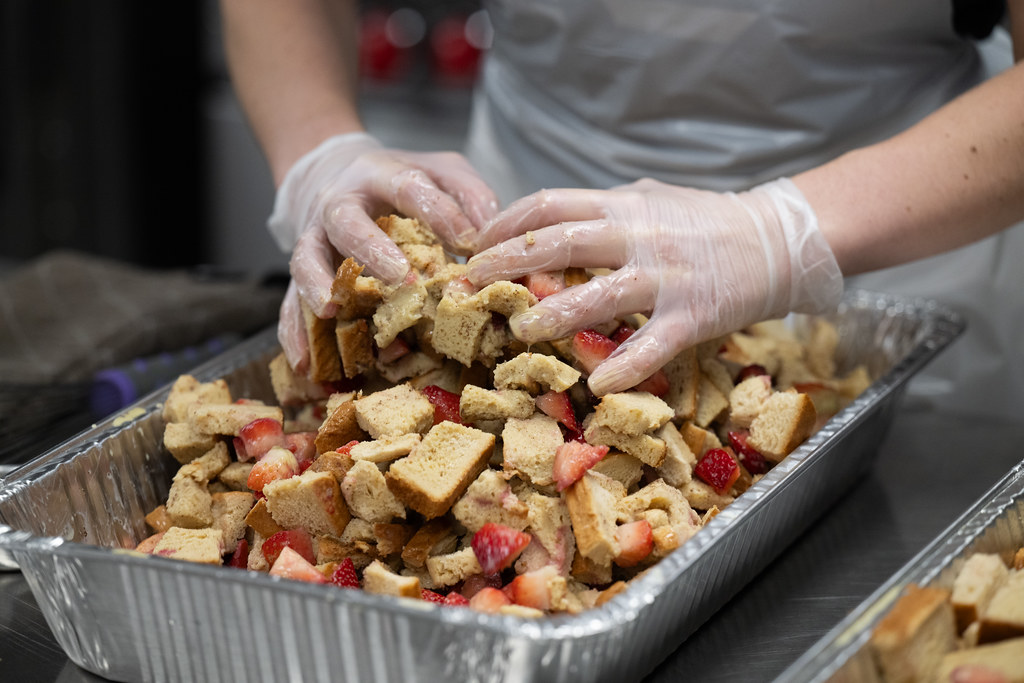
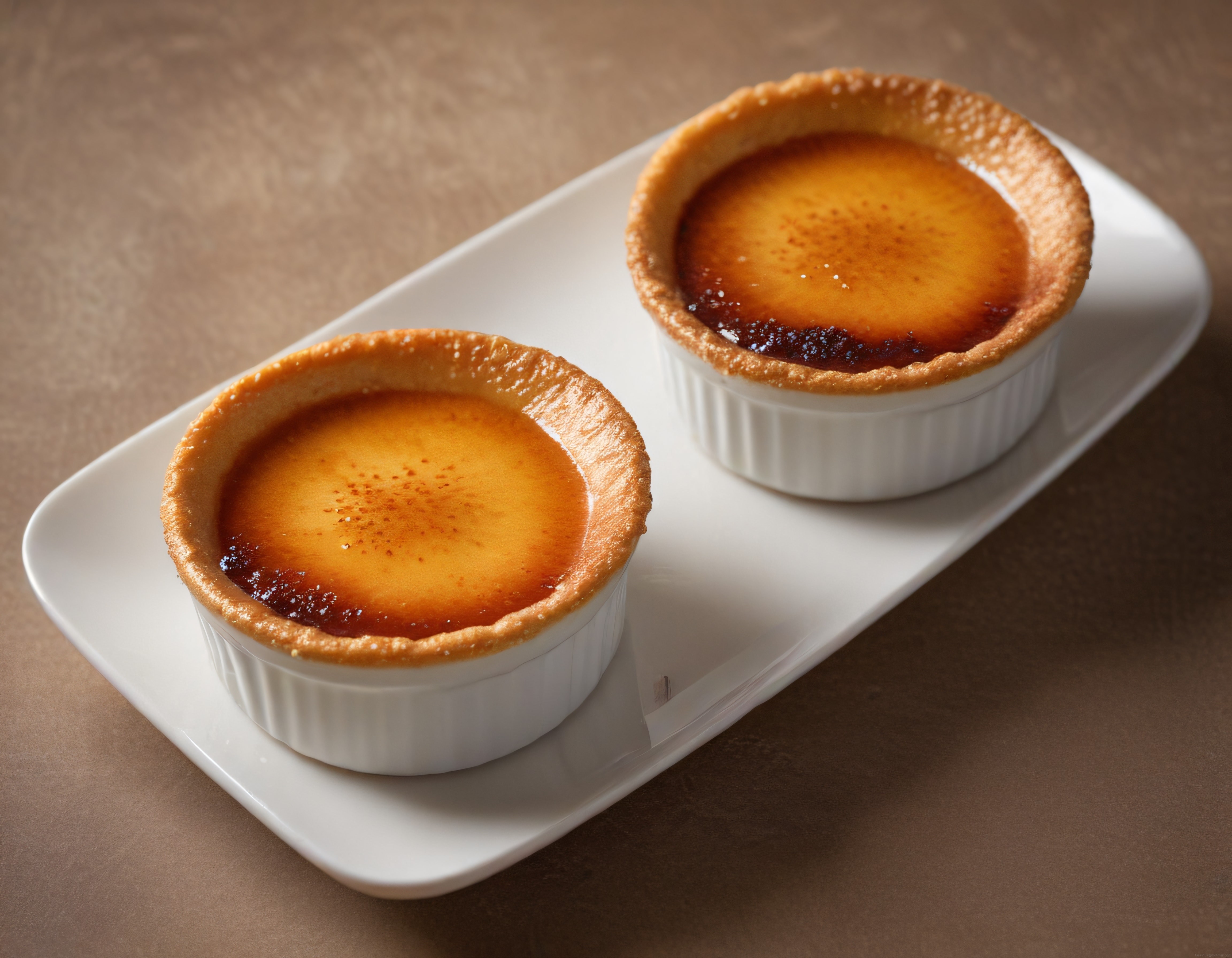
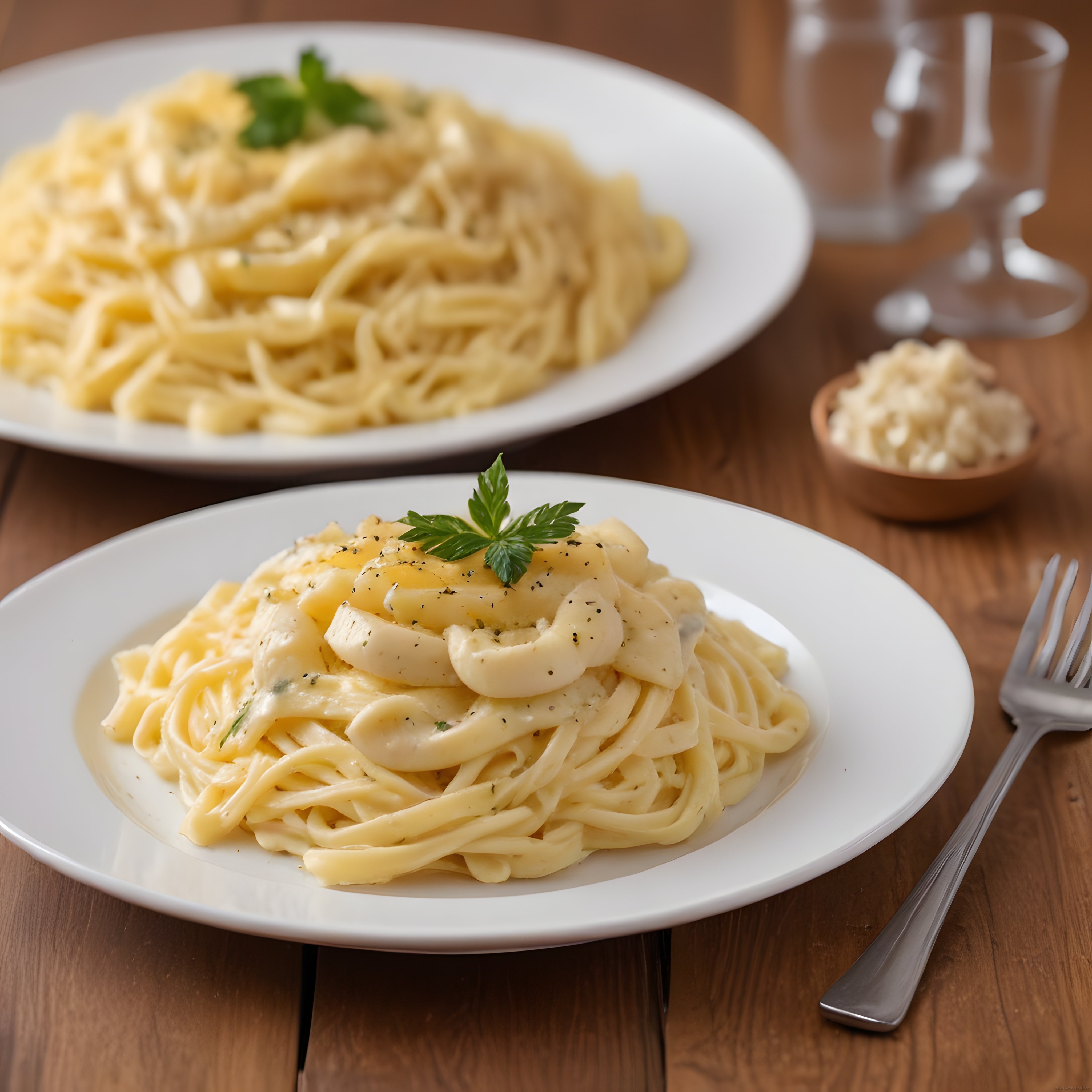
•isim: Herhangi bir yemekten bir kimseye verilen belirli miktar
Diğer Dillerde
Almancaportion (dişil) /pɔrˈtsjoːn/
portion, an allocated amount, (chiefly) a portion of food, a serving, helping · an amount (of some size)
çekim: çoğul Portionen · tamlayan Portionen
eş: Stück, Teil
köken: 16th century, from Latin portio.
aile: halbe Portion, portionieren, portionsweise
Zwei Bohnenpastesuppen,bitte. — 2 porsiyon lütfen.
share · portion, part, slice · proportion
çekim: çoğul parts
eş: partie
köken: From Old French part, from Latin partem, accusative of pars, from Proto-Italic *partis.
aile: à part, à part entière, autre part, avoir part, d'autre part, de la part de, de part en part, de part et d'autre, de toute part, de toutes parts
Deux soupes à la pâte d'haricot, s'il vous plaît. — 2 porsiyon lütfen.
une grande part
une grande part de tarte
pour ma part
İspanyolcaporción (dişil) /poɾˈθjon/
portion · part (fraction of a whole)
çekim: çoğul porciones
köken: From Latin portiōnem.
Rose, una ración grande, por favor. — Rose, büyük bir porsiyon lütfen.
İtalyancaporzione (dişil) /porˈt͡sjo.ne/
portion, share · helping (portion or serving, especially of food that one takes for oneself, or to which one helps oneself) · serving (portion (especially, of a meal) served to someone)
çekim: çoğul porzioni
eş: parte, pezzo, quota, percentuale, rata, settore
köken: From Latin portiōnem.
Due zuppe di pasta di fagioli per favore. — 2 porsiyon lütfen.
Rusçaпорция (dişil) /ˈport͡sɨjə/
portion
çekim: çoğul по́рции · tamlayan по́рции
köken: Probably borrowed from Polish porcja, from Latin portio. Compare Ukrainian по́рція (pórcija).
Два супа из бобовой пасты, пожалуйста. — 2 porsiyon lütfen.
Arapçaجُزْء
يمكنني أن أعطيكم نصف العرض أيضا — Yarı porsiyon da verebilirim.
Farsçaبَخش, جُزء
Azericepay
share · portion
çekim: çoğul paylar · tamlayan payın
köken: According to Nişanyan, from Persian پای (pây, “foot”), with the sense ”share” originating from the Persian expression borrowed into Old Anatolian Turkish بای برابر (pây-berâber, “equally, to the same proportion”, literally “equal foot”). The word is present in its modern sense in XIVth century Book of Dede Korkut. The non-Oghuz Turkic cognates, such as Kirgiz and Yakut пай (pay, “share”) are,…
aile: paylamaq, paylaşmaq
Felemenkçeportie (dişil) /ˈpɔr.si/
serving, helping · portion, part, amount
çekim: çoğul porties
köken: From Middle Dutch porcie, borrowed from Middle French portion, from Latin portiō.
aile: geef mijn portie maar aan Fikkie, portiegrootte, portioneren
Twee bonensaus soep alstublieft. — 2 porsiyon lütfen.
Portekizceporção (dişil) /poʁˈsɐ̃w̃/
portion, part · plate for sharing
çekim: çoğul porções
köken: From Latin portiōnem.
Rose, quero isso bem servido, por favor. — Rose, büyük bir porsiyon lütfen.
Yunancaμερίδα (dişil) /meˈɾiða/
portion, part (fraction of a whole) · portion, helping, share, ration (an allocated amount, usually in food contexts)
çekim: çoğul μερίδες · tamlayan μερίδας
eş: μέρος, κομμάτι
köken: From Ancient Greek μερίς (merís), from Ancient Greek μέρος (méros).
aile: μεριδούλα, μεριδίτσα, μερίδα του λέοντος
Ρόουζ, σε παρακαλώ βάλε μου μεγάλη μερίδα. — Rose, büyük bir porsiyon lütfen.
Μια μερίδα της κοινής γνώμης δε συμφωνεί με τον πρωθυπουργό.
Μια μερίδα τηγανητές πατάτες και μια κόκα κόλα, παρακαλώ.
Japonca部分 /bɯ̟bɯ̟̃ɴ/
part, section, segment, portion
140gのティラピアは — 250g Tilapia porsiyonu olarak sunulur.
「ハヤクイケエ!」のどの部分がわからないんだ?
portion; section; part
köken: Sino-Korean word from 部分, from 部 (“division”) + 分 (“portion”). Compare Japanese 部(ぶ)分(ぶん) (bubun) and Mandarin 部分 (bùfen).
이들은 더 큰 볼륨을 원했다. — Daha büyük porsiyonlar sunuyorlardı.
Lehçeporcja (dişil) /ˈpɔr.t͡sja/
portion, helping, serving
çekim: çoğul porcje · tamlayan porcji
eş: racja, działka
köken: Etymology tree Latin portiōlbor. Polish porcja Learned borrowing from Latin portiō.
W takim razie poprosimy dwie. — 2 porsiyon lütfen.
Ukraynacaпо́рція, части́на
Зустрічалися і більші будови. — Daha büyük porsiyonlar sunuyorlardı.
Hintçeहिस्सा (eril) /ɦɪs.sɑː/
part, share, piece · portion · a share of a company
çekim: çoğul हिस्से
köken: Borrowed from Arabic حِصَّة (ḥiṣṣa).
Finceannos, osa, osuus, perintöosa /ˈɑnːos/
portion (allocated amount) · serving (portion of food) · dose (measured portion of medicine)
çekim: çoğul annokset · tamlayan annoksen
köken: From Proto-Finnic *andos. Equivalent to antaa (“to give”) + -os.
aile: -annoksinen, annoksittain, annostaa, alkoholiannos, annosaika, annosjakelu, annoskateus, annosmalja, annosmittari, annosmäärä
Rose, anna valtava annos. — Rose, büyük bir porsiyon lütfen. Bunu yapamam.
part (of a whole)
çekim: çoğul části · tamlayan části
eş: díl, podíl, kus, součást, složka, komponenta
köken: Inherited from Old Czech čiest, čěst, from Proto-Slavic *čęstь.
aile: částečný, částice, částka, součást, součástka, účastnit
Sdružoval větší kibucy. — Daha büyük porsiyonlar sunuyorlardı.
z velké/valné části
Rumencebucată, cotă-parte, fragment, porție, porțiune (dişil) /buˈka.tə/
piece, bit, fragment, morsel · (type) of food
çekim: çoğul bucăți · tamlayan bucăți
eş: frântură
köken: Inherited from Vulgar Latin *buccata, from Latin bucca. Compare French bouchée, Italian boccata, Portuguese and Spanish bocado. Doublet of bușeu.
aile: bucătar, bucăți, bucățică
Doua ciorbe, te rog. — 2 porsiyon lütfen.
Macarcaadag /ˈɒdɒɡ/
portion, serving, helping (allocated amount) · dose (a measured portion of medicine taken at any one time)
çekim: çoğul adagok
köken: From ad (“to give”) + -ag (noun-forming suffix). Created during the Hungarian language reform, which took place in the 18th–19th centuries. First attested in 1824.
aile: adagol, adagos, adagú, alapadag, élelmiszeradag, fejadag, kenyéradag, kisadag, nagyadag, pótadag
Fél adagot is kérhetnek. — Yarı porsiyon da verebilirim.
Latinceportiō
Dancadel /ˈd̥eˀl/
part, portion · proportion · share, portion
çekim: çoğul dele · tamlayan dels
köken: From Middle Low German dēl, deil, from Old Saxon del. The word has replaced the native noun Old Danish deld, Old Norse deild, from Proto-Germanic *dailiþō.
En stor portion, Rose. — Rose, büyük bir porsiyon lütfen.
Norveççeporsjon
Vietnamcaphần /fən˨˩/
a part of something that may or may not be divided from a larger whole; a part, a portion, a ration, etc. · a season; a series · a prequel or a sequel
köken: Sino-Vietnamese word from 分 (“part; portion”), 份, from Middle Chinese 分 (bjunH), 份 (bjunH). The huyền tone here is rather problematic. The regular tone derivation pattern, based on the original Middle Chinese tone and onset consonant would be as follows: * 分 (bjunH, “portion”, 去聲 /去声 (qùshēng, “departing tone”), 全濁聲母 /全浊声母 (quánzhuó shēngmǔ, “voiced obstruent onset”)) > Vietnamese phận, Mandarin…
aile: bội phần, cổ phần, đa phần, phần cứng, phần đông, phần lớn, phần mềm, phần trăm, phần tử, thành phần
Cho hai súp đậu nhé. — 2 porsiyon lütfen.
phần lớn
phần chục
phần trăm
part, share
çekim: çoğul дя́лове
köken: Inherited from Proto-Slavic *dělъ.
aile: де́лен, дя́лов, отде́л, преде́л, разде́л, вододе́л, водоразде́л, деля́, дя́лам
Ядях прецизно премерени малки порции през целия ден. — Gün boyu küçük ve kontrollü porsiyonlarda yedim.
part
köken: Etymology tree Proto-Indo-European *kanˀd-der.? Proto-Balto-Slavic *kanˀsteider. Proto-Slavic *kǫsati Proto-Slavic *čęstь Slovak časť Inherited from Proto-Slavic *čęstь.
aile: častica, čiastočný
Omo, ako je možné, že si mu dal len polovičnú porciu? — Tanrım, neden ona sadece yarım porsiyon verdin?
Litvancadalis (dişil) /dɐˈlʲɪs/
part
çekim: çoğul dãlys · tamlayan daliẽs
köken: Ultimately from Proto-Indo-European *delh₁- (“to split, divide”). Cognate with Latvian dalis (“part, share”), as well as dalià (“fate”) and dalỹkas (“thing, matter”). Possibly related to dailyti (“to divide”) and thence to Proto-Slavic *dělъ (“part”) (from *děliti (“to divide”).
Tada nusausinamos ir užšaldomos. — Yapıldıktan sonra porsiyonlanıp dondurulabilir.
Letoncadaļa (dişil)
part (a certain amount or piece from a whole; not all, not everything) · part (each of the pieces resulting from the division of a whole) · part, fraction (one of the equal fractions that make up a whole)
çekim: çoğul daļas · tamlayan daļas
köken: From Proto-Balto-Slavic *dáljāˀ, from Proto-Indo-European *delh₁-. Derived from the same stem as the verb dalīt (“to divide, to split, to share”) (q.v.).
saule apspīd daļu istabas
lielākā daļa klausītāju
daļa patiesības
Etimoloji
Fransızca portion (fr)
Kelime Ailesi
Örnek Cümleler
2 porsiyon lütfen.
Two bean-paste soups please.
Yarım porsiyon olsun...
Half of half a serving...
İkinci porsiyon et içerir.
The second combination plate contains meat.
Küçük porsiyonların var mı?
Have you got small portions?
Yarı porsiyon da verebilirim.
You can also do half and half.
Bir porsiyon daha ister misin?
Would you like another helping?
O restorandaki porsiyonlar bol.
The portions at that restaurant are generous.
Lütfen ikinci bir porsiyon alın.
Please have a second helping.
Ben bir porsiyon alabilir miyim?
May I have a second helping?
Bu restoranda porsiyonlar boldur.
The portions at this restaurant are generous.
Tom küçük porsiyon bir pasta aldı.
Tom got a small portion of pie.
O, ikinci bir porsiyon çorba içti.
He had a second helping of soup.
İlgili Sorular
Her McDonalds mağazasında bir günde kaç porsiyon patates kızartması satılıyor?
Günde kaç porsiyon kahvaltılık gevrek yiyebilirim? En uygun süt türü hangisidir?
Vücut geliştirme amaçlı en faydalı protein shake hangisidir, ayrıca günlük alım miktarı kaç porsiyon olmalı?
Vücut geliştirme için gerçekten işe yarayan en iyi protein shake nedir? Gün içinde kaç porsiyon tüketmeliyim?
Demir açısından zengin vejetaryen yiyeceklerin porsiyon başına mg miktarlarını ve farklı kaynaklarını gösteren bir besin çizelgesi sağlayabilir misiniz?
Birleşik Kelimeler
yarım porsiyon