Sözlük
/pembe
pembe
"pembe" kelimesinin İngilizcesi: pink, pink, carnation, pink, pink. Anlamı, çevirisi, telaffuzu ve örnek cümleler aşağıdadır.
Çeviri
Genelpinknoun
Genelpinkadj
Genelcarnation
Genelpink
Genelpink
Genelpink
Görsel


Çekim Tablosu
Belirtme (-i)pembeyi
Çoğul (-ler)pembeler
Tanım
•isim: Kırmızı ve beyazın karışımından ortaya çıkan renk
•sıfat: Bu renkte olan
Diğer Dillerde
Almancarosa /ˈʁoːza/
coloured in a pale shade of pink
çekim: karşılaştırma rosaner · üstünlük am rosansten
eş: rosafarben, rosafarbig
köken: From Latin rosa.
Sondern Rosa. — Bu pembedir.
FransızcaRose (dişil) /ʁoz/
rose (flower) · rose window · rose
çekim: çoğul roses
köken: Inherited from Middle French rose, from Old French rose, borrowed from Latin rosa (the expected form if it was inherited would be *reuse).
aile: eau de rose, envoyer sur les roses, feuille de rose, pot aux roses, rose bonbon, rose de bois, rose des bois, rose des vents, rose d'Inde, rose trémière
rose claircolor — Açık Pembecolor
carnation (plant) · carnation (flower)
çekim: çoğul claveles
köken: Borrowed from Catalan clavell, related to clau (“key”).
aile: clavel de moro, clavel del campo, clavel lanudo
Rosa decorativo — Dekoratif Pembe
İtalyancarosa (dişil) /ˈrɔ.za/
rose · shortlist · team members
çekim: çoğul rose
eş: incarnato, rosato, roseo, rosone, rosetta, gruppo
köken: From Latin rosa.
Questo si traduce in rosa. — Bu pembedir.
Декоративная: розовая — Dekoratif Pembe
هذه وردى,وهذه وردى — Bu pembe ve bu.
pink · facial
köken: Etymology tree Arabic صُورَة (ṣūra)bor. Classical Persian صُورَت (sūrat) Proto-Indo-European *-kos Proto-Indo-Iranian *-kas Old Persian -𐎡𐎣 (-i-k) Middle Persian -yk' (/-īg/) Arabic ـِيّ (-iyy)influ. Classical Persian ـِی (-ī) Persian صورتی From صورت (sūrat /surat, “face”) + ـی (-ī /-i, suffix forming adjectives), because the complexion of skin gives off a pink undertone.
pink
çekim: karşılaştırma daha çəhrayı · üstünlük ən çəhrayı
köken: Borrowed from Persian چهرهای (čehre-'i, literally “facial”), from چهره (čehre, “face”), because the completion of skin gives off pink undertones. Compare Southern Azerbaijani صؤرتی (sürəti), from Persian صورت (surat, “face”). By surface analysis, çöhrə + -i.
Kazakçaқалампыр /qɑɫɑmˈpɯr/
Dianthus
çekim: çoğul қалампырлар · tamlayan қалампырдың
köken: From Arabic قَرَنْفُل (qaranful).
Özbekçepushti rang
Felemenkçeanjelier, anjer, carnatie, genoffel, rooskleurig, roze (dişil) /ˌɑn.jəˈliːr/
carnation (plant of genus Dianthus)
çekim: çoğul anjelieren
köken: Attested since the early 16th century. Possibly derived from Angera (earlier Anghiera; Latin: Angleria), a town at Lago Maggiore.
aile: anjer, zeeanjelier
Lichtrozecolor — Açık Pembecolor
Portekizcecor-de-rosa, cravina, cravo /ˌkoʁ.d͡ʒiˈʁɔ.zɐ/
pink
köken: Literally, “color of rose”.
aile: imprensa rosa
Rosa Clarocolor — Açık Pembecolor
carnation, clove pink (Dianthus caryophyllus)
köken: Borrowed from English carnation. First attested in roughly 1905.
ピンク — Dekoratif Pembe
Korece분홍색 /ˈpu(ː)nβo̞ŋsʰɛk̚/
pink (color)
köken: Sino-Korean word from 粉紅色, from 粉紅 (“pink”) + 色 (“color”)
분홍색이 되죠 — Bu pembedir.
light red
köken: ljus (“light”) + röd (“red”)
Ljusrosacolor — Açık Pembecolor
carnation, pink (any plant of the genus Dianthus) · carnation, pink (flower) · clove (very pungent aromatic spice, the unexpanded flower bud of the clove tree)
çekim: çoğul goździki · tamlayan goździka
köken: Etymology tree Polish góźdź Proto-Indo-European *-eykos Proto-Balto-Slavic *-eikas Proto-Slavic *-ikъ Old Polish -ik Polish -ik Polish goździk From góźdź + -ik.
aile: goździkowaty, goździkowiec, goździkówka
Tylko jest różowy. — Bu pembedir.
Ukraynacaгвоздика, роже́вий (dişil) /ɦwɔzˈdɪkɐ/
carnation, dianthus · cloves (spice)
çekim: çoğul гвозди́ки · tamlayan гвозди́ки
köken: Borrowed from Polish goździk, or Polish gwoździk. Parsable as Russian гвоздь (gvozdʹ) + -ика (-yka).
Пантера рожева. — Panter pembe.
Hintçeगुलाबी /ɡʊ.lɑː.biː/
pink
köken: Etymology tree Proto-Iranian *wardah Old Persian *vr̥dah Middle Persian gwl (gul) Classical Persian گُل (gul) Proto-Indo-European *h₂ep-der. Proto-Indo-Iranian *Hā́ps Proto-Iranian *Hā́fš Old Persian 𐎠𐎱𐎡𐎹𐎠 (a-p-i-y-a) Middle Persian ʾp̄ Classical Persian آب (āb) Classical Persian گُلَاب (gulāb) Proto-Indo-European *-kos Proto-Indo-Iranian *-kas Old Persian -𐎡𐎣 (-i-k) Middle Persian -yk' (/-īg/)…
Finceheleänpunainen, neilikanpunainen, neilikka, pinkki, roosa, tarhaneilikka /ˈheleænˌpunɑi̯nen/
bright red
çekim: çoğul heleänpunaiset · tamlayan heleänpunaisen
köken: heleän (genitive) + punainen
Vaalea pinkkicolor — Açık Pembecolor
Çekçerůžová barva, růžový /ˈruːʒoviː/
pink, rose-coloured · rosy, pleasant, optimistic
köken: From růže + -ový.
Výsledná barva nebude červená. — Bu pembedir.
mít růžové představy
Situace není růžová.
To není tak růžové jako...
Rumencegaroafă, roz, trandafiriu (dişil) /ɡaˈro̯a.fə/
pink, carnation (Dianthus caryophyllus)
çekim: çoğul garoafe · tamlayan garoafe
köken: Borrowed from Greek γαρύφαλλο (garýfallo).
Roz Deschiscolor — Açık Pembecolor
Macarcakopog, rózsaszín, rózsaszínű, szegfű /ˈkopoɡ/
to knock (on or at something -n/-on/-en/-ön) · to tap, knock, hammer · to patter, rattle (on something -n/-on/-en/-ön)
çekim: geçmiş kopogtak
köken: From the same sound-imitative root as koppant (“to rap, to strike a quick, light blow”), kopácsol (“to hammer”), koppan (“to thud”) + -og (frequentative verb-forming suffix).
aile: kopogás, kopp, átkopog, bekopog, kikopog, lekopog
halvány rózsaszíncolor — Açık Pembecolor
Valaki kopog az ajtón!
Kopog a szemem az éhségtől! (idiomatic)
A harkály kopog a fán.
İbraniceוָרֹד, ורוד, צִפֹּרֶן
pink
köken: See Arabic وَرْد (ward, “rose”)
aile: וְרַדְרַד
וורוד מעוצב — Dekoratif Pembe
Latinceroseus /ˈrɔ.se.ʊs/
pink, rose-colored, rosy · rose, of or pertaining to roses · any thing blooming with youth; rosy, ruddy, blooming
köken: Etymology tree Proto-Iranian *wardahder.? Ancient Greek ῥόδον (rhódon)bor.? Latin rosa Latin -eus Latin roseus From rosa + -eus.
aile: roseātus
… roseōque haec īnsuper addidit ōre: ….
roseae convallēs
pink (colored/coloured between red and white)
köken: From lys + -e- + rød.
aile: babylyserød
Lysepinkcolor — Açık Pembecolor
pink · rose
çekim: karşılaştırma lebih merah jambu · üstünlük paling merah jambu
köken: Compound of merah (“red”) + jambu (“rose apple”), inherited from Malay merah jambu.
"Lihat perut mereka, merah muda. — "Göbeklerine bak, pembe.
Etimoloji
(Bu girdinin köken kısmı şimdilik eksiktir. Lütfen eklenmesine yardımcı olun ve sonrasında {{kökenisteniyor}} şablonunu kaldırın.)
Örnek Cümleler
Tavuk pembe.
The chicken is pink.
Panter pembe.
The panther is pink.
Gül pembedir.
The rose is pink.
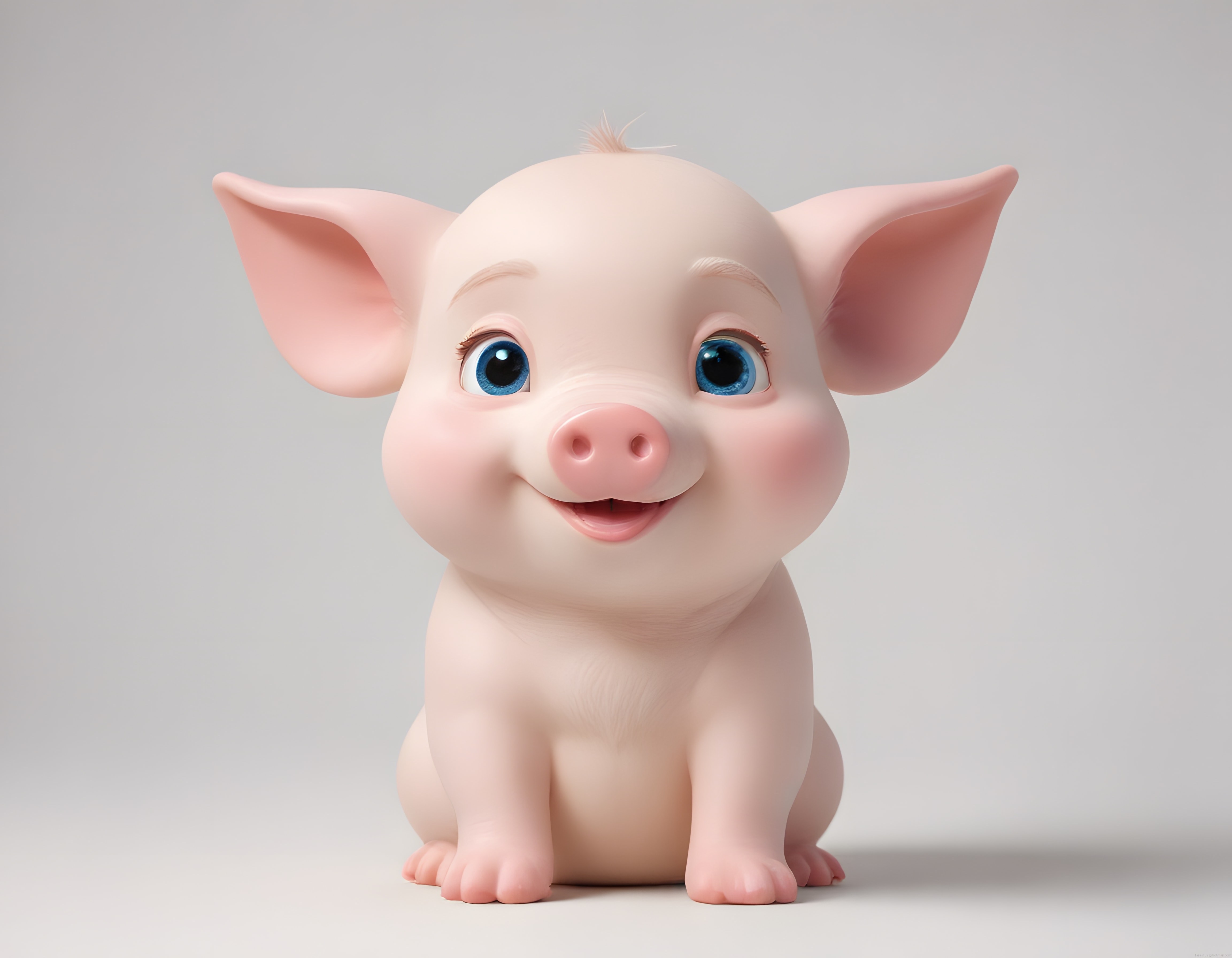
Domuz pembedir.
The pig is pink.
Defterim pembe.
My notebook is pink.
Kitap pembedir.
The book is pink.
Bu pembe ve bu.
This one is pink and this is pink.
Kısa etek pembe.
The small skirt is pink.
Panter pembedir.
The panther is pink.
O pembe giymişti.
He is in the pink.
Neşeli bir pembe.
A cheerful pink.
Hangi gömlek pembe?
What shirt is pink?
İlgili Sorular
Bu iki soruya yardımcı olabilir misiniz? Bir bitki ıslahı çalışmasında kırmızı çiçekli bir bitki ile beyaz çiçekli bir bitki çaprazlanarak tüm pembe çiçekli (F1 nesli) elde edildi. Kendine tozlaşma sonucu F2 neslinde 148 kırmızı, 300 pembe ve 154 beyaz çiçekli bitki ortaya çıktı. Soru 1: F2 neslinde kırmızı:pembe:beyaz oranı yaklaşık olarak hangi seçenektir? a) 1:1:1 b) 1:2:1 c) 1:3:1 d) 1:4:2. Soru 2: Pembe F1 bitkilerinden biri beyaz çiçekli ebeveyniyle çaprazlandığında beklenen nesil nasıl olur?
İngiliz futbol takımlarından hangisi, pembe 3. forma seçeneğiyle taraftarlarını şaşırttı?
1994'te üretildiği söylenen mavi, pembe, mavi-yeşil, pembe, nane yeşili, sarı, mavi, mor ve yeşil renklerdeki eski Rain Mac cihazlarını hatırlayan var mı? Şu anda bulunabilir mi?
Bir bitki ıslah çalışmasında, kırmızı çiçekli bir bitki ile beyaz çiçekli bir bitki çaprazlanarak tüm pembe çiçekli F1 nesli elde edildi. F2 neslinde 148 kırmızı, 300 pembe ve 154 beyaz çiçekli bitki gözlemlendi. Soru 1: F2’deki kırmızı:pembe:beyaz oranı en çok hangi seçeneğe yakındır? a) 1:1:1 b) 1:2:1 c) 1:3:1 d) 1:4:2. Soru 2: Pembe F1 bitkisi beyaz çiçekli ebeveyniyle çiftleştirildiğinde beklenen sonuç nedir?
90'lı yılların başında piyasaya sürülen mavi, pembe, mavi‑yeşil, nane yeşili, sarı, mor ve yeşil renkli Rain Mac modellerini hatırlayan birileri var mı? Bugün hâlâ temin edilebilir mi?
İlgili / Bileşik Terimler
Genelpinkeye
Genelsoap opera
Genelsoap opera
Genelmajor mitchell's cockatoo
Genelroseate spoonbill
Birleşik Kelimeler
pembe dizipembegemrepembekurtpembe pasaportpembe yakalıaçık pembekoyu pembetozpembeÇingene pembesişafak pembesişeker pembesi