Sözlük
/meni
meni
"meni" kelimesinin İngilizcesi: semen, seed, semen, semen, semen. Anlamı, çevirisi, telaffuzu ve örnek cümleler aşağıdadır.
Çeviri
Genelsemennoun
Genelseed
Genelsemen
Genelsemen
Genelsemen
Görsel
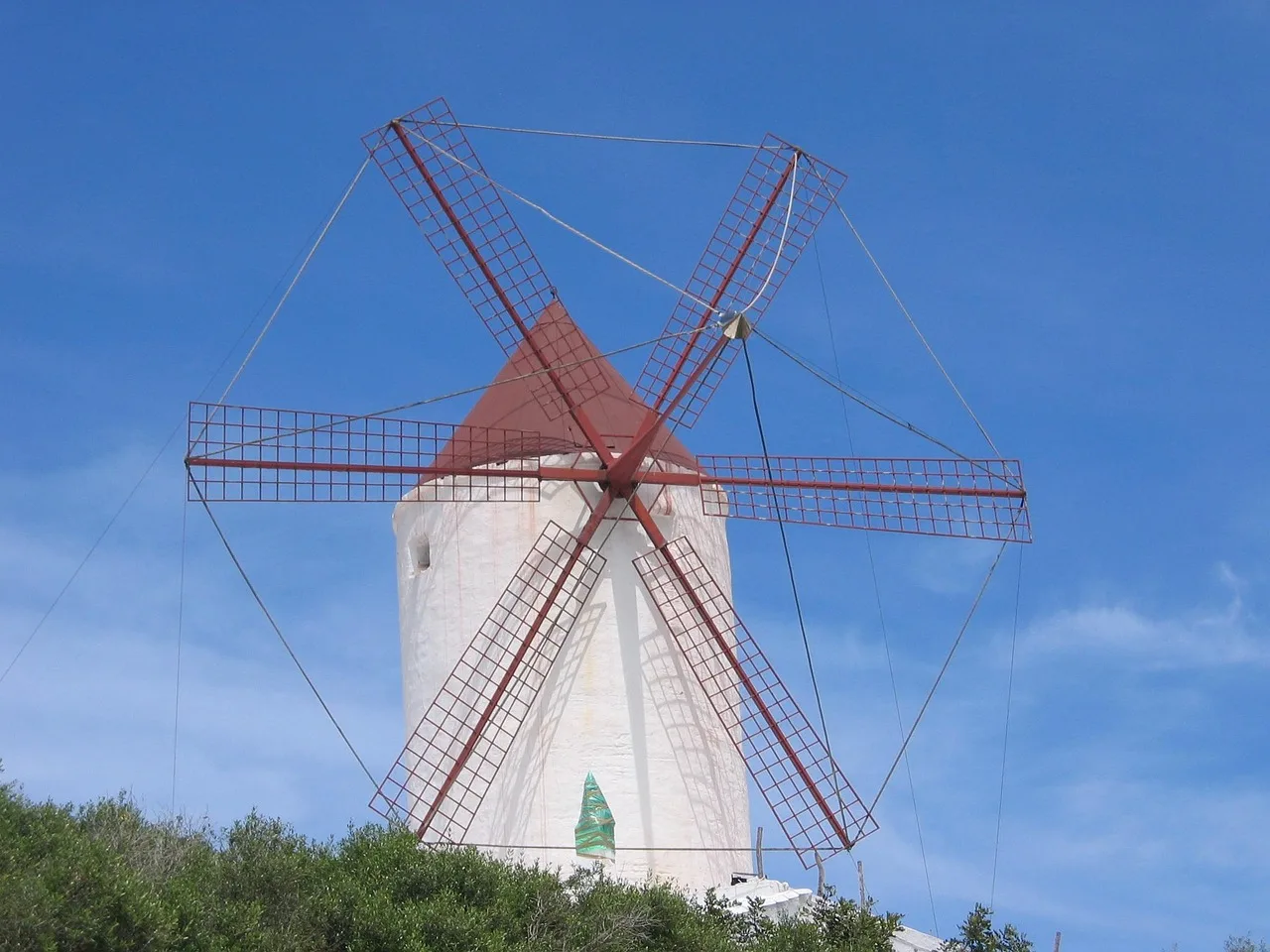
Çekim Tablosu
Belirtme (-i)meniyi
Yönelme (-e)meniye
Bulunma (-de)menide
Çıkma (-den)meniden
Tamlayan (-in)meninin
Çoğul (-ler)meniler
Tanım
•isim, fizyoloji: Erkeklerin cinsel organından salgılanan madde; er suyu, bel (III), atmık, dikel, sperm, sperma
Atasözü & Deyim
“Tatlı tatlı yemenin acı acı geğirmesi olur”
“Tayfanın akıllısı, geminin dümeninden uzak durur”
Diğer Dillerde
sowing
çekim: çoğul Aussaaten · tamlayan Aussaaten
eş: Ansaat, Einsaat, Saat, Pflanzgut, Saatgut
köken: aus- + Saat
152 Schauplätze. — 152 Tümeni Nr.
Fransızcaapparier, classer, départager, ensemencer, graine, postérité /a.pa.ʁje/
to pair or match · to couple or mate
çekim: geçmiş apparié · ortaç apparié · şimdiki apparie · ulaç appariant
aile: appariable
Hotărâre nr. — Tümeni Nr.
İspanyolcasembrar, semen, semilla, simiente /semˈbɾaɾ/
to plant (place a seed or plant in soil or other substrate in order that it may live and grow) · to sow, to seed
çekim: geçmiş sembré · ortaç sembrado · şimdiki siembra
köken: Inherited from Latin sēmināre. Compare English seminate.
aile: cosechar lo que se siembra, sembrador, sembradura
Soy armenio. — Ben Ermeniyim.
İtalyancaclassificare, seme, seminare /klas.si.fiˈka.re/
to classify
çekim: geçmiş classificàto · ortaç classificàto · şimdiki classìfica · ulaç classificànte
eş: catalogare, elencare, etichettare, ordinare, raggruppare, suddividere
köken: From classe (“class”) + -ficare.
Rusçaсперма, семя
fragrant herb; medicinal herb
çekim: çoğul اسپرمها
köken: From Middle Persian [Book Pahlavi needed] (splhm /sprahm/, “flower, fragrant herb”), from Proto-Iranian *spr̥Hgmáh (“flower”).
aile: شاه اسپرم, شاهسپرم
Azericetoxum, toxumlar /toˈχum/
seed · semen, sperm · family, birth, origin, stock
çekim: çoğul toxumlar · tamlayan toxumun
köken: From Persian تخم (toxm).
toxum qoymaq
foetus, embryo · offspring, descendant, posterity, progeny · egg (of birds)
çekim: çoğul ұрықтар · tamlayan ұрықтың
eş: тұқым
köken: From Proto-Turkic *urug (“seed, child, girl”). Doublet of ру (ru).
Felemenkçezaad (nötr) /zaːt/
plant seed, either natural or for agri- or horticultural use · sperm, semen · a figurative seed, germ, modest start
çekim: çoğul zaden
köken: From Middle Dutch saet, from Old Dutch *sāt, from Proto-West Germanic *sād, from Proto-Germanic *sēdiz. Equivalent to zaaien (“to sow”) + -d (“verbal noun”). Compare Low German Saad, German Saat, West Frisian sied, English seed, Danish sæd.
aile: bedektzadig, castorzaan, koolzaad, lijnzaad, lui zaad, maanzaad, mosterdzaad, naaktzadig, op zwart zaad zitten, plantenzaad
embryo (all senses) · germ · origin, beginning
çekim: çoğul embriões
köken: Borrowed from Medieval Latin embryon, from Ancient Greek ἔμβρυον (émbruon, “fetus”), from ἐν (en, “in-”) + βρύω (brúō, “to grow, to swell”).
seed, the seed of plants. · human or animal seed, semen, sperm · the origin, the source, the germ, a primeval element
çekim: çoğul σπέρματα · tamlayan σπέρματος
eş: γόνος, κουκούτσι
köken: Inherited from Ancient Greek σπέρμα (spérma, “seed, semen”).
semen (a bodily secretion produced in the male reproductive organs that contains sperm)
köken: Borrowed from German Samen.
Korece정액 /t͡ɕʌ̹ŋɛk̚/
semen; sperm (a bodily fluid) · extract; essence
eş: 씨물, 정자
köken: Sino-Korean word from 精液 (“semen”).
İsveççefrö, säd, sädesvätska, sagge, seeda, seedning (nötr) /frøː/
a seed · a grain · a seed (origin)
çekim: çoğul frön · tamlayan frös
köken: From Old Swedish frø, (Compare Old Danish frø), from Old Norse fræ (Compare Icelandic fræ, Faroese fræ, Norwegian Bokmål frø), from Proto-Germanic *fraiwą, from Proto-Indo-European *(s)per-, *(s)prey-.
aile: anisfrö, blomsterfrö, bomullsfrö, busfrö, fröa, fröbar, fröbarhet, fröfäste, fröförädling, frögömme
Lehçenasienie, nasionko, nasiono, siać (nötr) /naˈɕɛ.ɲɛ/
seed · semen · posterity
çekim: tamlayan nasienia
eş: sperma, ejakulat, u ryb i mięczaków: mlecz, nasiono
köken: Etymology tree Proto-Slavic *nasěnьje Polish nasienie Inherited from Proto-Slavic *nasěnьje.
aile: beznasienny, nasienny, nasieniowód
grain (collectively) · seed · small dot, point
çekim: çoğul दाने
köken: Borrowed from Classical Persian دانه (dāna). Compare Bengali দানা (dana), Nepali दाना (dānā), Punjabi ਦਾਣਾ (dāṇā).
start, beginning, inception, incipience · first, prime, primeval, primordial, proto-, ur-, initial
çekim: çoğul alut · tamlayan alun
köken: From Proto-Finnic *alku, equivalent to alkaa (“to begin”) + -u.
aile: alkuaan, -alkuinen, alkuisin, alkujaan, alkuun, alkuunkaan, aluke, alumpana, alun perin, alkuaika
alulla oleva hanke
elämän alkumuodot
alkueläin
ejaculate
çekim: çoğul ejakuláty · tamlayan ejakulátu
eş: sperma, semeno, chám, mrdka
seed
çekim: çoğul semințe · tamlayan semințe
köken: Inherited from Late Latin sementia, plural of sementium, neuter form derived from Latin sēmentis, itself derived from sēmen (“seed”). Among certain rural areas the singular is used for both single and plural. Compare Aromanian simintsã, Italian semenza, French semence, Portuguese semente, Spanish semencera.
aile: semincer, sămânțos
seed, pip, stone, pit, core (the central part of fruits) · kernel, core, nucleus (the most important part of a thing or aggregate of things wherever located and whether of any determinate location at all; the essence) · ellipsis of processzormag (“core”, an individual computer processor)
çekim: çoğul magok
köken: Probably from Proto-Finno-Ugric *moŋke (“body”). Cognates include Komi-Zyrian мыг (myg, “waist of women's clothing”), мыгӧр (mygör, “body, silhouette, torso”) and Eastern Mari могыр (mogyr, “body, figure”).
aile: maga, magocska, magos, magoz, magtalan, magvas, magzat, magfizika, magfúzió, maghasadás
to seed, to sow · to spread, to disseminate
çekim: geçmiş זָרַעְתָּ
köken: From Proto-Semitic *zarʕ- (“seed”). Cognate with Akkadian 𒆰 (zērum, “seed”), Arabic زَرَعَ (zaraʕa, “to sow”), زَرْع (zarʕ, “seed”), and Aramaic זְרַע (zəraʿ, “to sow”), זַרְעָא (zarʿā, “seed”).
הַזֹּרְעִים בְּדִמְעָה בְּרִנָּה יִקְצֹרוּ׃
Latincesēmen
Etimoloji
Arapça
Eş & Zıt Anlamlılar
Örnek Cümleler
Eğlenmenize bakın.
Have fun.
Öğretmenin kimdir?
Who is your teacher?
Gelmenize memnunuz.
We are glad you are coming.
Gitmenizi istiyorum.
I'd like for you to go.
Gitmenize gerek yok.
You don't need to go.
Beklemeniz gerekecek.
You'll have to wait.
O bizim öğretmenimiz.
She's our teacher.
Gelememeniz çok üzücü.
It's a pity that you couldn't come.
Ben gitmeni istiyorum.
I want you to go.
Doktora gitmeniz gerek.
It is necessary that you see a doctor.
Öğrenmenin yaşı yoktur.
You're never too old to learn.
Betty bir dans öğretmeni.
Betty is a dancing teacher.
İlgili Sorular
Meningokok aşısı yalnızca ağrı için mi verilir? Meningitten başka hastalıklara karşı etkisi var mı?
Vertigo ve Menier atakları için kullandığım yamanın dağıtımı neden kesildi?
CVS'de satılan Menier hastalığı yamasına ulaşamıyorum, bunun sebebi ne?
Meningokok aşısı sadece ağrı için mi uygulanır? Meningit dışındaki başka kullanım alanları var mı?
Ağrı için verilen meningokok aşısının meningit dışındaki faydaları nelerdir?