Sözlük
/hurma
hurma
/huɾˈma/
noun
TR → EN
"hurma" kelimesinin İngilizcesi: date, persimmon, persimmon, date, date. Anlamı, çevirisi, telaffuzu ve örnek cümleler aşağıdadır.
Çeviri
Geneldatenoun
Genelpersimmon
Genelpersimmon
Geneldate
Geneldate
Genelpersimmon
Geneldate palm
Geneldate palm
Görsel
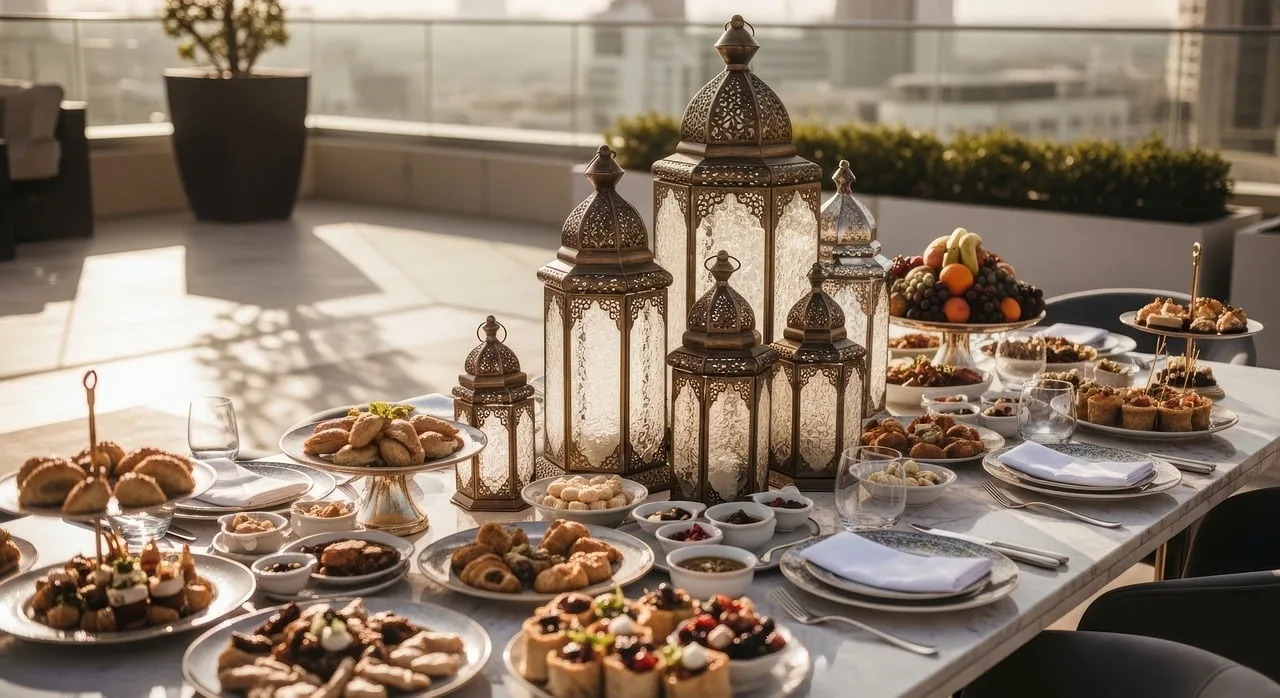
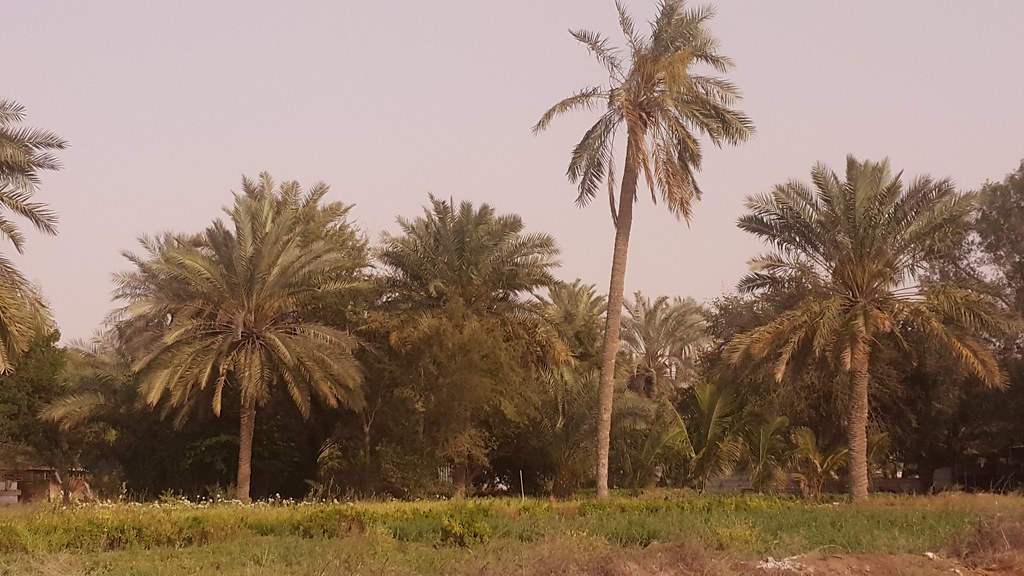
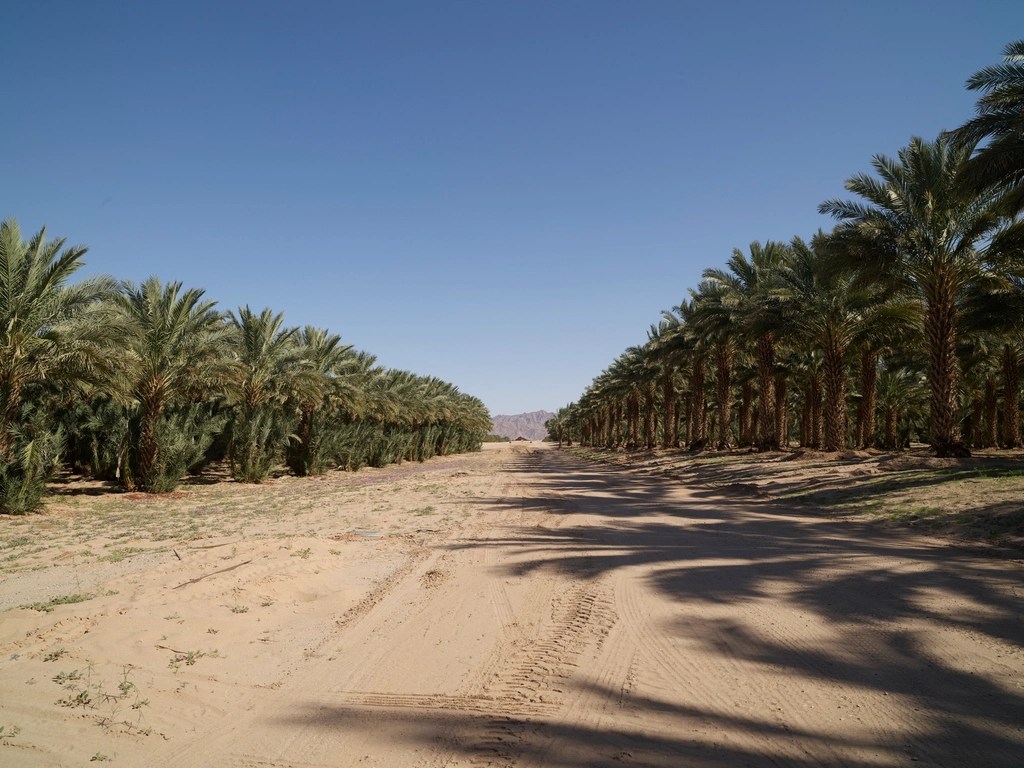

Çekim Tablosu
Belirtme (-i)hurmayı
Yönelme (-e)hurmaya
Bulunma (-de)hurmada
Çıkma (-den)hurmadan
Tamlayan (-in)hurmanın
Çoğul (-ler)hurmalar
Tanım
•isim: hurma ağacı
•Bu ağacın tatlı meyvesi
Diğer Dillerde
Almancadattel (dişil) /ˈdatl̩/
date (fruit; tree)
çekim: çoğul Datteln · tamlayan Datteln
köken: From Middle High German datel, from older Italian dattilo, from Latin dactylus, from Ancient Greek δάκτυλος (dáktulos, literally “finger”), a folk-etymological alteration of a Semitic word; compare Hebrew דֶּקֶל (deqel).
"Einen heißen Toddy!" — Bir tane sıcak hurma suyu!
date (fruit)
çekim: çoğul dattes
köken: From Old French date. Doublet of dactyle.
Le kaki mûr a dit : "Je suis timide. — Hurma dedi ki... ...çok utanıyorum.
İspanyolcaandar con, caqui, cita, citar, compañera, compañero (eril) /ˈkaki/
persimmon (fruit) · persimmon (tree)
çekim: çoğul caquis
köken: Borrowed from Japanese 柿 (kaki).
Un ponche caliente! No entrarás ahi! — Bir tane sıcak hurma suyu!
İtalyancaaccompagnatore, appuntamento, cachi, caco, cavaliere, datare (eril) /ak.kom.paɲ.ɲaˈto.re/
companion, escort, chaperone · accompanist · manager (of a sports team)
çekim: çoğul accompagnatori
eş: compagno, amico, amichetto, boyfriend, corteggiatore, fidanzato
köken: From accompagnare + -tore.
Un punch caldo! — Bir tane sıcak hurma suyu!
Rusçaфиник (плод), хурма (плод)
Текущий статус сохранности: удовлетворительный. — Hot Date: Hurmadır.
unripe or fresh dates (fruit of the date palm)
çekim: tamlayan بَلَحٍ
köken: A variant of فَحْل (faḥl, “stallion”); for the voicing change particular to Arabic compare بُرْغُوث (burḡūṯ). The term is also attested as a borrowing in Coptic ⲃⲉⲗϩⲱⲗ (belhōl), ⲃⲉϩⲱⲗ (behōl, “date-palm”). Additionally, compare possibly Soqotri حباله (ḥəbéľe, “tamarind”), which may be related through metathesis.
aile: بَلَح الْبَحْر
يســـري بيــــن أشجـار النخـيـل — Hurma ağaçlarına doğru ilerliyoruz
history · date · era, epoch
köken: Borrowed from Arabic تَارِيخ (tārīḵ).
aile: تاریخی, تاریخچه
history · date
çekim: çoğul tarixlər · tamlayan tarixin
köken: From Arabic تَارِيخ (tārīḵ).
aile: tarixi, tarixçi, tarixən
incəsənət tarixi
Roma imperiyasının tarixi
weather
çekim: çoğul күндер · tamlayan күннің
köken: Inherited from Kipchak کون (kūn /kün/, “the sun; a day”), from Proto-Common Turkic *kün (“the sun; a day”), from Proto-Turkic *kün (“the sun; a day”).
Балам, қалай, бүгін күн суық па, жылы ма?
Özbekçechislo, sana, xurmo
year, date
çekim: çoğul sanalar · tamlayan sananing
köken: Borrowed from Arabic سَنَة (sana, “year”).
Tatarcaхөрмә
Felemenkçeafspraak, afspraakje, dadel, dateren, dateren uit, dateren van (eril) /ˈɑfˌspraːk/
arrangement, agreement, understanding · appointment, date
çekim: çoğul afspraken
köken: Deverbal from afspreken. Equivalent to af + spraak.
aile: doktersafspraak
We kochten de dadel en gingen naar huis. — Ve hurmayı alırdık, ve eve gelirdik.
We hebben een afspraak gemaakt over de verdeling van de taken.
Het is belangrijk om duidelijke afspraken te maken in een samenwerking.
We hebben een goede afspraak over de leveringstermijn van de goederen.
Portekizcetâmara (dişil) /ˈtɐ̃.ma.ɾɐ/
date (fruit of the date palm)
çekim: çoğul tâmaras
eş: datil
köken: Inherited from Old Galician-Portuguese tamara, from Arabic تَمْرَة (tamra).
aile: tamaral, tamareira, tamarês
Então comprávamos as tâmaras e íamos para casa. — Ve hurmayı alırdık, ve eve gelirdik.
Yunancaημερομηνία, λωτός, συνάντηση, χουρμάς (dişil) /i.me.ro.miˈni.a/
date (a specific day)
çekim: çoğul ημερομηνίες · tamlayan ημερομηνίας
köken: Since 1833 as ἡμερομηνία (imerominía) at the Greek codices From ημερο- (imero-) (< Ancient Greek ἡμέρᾱ (hēmérā, “day”) + μήν(ας) (mín(as)) (< μήν (mḗn, “month”)) + -ία (-ía), possibly modeled after the ancient νουμηνία (noumēnía).
aile: ημερομηνιακός
Ο λωτός μίλησε. Είμαι ντροπαλή, έτσι... — Hurma dedi ki... ...çok utanıyorum.
date (fruit)
köken: Borrowed from English dates.
日付不詳:肥後守。 — Hot Date: Hurmadır.
date; day · time · one's life; days in one's life
eş: 日子兒, 日期兒, 日子兒, 日月, 日期, 日腳
aile: 出頭日子, 出头日子, 大喜的日子, 大紅日子, 大红日子, 大長日子, 大长日子, 太平日子, 好日子, 小日子
番外篇BONUS TRACKS — Trabzon hurması ^ Faydaları
今天是一個值得紀念的日子。
今天是一个值得纪念的日子。
過些日子我們再見。
Korece대추야자 /tɛt͡ɕʰuja̠d͡ʑa̠/
date, date palm
köken: 대추 (daechu) + 야자(椰子) (yaja).
그리고 우리는 그 대추야자 열매를 사서 집으로 돌아왔습니다. — Ve hurmayı alırdık, ve eve gelirdik.
to age (become older or like someone or something older)
çekim: geçmiş åldrades · ortaç åldrad · ulaç åldrandes
Och så köpte vi dadlarna och åkte hem. — Ve hurmayı alırdık, ve eve gelirdik.
Hon har åldrats mycket av sjukdomen
Sjukdomen får mig att åldras
Lehçechodzić (z), daktyl, datować, hebanowiec, hurma, osoba towarzysząca (eril) /ˈdak.tɘl/
date (fruit of the date palm) · dactyl (metrical foot of three syllables (— ⏑ ⏑), one long followed by two short, or one accented followed by two unaccented)
çekim: çoğul daktyle · tamlayan daktyla
köken: Etymology tree Latin dactyluslbor. Polish daktyl Learned borrowing from Latin dactylus.
aile: daktyliczny, antydaktyl, daktylowiec
Wykład V – Czas żniwa. — Hot Date: Hurmadır.
Ukraynacaдатува́ти, зустріча́тися з, персимо́на, побачення, поба́чення, фі́нік (nötr) /pɔˈbat͡ʃenʲːɐ/
appointment (meeting by arrangement) · date (romantic meeting by arrangement) · visit (meeting with a prisoner, patient etc.)
çekim: çoğul поба́чення · tamlayan поба́чення
köken: поба́чити (pobáčyty) + -ення (-ennja)
aile: до поба́чення, до ско́рого поба́чення
Тому та Мері обом подобається хурма. — Tom ve Mary her ikisi de hurmayı seviyor.
date (tree and fruit)
çekim: çoğul खजूरें
köken: Inherited from Prakrit खज्जूर (khajjūra), from Sanskrit खर्जूर (kharjūra). Compare Bengali খেজুর (khejur), Assamese খেজুৰ (khezur).
वह छत पर खजूर के वृक्ष की और सांकलों की नक्काशी कराई
Finceaika, ajankohta, ajoittaa, alkaa, avec, deitti /ˈɑi̯kɑ/
time (inevitable progression into the future with the passing of present and past events) · time, period (temporal distance or duration) · time (moment or period in time), moment
çekim: çoğul ajat · tamlayan ajan
köken: From Proto-Finnic *aika, possibly borrowed from Proto-Germanic (see the Proto-Finnic entry for more).
aile: aiempi, aikainen, aikava, aikuinen, ajallinen, ajaton, aika ajoin, aikaisin, aikasten, aikoinaan
Sitten hän laittoi avoimen kämmenen hänen kasvoilleen ja veti sen. — Sonra yüzünü onun açık hurma koydu ve çekildi.
aika matelee
Aikaa voidaan mitata kellolla.
Se vaatii pitkän ajan.
a date
çekim: çoğul datlí · tamlayan datlí
köken: Inherited from Old Czech datel, from Middle High German datel, from Ancient Greek δάκτυλος (dáktulos) ("a date", but also "a finger"), which is probably of Semitic origin; compare Arabic دَقَل (daqal) (variety of date palm).
aile: datlovník
Tak jsme si ty datle koupili a šli jsme domů. — Ve hurmayı alırdık, ve eve gelirdik.
Rumencecurmală, dată, finic, întâlnire (dişil) /kurˈma.lə/
date (fruit of the date palm)
çekim: çoğul curmale · tamlayan curmale
köken: Back-formation from curmale, plural of an earlier form *curma, from Greek χουρμάς (chourmás), from Ottoman Turkish خرما (hurma), from Classical Persian خُرْمَا (xurmā).
aile: curmal
A vorbit curmalul japonez. — Hurma dedi ki... ...çok utanıyorum.
Macarcadatál, datálódik, datolya, datolyaszilva, dátum, dátumoz /ˈdɒtojɒ/
date (the fruit of the date palm, Phoenix dactylifera)
çekim: çoğul datolyák
köken: Borrowed from Italian, more specifically from a Northern Italian dialect. Compare Venetan dàtolo (“date”), from Medieval Latin datalus, datilis, from Ancient Greek δάκτυλος (dáktulos, “finger, date”), possibly from a Semitic source.
aile: datolyacukor, datolyapálma, datolyaszilva
Szóval megvettük a datolyát, és hazamentünk. — Ve hurmayı alırdık, ve eve gelirdik.
İbraniceאֲפַרְסְמוֹן, דייט, מוֹעֵד, פְּגִישָׁה, תַּאֲרִיךְ, תִּאֲרֵךְ
אז היינו קונים את התמרים, והיינו הולכים הביתה. — Ve hurmayı alırdık, ve eve gelirdik.
A day · Daytime: a period of light between sunrise and sunset. · A set day: a date, an appointment.
çekim: çoğul diēs · tamlayan diēī
zıt: nox
köken: Back-formed from the accusative diem (at a time when the vowel was still long), from Proto-Italic *djēm, the accusative of *djous, from Proto-Indo-European *dyḗws (“heaven, sky”). The original nominative survives as *diūs in two fossilised phrases: mē diūs fidius (an interjection) and nū diūs tertius (“day before yesterday”, literally “now (is) the third day”). The d in diēs is a puzzle with some…
aile: a.d., carpe diem, diārium, diēcula, diēs Dominicus, diēs fēstus, diēs hebdomadis, diēs intercalārius, diēs Iovis, Diēs Īrae
in dies
sub diem
ante diem III idus Ianuarias
Etimoloji
Farsça خرما (fa) χurmā (yemiş)
Eş & Zıt Anlamlılar
Eş anlamlılar
Örnek Cümleler
Zeytin, hurma,
Olives and dates,
Ve zeytin ve hurma.
Olives and dates,
Zeytinler, hurmalar,
Olives and dates,
Zeytinlikler, hurmalıklar,
Olives and dates,
Ali orucunu hurma ve suyla açtı.
Ali broke his fast with dates and water.
Hurma ağaçlarına doğru ilerliyoruz
Moving through the palm trees
Hurma dedi ki... ...çok utanıyorum.
The persimmon spoke. I'm shy so...
Ve hurmayı alırdık, ve eve gelirdik.
And so we'd buy the date, and we'd go home.
İkisinde de meyva, hurma ve nar var.
With fruits in them, and dates and pomegranates --
İkisinde de meyve, hurma ve nar var.
With fruits in them, and dates and pomegranates --
Hurma: İbranice’de hurma, 'tamar'dır.
Its rabbi is Tamara Benima.
Evin bahçesinde bir hurma ağacı vardı.
The house had a big persimmon tree
Birleşik Kelimeler
hurma ağacıhurma şekerihurma tatlısıbalçık hurmasıHint hurmasıJapon hurmasıTrabzon hurması