Sözlük
/horoz
horoz
"horoz" kelimesinin İngilizcesi: chanticleer, rooster, cock, cock, cock. Anlamı, çevirisi, telaffuzu ve örnek cümleler aşağıdadır.
Çeviri
Mühendislikchanticleernoun
Mühendislikroosternoun
Mühendislikcocknoun
Genelcock
Genelcock
Genelcock
Genelrooster
Genelrooster
Görsel
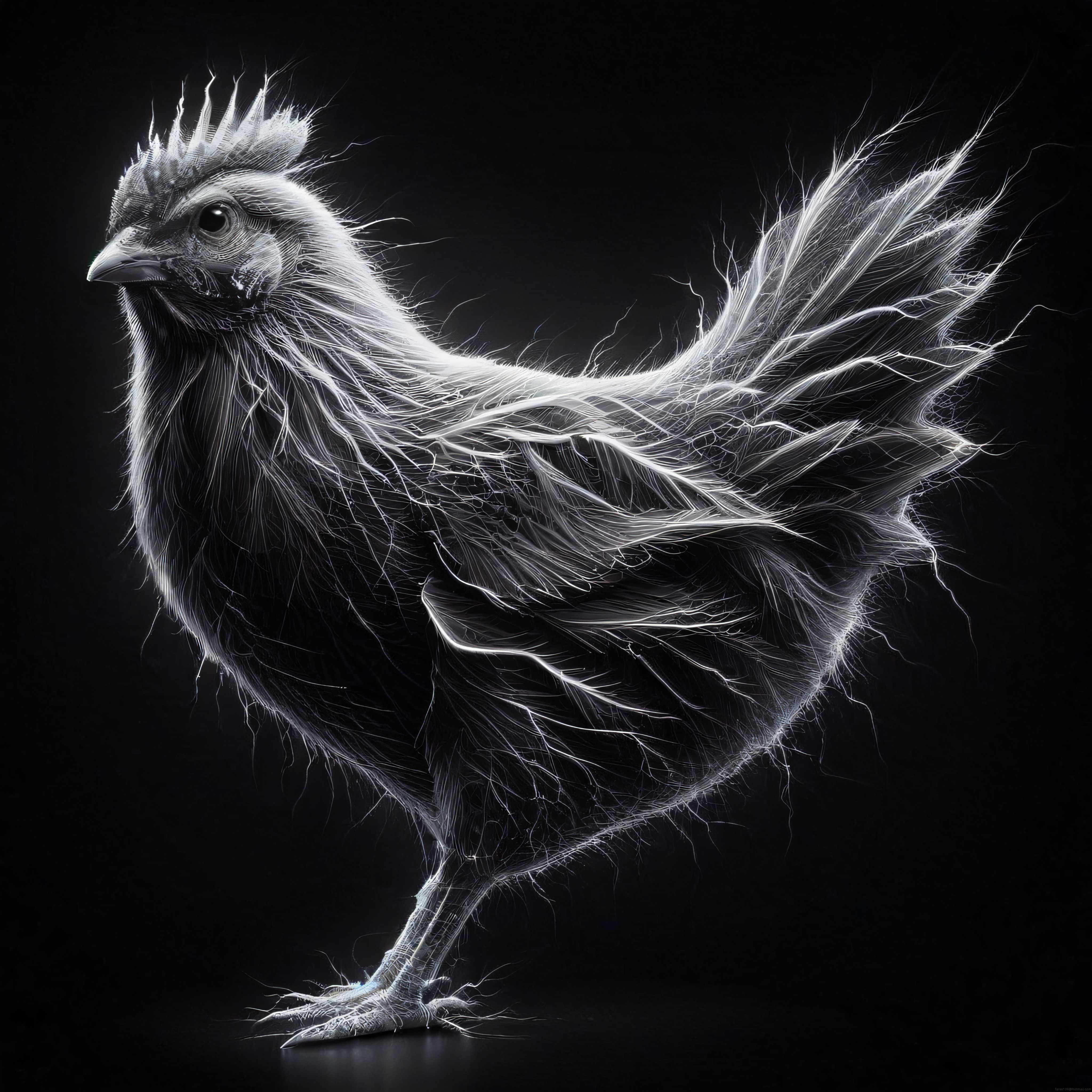
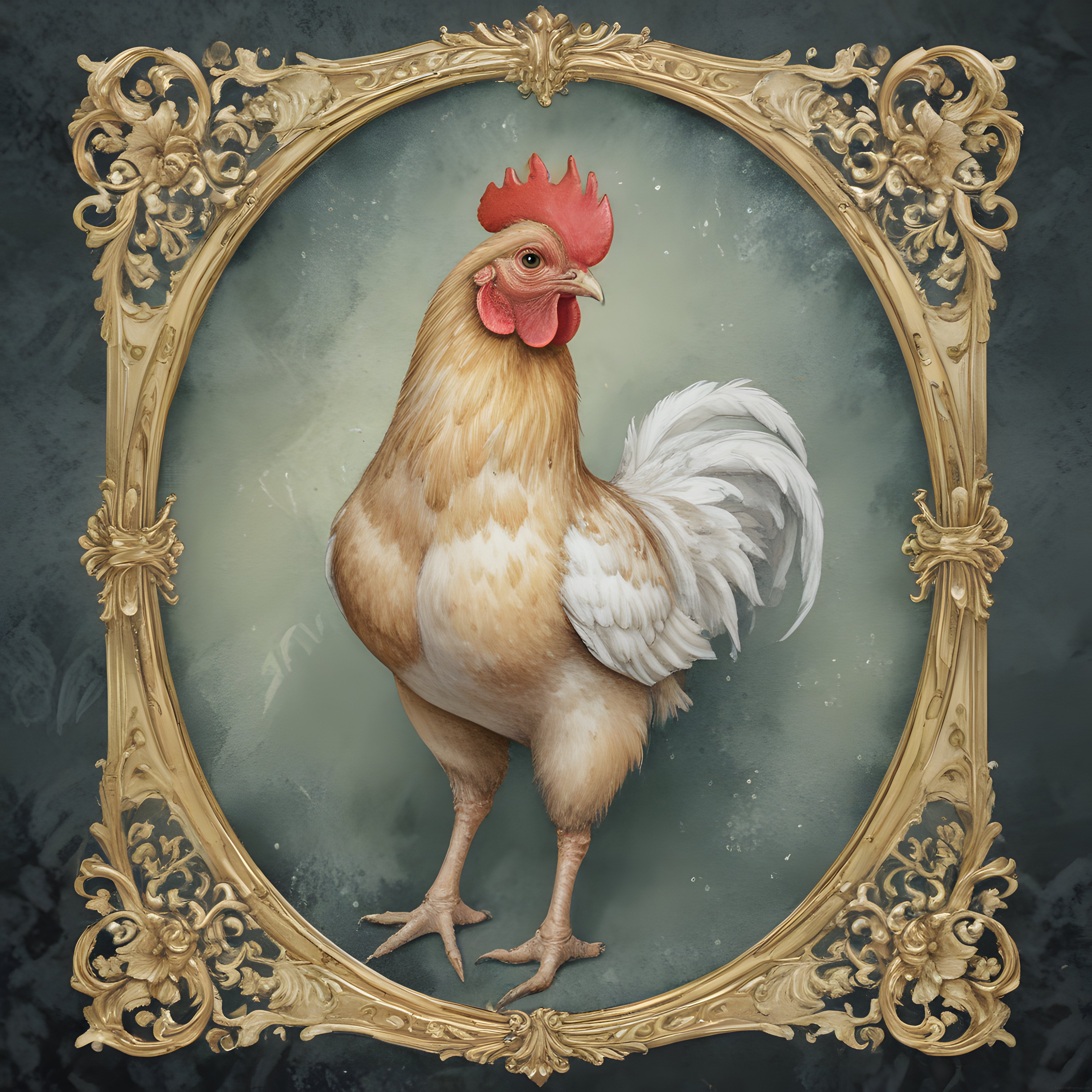
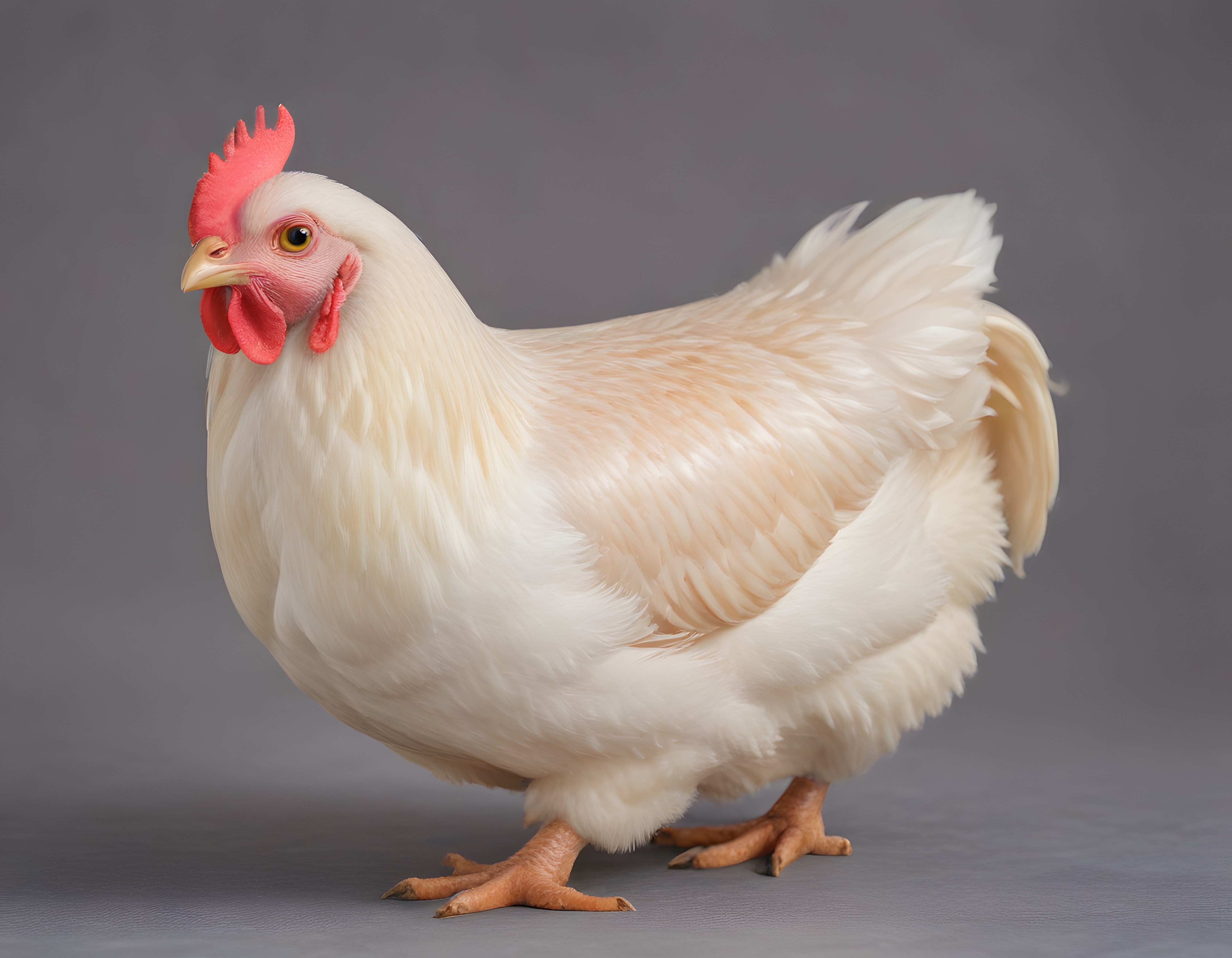
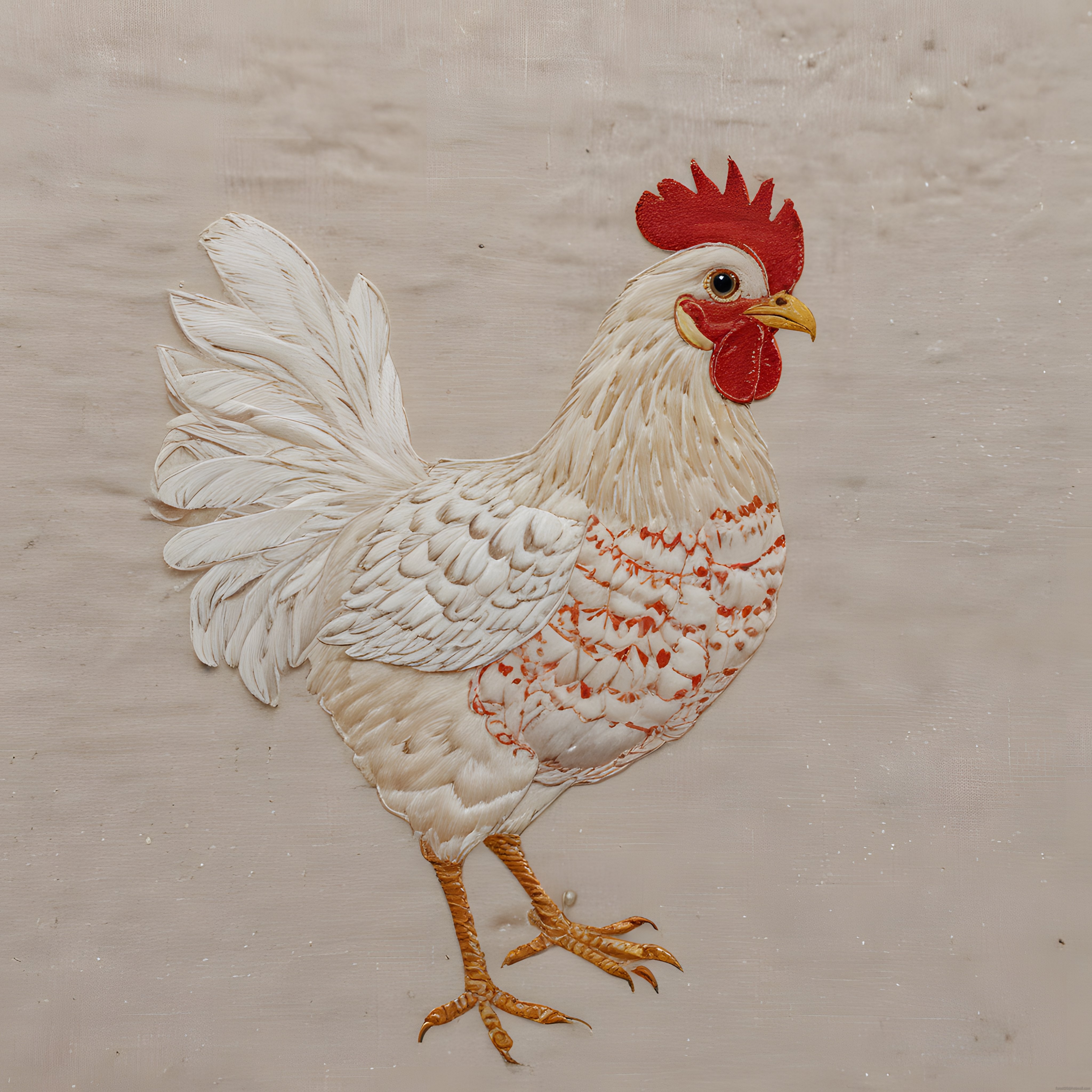
Çekim Tablosu
Belirtme (-i)horozu
Yönelme (-e)horoza
Bulunma (-de)horozda
Çıkma (-den)horozdan
Tamlayan (-in)horozun
Çoğul (-ler)horozlar
Tanım
•isim, hayvan bilimi: Tavukgillerden, tavuğun erkeği olan kümes hayvanı
•Ateşli silahlarda çakmak taşına veya merminin kapsülüne vurmaya yarayan metal parça
•Kapı zembereğinin mandalı
•mecaz: Kabadayı erkek
Atasözü & Deyim
“Bir çöplükte iki horoz ötmez”
“Cins horoz yumurtada öter”
“Her horoz kendi çöplüğünde öter”
“Her şeyin vakti var, horoz bile vaktinde öter”
“Horoz ölür, gözü çöplükte kalır”
Diğer Dillerde
cock, rooster · ellipsis of Wasserhahn (“tap, faucet”) · ellipsis of Fasshahn or Zapfhahn (“spigot, stopcock”)
çekim: çoğul Hähne · tamlayan Hahns
eş: Männchen, Gickel, Gockel, Guller, Henning, Wetterhahn
köken: From Middle High German hane, from Old High German hano, from Proto-West Germanic *hanō, from Proto-Germanic *hanô. Compare Dutch haan, Danish hane.
aile: Absperrhahn, Hähnchen, Hahnenfeder, Hahnenfisch, Hahnenfuß, Hahnenfußgewächs, Hahnenkamm, Hahnenkampf, Hahnenschrei, Hahnenschwanz
Und der Hahn? — Ve bir horoz?
FransızcaCoq (eril) /kɔk/
male chicken, rooster, cockerel, cock
çekim: çoğul coqs
köken: Inherited from Middle French coq, from Old French coc, from Late Latin coccus, from Proto-West Germanic *kokk, from Proto-Germanic *kukkaz. Cognate with English cock, Dutch kok, Danish kok, Icelandic kokkur.
aile: cocard, combat de coqs, comme un coq en pâte, coq au vin, coq de bruyère, passer du coq à l'âne, sauter du coq à l'âne
Et le coq? — Ve bir horoz?
Mais tout à coup, le coq gaulois claironne: Cocorico, debout petits soldats!
rooster, cock (male domestic chicken)
çekim: çoğul gallos
eş: ojito, platusa, rapante, estoque, gladiolo, tipo
köken: Etymology tree Latin gallus Spanish gallo Inherited from Latin gallus.
aile: al primer gallo, bajar el gallo, cantar el gallo, cola de gallo, cresta de gallo, desconfiado como gallo tuerto, en menos que canta un gallo, gallear, gallo de la peña, gallo de monte
[canta el gallo] — [horoz öter]
Conocí a ese gallo anoche en el teatro.
İtalyancapollo (eril) /ˈpol.lo/
chicken
çekim: çoğul polli
eş: cappone, galletto, gallina, pollastro, gallo, allocco
köken: From Latin pullus, from Proto-Indo-European *polH- (“animal young”).
aile: pollaio, pollo delle pampas, pollo sultano
[gallo che canta] — [horoz öter]
Rusçaпетух, разг. забияка, задира (eril) /pʲɪˈtux/
rooster, cock · impulsive, aggressive person or group
çekim: çoğul петухи́ · tamlayan петуха́
eş: задира, забияка, буян, опущенный, обиженный, мент
köken: Inherited from Proto-Slavic *pětuxъ. By surface analysis, петь (petʹ) + -ух (-ux), said to have been influenced by Пе́тя (Pétja), diminutive of Пётр (Pjotr). Related to петь (petʹ, “to sing”). Compare пе́вень (pévenʹ), Ukrainian пі́вень (pívenʹ), Belarusian пе́вень (pjévjenʹ), Bulgarian пете́л (petél), Macedonian петел (petel), Serbo-Croatian pijétao, pijévac, Slovene petêlin, pẹ́təł. Compare…
aile: инде́йский пету́х, пету́х-бое́ц, петуша́ра, петушить, петуши́ться, петушо́нок, пусти́ть кра́сного петуха́
[крик петуха] — [horoz öter]
Пету́х кукаре́кает: кукареку́!
Пету́х то́пчет ку́рицу.
Arapçaدِيك
[صياح ديك] — [horoz öter]
Farsçaخروس /xu.ˈroːs/
rooster, cock
köken: From Middle Persian [script needed] (hlws /xrōs/, “cock”, literally “the caller”), from [script needed] (hlwstn' /xrōstan/, “to call, to cry”).
aile: خروسقندی
cock, rooster
çekim: çoğul әтештер · tamlayan әтештің
köken: From Proto-Turkic *ät- (“to sing”), compare Yakut эт (et), Tatar әтәч (ätäç), and Bashkir әтәс (ətəs).
Özbekçexo'roz
Felemenkçehaan (eril) /ɦaːn/
a cock, a rooster (male chicken) · the male of various other species of gallinaceous birds · an object resembling or depicting a cock
çekim: çoğul hanen
köken: From Middle Dutch hane, from Old Dutch *hano. Compare German Hahn, Danish hane.
aile: auerhaan, broodhaan, elzenhaantje, geen haan die ernaar kraait, goudhaan, haantje de voorste, haantjesgedrag, hanenbalk, hanengevecht, hanenkam
[haan kraait] — [horoz öter]
Portekizceave-macho, boi, cão, engatilhar, galo, inclinar (eril) /ˈboj/
corpulent person · cuckold (man married to an unfaithful wife) · ugly person
çekim: çoğul bois
eş: cabaça, grogoiô, maricas
köken: PIE word *gʷṓws Inherited from Old Galician-Portuguese boi, from Latin bovem (“cow, bull”) (probably through a Vulgar Latin form *boem), accusative of bōs, itself a borrowing from some Osco-Umbrian language dialect, from Proto-Italic *gʷōs, ultimately from Proto-Indo-European *gʷṓws. Compare Galician boi. Doublet of bife.
aile: aboiar, boi bento, boi de piranha, boi de sela, boi preto, boi-cavalo, boi-corneta, boi-marinho, boiada, boiadeiro
[galo canta] — [horoz öter]
Yunancaαλέκτορας, αρσενικός φασιανός, κόκορας, λύκος, πετεινός (eril)
cock, rooster (male chicken)
çekim: çoğul αλέκτορες · tamlayan αλέκτορα
köken: From Ancient Greek ἀλέκτωρ (aléktōr), from ἀλέξω (aléxō, “to ward off”).
[λάλημα κόκορα] — [horoz öter]
a male bird
köken: Originally 雄(お)鳥(どり) (odori), from 雄 (o-, “male”) + 鳥 (tori, “bird”)
[電話のベル] — [horoz öter]
Korece수탉 /sʰutʰa̠k̚/
rooster (male chicken)
eş: 장닭, 반계, 웅계, 수닭, 숫닭
zıt: 암탉
köken: Of native Korean origin. From Middle Korean 수ᄐᆞᆰ (swutholk), from 숳 (swuh, “male (non-human)”) + ᄃᆞᆰ (tolk, “chicken”).
[닭 우는 소리] — [horoz öter]
to tighten, to tense (make tense or taut, of muscles, a rope, a spring, or the like) · to pull (the string of) a bow or crossbow · to fasten (a belt), to clamp (put in a spanner), to strap on (skies etc.)
çekim: geçmiş spände · ortaç spänd · ulaç spännande
köken: From Old Swedish spänna, from Old Norse spenna, from Proto-Germanic *spannijaną, causative of *spannaną (“to stretch, to span”). Cognate with Danish spænde, and Middle Low German spennen.
[tupp som galer] — [horoz öter]
Han spände sina stora muskler
spänna öronen
Det är skönare lyss till en sträng, som brast, än att aldrig spänna en båge
Lehçecholera, kogut, kokot, kur, nadstawić, postawić (dişil) /xɔˈlɛ.ra/
cholera · pest, nuisance (irritating person)
çekim: tamlayan cholery
eş: (o kobiecie) baba, (o mężczyźnie) dziad
köken: Learned borrowing from Latin cholera, from Ancient Greek χολέρᾰ (kholéră).
aile: cholerny, cholerstwo, od cholery, iść w cholerę
[pianie koguta] — [horoz öter]
Jesteś cholerą!
cock, rooster, fowl
çekim: çoğul कुक्कुटों
köken: Learned borrowing from Sanskrit कुक्कुट (kukkuṭa).
पश्चिम की ओर तो कुक्कुटों की लड़ाई के लिए एक विशिष्ट क्षेत्र रखा गया है।
Fincehana, iskuvasara, kallistaa, koiras, kukko, paska /ˈhɑnɑ/
faucet, tap (device to dispense liquid) · hammer (moving part of a firearm that strikes the firing pin to discharge a gun)
çekim: çoğul hanat · tamlayan hanan
köken: Borrowed from Middle Low German hane (compare German Hahn (“tap, faucet”)).
aile: hanajuoma, hanaolut, hanapakkaus, hanavesi, kaasuhana, kaksiotehana, kuumavesihana, kylmävesihana, luottohana, lämminvesihana
[kukko kiekuu] — [horoz öter]
Çekçekohout, kohoutek, kokot, natáhnout kohoutek, vztyčit, zvednout (eril) /ˈkoɦou̯t/
cock, rooster
çekim: çoğul kohouti · tamlayan kohouta
eş: kokrháč, kokot, kokeš
köken: Inherited from Old Czech kohút. Inherited from Proto-Slavic *kokotъ.
aile: kohoutek, kohoutí, kohoutův
[kokrhání kohouta] — [horoz öter]
diminutive of bărbat · the male of some animals
çekim: çoğul bărbătuși · tamlayan bărbătușului
köken: From bărbat + -uș.
Si un cocos? — Ve bir horoz?
brute, ass, asshole, idiot · herd of cattle · head of cattle, animal of the species Bos taurus
çekim: çoğul barmok
köken: Borrowed from a Turkic language before the times of the Hungarian conquest of the Carpathian Basin (at the turn of the 9th and 10th centuries). Compare Old Turkic barım (“riches”).
aile: baromi, baromság, baromfi
[kakaskukorékolás] — [horoz öter]
İbraniceגֶּבֶר, מַקּוֹשׁ, שֶׂכְוִי, תרנגול (eril) /taʁneˈɡol/
chicken, either male or of unspecified gender
çekim: çoğul תַּרְנְגוֹלִים
köken: From Akkadian 𒁯𒈗𒄷 (tarlugallum, “rooster”), from Sumerian 𒁯𒈗𒄷 (dar-lugal^(mušen) /darlugal/, “rooster”, literally “bird or fowl of the king”). The first element uncertainly connected to Proto-Semitic *ṭayr- (“bird”) or Proto-Semitic *dVrr, Proto-Afroasiatic *dir(h)w- (“bird, hen, dove, fowl, chicken, rooster”).
aile: תרנגול הודו
והתרנגול? — SW: Ve bir horoz?
רַבִּי יְהוּדָה אוֹמֵר, מֻתָּר לִמְכּוֹר לוֹ תַּרְנְגוֹל לָבָן בֵּין הַתַּרְנְגוֹלִין.
דֶּרֶךְ אֶרֶץ מִתַּרְנְגוֹל — שֶׁמְּפַיֵּיס וְאַחַר כָּךְ בּוֹעֵל.
Latincegallus /ˈɡal.lʊs/
a cock, rooster, cockerel
çekim: çoğul gallī · tamlayan gallī
köken: Possibly from a root *gelH- (“to call”); Schrijver suggests that zero-grade *glH-o- regularly evolved to *galo- and then perhaps underwent expressive gemination, whereas De Vaan considers the possibility that *galo- was suffixed with *-n-, producing *gal-n-o- > gallo-. Assuming this root is accurate, compare Proto-Balto-Slavic *galsas (“voice”), Proto-Germanic *kalzōną (“to call”), Albanian gjuhë…
aile: gallī cantus, gallicantus, gallicinium, gallicrus, gallīna, gallīnāceus, gallīnārium, gallīnārius, gallīnula, *gallīnus
male, he
çekim: çoğul hanner · tamlayan hans
köken: From Old Norse hann (dative hánum).
[hane galer] — [horoz öter]
Vietnamcacon gà trống, địt, gà trống /ʔɗit̚˧˨ʔ/
to fuck · to fart
köken: From Proto-Vietic *diːt ~ *tiːt, from Proto-Mon-Khmer *kt₁iit (“posterior; to break wind”). Doublet of đít (“arse”).
aile: đánh địt, địt con mẹ, địt mẹ
[con gà trống quạ] — [horoz öter]
Etimoloji
Farsça horôs
Deyimler
Örnek Cümleler
[horoz öter]
[rooster crows]
Ve bir horoz?
And the rooster?
Horoz dövüşü, 1915.
1906 Cockfighting.
Her sabah horoz öter.
Every morning, the rooster crows.
Ve Horoz erkek midir?
And "rooster" is the male?
Horoz ötüşünü duymadım.
Tom didn't hear the rooster crow.
Ikinci horoz, crow'd hath
The second cock hath crow'd,
Horoz bacağımı gagalıyor.
The rooster is pecking at my leg.
Tom horoz dövüşünü sever.
Tom likes cockfighting.
Horoz-a-hoop! adam olacak!
You will set cock-a-hoop! you'll be the man!
Onun büyük bir horozu var.
He has a huge cock.
Tom'un büyük bir horozu var.
Tom has a huge cock.
İlgili Sorular
Terazi‑Balık ve Horoz‑Köpek burç çiftlerinin birbirine uygunluğu ne kadar?
Çatıdaki horozun bıraktığı yumurta hangi taraftan aşağı kayar?
1. Japonya’da bir kadın pazara rüzgarı satıp güneşi alıyor. Satılan ve alınan şeyler nelerdir? (Zor)
2. Dar bir duvara yürüyen horoz bir yumurta bırakıyor; duvarın solunda tilki, sağında yılan var. Yumurta hangi taraftan düşer?
Çatı üzerinde bir horoz yumurta bıraktığında, yumurta hangi kenardan kayar?
1. Japonya’da bir kadın pazara rüzgarı satıp güneşi alıyor. Tam olarak neyi sattı ve neyi aldı? (Zor)
2. Dar bir duvarın üzerinde yürüyen horoz bir yumurta bırakıyor. Duvarın sol tarafında bir tilki, sağ tarafında ise bir yılan var. Yumurta hangi taraftan düşer?
İlgili / Bileşik Terimler
Genelcockfighting
Genelalectryomachy
Genelchanterelle
Askeribantamweight
Birleşik Kelimeler
horoz ağırlıkhoroz akıllıhorozayağıhoroz bakışıhoroz dövüşühoroz fasulyesihorozgözühorozibiğihoroz ibiğihoroz kafalıhorozkarasıhoroz mantarıhoroz sıklethoroz şekerihoroz vaktikart horoztepeli horozçalı horozuçöplük horozuispenç horozukaya horozuteneşir horozu