Sözlük
/horozibiği
horozibiği
"horozibiği" kelimesinin İngilizcesi: amaranth, pigweed, joseph'(s.)-coat, tumbleweed. Anlamı, çevirisi, telaffuzu ve örnek cümleler aşağıdadır.
Çeviri
Genelamaranthnoun
Genelpigweednoun
Geneljoseph'(s.)-coat
Geneltumbleweed
Görsel
Çekim Tablosu
Belirtme (-i)horozibiğini
Yönelme (-e)horozibiğine
Bulunma (-de)horozibiğinde
Çıkma (-den)horozibiğinden
Tamlayan (-in)horozibiğinin
Çoğul (-ler)horozibikleri
Tanım
•Horozibiği renginde olan
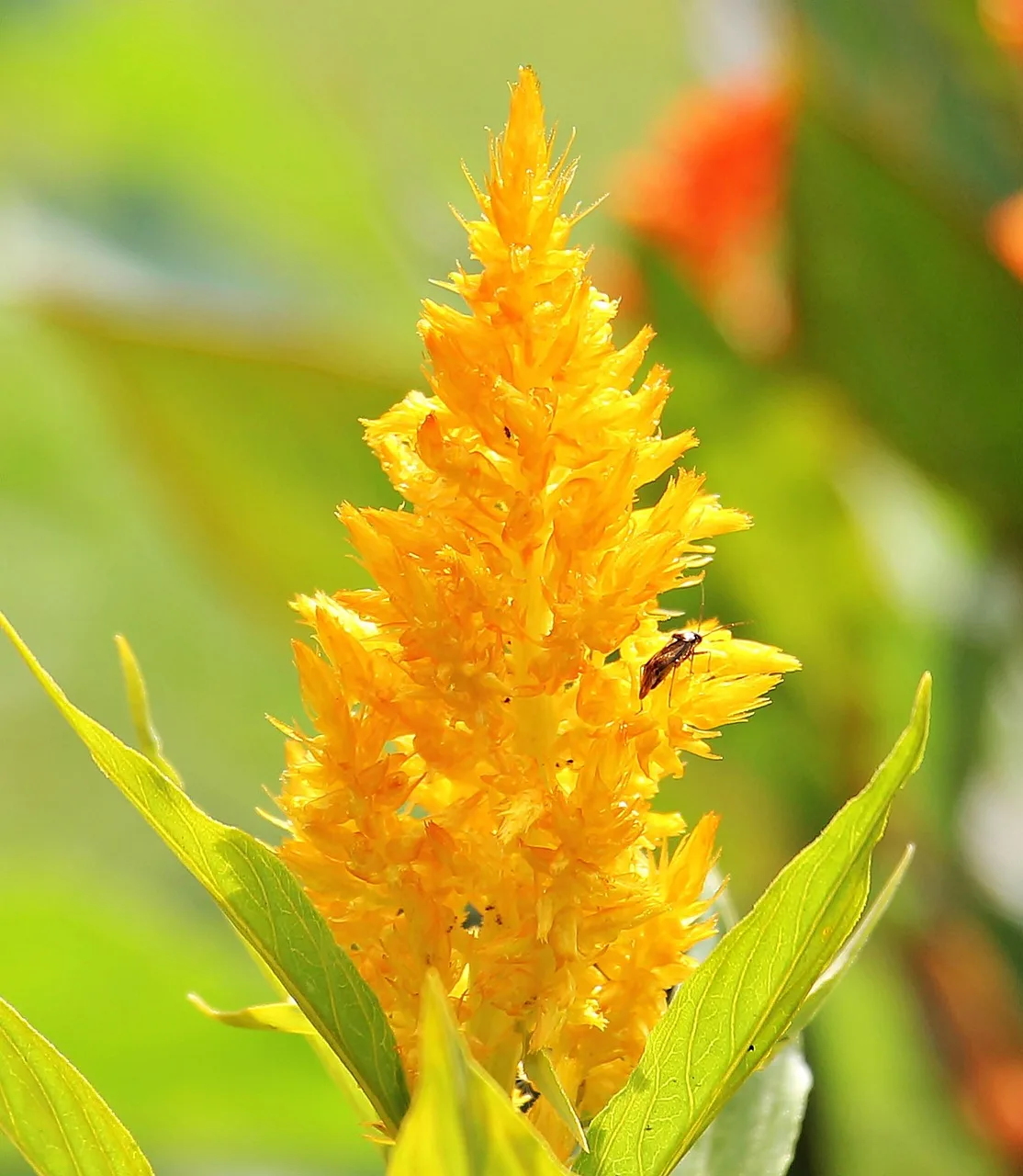
•Horozibiğigillerden, kırmızı çiçekleri horoz ibiğini andıran bir süs bitkisi
•Koyu ve canlı pembe ya da kırmızı renk
Diğer Dillerde
AlmancaAmarant, Bodenläufer, Bodenroller, Steppenläufer, Steppenroller /amaˈʁant/
amaranth, pigweed
çekim: çoğul Amarante · tamlayan Amarants
köken: Borrowed from Latin amarantus, from Ancient Greek ἀμάραντος (amárantos, “unfading”). The spelling Amaranth (as in English) is due to the influence of ἄνθος (ánthos, “flower”).
aile: amaranten
Fransızcaamarantacée, amarante, virevoltant (dişil) /a.ma.ʁɑ̃.ta.se/
amaranth (of family Amaranthaceae)
çekim: çoğul amarantacées
Avec les espèces de Célosie, T. fruticosum est l'un des légumes-feuille les plus importés au Nigeria. — Horozibiği türleriyle beraber T. fruticosum, Nijerya'nın en fazla ithal edilen yapraklı sebzesidir.
İspanyolcaamaranto, bledo, borlones, estepicursor, planta rodadora /amaˈɾanto/
amaranth, crimson (color/colour)
çekim: çoğul amarantos
köken: Borrowed from Ancient Greek ἀμάραντος (amárantos).
Junto con la especie Celosia, T. fruticosum es una de las más importantes verduras de hoja de Nigeria. — Horozibiği türleriyle beraber T. fruticosum, Nijerya'nın en fazla ithal edilen yapraklı sebzesidir.
İtalyancarotolacampo
Arapçaحَشِيشَة مُتَدَحْرِجَة, قطيفة (dişil) /qa.tˤiː.fa/
satin, velvet · a fabric made of satin or velvet (which might be a blanket or a carpet or a person’s dress) · a kind of fritter or cheburek, qatayef (chiefly found in the plural قَطَائِف (qaṭāʔif), and in its vulgar form قَطَايِف (qaṭāyif))
çekim: çoğul قَطَائِف · tamlayan قَطِيفَةٍ
köken: From the root ق ط ف (q ṭ f), of which قَطَفَ (qaṭafa, “to pluck”), therefore perhaps originally meaning piled cloth.
Farsçaآمارنطون
Felemenkçeamarant, stepperoller, tuimelkruid (eril)
amaranth, plant of genus Amaranthus
çekim: çoğul amaranten
köken: From Latin amarantus, from Ancient Greek ἀμάραντος (amárantos).
aile: Afrikaanse amarant, amarantenfamilie, Argentijnse amarant, driekleurige amarant, groene amarant, kattenstaartamarant, nerfamarant, oeveramarant, smalle amarant, witte amarant
Portekizcebola de feno, salsola (eril)
tumbleweed (plant which breaks loose and rolls about) · Used other than figuratively or idiomatically: see bola, de, feno.
çekim: çoğul bolas de feno
Yunancaαμάραντος
undying, unwilting, unfading, eternal
çekim: çoğul αμάραντοι
eş: άφθαρτος, θαλερός
köken: From Ancient Greek ἀμάραντος (amárantos).
aile: αμάραντη αγάπη
Japoncaアマランサス, アマランス, タンブルウィード, 紫赤色
amaranth (plant of the genus Amaranthus) · Especially, edible amaranth (Amaranthus tricolor)
eş: 참비름, 현채
aile: 가시비름, 비름나물, 쇠비름
İsveççemarklöpare, stäpplöpare
runner (athlete) · messenger
çekim: çoğul biegacze · tamlayan biegacza
köken: Etymology tree Proto-Indo-European *bʰegʷ-der. Proto-Balto-Slavic *bḗˀgtei Proto-Slavic *běťi Proto-Indo-European *-h₂ Proto-Indo-European *-éh₂ Proto-Indo-European *-yéti Proto-Indo-European *-eh₂yéti Proto-Balto-Slavic *-ā́ˀtei Proto-Slavic *-ati Proto-Indo-European *bʰegʷ-der. Proto-Balto-Slavic *bēˀgjā́ˀtei Proto-Slavic *běžàti ▲ Proto-Slavic *-ati Proto-Slavic *bě̀gati Old Polish biegać…
biegacz długodystansowy
biegacz narciarski
biegacz przełajowy
Ukraynacaамарант, перекоти́по́ле, щириця (eril) /ɐmɐˈrant/
amaranth (herb)
çekim: çoğul амара́нти · tamlayan амара́нту
Hintçeचौलाई (dişil) /t͡ʃɔː.lɑː.iː/
amaranth
Finceaavikkokierijä, amarantti, arokierijä, maakieriäinen, revonhäntä /ˈɑmɑrɑntːi/
Prince-of-Wales feather, prince's feather (Amaranthus hypochondriacus), cultivated for its seeds · amaranth (seeds of Amaranthus hypochondriacus as foodstuff) · amaranth (shade of red, the characteristic purplish-red colour of the flowers or leaves of amaranths)
çekim: çoğul amarantit · tamlayan amarantin
köken: From German Amarant, from Latin amarantus, from Ancient Greek ἀμάραντος (amárantos).
Çekçelaskavec (eril) /ˈlaskavɛt͡s/
amaranth (any plant of the genus Amaranthus)
çekim: çoğul laskavce · tamlayan laskavce
köken: From laskavý + -ec.
İbraniceירבוז
Dancavindheks
Ved siden af Celosia-arter er Talinum fruticosum én af de vigtigste grønsager i Nigeria. — Horozibiği türleriyle beraber T. fruticosum, Nijerya'nın en fazla ithal edilen yapraklı sebzesidir.
Norveççemarkløper
Slovenceščír
Litvancadruskė
Galiçyacabeldro, beldrogo (eril) /ˈbeldɾo̝/
blite, pigweed, amaranth
çekim: çoğul beldros
köken: From Latin blitum (“blite”).
Galcechwyn treigl
Etimoloji
Inherited from Ottoman Turkish خروس ایبكی (horoz ibiği, “cockscomb”). By surface analysis, horoz (“rooster, cock”) + ibik (“comb, crest”).
Örnek Cümleler
Horozibiği türleriyle beraber T. fruticosum, Nijerya'nın en fazla ithal edilen yapraklı sebzesidir.
Along with Celosia species, T. fruticosum is one of the most import leaf vegetables of Nigeria.