Sözlük
/hayvanlar
hayvanlar
"hayvanlar" kelimesinin İngilizcesi: animal. Anlamı, çevirisi, telaffuzu ve örnek cümleler aşağıdadır.
Çeviri
Genelanimal
Görsel
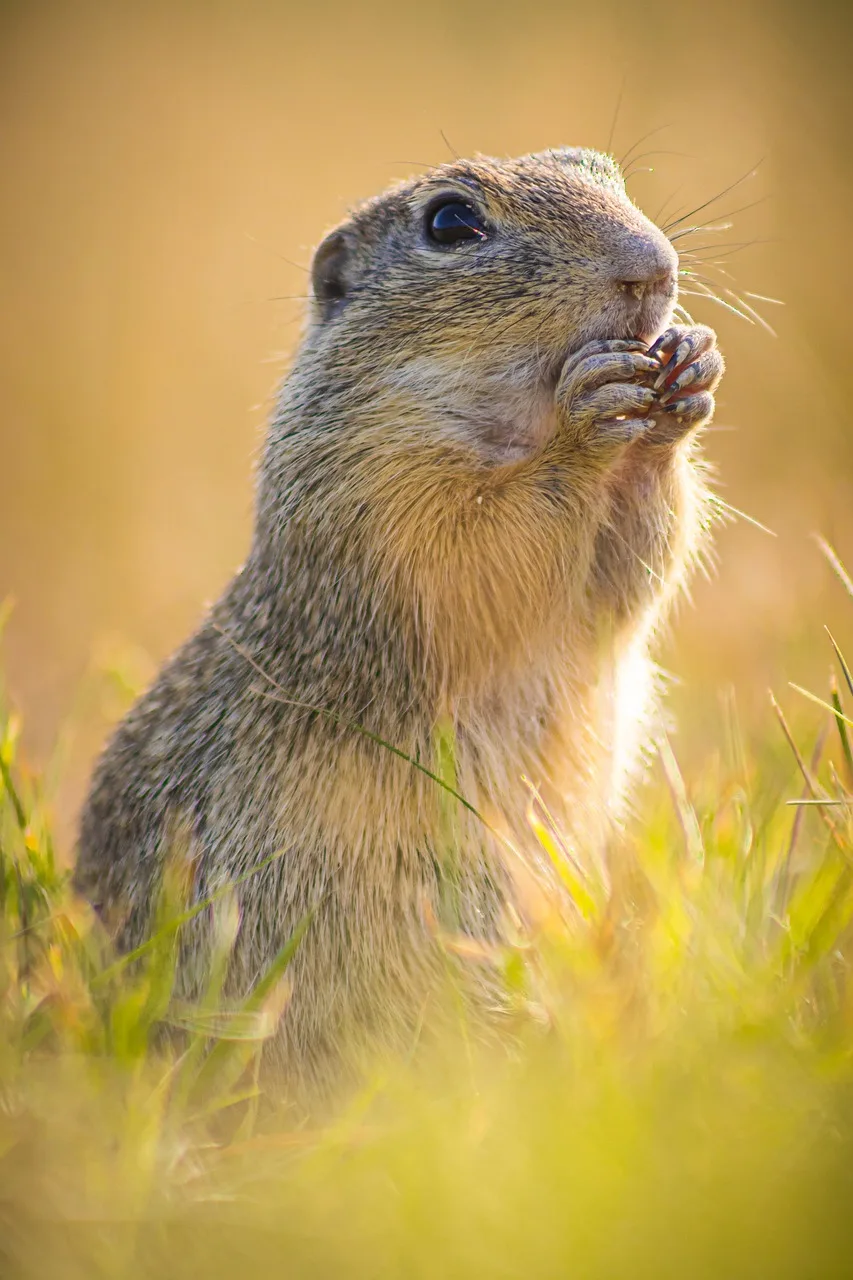

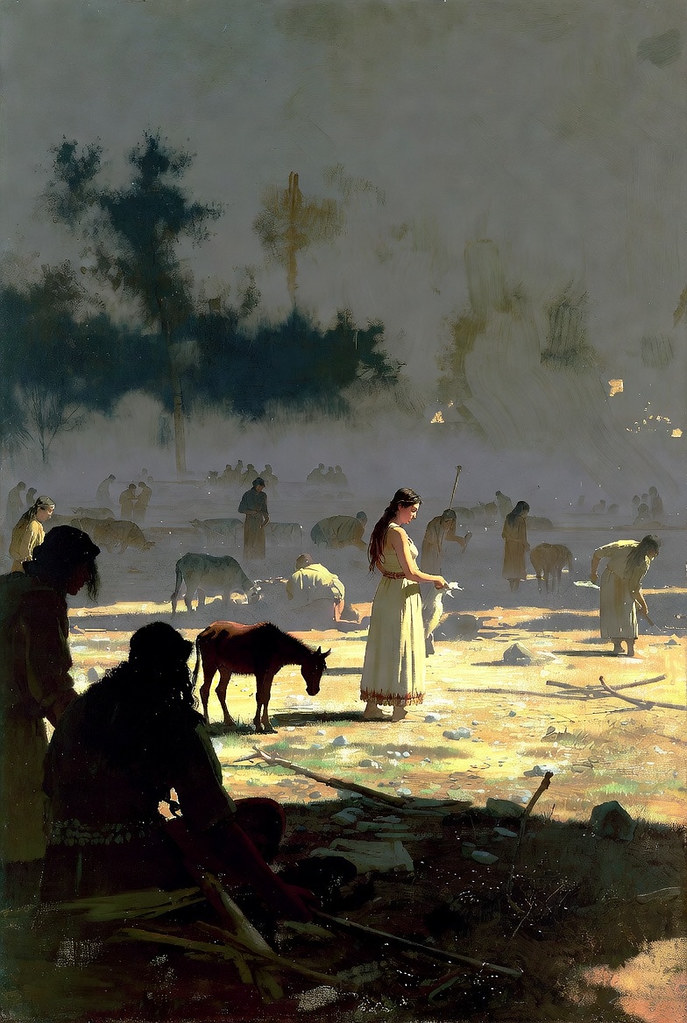
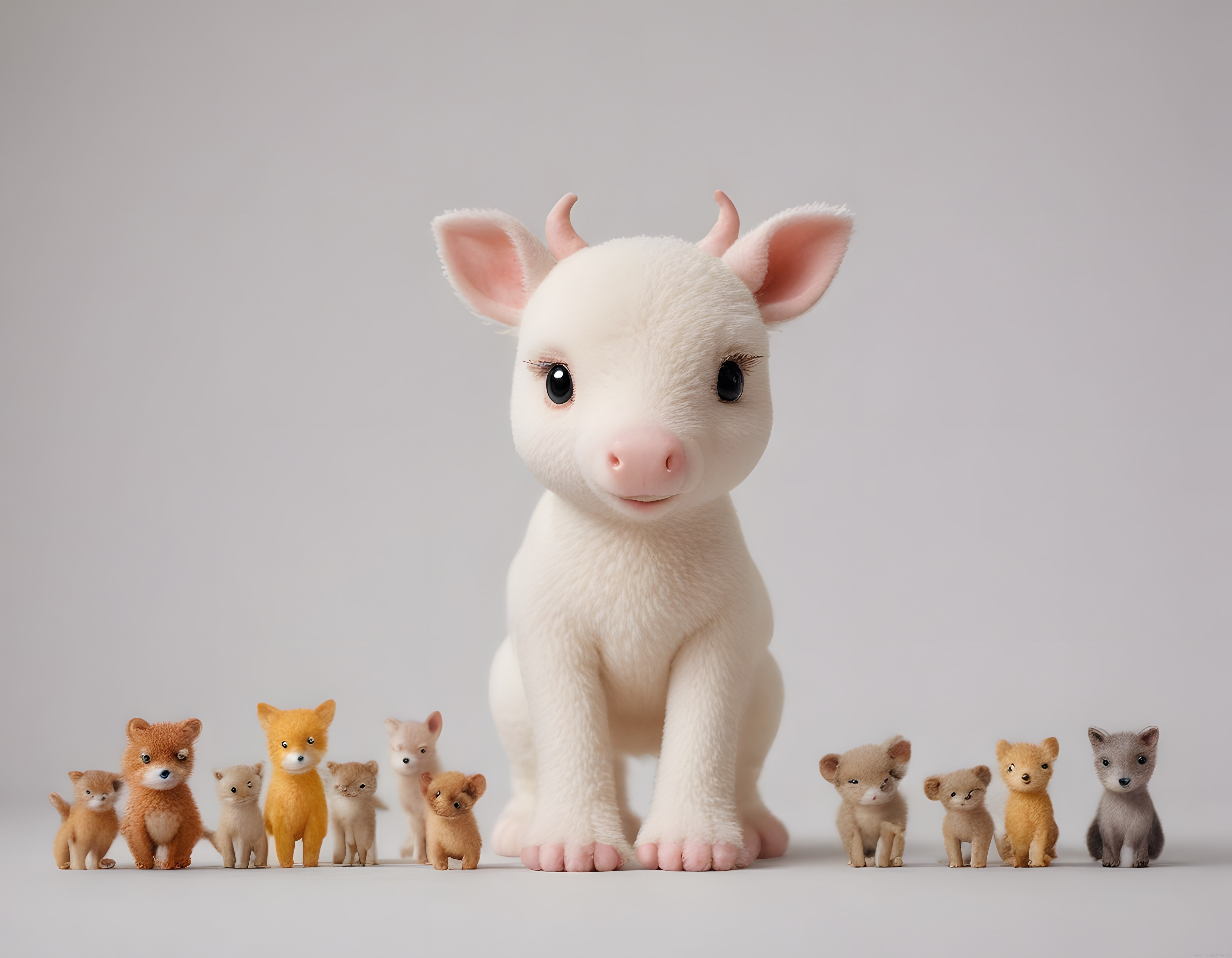
Tanım
•ökaryotlar üst alemi altında sınıflandırılan canlıların ortak adı, hayvanat
Diğer Dillerde
AlmancaBestie, Monster, Scheusal, Tier, tierisch, Unmensch (dişil) /ˈbɛsti̯ə/
a wild and very dangerous animal, a beast, monster · a very cruel person, a monster, fiend (usually a killer, torturer, or rapist)
çekim: çoğul Bestien · tamlayan Bestien
eş: Raubtier, Scheusal, Unmensch
köken: From Middle High German bestie, from Latin bēstia. Doublet of Biest n.
aile: bestialisch
Geliebtes Tier. — Evcil hayvanlar.
Fransızcabête (dişil) /bɛt/
beast, animal · fool
çekim: çoğul bêtes
köken: Inherited from Middle French beste, from Old French beste, probably partially borrowed from Classical Latin bēstia (“beast”), or less likely from an alternative Vulgar Latin bēsta (“animal”). Compare biche (probably from Old French bisse, itself from Vulgar Latin bīstia; compare Italian biscia).
aile: abêtir, âge bête, bébête, bêta, bétail, bête à Bon Dieu, bête à manger du foin, bête comme chou, bête comme ses deux pieds, bête comme ses pieds
Il parlait aux animaux. — Hayvanlarla konuşma.
Je pense qu'il est une bête !
animal
çekim: çoğul animales
eş: bestia, bestia
köken: Borrowed from Latin animal. See also alimaña, an inherited doublet.
aile: animal de carga, animal de compañía, animal de costumbres, animal doméstico, animal salvaje, animal terrestre, animalada, animalero, animalesco, animalillo
Animales domésticos. — Evcil hayvanlar.
İtalyancaanimale /a.niˈma.le/
animal
çekim: çoğul animali
eş: animato, belluino, bestiale, corporeo, grossolano, ignorante
köken: From Latin animālem, possibly borrowed.
Parla agli animali. — Hayvanlarla konuşma.
Rusçaживоти́на, живо́тное, звери́ный, зверь, скоти́на, тварь /zvʲerʲ/
animal, beast · brute · mammal
çekim: çoğul зве́ри · tamlayan зве́ря
eş: млекопитающее, животное
köken: Inherited from Old East Slavic звѣрь (zvěrĭ), from Proto-Slavic *zvěrь. Cognate with Ancient Greek θήρ (thḗr) and Latin ferus.
aile: вы́звериться, озвери́н, звере́ть, озвере́ть, звери́нец, звери́ный, зверова́тый, зве́рский, зве́рство, зве́рствовать
Домашние животные. — Evcil hayvanlar.
Мои́ роди́тели утвержда́ли, что Чебура́шка – э́то неизве́стный нау́ке зверь, кото́рый во́дится в жа́рких тропи́ческих леса́х.
Farsçaحیوانی
Azericeheyvan
animal
çekim: çoğul heyvanlar · tamlayan heyvanın
köken: Etymology tree Arabic حَيَوَان (ḥayawān)bor. Classical Persian حَیْوَان (haywān)bor. Azerbaijani heyvan Borrowed from Classical Persian حَیْوَان (haywān), borrowed from Arabic حَيَوَان (ḥayawān).
animal · dolt, boor
çekim: çoğul айуандар · tamlayan айуанның
eş: аң, жануар, хайуанат
köken: Etymology tree Arabic حَيَوَان (ḥayawān)bor. Classical Persian حَیْوَان (haywān)bor. Kazakh айуан Borrowed from Classical Persian حَیْوَان (haywān), borrowed from Arabic حَيَوَان (ḥayawān). Doublet of хайуан (xaiuan).
aile: айуандық, айуаншылық
Özbekçehayvon
animal
çekim: çoğul hayvonlar · tamlayan hayvonning
köken: Etymology tree Arabic حَيَوَان (ḥayawān)bor. Classical Persian حَیْوَان (haywān)bor. Uzbek hayvon Borrowed from Classical Persian حَیْوَان (haywān), borrowed from Arabic حَيَوَان (ḥayawān).
aile: hayvonot, hayvoniy
Tatarcaхайван
Felemenkçebeest, dier, dierlijk, dierlijke (nötr) /beːst/
an animal, a beast · an animal kept as livestock, a head · a cruel, wild, uncivilised, uninhibited or brutal person
çekim: çoğul beesten
köken: From Middle Dutch beeste, from beste, from Old French beste, from Latin bēstia.
aile: bakbeest, beestachtig, beestenbende, beestenboel, beestig, feestbeest, hartenbeest, het beestje bij zijn naam noemen, hoe groter geest, hoe groter beest, knuffelbeest
Het zijn nachtdieren. — Gececil hayvanlardır.
Er zit een beestje in m'n soep.
De folteraars van de grenspolitie waren sadistische beesten.
Ze is een beest.
Portekizcebicho (eril) /ˈbi.ʃu/
beast (non-human animal) · bug; minibeast · severely aggressive person
çekim: çoğul bichos
eş: fera
köken: From Vulgar Latin *bīstius, a masculine form of bīstia, from Latin bēstia (“beast”). Doublet of besta.
aile: bichão, bichinho, bicho de conta, bicho de conta-aquático, bicho de conta-do-mar, bicho de estimação, bicho de pelúcia, bicho de sete cabeças, bicho do mato, bicho-barbeiro
Meus Animais. — Evcil hayvanlar.
undomesticated, untamed, feral, wild · wild, uncultivated · uncouth, unsociable, uncivilised (UK), uncivilized (US)
çekim: karşılaştırma αγριότερος · üstünlük αγριότερος
köken: From Ancient Greek ἄγριος (ágrios).
Σου αρέσουν τα ζώα; — Hayvanları sever misin?
animal
köken: Sino-Korean word from 動物, from 動 (“moving”) + 物 (“thing”).
aile: 애완동물, 동물원, 네발동물, 동물계, 동물학
beast
çekim: çoğul bestar · tamlayan bests
köken: Ultimately from Latin bēstia.
Oroar djur. — Yırtıcı hayvanlardır.
Lehçezwierzę, zwierzęcy (nötr) /ˈzvjɛ.ʐɛ/
animal (member of the kingdom Animalia other than a human) · beast (person who has a set of characteristics that make him or her function well in a particular environment) · animal (person who behaves wildly)
çekim: çoğul zwierzęta · tamlayan zwierzęcia
eş: zwierz, zwierzak, stpol. źwierz, źwirz
köken: Etymology tree Proto-Indo-European *ǵʰwer-der. Proto-Balto-Slavic *źwēˀrís Proto-Slavic *zvěrь Proto-Slavic *-ę Proto-Slavic *zvě̄rę̀ Old Polish źwierzę Polish zwierzę Inherited from Old Polish źwierzę. By surface analysis, zwierz + -ę.
aile: król zwierząt
Towarzyskie zwierzęta. — Evcil hayvanlar.
Ukraynacaзвір, твари́на /zʲʋʲir/
beast (wild animal)
çekim: çoğul зві́рі · tamlayan зві́ра
köken: From Proto-Slavic *zvěrь.
aile: зві́рство
Бідні тварини! — Evcil hayvanlar.
creature · fauna
çekim: çoğul जंतुओं
köken: Borrowed from Sanskrit जन्तु (jantu).
Finceanimaalinen, eläimellinen, eläin, eläin-, elukka, sielullinen /ˈɑnimɑːlinen/
synonym of eläimellinen
çekim: karşılaştırma animaalisempi · üstünlük animaalisin
köken: Internationalism (see English animal), ultimately from Latin animal and adapted with the adjectival suffix + -inen.
aile: animaalisuus
Selkärangattomat eläimet. — Yırtıcı hayvanlardır.
animal
çekim: çoğul živočichové · tamlayan živočicha
eş: zvíře, tvor, stvoření, bytost, živý organismus, ústrojenec
köken: From živý + -o- + čít. First attested in the 16th century.
aile: živočichář, živočišný, živočišstvo
Domácí zvířata. — Evcil hayvanlar.
animalistic
köken: From animal + -ic.
Sunt animale nocturne. — Gececil hayvanlardır.
animal
çekim: çoğul állatok
köken: From áll (“to stand”) + -at (noun-forming suffix).
aile: állati, állatka, állatocska, állatbarát, állateledel, állatidomár, állatkert, állatkórház, állatmenhely, állatnév
Fél a kutyáktól. — Hayvanlardan korkar.
Latinceanimalis /a.nɪˈmaː.lɪs/
animate, living · of living creatures
köken: Etymology tree Proto-Indo-European *h₂enh₁- Proto-Indo-European *-mos Proto-Indo-European *h₂enh₁mos Proto-Italic *anamos Latin animus Latin anima Proto-Indo-European *h₂el-der.? Proto-Italic *-ālis Latin -ālis Latin animālis From anima + -ālis.
aile: animal, exanimālis, inanimālis
beast · brute
çekim: çoğul bæster · tamlayan bæsts
köken: From Middle Low German bēst, from Old French beste, from Latin bēstia (“beast”).
6 Mareridt Kl. — Gececil hayvanlardır.
Norveççeanimalsk
Kelime Ailesi
Örnek Cümleler
Onlar hayvanlar.
They're animals.
Hayvanlar koşar.
Animals run.
Bunlar hayvanlar.
These are animals.
O hayvanları sever.
He loves animals.
Hayvanları severim.
I love animals.
Hayvanları besleme.
Don't feed the animals.
O, hayvanları sever.
He likes animals.
Denek hayvanlarıyız.
We are test animals.
Bu hayvanlar samimi.
These animals are friendly.
Tom hayvanları sevdi.
Tom loved animals.
Hayvanları çiziyoruz.
We are drawing animals.
O hayvanları çok sever.
He loves animals a lot.
İlgili Sorular
Eğer evcil hayvanların da evcil hayvanları olsaydı, bu durum sizin için ne kadar tuhaf olurdu?
Şafak ve alacakaranlıkta aktif olan hayvanların bilimsel adı nedir?
Afrika ülkelerinde, özellikle Nijerya’da yapılan nüfus sayımı sadece insanları mı yoksa hayvanları da kapsıyor?
Domuz, sığır, fare gibi hayvanlar hakkında tartışmak anlamlı mı?
Gün doğumu ya da gün batımında çoğunlukla aktif olan hayvanlara ne denir?
İlgili / Bileşik Terimler
Genelking of beasts