Sözlük
/hamamtası
hamam
"hamam" kelimesinin İngilizcesi: hammam, bath, bagnio, turkish baths, turkish bath. Anlamı, çevirisi, telaffuzu ve örnek cümleler aşağıdadır.
Çeviri
Genelhammamnoun
Genelbath
Genelbagnio
Genelturkish bathsnoun
Genelturkish bath
Genelturkish bath
Görsel
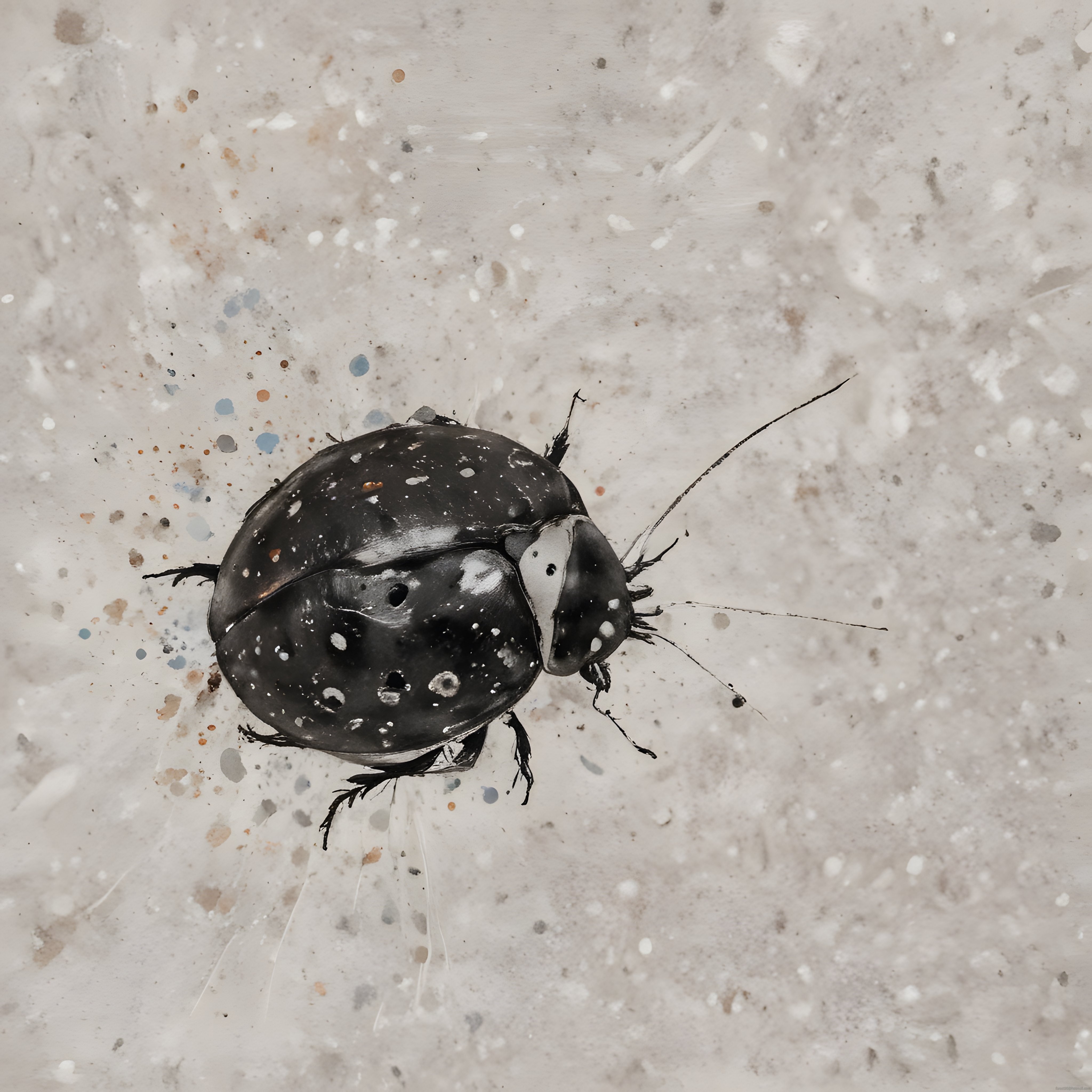
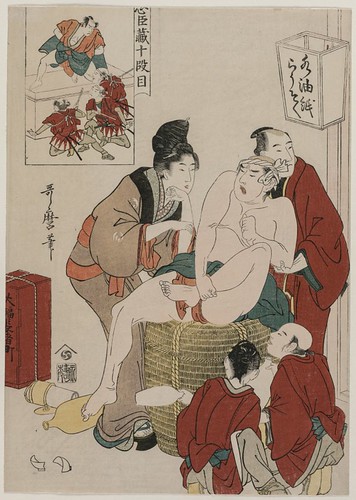
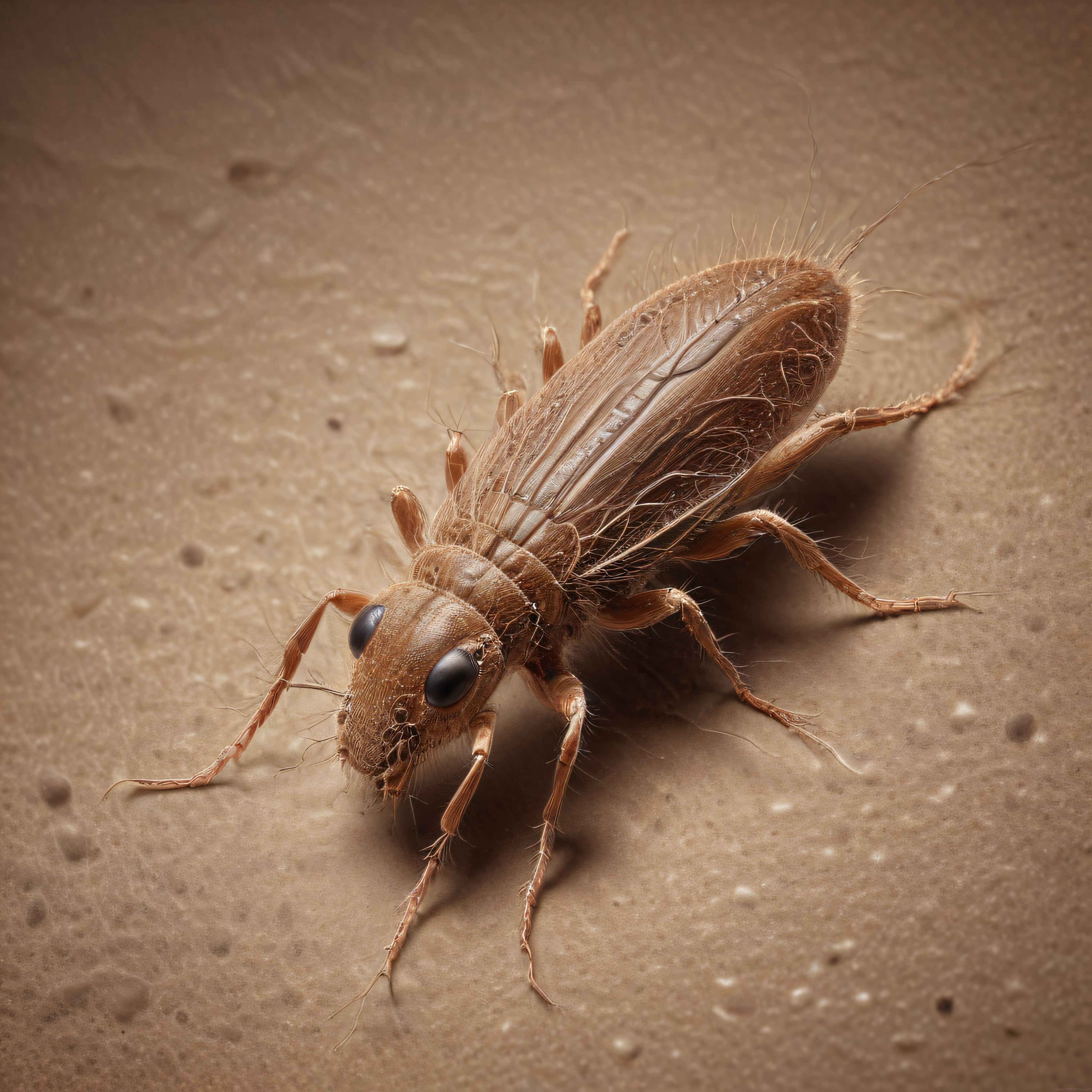
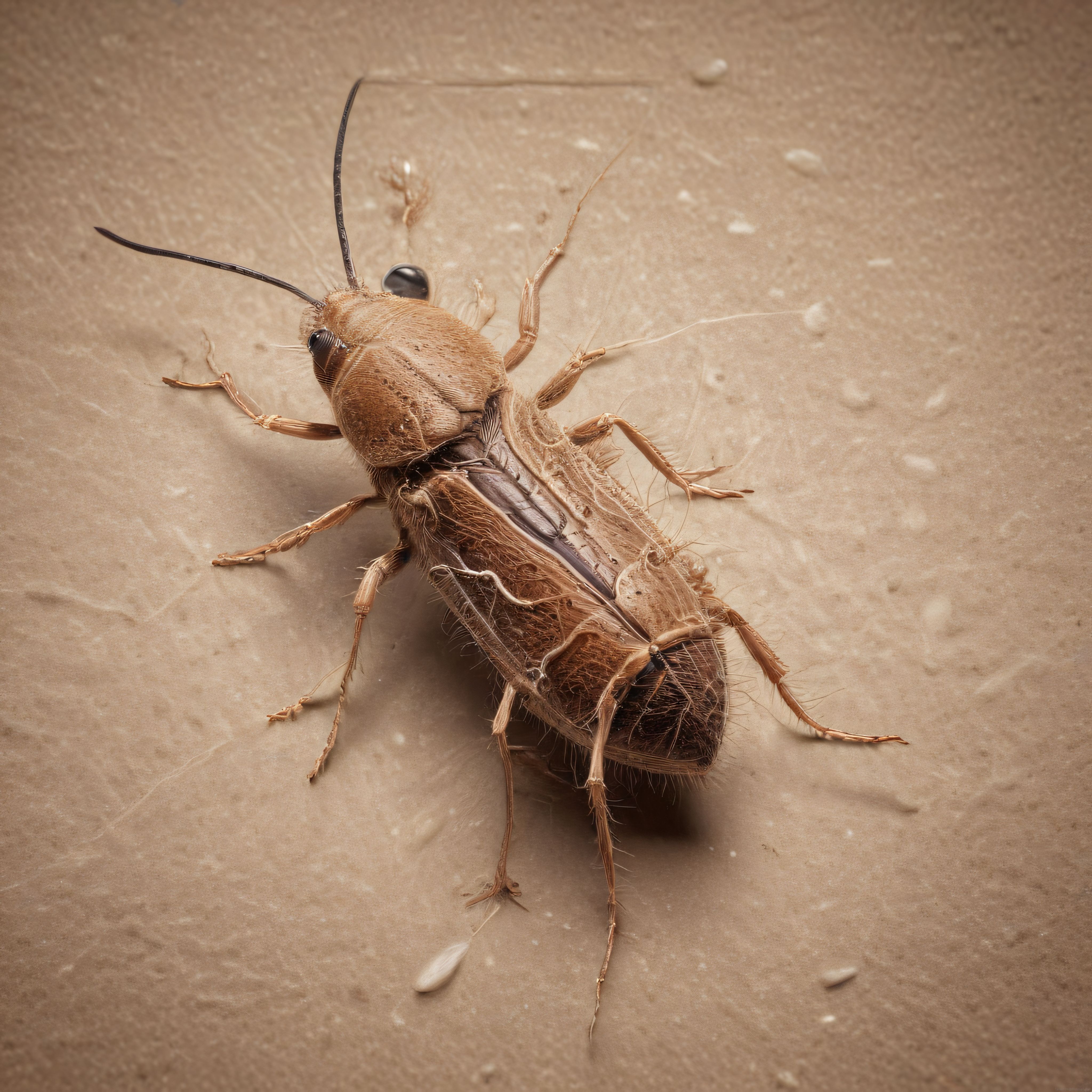
Çekim Tablosu
Belirtme (-i)hamamı
Yönelme (-e)hamama
Bulunma (-de)hamamda
Çıkma (-den)hamamdan
Tamlayan (-in)hamamın
Çoğul (-ler)hamamlar
Tanım
•isim: Yıkanılacak yer; ısıdam, sıcak
•Para karşılığında yıkanma işinin yapıldığı yer
Atasözü & Deyim
“Hamama giren terler”
Diğer Dillerde
Almancahamam
türkisches Dampfbad, das der Körperpflege und der Entspannung dient
eş: Türkisches Bad, Orientalisches Bad
Die schöne gelbe Donau. — Sarı Güzel Hamamı.
Fransızcahammam (eril) /a.mam/
hammam (communal bathhouse in Islamic countries) · Turkish bath
çekim: çoğul hammams
eş: bain turc, maure
Je pourrai revenir pour la grande baignoire? — Hamama yine gelebilir miyim?
İspanyolcabañar, bañera, baño, cuarto de baño /baˈɲaɾ/
to bathe (to clean a person by immersion in water or using water; to give someone a bath) · to soak, to dip in · to bathe oneself
çekim: geçmiş bañé · ortaç bañado · şimdiki baña
köken: Inherited from Vulgar Latin *baneare, from Late Latin balneāre, from Latin balneum. Compare Portuguese banhar, Catalan banyar, French baigner, Italian bagnare.
¿Alguna vez comerías una cucaracha? — Hiç hamam böceği yedin mi?
Voy a bañarme esta noche.
İtalyancabagno, stanza da bagno, vasca da bagno (eril) /ˈbaɲ.ɲo/
bath · swim, bathe · bathroom
çekim: çoğul bagni
eş: lavata, lavaggio, abluzione, aspersione, lavanda, lavacro
köken: Inherited from Latin baneum, variant of balneum.
aile: bagnetto, bagnino, bagno di folla, bagno di sangue, bagno penale, bagno turco, bagnomaria, bagnoschiuma, bellezza al bagno, costume da bagno
Posso venire ancora a fare il bagno nella vasca grande? — Hamama yine gelebilir miyim?
Rusçaбаня (dişil) /ˈbanʲə/
banya · bath · Turkish bath, steam bath
çekim: çoğul ба́ни · tamlayan ба́ни
eş: мыльня, трёпка, нагоняй, выволочка, разнос
köken: Inherited from Proto-Slavic *baňa, from Latin baneum (plural banea), variant of balneum, from Latin balneum, from Ancient Greek βαλανεῖον (balaneîon).
aile: ба́нник, ба́нщик, ба́нщица, предба́нник, Phrases, иди́ в ба́ню, приста́ть как ба́нный лист, ба́нный лист
Баджер Мр. — Bey Hamamı.
هل يمكنني العودة للحمام الكبير مرة أخرى ؟ — Hamama yine gelebilir miyim?
AzericeBat, hamam, hamamxana, vanna
bathhouse · bathroom
çekim: çoğul hamamlar · tamlayan hamamın
köken: Borrowed from Arabic حَمَّام (ḥammām).
aile: hamamçı, hamamçılıq, hamamxana, hamamlanmaq
Kazakçaванна, ванна бөлмесі, монша
bath, bathtub
çekim: çoğul ванналар · tamlayan ваннаның
köken: Borrowed from Russian ванна (vanna), from German Wanne.
Özbekçehammom, moʻrcha, vannaxona
Tatarcaванна бүлмәсе, мунча
bathroom
çekim: çoğul badkamers
köken: From bad + kamer.
aile: badkamerspiegel
Wie A zegt, moet ook B zeggen. — Hamama giren terler.
Portekizcebanhar, banheira, banheiro, banho /bɐ̃ˈɲa(ʁ)/
to bathe; to give a bath; to clean by using water · to bound the shore of a country, continent or other geographic region
çekim: geçmiş banhei · ortaç banhado · şimdiki banha
köken: From Old Galician-Portuguese bannar, from Vulgar Latin *baneāre, from Late Latin balneāre, from Latin balneum. Compare Spanish and Galician bañar, French baigner, Italian bagnare.
Posso voltar para brincar na banheira de novo? — Hamama yine gelebilir miyim?
Ela banhava-se no lago.
Os Estados Unidos são banhados pelo Oceano Atlântico ao leste e pelo Oceano Pacífic ao oeste.
η ενέργεια του λούζω
Τι εννοείς; — Hamam böceği mi?
the act of bathing
çekim: geçmiş 入浴した
aile: 入浴剤
毎日剃ってる! — Bu hamamlar her gün açıktır.
bath, bathing
eş: 탕
köken: Sino-Korean word from 沐浴. Doublet of 미역 (miyeok).
aile: 목욕간(沐浴間), 목욕료(沐浴料), 목욕실(沐浴室), 목욕탕(沐浴湯), 목욕통(沐浴桶)
로마 통치 하에서 이곳은 매우 번영하였다. — Köydeki Roma Hamamı çok meşhurdur.
to bathe (immerse oneself or someone else in water (or another liquid), for cleaning, recreation, etc. – see the usage notes below) · to swim (when more idiomatic in English) · to be bathed, to swim (be immersed in something, literally or figuratively)
çekim: geçmiş badade · ortaç badad · ulaç badande
köken: From Old Swedish badha, from Old Norse baða, from Proto-Germanic *baþōną.
aile: bada bastu, badanläggning, badanstalt, badare, badavdelning, badbalja, badbar, badbassäng, badboll, badborste
Min fina flodhäst. — Sarı Güzel Hamamı.
Smörj in dig med vår fuktighetsbevarande kräm efter att du har duschat eller badat.
Hur ofta badar ni badkar?
bada badbalja
to bathe, to bath (to clean by immersing in water, especially in a bathtub) · to soak in a solution · to bathe oneself, to take a bath (to clean oneself in water, especially in a bathtub)
çekim: geçmiş kąpano · şimdiki kąpie
köken: Etymology tree Proto-Slavic *kǫpati Old Polish kąpać Polish kąpać Inherited from Old Polish kąpać.
aile: pokąpać, skąpać
Oficjalny Serwis UM Luboń . — Şengül Hamamı resmî sitesi.
Озера, болота. — Fin hamamı, Sauna.
Hintçeबैथ, स्नान, स्नानागार (eril) /snɑːn/
the act of bathing, ablution · a place for bathing
çekim: çoğul स्नानों
köken: Learned borrowing from Sanskrit स्नान (snāna).
Finceamme, kylpy, kylpyamme, kylpyhuone, kylpylä, kylvettää /ˈɑmːeˣ/
bathtub, tub (large container for holding water in which a person may bathe)
çekim: çoğul ammeet · tamlayan ammeen
köken: From Proto-Finnic *ammëh, derived from Proto-Finno-Ugric *ama- (compare Erzya амолямс (amoľams), Eastern Mansi [script needed] (ūmp)).
aile: ammehoito, ammekylpy, ammekäyrä, ammematto, istuma-amme, kylpyamme, pesuamme, poreamme
Kausimetsää, pensaistoa, savannia. — Fin hamamı, Sauna.
Çekçelázně (dişil) /ˈlaːzɲɛ/
inflection of lázeň: · nominative/accusative/vocative plural
çekim: çoğul lázní · tamlayan lázní
eş: teplice, vary
Dokonce ani nebyl v Lázni Tanchi. — Tanchi Hamamına bile gitmemiş.
bathroom · bath (act of bathing), bathtub
çekim: çoğul băi · tamlayan băi
köken: Ultimately from Latin ba(l)neum, via the plural ba(l)nea. The stressed a in Romanian is inconsistent with râie, tămâie < Latin arānea, *thȳmānea. Hence baie may have been borrowed from Proto-Slavic *baňa; compare etymology 2 below (via Hungarian). Note also the consistent masculine gender of inherited reflexes of Latin balneum such as Italian bagno, French bain, etc.
aile: îmbăia
Pot să vin pentru baia mare din nou? — Hamama yine gelebilir miyim?
Macarcafürdés, fürdet, fürdő, fürdőkád, fürdőszoba, fürdőzés /ˈfyrdeːʃ/
verbal noun of fürdik: · bathe, bathing, dip, swim (outside, in a body of water)
çekim: çoğul fürdések
köken: fürdik (“to bathe”) + -és
Huszár Gál (?) — Gavur Hamamı (?)
İbraniceאַמְבַּטְיָה, באת׳, רַחֲצָה
אתה צריך לנקות את עצמך .באמבטיית טאנצ'י קודם כל — Tanchi Hamamında yıkanmalıydın önce.
LatinceAquae Sulis, balneum, lavacrum, lavācrum, lavātio, lavo (nötr) /ˈbaɫ.ne.ũː/
bath, bathing place, bathroom
çekim: çoğul balneae · tamlayan balneī
köken: From Ancient Greek βαλανεῖον (balaneîon), apparently borrowed early enough for unstressed reduction of the second /a/ to /ĭ/ and then syncope.
aile: balneāris, balneārius, balneātor, balneō, balneolum
[…] discus crepuit, id est pater meus in balneum transisse nuntiatus est.
Dancabad, bade, badekar, badeværelse /ˈb̥að/
bath, shower, swim · bathroom
çekim: çoğul bade · tamlayan bads
köken: From Old Norse bað, Proto-Germanic *baþą (“bath”), cognate with English bath and German Bad.
Jeg er bange for kakerlakker. — Hamamböceğinden korkarım.
Norveççebaderom
Rogne skule ligger også i denne bygda. — Hamamlık da bu odanın içindeydi.
Vietnamcabồn tắm, buồng tắm, phòng tắm, rửa ráy, tắm, tắm bồn /ʔɓon˨˩ tam˧˦/
bathtub; tub
köken: bồn (“basin, tub”) + tắm (“to bathe, to shower”).
Triệu Túc (?-?) — Gavur Hamamı (?)
Etimoloji
Osmanlı Türkçesi حمام, Arapça حَمَّامٌ (ḥammāmün).
Kelime Ailesi
Eş & Zıt Anlamlılar
Örnek Cümleler
Çukur Hamam
Chuhur hamam
Büyük Hamam.
Büyük Hamam.
Harem ve hamam
Harem and the bath
Hamam yasaklandı
Bathing prohibited.
Hamam böceği mi?
A cockroach!?
"Hamamlar", (2013)
The Baths, 2013
Diana Hamamı, 1559/60.
The Bath of Diana, 1559/60.
Hamam böceği yer misin?
Would you ever eat a cockroach?
Yangın hamamda başladı.
The fire started in the bathhouse.
Leyla hamamböceği yiyor.
Layla eats cockroaches.
- Hamam böceği rivayeti.
- His own. Aha.
Buradaki hamamlar iyidir.
The public bath here is nice.
İlgili Sorular
Köpekbalıkları ve hamamböceklerinin hayatta kalma konusunda üstün olduğu biliniyor... Büyük bir felaket anında hangi canlı türü en kalıcı olacak ve nedenini ayrıntılı olarak anlatın.
Ev içinde dolaşan hamam böcekleri mi, fareler mi sizi daha çok rahatsız eder?
Buzdolabımda küçük hamam böcekleri bulunuyor, temizleme yöntemi nedir? Temizledikten sonra yine aynı sorunla karşılaşıyorum.
Nuh, iki sineği ve iki hamam böceğini öldürmek için bir adım atmadı, bunun nedeni ne?
Evinizde sürünerek dolaşan hamam böceklerinden mi yoksa farelerden mi daha çok nefret edersiniz?
İlgili / Bileşik Terimler
Genelcockroach
Genelbath-glove
Genelhammam-set
Genelcockroach
Birleşik Kelimeler
hamam anasıhamam bohçasıhamam böceğihamam çadırıhamam kesesihamam nalınıhamam odasıhamam otuhamam takımıhamam tasıçifte hamamdeniz hamamıdüğün hamamıerkekler hamamıFin hamamıgelin hamamıkadınlar hamamıkırk hamamıkudret hamamı