Sözlük
/hamam böceği
hamam böceği
"hamam böceği" kelimesinin İngilizcesi: cockroach, cockroach. Anlamı, çevirisi, telaffuzu ve örnek cümleler aşağıdadır.
Çeviri
Genelcockroachnoun
Genelcockroach
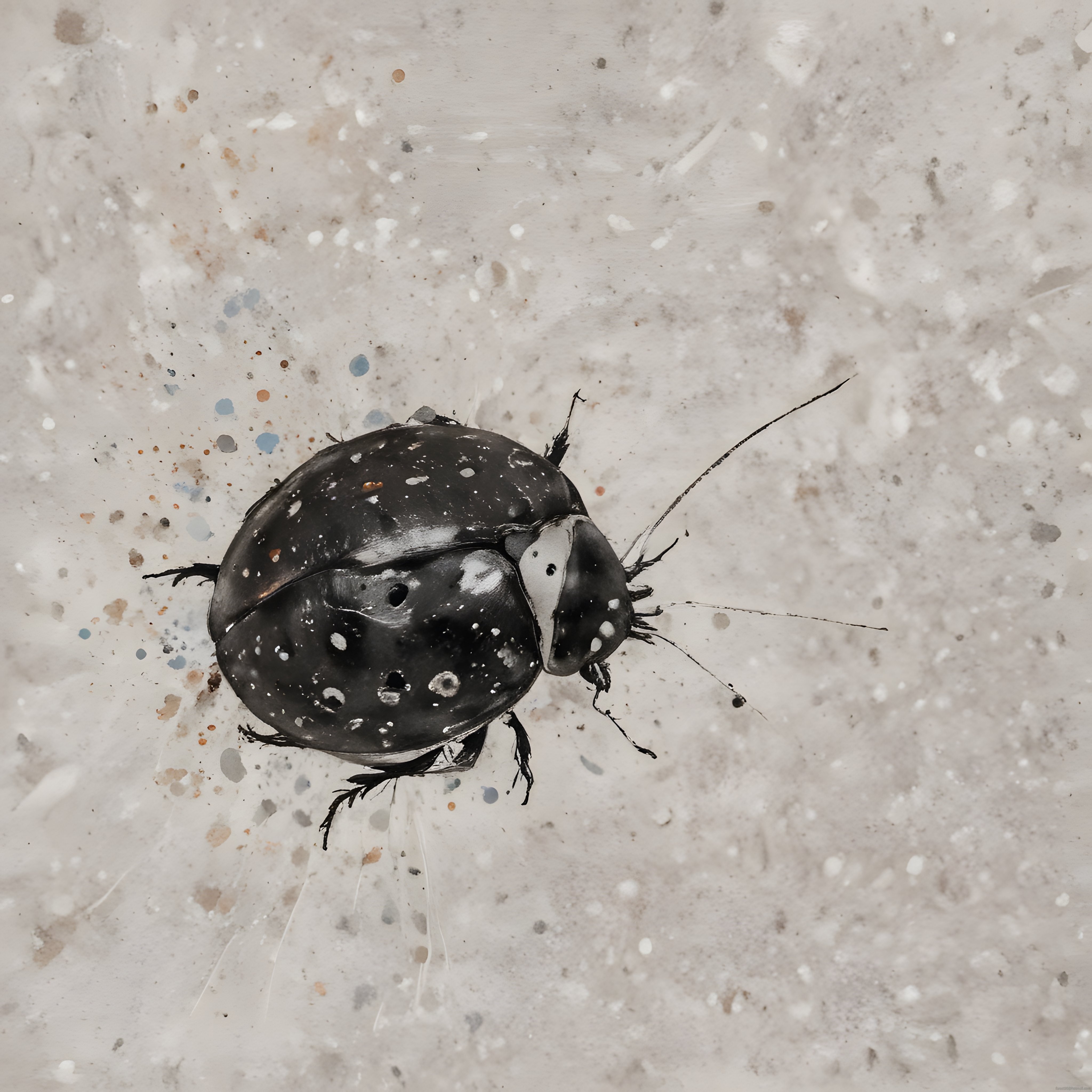
Görsel
Çekim Tablosu
Belirtme (-i)hamam böceğini
Yönelme (-e)hamam böceğine
Bulunma (-de)hamam böceğinde
Çıkma (-den)hamam böceğinden
Tamlayan (-in)hamam böceğinin
Çoğul (-ler)hamam böcekleri
Tanım
•hamam böceğigillerden, kirli yerlerde üreyen zararlı bir böcek, blatta cinsine bağlı bir hayvan türü, doğu hamam böceği
•Hamam böceğigillerden, temiz tutulmayan yerlerde üreyen zararlı bir böcek
Diğer Dillerde
cockroach (insect)
çekim: çoğul Kakerlaken · tamlayan Kakerlaken
eş: Küchenschabe
köken: Back-formation from the plural Kakerlaken of Kakerlak, which is the more original form of the word. The latter from Dutch kakkerlak.
Als du das Bein der Schabe angefasst hast, wie fühlte sich das an? — Hamam böceğinin bacağına dokunduğunuzda, ne hissettiniz?
Fransızcablatte, cafard, coquerelle (dişil) /blat/
cockroach
çekim: çoğul blattes
eş: babarotte, cafard, cancrelat, coquerelle
köken: From Latin blatta.
Quand tu as touché la patte du cafard, qu'as-tu senti? — Hamam böceğinin bacağına dokunduğunuzda, ne hissettiniz?
cockroach
çekim: çoğul cucarachas
eş: barata
köken: From cuca (“butterfly caterpillar”), itself of onomatopoeic origin.
aile: en alas de cucaracha, matacucarachas
¿Alguna vez comerías una cucaracha? — Hiç hamam böceği yedin mi?
İtalyancablatta, scarafaggio (dişil) /ˈblat.ta/
cockroach
çekim: çoğul blatte
eş: piattola, scarafaggio
köken: From Latin blatta (“cockroach, moth”).
Quando hai toccato la zampa della blatta, che sensazione dava? — Hamam böceğinin bacağına dokunduğunuzda, ne hissettiniz?
Rusçaпруса́к, тарака́н
Когда ты трогал лапку таракана, ты что-то почувствовал? — Hamam böceğinin bacağına dokunduğunuzda, ne hissettiniz?
Arapçaصُرْصُور
عندما تلمس ساق الصرصور، بماذا شعرت ؟ — Hamam böceğinin bacağına dokunduğunuzda, ne hissettiniz?
Azericemətbəxböcəyi, mətbəxqurdu, tarakan /tɑrɑˈkɑn/
cockroach
çekim: çoğul tarakanlar · tamlayan tarakanın
köken: Borrowed from Russian тарака́н (tarakán), possibly a Turkic borrowing itself. Inheritance from an ancestor Turkic language would rather have yielded Azerbaijani *taraqan/*daraqan (or *tarağan/*darağan).
Özbekçesuvarak, tezgizak
Tatarcaтаракан
Felemenkçekakkerlak (eril) /ˈkɑ.kərˌlɑk/
cockroach (certain non-termite insect of the order Blattodea) · contemptible person · supporter of Feyenoord
çekim: çoğul kakkerlakken
eş: bakkerstor
köken: First attested as kackerlack towards the end of the 16th century as a derogatory term for a chatterbox or sycophant, deriving from kakker, a contemptuous term derived from kakken (“to shit, defecate”), and lakker (“talker, freeloader”), from likken (“to lick”). This word was subsequently conflated (from the mid-17th century onwards) with an unrelated early Portuguese form cacalacca designating…
aile: Duitse kakkerlak
Toen je die kakkerlakpoot aanraakte, hoe voelde dat aan? — Hamam böceğinin bacağına dokunduğunuzda, ne hissettiniz?
cockroach
çekim: çoğul baratas
köken: From Latin blatta.
aile: barata americana, barata tonta, baratão, baratinha, baratona
Obtemos uma forma dobrada - neste caso, uma barata. — Katlanmış bir şekil edle ediyorsunuz -- burda bir hamam böceği.
Yunancaκατσαρίδα (dişil)
cockroach (insect)
çekim: çoğul κατσαρίδες · tamlayan κατσαρίδας
köken: From Koine Greek κανθαρίδα (kantharída, “wheat insect”); accusative case of κανθαρίς (kantharís).
aile: κατσαριδοκτόνο, κατσαριδάκι, κατσαριδούλα
Τι εννοείς; — Hamam böceği mi?
油虫: aphid
なにか気付いたことある? — Hamam böceğinin bacağına dokunduğunuzda, ne hissettiniz?
wheel
köken: First attested in the Worin seokbo (月印釋譜 / 월인석보), 1459, as Middle Korean 바회〮 (Yale: pàhwóy). The Middle Korean word also meant "rock" (> modern 바위 (bawi)), although this may be coincidental.
aile: 물레바퀴, 바퀴살, 수레바퀴, 쳇바퀴, 톱니바퀴, 헛바퀴
바퀴벌레 다리를 만져보면 어떤 느낌이 들지? — Hamam böceğinin bacağına dokunduğunuzda, ne hissettiniz?
자동차 바퀴
바퀴 교체 방법
바퀴는 메소포타미아 지역에서 발명되었다.
İsveççekackerlacka
cockroach
çekim: çoğul kackerlackor · tamlayan kackerlackas
köken: From Dutch kakkerlak, compare Icelandic kakkalakki.
Lehçekaraczan, karakan, karaluch (eril) /kaˈra.t͡ʂan/
cockroach, roach (insect) · any member of the Blattodea, an order of insects that contains cockroaches and termites
çekim: çoğul karaczany · tamlayan karaczana
eş: karaluch, karakon
köken: Alteration of tarakan, tarakon.
Marky – najwyższy, zielony i chudy karaluch. — Marky En uzun boylu ve yeşil renkli hamam böceği.
Ukraynacaтарга́н
Hintçeचपड़ा, तिलचटा, तिलचट्टा (eril) /t̪ɪl.t͡ʃəʈ.ʈɑː/
cockroach
çekim: çoğul तिलचट्टे
köken: From तेल (tel, “oil”) + चाटना (cāṭnā, “to lick, eat up”) + -आ (-ā), named so for its attraction to foodstuffs such as oil. Influenced by Sanskrit तैलपायिका (tailapāyikā). Cognate with Bengali তেলাপোকা (telapōka)
Fincetorakka /ˈtorɑkːɑ/
cockroach (black or brown straight-winged insect of the order Blattodea)
çekim: çoğul torakat · tamlayan torakan
köken: Borrowed from Russian тарака́н (tarakán) (dialectal Russian торока́н (torokán)), possibly from Turkic.
aile: amerikantorakka, ruotsintorakka, sokeritorakka
Termi tarkoittaa siis valkohäntäistä (hevosta). — Sözcüğün anlamı "hamam böceği"dir.
Çekçešváb (eril) /ˈʃvaːp/
cockroach
çekim: çoğul švábi · tamlayan švába
köken: Borrowed from German Schabe.
Získáte poskládaný tvar -- v tomto případě švába. — Katlanmış bir şekil edle ediyorsunuz -- burda bir hamam böceği.
beetle · cockroach
çekim: çoğul gândaci · tamlayan gândacului
köken: Borrowed from Old Church Slavonic гадакъ (gadakŭ). Compare Serbo-Croatian gundelj.
Când ai atins piciorul gândacului, cum s-a simţit? — Hamam böceğinin bacağına dokunduğunuzda, ne hissettiniz?
Macarcacsótány /ˈt͡ʃoːtaːɲ/
cockroach
çekim: çoğul csótányok
köken: First attested in 1792. Of unknown origin.
Ha megvan a bázis, megvan a figura, most éppen egy csótány. — Temeli şekillendiriyorsunuz. Katlanmış bir şekil edle ediyorsunuz -- burda bir hamam böceği.
כאשר נגעת ברגלו של התיקן, מה הייתה התחושה? — Hamam böceğinin bacağına dokunduğunuzda, ne hissettiniz?
Dancakakerlak
cockroach
çekim: çoğul kakerlakker · tamlayan kakerlaks
köken: From Dutch kakkerlak.
Da du rørte kakkelarkens bens, hvordan var det? — Hamam böceğinin bacağına dokunduğunuzda, ne hissettiniz?
Norveççekakerlakk
alternative spelling of kecoak (“cockroach”)
çekim: çoğul kacoa-kacoa
Anda mendapatkan sebuah bentuk lipatan -- disini, seeekor kecoak. — Katlanmış bir şekil edle ediyorsunuz -- burda bir hamam böceği.
Vietnamcagián /zaːn˧˦/
cockroach (type of insect)
köken: Cognate with Muong Bi chản chản, Tho [Cuối Chăm] caːn³ ("centipede").
aile: cánh gián
Bạn có một hình hoàn chỉnh -- ở đây là một con gián. — Katlanmış bir şekil edle ediyorsunuz -- burda bir hamam böceği.
bốn loài trung gian truyền bệnh: ruồi, muỗi, gián, chuột
Etimoloji
Inherited from Ottoman Turkish حمام بوجكی (hamam böceği, “cockroach”). By surface analysis, hamam (“Turkish bath”) + böcek (“bug”).
Kelime Ailesi
Eş & Zıt Anlamlılar
Örnek Cümleler
Hamam böceği mi?
A cockroach!?
Hamam böceği yer misin?
Would you ever eat a cockroach?
- Hamam böceği rivayeti.
- His own. Aha.
Fakat bir hamam böceği...
Here comes a cockroach...
Bak! Uçan bir hamam böceği!
Look! A flying cockroach!
Mutfakta çok hamam böceği var.
There are many cockroaches in the kitchen.
Çılgın bir hamam böceği gibi koş.
Run like a crazy cockroach.
Üç tür hamam böceğinin karşılaştırılması
Comparison of three common cockroaches
Tom bir süpürgeyle hamam böceğini öldürdü.
Tom killed the cockroach with a broom.
Sami hamam böceğini ayağıyla ezmeyi reddetti.
Sami refused to step on the roach.
Ne toplantı odasına bir hamam böceği getirdi?
What brought a cockroach to a meeting room?
Tom hamam böceği kaynayan bir dairede yaşıyor.
Tom is living in a cockroach-infested apartment.
İlgili Sorular
Nuh, iki sineği ve iki hamam böceğini öldürmek için bir adım atmadı, bunun nedeni ne?
Costa Rica'da görülen bu hamam böceğinin cins ve tür olarak bilimsel adını paylaşabilir misiniz?
Nihayet Nuh, iki sineği yakalayıp vurmadı ya da iki hamam böceğini üzerine basmadı neden?
Neden Nuh, o iki sineği sadece bir darbeyle öldürmedi ya da iki hamam böceğini ayaklarıyla ezmedi?
Bu Costa Rica hamam böceğinin bilimsel adı (cins ve tür) nedir?