Sözlük
/danau
dana
"dana" kelimesinin İngilizcesi: calf. Anlamı, çevirisi, telaffuzu ve örnek cümleler aşağıdadır.
Çeviri
Genelcalf
Görsel


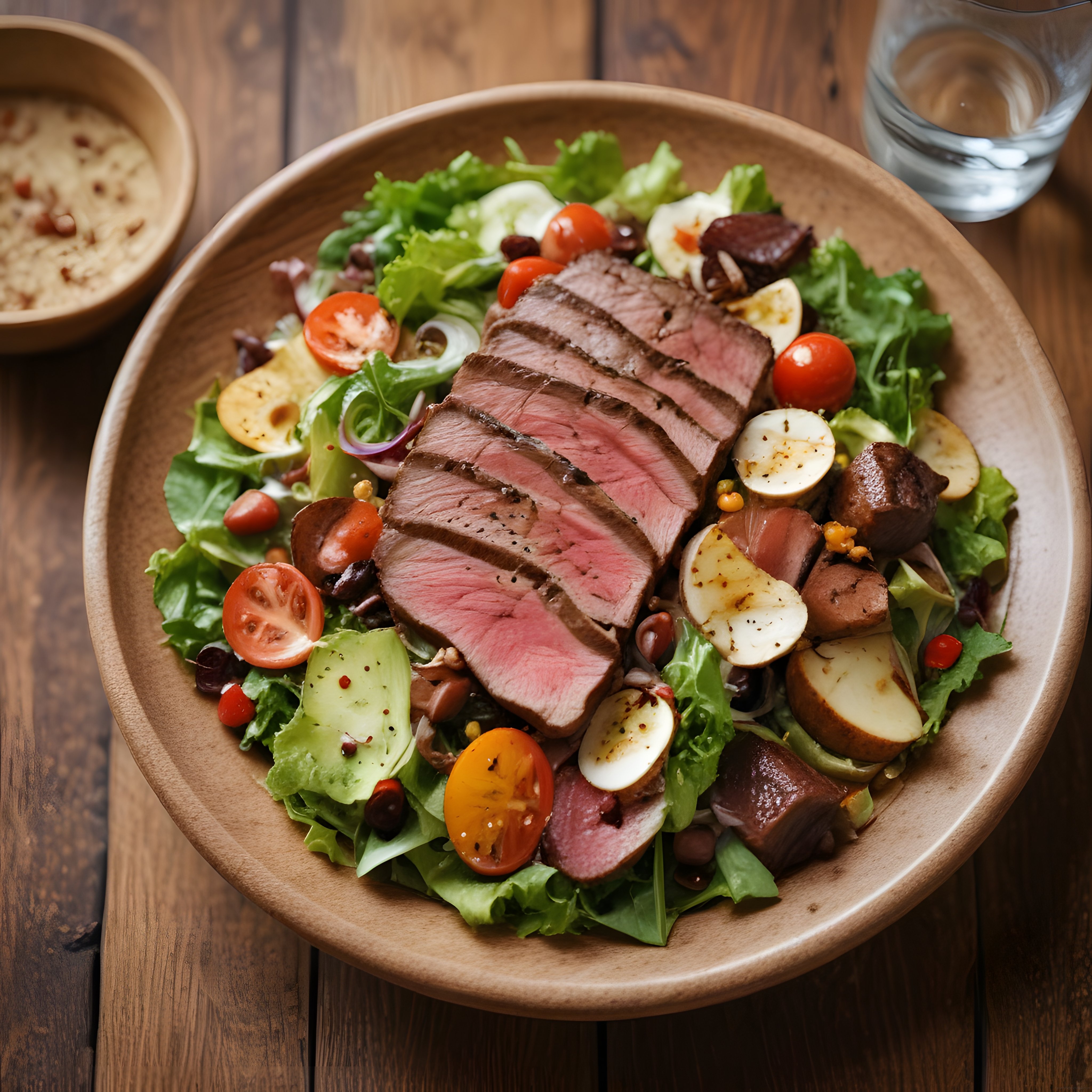
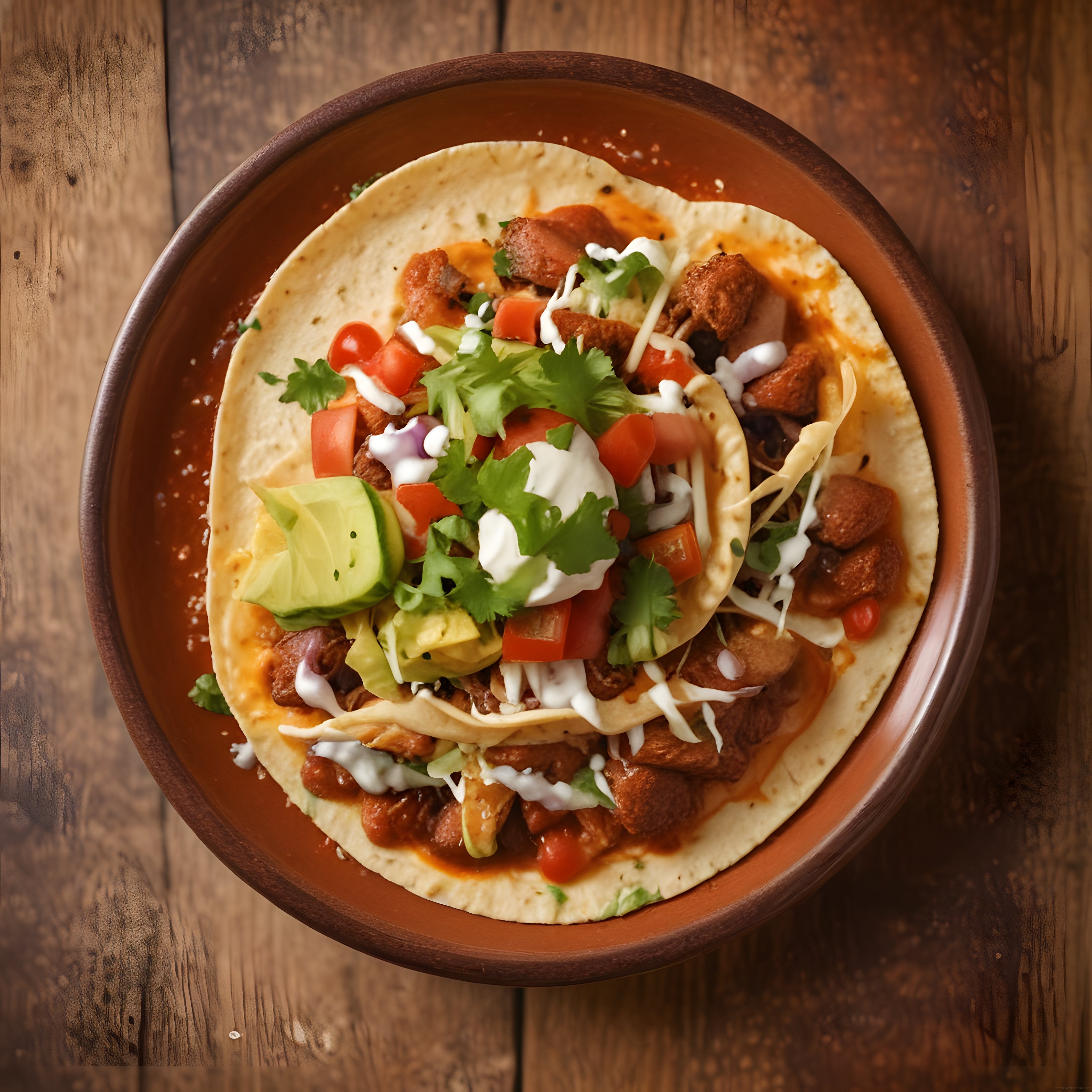
Çekim Tablosu
Belirtme (-i)danayı
Yönelme (-e)danaya
Bulunma (-de)danada
Çıkma (-den)danadan
Tamlayan (-in)dananın
Çoğul (-ler)danalar
Tanım
•isim, hayvan bilimi: İneğin, sütten kesildikten sonra bir yaşına kadar olan yavrusu
Atasözü & Deyim
“Besledik büyüttük danayı, şimdi tanımaz oldu anayı”
“Bostana dadanan eşeğin kuyruğu, kulağı olmaz”
“Yaza çıkardık danayı, beğenmez oldu anayı”
Diğer Dillerde
calf (young cow)
çekim: çoğul Kälber · tamlayan Kalbes
eş: Jungrind, Kalbfleisch, albernes Huhn, Kalbskopf, Mondkalb
köken: From Middle High German kalp, from Old High German kalb, from Proto-West Germanic *kalb, from Proto-Germanic *kalbaz, from Proto-Indo-European *gʷolbʰo- (“womb, animal young”). Compare Dutch kalf, English calf, Danish kalv.
aile: Blauwalkalb, Buckelwalkalb, Bullenkalb, Elchkalb, Elefantenkalb, Giraffenkalb, Hirschkalb, Hirschkalbsleber, Kalb-, kalben
Gehe auf dein Zimmer! — Odana git.
calf · veal · white-coated harp seal pup (Pagophilus groenlandicus)
çekim: çoğul veaux
eş: lovic
köken: Inherited from Old French veel, vedel, inherited from Latin vitellus. Doublet of vitellus.
aile: gueuler comme un veau, veau d'or
J'ai vu Dana. — Dana'yı gördüm.
İspanyolcaalevín, ballenata, ballenato, becerra, becerro, cervatilla (eril) /aleˈbin/
fry, alevin (young fish)
çekim: çoğul alevines
eş: alevino
köken: Borrowed from French alevin.
aile: alevinaje
¡Vete a tu habitación! — Odana git!
calf
çekim: çoğul polpacci
Hsieh Wen-hua. — Ceyhan - Adana.
Rusçaтелёнок /tʲɪˈlʲɵnək/
calf, bull calf
çekim: çoğul теля́та · tamlayan телёнка
eş: телок, телец
köken: From a diminutive of Old East Slavic телѧ (telę), from Proto-Slavic *telę.
aile: Phrases, куда́ Мака́р теля́т не гоня́л, Proverbs, ла́сковый телёнок двух ма́ток сосёт
Пучежский теннисный клуб. — Adana Tenis Kulübü.
صباح ياسين. — Günaydın Adana.
calf, back of the shank.
çekim: çoğul baldırlar · tamlayan baldırın
köken: From Proto-Common Turkic *baltïr (“calf of leg”).
calf (young cow or bull)
çekim: çoğul бұзаулар · tamlayan бұзаудың
köken: From Proto-Turkic *buŕagu (“calf”). Cognate with Old Turkic 𐰉𐰆𐰕𐰍𐰆 (buzaɣu), Bashkir быҙау (bıźaw), Kyrgyz музоо (muzoo), Southern Altai бозу (bozu), Uzbek buzoq, Uyghur موزاي (mozay), Turkish buzağı (“calf”), etc.
Özbekçeboldir
Felemenkçejong, kalf, kuit, kuitspier /jɔŋ/
young
çekim: karşılaştırma jonger · üstünlük jongst
eş: jeugdig
zıt: oud
köken: From Middle Dutch jonc, from Old Dutch junc, from Proto-West Germanic *jung, from Proto-Germanic *jungaz, from Proto-Indo-European *h₂yuh₁n̥ḱós. Compare German jung, English young, Danish ung, Icelandic ungur.
aile: jong geleerd is oud gedaan, jonge hond, jongeheer, verjongen
De ware aard komt boven. — Foyası meydana çıkıyor.
young cow; female calf; heifer
çekim: çoğul bezerras
köken: Feminine form of bezerro (“calf”)
Meias: Adílson Heleno. — Ceyhan - Adana.
a calf (young cow or bull)
köken: Compound of 子(こ) (ko, “child”) + 牛(うし) (ushi, “cow”).
İsveççevad, vadmuskel /vɑːd/
what
çekim: çoğul vads · tamlayan vads
köken: From Old Swedish hvat, hvadh, from Old Norse hvat, from Proto-Germanic *hwat, from Proto-Indo-European *kʷod. Closely related to German was and English what and cognates in other languages in the branch of Germanic languages. Other IE cognates are Latin qui, quae, quod and the derived words of its successors in the family of Romance languages.
aile: slå vad, vadslagning
calf (young bovine) · calf (young of certain other mammals such as some cervids, cetaceans, pinnipeds, elephants, rhinos, giraffes, hippopotami, camels) · a slow-witted person; a dimwit; a dolt
çekim: çoğul cielęta · tamlayan cielęcia
eş: cielak, cielaczek, reg. śl. cielok, fajtłapa
köken: Etymology tree Proto-Slavic *telę̀ Old Polish cielę Polish cielę Inherited from Old Polish cielę.
aile: cielęcy, cielak, cielęcina, cielętnik, cielica
Kasprzyk, Hanna. — Günaydın Adana.
Ukraynacaли́тка, теля́, теля́тко
Hintçeबछड़ा (eril) /bət͡ʃʰ.ɽɑː/
calf (child of a cow)
çekim: çoğul बछड़े
köken: Inherited from Sauraseni Prakrit 𑀯𑀘𑁆𑀙 (vaccha) + Middle Indo-Aryan -𑀟- (-ḍa-) + -𑀓- (-ka-), from Sanskrit वत्स (vatsa). Doublet of वत्स (vats) and बच्चा (baccā).
Fincepohje, poikanen, vasikka /ˈpohjeˣ/
calf (back of the leg below the knee)
çekim: çoğul pohkeet · tamlayan pohkeen
köken: From Proto-Finnic *pohkëda + -e, derived from Proto-Uralic *počka (whence Erzya пукшо (pukšo, “rump, thigh”)). The verb shares its root with potka; the root with -hk- goes back to *-šk-, which has split irregularly from *-čk- (which developed into the -tk- in potka). The same split is also seen in puhjeta, putkahtaa.
aile: pohjeapu, pohjehermo, pohjeihohermo, pohjelihas, pohjeluu, pohjepituinen, pohkeenväistö
calf
çekim: çoğul lýtka · tamlayan lýtka
köken: Inherited from Old Czech lýtka, from Proto-Slavic *lytъka.
calf · shank
çekim: çoğul gambe · tamlayan gambe
köken: Borrowed from Latin gamba, from Ancient Greek κάμπη (kámpē).
calf (young cow or bull) · calf (the young of another large mammal, such as a deer, roe, bison, giraffe, elephant, whale, seal, hippopotamus, etc.) · synonym of borjúhús (“veal”, the flesh of a calf [i.e. a young bovine] used for food)
çekim: çoğul borjúk
köken: Borrowed from Oghur before the times of the Hungarian conquest of the Carpathian Basin (at the turn of the 9th and 10th centuries), from Proto-Turkic *buŕagu. Compare Chuvash пӑру (păru, “calf”), Old Turkic 𐰉𐰆𐰕𐰍𐰆 (b¹uzǧu /buzaɣu/), Ottoman Turkish بوزاغو (buzağı, “calf”). The word can also be found in the Mongolic languages. The form that arrived in the Hungarian language was probably *buraɣu.
aile: borjas, borjazik, borjadzik, borjúaprólék, borjúbelsőség, borjúcsont, borjúcsorda, borjúcsülök, borjúfark, borjúfej
male calf · veal
çekim: çoğul עֲגָלִים
köken: From Proto-West Semitic *ʕigl-.
Latincesūra, vitella, vitellus, vitula, vitulus /wɪˈtɛl.lʊs/
a small calf · the yolk of an egg
çekim: çoğul vitellī · tamlayan vitellī
köken: Etymology tree Latin vitulus Proto-Indo-European *-lós Proto-Indo-European *-elós Proto-Italic *-elos Latin -lus Latin vitellus From vitulus (“a bull calf”) + -lus (suffix forming diminutives). Compare porcellus.
Dancakalv, læg, lægmuskel, unge /kalˀv/
calf (a young cow or bull, also used of some other large animals, e.g., the offspring of a deer, whale, elephant, or rhinoceros) · veal (calf meat) · A small island neighbouring a bigger island.
çekim: çoğul kalve · tamlayan kalvs
köken: From Old Norse kalfr (“calf”), from Proto-Germanic *kalbaz, cognate with Norwegian, Swedish kalv, Dutch kalf, German Kalb, and English calf.
Norveççelegg
Endonezcebetis /bəˈtis/
calf (anatomy: back of the leg below the knee)
çekim: çoğul betis-betis
köken: Inherited from Malay betis, from Proto-Malayic *bətis, from Proto-Malayo-Polynesian *bətiəs, from Proto-Austronesian *bətiəs.
aile: membetis
Etimoloji
From Proto-Turkic *tāna.
Örnek Cümleler
Odana git.
Go to your room.
Odana git!
Go to your room!
Odana dön!
Return to your room.
Odana geri dön.
Go back to your room.
O deli danaydı.
That was the mad cow.
Dana'yı gördüm.
I saw Dana.
Şimdi odana git.
Go to your room now!
Onu odana koydum.
I put it in your room.
Sadece odana git.
Just go to your room.
Dana'yı görüyorum.
I see Dana.
Odana gider misin?
Would you go to your room?
Dana eti yer misin?
Do you eat veal?
İlgili Sorular
%100 dana eti olduğu belirtilen bir ürün gerçekten sadece et mi içerir? İçinde kemik, deri, göz, diş ya da ayak tabanı gibi başka parçalar olabilir mi?
Yılın dört mevsiminde, ekvator, Yengeç Dönencesi, Oğlak Dönencesi ve Dana Point'ta öğle güneşi kaç derece açı yapar?
Bir ürünün %100 dana eti olduğunu duyduğumuzda, gerçekten sadece et mi içerir? Kemik, deri, göz, diş, ayak tabanı gibi parçalar da bulunur mu?
İlkbahar, yaz, sonbahar ve kışta öğle güneşi ekvator, Yengeç ve Oğlak Dönencesi ile Dana Point'ta ne kadar yükselir?
%100 dana eti olarak etiketlenen bir ürün gerçekten sadece et mi? İçinde kemik, deri, göz, diş ya da ayak gibi diğer bileşenler bulunabilir mi?
İlgili / Bileşik Terimler
Genelbeef
Genelveal