bıçak
/bɯtʃɑk/
noun
B1 seviye
TR → EN
"bıçak" kelimesinin İngilizcesi: knife, tableware, knife, knife. Anlamı, çevirisi, telaffuzu ve örnek cümleler aşağıdadır.
Çeviri
Genelknifenoun
Geneltableware
Genelknife
Genelknife
Görsel
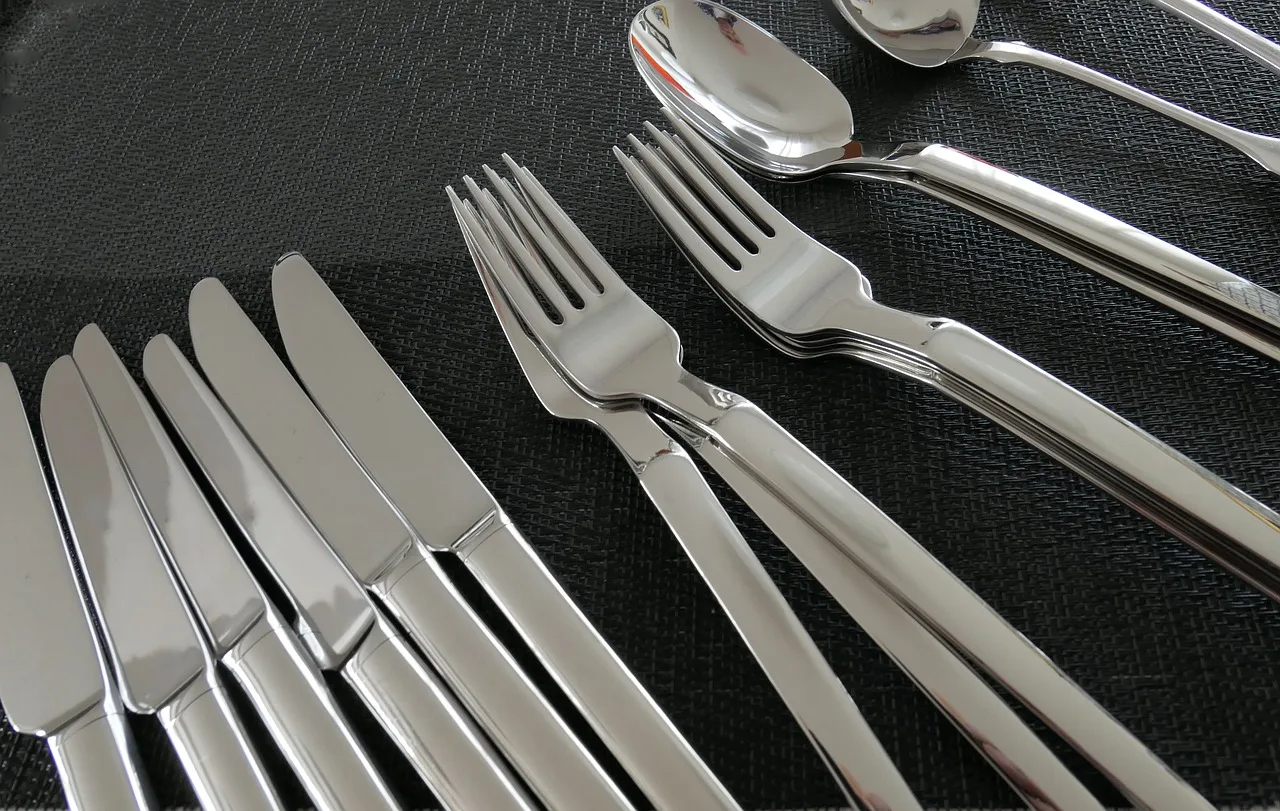
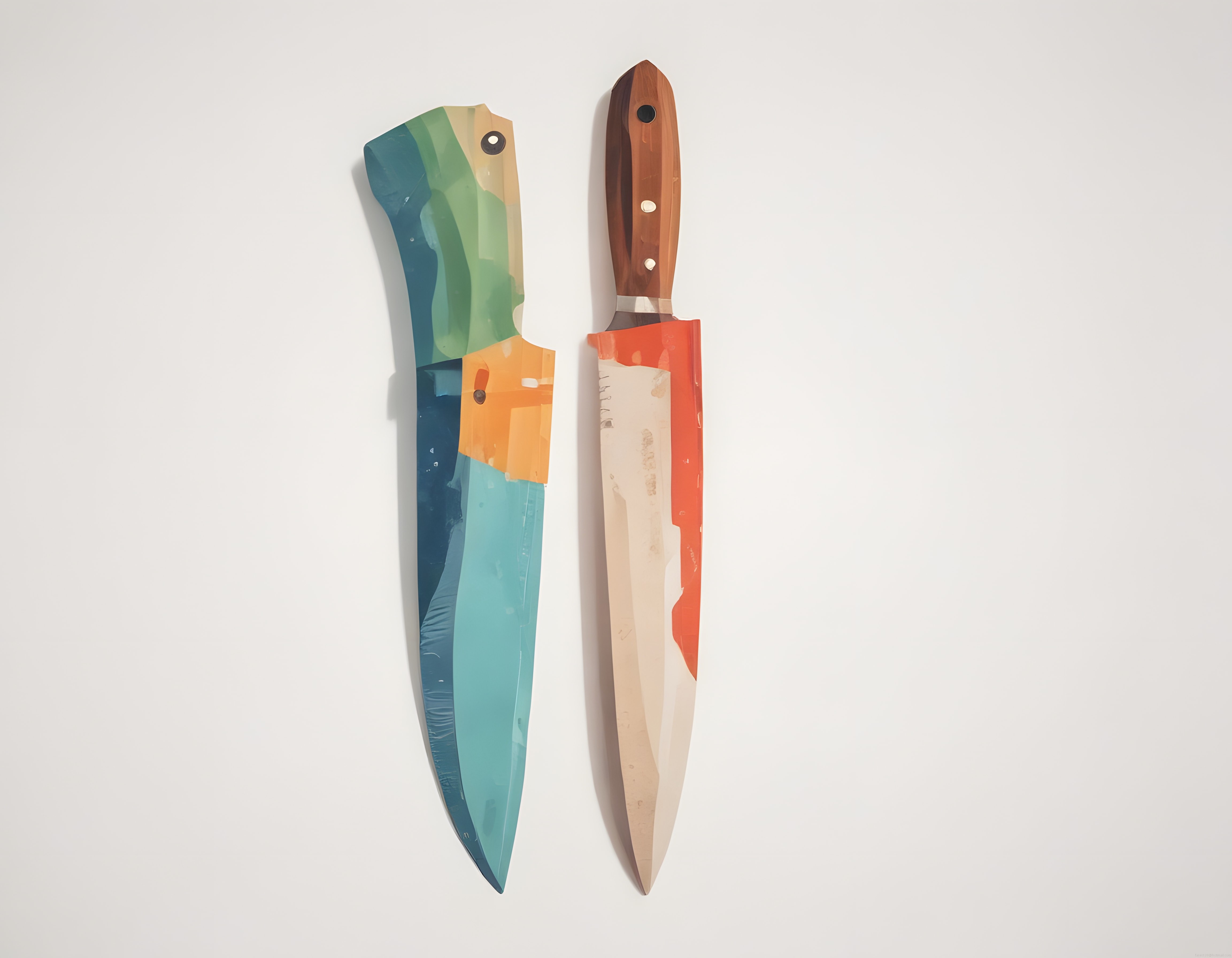
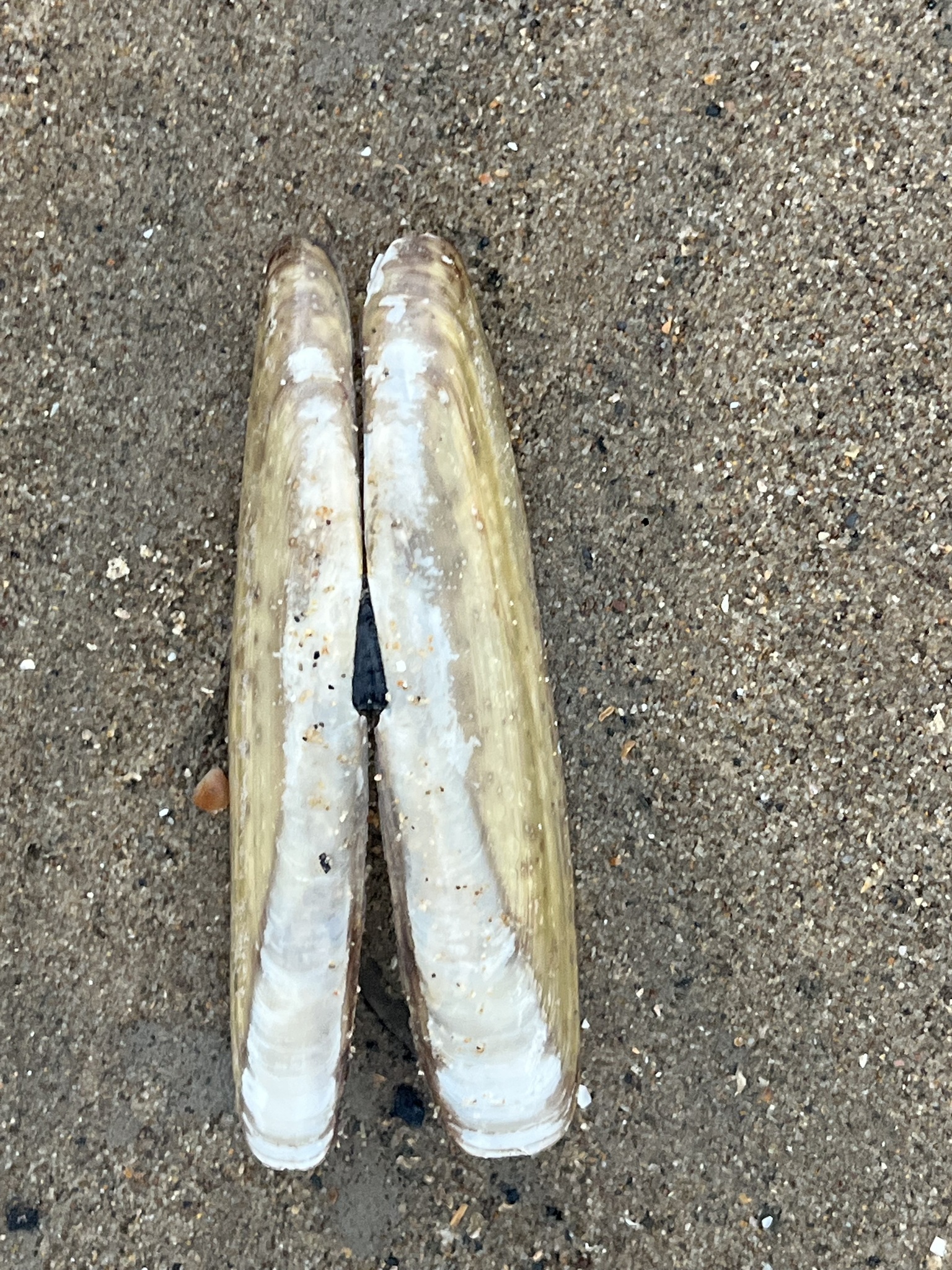
Çekim Tablosu
Belirtme (-i)bıçağı
Yönelme (-e)bıçağa
Bulunma (-de)bıçakta
Çıkma (-den)bıçaktan
Tamlayan (-in)bıçağın
Çoğul (-ler)bıçaklar
Tanım
•isim: Kesme işlerinde kullanılan, bir sap ve çelik bölümden oluşan kesici araç
•Çeşitli kesme işlerinde kullanılan, kesici ağzı bulunan ve amaca göre şekli ve niteliği değişen araç
Atasözü & Deyim
“Altın eli bıçak kesmez: 1”
“Kardeş kardeşi bıçaklamış, dönmüş yine kucaklamış”
Diğer Dillerde
knife
çekim: çoğul Messern · tamlayan Messers
eş: Schäler, Cutter
köken: Etymology tree Proto-Indo-European *meh₂d-der. Proto-Germanic *matiz Proto-West Germanic *mati Proto-Indo-European *sek-der. Proto-Germanic *sahsą Proto-West Germanic *sahs Proto-West Germanic *matisahs Old High German mezzisahs Middle High German messer German Messer From Middle High German messer, mezzer, from Old High German mezzir, mezzeres, mezzirahs, mezzisahs (“knife”), from Proto-West…
aile: Messerangriff, Messerattacke, Messerattentat, Messerchen, Messerfisch, Messergriff, Messerklinge, Messerrücken, messerscharf, Messerschärfe
Das Messer ist stumpf. — Bıçak kör.
knife · razor clam; any bivalve in the genus Solen.
çekim: çoğul couteaux
eş: amassette, coupe-choux, coupe-papier, économe, éplucheur, schlass
köken: Inherited from Old French coutel, from Latin cultellus, diminutive of culter (“knife, plough blade”); cognate with Italian coltello. Not related to couper.
aile: à couper au couteau, à couteaux tirés, couteau à beurre, couteau à cran d'arrêt, couteau à fromage, couteau à fruit, couteau à huîtres, couteau à pain, couteau à palette, couteau à poisson
Poignet, cutter... — - Bilek. Bıçak.
İspanyolcaacuchillar, cubertería, cuchillo, puñal, serranil, vajilla /akut͡ʃiˈʝaɾ/
to knife, stab (injure or kill by stabbing with a knife) · to sand, abrade (the process of using abrasive tools, in particular, on wood) · to cut with a knife anything other than humans
çekim: geçmiş acuchillé · ortaç acuchillado · şimdiki acuchilla
eş: lijar, pulir, alisar
köken: From a- + cuchillo + -ar and/or a- + cuchilla + -ar, depending on the sense.
aile: acuchillador, acuchillamiento
- No tengo cuchillos. — Bıçaklarım yok.
Entonces acuchillamos el aguacate
İtalyancaaccoltellare, coltello, lama /ak.kol.telˈla.re/
to knife or stab
çekim: geçmiş accoltellàto · ortaç accoltellàto · şimdiki accoltèlla · ulaç accoltellànte
eş: ammazzare, ferire, con un coltello, pugnalare, uccidere
köken: From a- + coltello (“knife”) + -are.
Avere questa pugnalata a lato. — Bu tarafta bıçak var.
Rusçaнож /noʂ/
knife · blade
çekim: çoğul ножи́ · tamlayan ножа́
eş: режик
köken: Inherited from Proto-Slavic *nožь.
aile: но́жницы, но́жны, ножо́вка, поножо́вщина, ножеви́дный, ножеви́лка, ножето́чка, штык-нож, без ножа́ ре́зать, ре́зать без ножа́
Отсутствует нож. — Bıçak eksik.
dagger
çekim: çoğul خَنَاجِر · tamlayan خَنْجَرٍ
köken: Etymology tree Middle Persian [Term?] Classical Persian خَنْجَر (xanjar)bor. Arabic خنجر Borrowed from Classical Persian خَنْجَر (xanjar).
aile: خَنْجَرِيّ
انها تدعى " السكين " — 'Bıçak' ,
blade, razor · sword, scimitar, cutlass, dagger, knife
köken: Possibly either borrowed from Parthian [script needed] (tyg /tēγ/, “blade; sword, lance”); or from Middle Persian [script needed] (tyh /tēx/, “sharp edge, ridge; ray”). Akin to Old Armenian տէգ (tēg), an Iranian borrowing.
Azericebıçaq, bıçaqlamaq, bıçaqnan kəsmək, çaqqı /bɯˈt͡ʃɑx/
knife
çekim: çoğul bıçaqlar · tamlayan bıçağın
köken: Derivation of Proto-Turkic *bïč- (“to cut”), whence also biçmək (“to cut”). By surface analysis, bıç- + -aq. Cognates Cognate with Old Turkic [script needed] (bičäk, “knife”), Tuvan бижек (bijek), Khakas пычах (pıçax), Shor пычақ (pïčaq), Karachay-Balkar бычакъ (bıçaq), Kumyk бичакъ (biçaq), Karakalpak pıshaq, Kazakh пышақ (pyşaq), Kyrgyz, Southern Altai бычак (bïčak), Tatar пычак (pıçaq), Uzbek…
aile: bıçaqçı, bıçaqçılıq, bıçaqlamaq, bıçaqlaşma, bıçaqlaşmaq
mətbəxt bıçağı
Qatil qurbanını bıçaqla vurdu.
Kazakçaпышақ /pə.ʃaq/
knife
çekim: çoğul пышақтар · tamlayan пышақтың
köken: Inherited from Proto-Turkic *bïčgak (“knife”), from Proto-Turkic *bïč- (“to cut”).
aile: пышақшы
Özbekçepichoq
knife
çekim: çoğul pichoqlar · tamlayan pichoqning
köken: Inherited from Chagatai پیچاق (pıčaq), from Proto-Turkic *bïčgak (“knife”), from Proto-Turkic *bïč- (“to cut”). Compare Tatar пычак (pıçaq).
Tatarcaпычак
knife
çekim: çoğul пычаклар · tamlayan пычакның
köken: From Proto-Turkic *bïčgak (“knife”), from Proto-Turkic *bïč- (“to cut”). Cognate with Old Uyghur [script needed] (bïčaq, “knife”); Bashkir бысаҡ (bısaq), Kazakh пышақ (pyşaq), Kyrgyz бычак (bıcak), Southern Altai бычак (bïčak), Karachay-Balkar бычакъ (bıçaq), Kumyk бичакъ (biçaq), Khakas пычах (pıçax), Shor пычақ (pïčaq), Tuvan бижек (bijek), Uzbek pichoq, Uyghur پىچاق (pichaq), Turkish bıçak,…
Felemenkçemes (nötr) /mɛs/
knife, cleaver · blade
çekim: çoğul messen
köken: From Middle Dutch mets, mes, contraction of *metses, from Old Dutch *metisas, *metsas, from Proto-West Germanic *matisahs (“food knife”).
aile: afbreekmes, botermes, broodmes, hakmes, kaasmes, kapmes, knipmes, messenslijper, messentrekker, oestermes
Messen ? — Bıçaklar mı?
Portekizcefaca (dişil) /ˈfa.kɐ/
knife
çekim: çoğul facas
köken: Unknown. Possibly from Latin falx (“sickle”). Cognate with Galician faca.
aile: esfaquear, faca de dois gumes, facada, facalhaz, facão, faqueiro, faquinha
Murro em Ponta de Faca. — Bıçakla çırpılır.
Yunancaλεπίδα, μαχαίρι, μαχαιρώνω (dişil) /leˈpi.ða/
blade
çekim: çoğul λεπίδες · tamlayan λεπίδας
köken: From Ancient Greek λεπίδα (lepída), the accusative singular of λεπίς (lepís, “flake; blade”).
Δεν έχω μαχαίρια. — Bıçaklarım yok.
Japoncaナイフ、刃物
「カーニバル」に — 'Bıçak' ,
Çinceдо, 刀子 /tɑʊ̯⁵⁵ d͡z̥z̩²/
small knife; pocketknife (Classifier: 把 m) · knife (in general) (Classifier: 把 m)
eş: 刀, 刀, 刀, 刀, 刀, 刀
aile: 刀子嘴豆腐心
欲爭奪天下第一刀。 — İlk bıçak darbesini vurdum.
İsveççedolk, hugga (med kniv), kniva, knivhugga, skära
a dagger (short stabbing weapon)
çekim: çoğul dolkar · tamlayan dolks
köken: From Middle Low German dolk, from Old Saxon *dalk, from Proto-West Germanic *dalk, from Proto-Germanic *dalkaz, from Proto-Indo-European *dʰalg-, *dʰalk-.
aile: dolksvans, dolkstöt
Hämta en kniv. — Bana bir bıçak verin.
en dolk i ryggen
knife, dagger (weapon designed with the aforementioned specifications intended for slashing or stabbing but too short to be called a sword)
çekim: çoğul noże · tamlayan noża
eş: kosa, reg. pozn. hajtok
köken: Etymology tree Proto-Slavic *nožь Old Polish nóż Polish nóż Inherited from Old Polish nóż.
aile: nożowaty, nożowiec, nożowisko, nóż się w kieszeni otwiera
- Nadgarstek... nóż... — - Bilek. Bıçak.
Ukraynacaле́зо, ніж, по́суд /nʲiʒ/
knife
çekim: çoğul ножі́ · tamlayan ножа́
köken: From Proto-Slavic *nožь.
Ніж у руці. — Elinde bıçak.
Він зна́є украї́нську кра́ще, ніж росі́йську.
knife
çekim: çoğul चाक़ुओं
köken: Borrowed from Classical Persian چَاقُو (čāqū), in turn from earlier چاکو (čākū) from Middle Persian [Book Pahlavi needed] (ckwc /čakuč/, “hammer”), from Avestan 𐬗𐬀𐬐𐬎𐬱 (cakuš, “battle-axe”), from Proto-Indo-European *keku- (“cudgel, hammer shaped stick”). Compare Bengali চাকু (caku), Gujarati ચાકુ (cāku), Kannada ಚಾಕು (cāku), Marathi चाकू (cākū), Nepali चक्कु (cakku), Odia ଚାକୁ (cāku), Punjabi…
service (set of dishes or utensils) · tableware
çekim: çoğul astiastot · tamlayan astiaston
köken: astia + -sto
aile: kahviastiasto, posliiniastiasto, pöytäastiasto, ruokailuastiasto, teeastiasto
Unten veitsi. — Bıçakla çırpılır.
Çekçenůž (eril) /ˈnuːʃ/
knife (tool) · knife (weapon)
çekim: çoğul nože · tamlayan nože
eş: kudla
köken: Inherited from Old Czech nóž, from Proto-Slavic *nožь.
aile: nožík, nožíř, nožířství
Nože? — Bıçaklar mı?
Rumencea da o lovitură de cuțit, cuțit (nötr) /kuˈt͡sit/
knife
çekim: çoğul cuțite · tamlayan cuțitului
köken: Probably from a Vulgar Latin root *cotītus (“sharpened”), from *cotīre (“sharpen”), from Latin cōs, cōtis (“whetstone”), or from *acutitus, from *acutīre, from acūtus (“sharp”). Compare Aromanian cutsut, cãtsut. Also, cf. ascuțit, cute.
aile: cuțitar, cuțitărie
Aruncător de cuţite ? — Bıçaklar mı?
knife
çekim: çoğul kések
köken: From Proto-Uralic *kečɜ. Cognates include Northern Mansi касай (kasaj).
aile: késhegy, késszúrás, sebészkés, vadászkés, zsebkés
Hát a számot. — Bıçaklar mı?
İbraniceסַכִּין
הם כינו אותו ה"סכין", — 'Bıçak' ,
Latinceculter /ˈkʊɫ.tɛr/
knife · razor
çekim: çoğul cultrī · tamlayan cultrī
köken: Uncertain. Explanations include: * From a formation equivalent to Proto-Indo-European *(s)kolh₂_/₃-trom, from the root *(s)kelH- (“to cut”). * From the root *(s)ker- (“to shear, cut off”) to a preform *kor-tro- which has undergone dissimilation */rtr/ > /ltr/. Both of the above etymologies assume a change in the suffix *-trom (and in gender), which otherwise would yield Latin *-trum. Compare…
aile: cultellus
knife
çekim: çoğul knive · tamlayan knivs
köken: From Old Danish knif, from Old Norse knífr (“knife”), from Proto-Germanic *knībaz, from Proto-Indo-European *gneybʰ-.
aile: barberkniv, bordkniv, brødkniv, butterflykniv, filetkniv, fiskekniv, flintekniv, foldekniv, frokostkniv, frugtkniv
Denne kniv skærer ikke godt. — Bu bıçak iyi kesmez.
Etimoloji
From Ottoman Turkish بیچاق (bıçak, “knife”), from Proto-Turkic *bïčgak, from *bïč- (“to cut”).
Deyimler
Kelime Ailesi
bıçaksırtı
Eş & Zıt Anlamlılar
Örnek Cümleler
Bıçak kör.
The knife is dull.
Bıçak kirli.
The knife is dirty.
Bıçakla kes.
Cut it with the knife.
Bıçaklar mı?
Knives?
Bıçak çıktı!
Knife!
Bu bıçak kör.
This knife is dull.
Bu bir bıçak.
This is a knife.
Bıçak nerede?
Where's the knife?
Bıçak keskin.
The knife is sharp.
Hiç bıçak yok.
There's no knife.
Bir bıçak var.
There is a knife.
Tom bıçaklandı.
Tom was stabbed.
İlgili Sorular
İlgili / Bileşik Terimler
Genelblade runner