Sözlük
/bavul
bavul
"bavul" kelimesinin İngilizcesi: suitcase, portmanteau, suitcase. Anlamı, çevirisi, telaffuzu ve örnek cümleler aşağıdadır.
Çeviri
Genelsuitcasenoun
Genelportmanteau
Genelsuitcase
Görsel
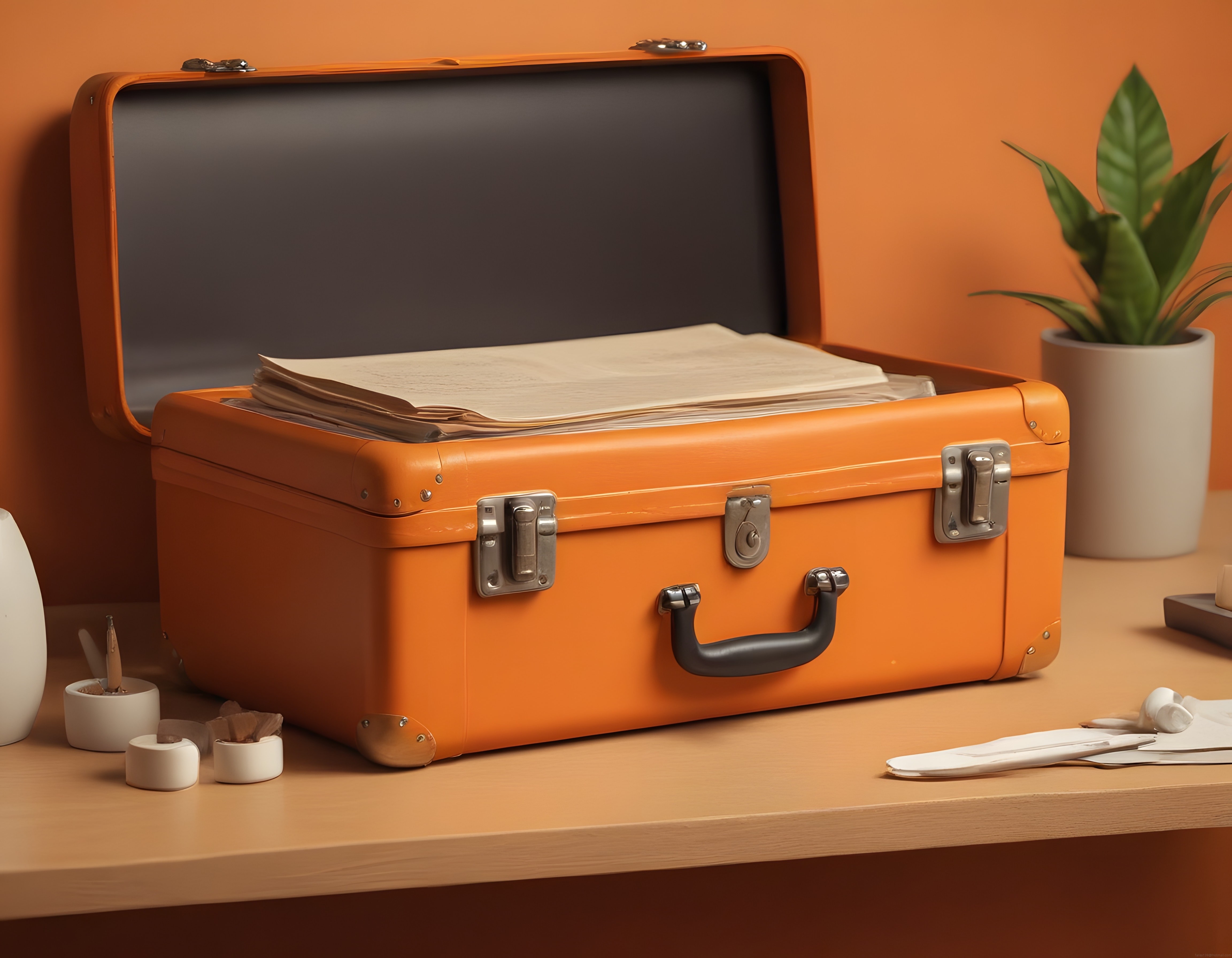


Çekim Tablosu
Belirtme (-i)bavulu
Yönelme (-e)bavula
Bulunma (-de)bavulda
Çıkma (-den)bavuldan
Tamlayan (-in)bavulun
Çoğul (-ler)bavullar
Tanım
•isim: İçine eşya konulan ve genellikle yolculukta kullanılan büyük çanta
Diğer Dillerde
AlmancaKoffer, Reisetasche (eril) /ˈkɔfɐ/
a case; a suitcase or briefcase
çekim: çoğul Koffern · tamlayan Koffers
eş: Armleuchter, Flasche, Tölpel, Vollkoffer
köken: From Late Middle High German koffer, from Middle Dutch coffer, from Old French cofre.
aile: auf gepackten Koffern sitzen, aus dem Koffer leben, Kofferatombombe, Kofferbombe, Kofferdamm, Kofferdeckel, Kofferfisch, kofferförmig, Koffergerät, Koffergriff
Dein Gepäck! — Bavul !
FransızcaCoffre, malle, valise (dişil) /va.liz/
case, suitcase · eyebag
çekim: çoğul valises
köken: Inherited from Middle French valise, from Medieval Latin valesia, valixia, from Late Latin valisia, possibly from Gaulish *valisia (“leather bag”), from Proto-Celtic *val- (“to enclose, surround”), from Proto-Indo-European *welH-. Or, possibly from Arabic وَلِيهَة (walīha, “large bag”). Maybe a borrowing through Italian valigia, even though this is dubious. Compare Spanish valija.
aile: dévaliser, faire sa valise, faire ses valises, mot-valise, poser ses valises
Votre caisse sautille dans tous les sens — Bavul !
Le boiteux empoigna sa valise par terre, la plaça sur une chaise et souleva le couvercle.
suitcase (large piece of luggage) · schoolbag · trunk, boot (of a car)
çekim: çoğul maletas
eş: petaca, valija, baúl, maletera, maletero, valija
köken: From mala (“suitcase”, originally referred to a larger item like a chest or trunk) + -eta (diminutive suffix).
aile: hacer la maleta, hacer las maletas
- Mama, es pesado. — - Anne o bavul ağır.
İtalyancavaligia (dişil) /vaˈli.d͡ʒa/
suitcase
çekim: çoğul valigie
eş: bagaglio, borsa
köken: Borrowed from a language of Northern Italy (cf. Venetan valís, Lombard valiza), from Medieval Latin valesia, valixia, from Late Latin valisia, possibly from Gaulish *valisia (“leather bag”), from Proto-Celtic *wal- (“to enclose, surround”), from Proto-Indo-European *welH-. Or, possibly from Arabic وَلِيهَة (walīha, “large bag”). Related to French valise and Spanish valija, though it is unclear if…
Si', gia', fa' i bagagli. — Sen bavullarını hazırla.
Rusçaбаул, чемодан
"Записки из чемодана". — "Bavulun sesi".
ااه هناك الكثير اجمل هناك — Daha güzel bavullar var.
Farsçaچمدان /t͡ʃa.ma.ˈdaːn/
suitcase · luggage, baggage
çekim: çoğul چمدانها
köken: Borrowed from Russian чемода́н (čemodán), from Persian جامهدان (jâme-dân, “suitcase”).
آخ، چمدونمو گم کردهام.
Azericeçamadan
suitcase, trunk
çekim: çoğul çamadanlar · tamlayan çamadanın
köken: From Persian جامهدان.
Kazakçaшабадан
suitcase
çekim: çoğul шабадандар · tamlayan шабаданның
köken: From Persian جامهدان. Cognate with Azerbaijani çamadan, Nogai шемидан (şemidan), Tajik чамадон (čamadon), Turkmen çemedan, etc.
Özbekçechemodan
a suitcase · a luggage compartment in a small vehicle; a trunk, a boot · a trunk, a large chest used to move luggage
çekim: çoğul koffers
eş: valies, reiskist, bergkist, kist, opbergkist
köken: From Middle Dutch cofer, couer, from Old French cofre, coffre, from Latin cophinus (“basket”), from Ancient Greek κόφινος (kóphinos, “basket”).
aile: dakkoffer, geldkoffer, handkoffer, hutkoffer, kofferbak, kofferdam, kofferen, kofferruimte, kofferschrijfmachine, plofkoffer
- Mam, het is zwaar. — - Anne o bavul ağır.
Portekizcemala (dişil) /ˈma.lɐ/
suitcase · luggage · boot, trunk
çekim: çoğul malas
eş: mala postal, mala de mão, bucho, bunda, retaguarda, traseiro
köken: Borrowed from French malle (“large suitcase; trunk”), from Middle French malle, from Old French male (“leather bag, leather or wooden travel-case”), from Frankish *malha (“leather bag”), from Proto-Germanic *malhō (“leather bag”), from Proto-Indo-European *molko- (“leather bag”).
«Definição de Bagaço». — "Bavulun sesi".
Yunancaβαλίτσα (dişil) /vaˈli.t͡sa/
suitcase
çekim: çoğul βαλίτσες · tamlayan βαλίτσας
köken: Borrowed from Italian valigia.
aile: βαλιτσάκι, βαλιτσούλα, βαλιτσάρα
Η βαλίτσα μου χάθηκε. — Bavulum kayboldu.
suitcase
köken: Borrowed from English suitcase.
マーガレット・アトウッドの『キャッツアイ』 — Bir bavul dolusu kitabım var.
suitcase
köken: From English suitcase.
자료 입수”. — "Bavulun sesi".
İsveççekappsäck, koffert, resväska
a carpetbag (or similar bag made of for example soft leather, typically with a top rim that splits open wide) · a portmanteau (traveling case or bag, often opening into two equal sections) · a suitcase, a bag (more generally, when kappsäck is used for rhetorical flair – see usage notes)
çekim: çoğul kappsäckar · tamlayan kappsäcks
köken: Calque of German Mantelsack, from kappa (“coat”) + säck (“sack”). First attested in 1482.
- Mamma, det är tungt. — - Anne o bavul ağır.
packa pappas kappsäck
packa kappsäcken och lämna allt bakom sig
bo/leva i kappsäck
trunk (large suitcase)
çekim: çoğul walizy · tamlayan walizy
köken: Etymology tree French valisebor. Polish waliza Borrowed from French valise.
Jak czytać teczki”. — "Bavulun sesi".
Ukraynacaвалі́за, валі́зка
Ми закрили валізу. — Biz bavulu kapattık.
Fincematkalaukku /ˈmɑtkɑˌlɑu̯kːu/
suitcase, trunk, portmanteau
çekim: çoğul matkalaukut · tamlayan matkalaukun
köken: matka (“trip”) + laukku (“bag”)
aile: matkalaukkuelämä, matkalaukkulapsi
Aivan, hyvä, alahan pakata. — Sen bavullarını hazırla.
Çekçekontaminace, kufr (dişil) /ˈkontamɪnat͡sɛ/
contamination, pollution (the act or process of contaminating) · contamination, portmanteau (grammatical blend)
çekim: çoğul kontaminací · tamlayan kontaminací
- Jo, podej mi ten kufr. — - Sağ ol, bavulu ver.
suitcase, valise
çekim: çoğul geamantane · tamlayan geamantanului
köken: Borrowed from Ottoman Turkish جامدان (camadan), from Persian جامهدان (jâme-dân).
Am o valiză plină de cărţi. — Bir bavul dolusu kitabım var.
Macarcabőrönd, kézitáska, koffer /ˈbøːrønd/
suitcase
çekim: çoğul bőröndök
köken: First attested in 1786. Back-formation from bőrönde, from bőr (“skin”) + -önde (a suffix created by the language reformers). The -e ending was interpreted as a possessive suffix or a diminutive suffix, so the word was shortened. Created during the Hungarian language reform, which took place in the 18th–19th centuries. For the suffix, compare bölcsőde.
aile: bőröndnyi, bőröndös
A „rosszkedv táska”. — "Bavulun sesi".
İbraniceמזוודה \ מִזְוָדָה
אחי לקשמנה. — Sen bavullarını hazırla.
portmanteau, saddlebag(s)
çekim: çoğul avertae · tamlayan avertae
köken: Borrowed from Ancient Greek ᾰ̓ορτή (ăortḗ, “knapsack”). Attested from ca. 4th century CE. Either influenced by āvertō (“to turn something away”) or borrowed early enough (despite the late attestation), and through a Greek dialect preserving /w/, to participate in the early Latin sound change /wo/> /we/.
aile: avertārius
Dancakuffert
suitcase
çekim: çoğul kufferter · tamlayan kufferts
köken: Via Low German Kuffer, Kuffert, from French coffre, from Latin cophinus, from Ancient Greek κόφινος (kóphinos).
Bagagen er klar — Tüm bavullarımı topladım.
Norveççekoffert
«Har lagt igjen bagasjen. — Bavula zorlanmadan sığdı" demiştir.
Endonezcekoper /ˈkopər/
briefcase (A case used for carrying documents, especially for business) · suitcase (A large piece of luggage used for carrying clothes, and sometimes suits, when travelling)
çekim: çoğul koper-koper
köken: Borrowed from Dutch koffer.
- Mom, itu berat. — - Anne o bavul ağır.
Etimoloji
İtalyanca
Örnek Cümleler
Bu bavulu al.
Take this suitcase.
Bavulum hazır.
My suitcase is packed.
Bu bavul ağır.
This suitcase is heavy.
Bavulum kayıp.
My suitcase is missing.
Bu bavul benim.
This suitcase is mine.
Bavulun nerede?
Where's your suitcase?
O kimin bavulu?
Whose suitcase is that?
Bavulum nerede?
Where's my suitcase?
Bavullar nerede?
Where are the suitcases?
O benim bavulum.
That's my suitcase.
Bavulu kapattık.
We've closed the suitcase.
Bu kimin bavulu?
Whose suitcase is this?
İlgili Sorular
Annem Filipinler'den gelen bir kadın ve eski bir bavulunda "kumbias" diye bilinen eğlenceli müzik kasetleri bulunuyor. Dikiş yaparken bu kasetleri çalıyor ve çevresindekileri dans ettiriyor. Aklıma bir kuş sesini andıran "koo koo" ya da "coo coo" melodisi takıldı. Bu şarkıyı hatırlayan var mı?
Eski kız arkadaşıma doğum günü hediyesi olarak ne alabilirim? 50‑80 dolar arasında, 7 saatlik bir uçuşta bavulda taşınabilecek bir şey olmalı.
Filipinli biriyim ve annemin büyük bir bavulunda "kumbias" adlı komik müziklerin olduğu kasetler var. Bu kasetleri dikiş yaparken çalıyor ve yanındaki herkesi dans ettiriyor. Kafamda kuş sesine benzeyen "koo koo" ya da "coo coo" şeklinde bir melodi takıldı. Bu şarkıyı bilen var mı?
Annem Filipinler'den ve eski bir bavulunda "kumbias" diye adlandırılan neşeli müzik kasetleri bulunuyor. Dikiş yaparken bu kasetleri çalıyor ve çevresindekileri dans ettiriyor. Kulaklarımda kuş sesini andıran "koo koo" ya da "coo coo" gibi bir melodi çalıyor. Bu şarkıyı hatırlayan birisi var mı?
Eski sevgilimle hâlâ dostça bir ilişkim var ve doğum günü için 50‑80 dolar arasında, uzun bir uçuşta bavulda sorunsuz taşınabilecek bir hediye seçmem gerekiyor. Fikirleriniz var mı?
Birleşik Kelimeler
bavul ticaretibavul turizmi