öğle yemeği
noun
TR → EN
"öğle yemeği" kelimesinin İngilizcesi: lunch, lunch. Anlamı, çevirisi, telaffuzu ve örnek cümleler aşağıdadır.
Çeviri
Genellunchnoun
Genellunch
Görsel
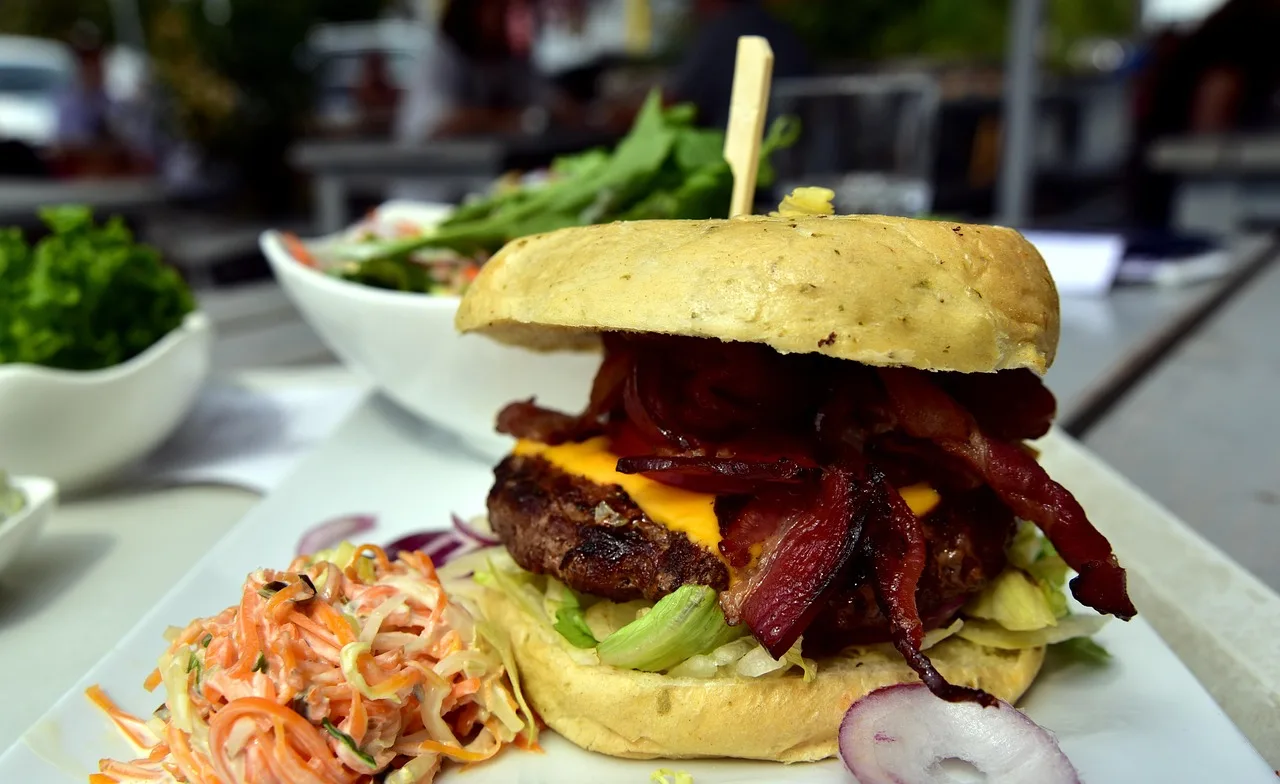
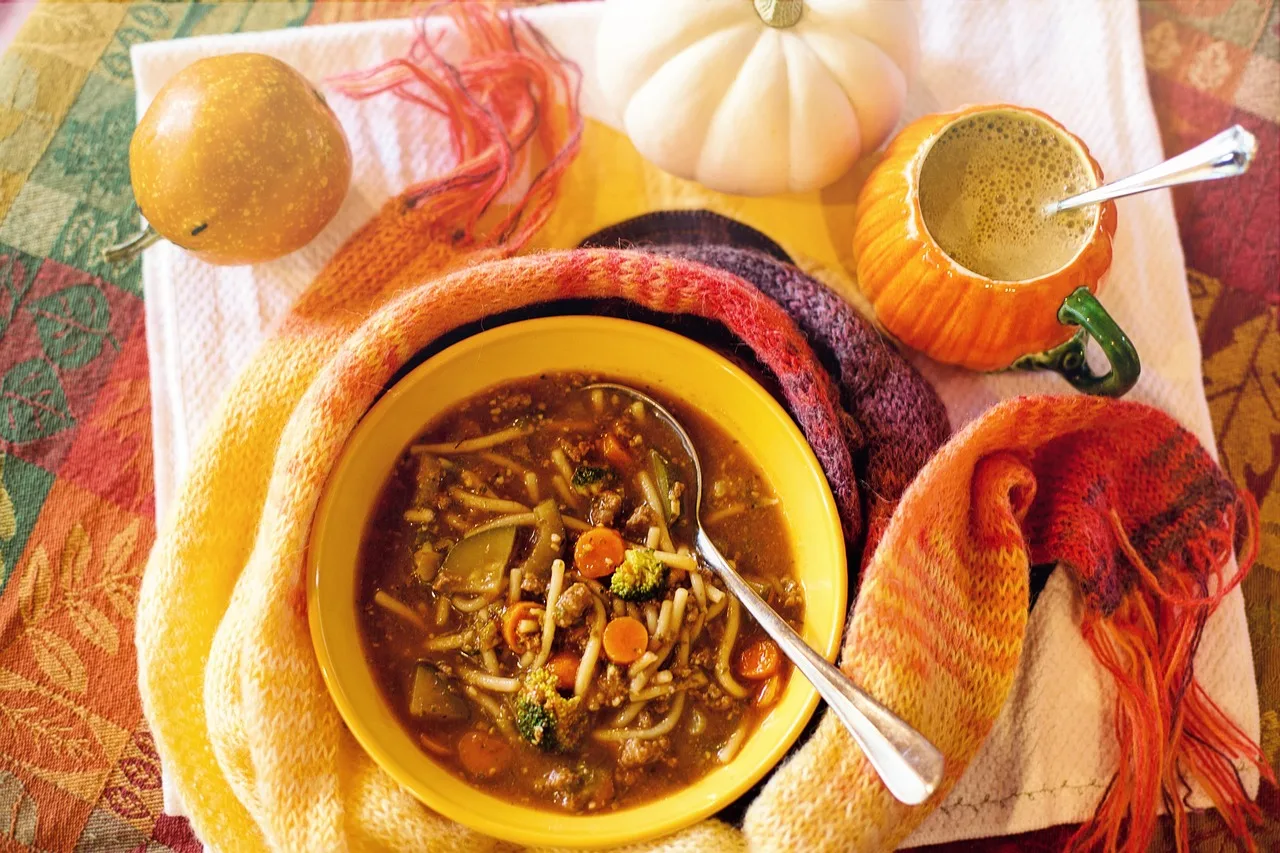
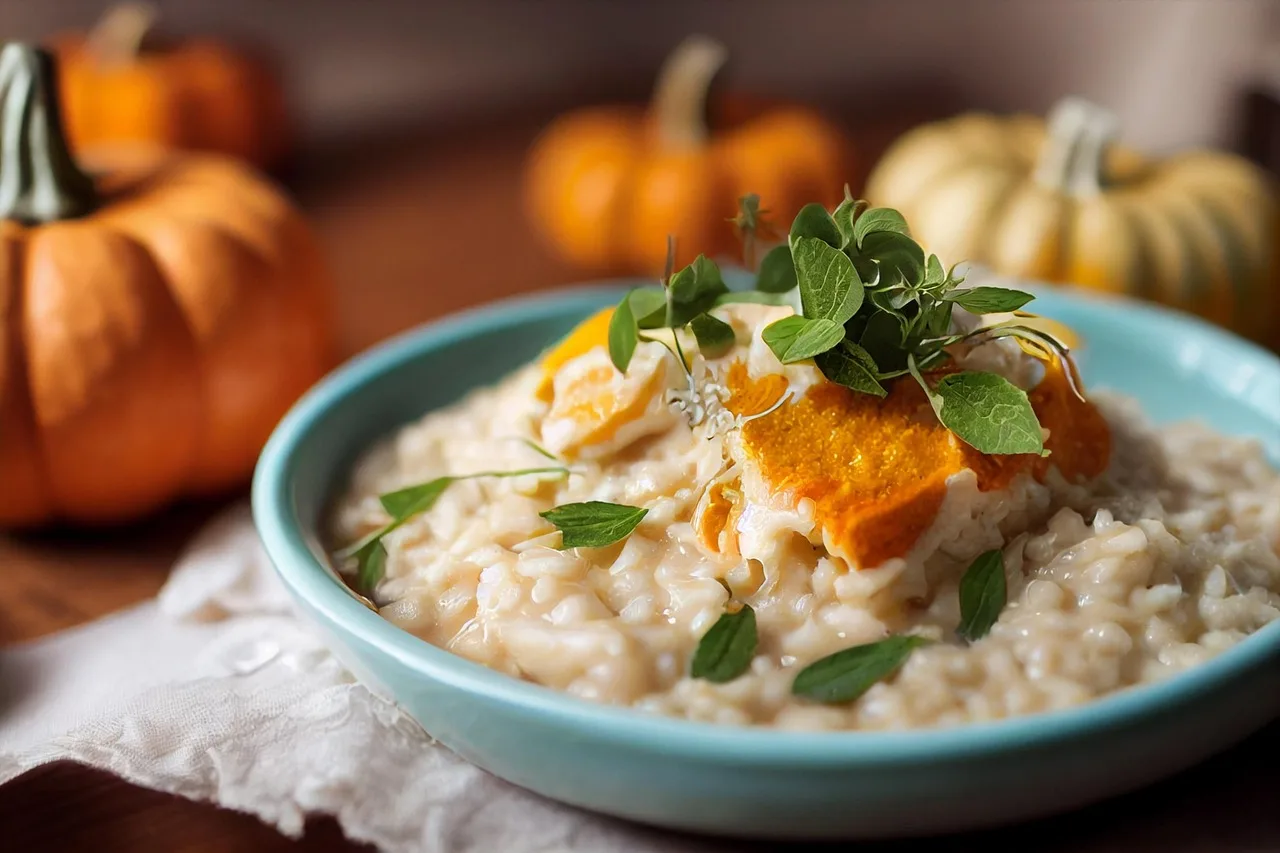
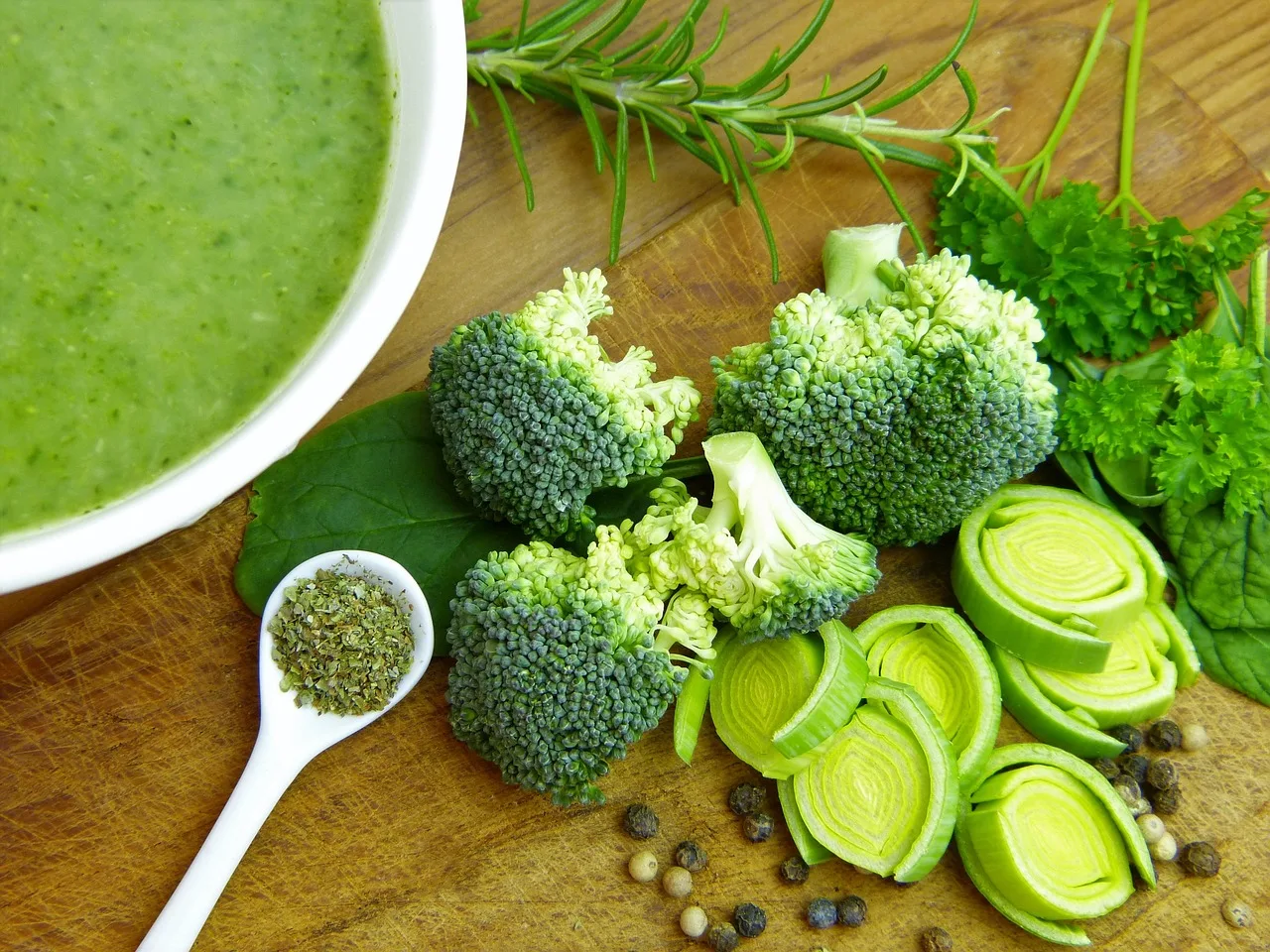
Çekim Tablosu
Belirtme (-i)öğle yemeğini
Çoğul (-ler)öğle yemekleri
Tanım
•öğle saatlerinde yenen yemek
•Öğle saatlerinde yenen yemek
Diğer Dillerde
Almancamittagessen (nötr) /ˈmɪtakʔɛsn̩/
lunch
çekim: tamlayan Mittagessens
eş: Dinner, Mittagbrot, Mittagstisch, Mittagsmahl, Mittagsmahlzeit, Zmittag
köken: Mittag (“midday”) + Essen (“meal”)
Ich aß zu Mittag. — Öğle yemeğini yedim.
Ein Butterbrot war mein einziges Mittagessen.
to lunch, to eat lunch, to have lunch · to have breakfast
çekim: geçmiş déjeuné · ortaç déjeuné · şimdiki déjeune · ulaç déjeunant
köken: From dé- + jeûner (“un fast (to break fast)”) or from a Vulgar Latin *disieiūnāre, from Late Latin ieiūnāre, from Latin ieiūnus. Compare Catalan dejunar, Spanish desayunar, Italian digiunare, Occitan dejunar, Portuguese desjejuar. Doublet of dîner from which English dine descended.
aile: déjeuner à la fourchette, petit déjeuner
Le menu de bénichon est servi au repas de midi. — Öğle yemeği Öğle namazı
İspanyolcaalmorzar, almuerzo, comida, lonch, lonchar, lonche /almoɾˈθaɾ/
to eat lunch · to eat for lunch · to have dinner
çekim: geçmiş almorcé · ortaç almorzado · şimdiki almuerza
köken: From almuerzo + -ar.
La comida está lista. — Öğle yemeği hazır.
İtalyancapranzare, pranzo, seconda colazione /pranˈd͡za.re/
to lunch, have lunch · to dine, have dinner · to eat
çekim: geçmiş pranzàto · ortaç pranzàto · şimdiki prànza · ulaç pranzànte
eş: alimentarsi, banchettare, desinare, mangiare, nutrirsi, pasteggiare
köken: From pranzo + -are.
Andiamo a pranzo. — Öğle yemeğine gidelim.
lunch
çekim: çoğul ла́нчи · tamlayan ла́нча
eş: ленч
köken: Borrowed from English lunch.
Пора обедать! — Öğle yemeği hazır!
Arapçaغَدَاء
الساعة 12: وجبة غداء. — Öğle yemeği Öğle namazı
Azericegünorta yeməyi, nahar /nɑˈhɑr/
lunch
çekim: çoğul naharlar · tamlayan naharın
köken: From Persian ناهار (nâhâr).
Kazakçaқонақасы, түскі ас, түскі тамақ, түскілік, түстік
Özbekçeikkinchi nonushta, lench, tushlik
Felemenkçelunchen, middageten /ˈlʏn.ʃə(n)/
to (have) lunch
çekim: geçmiş lunchten · ortaç geluncht · şimdiki luncht · ulaç lunchend
eş: middagmalen
köken: Borrowed from English lunch, presumably short for luncheon, which see.
aile: lunchtafel, lunchtijd, lunchuur
Lunch! — Öğle yemeği vakti!
to have lunch · to eat for lunch
çekim: geçmiş almocei · ortaç almoçado · şimdiki almoça
köken: From almoço (“lunch”) + -ar.
O almoço está pronto? — Öğle yemeği hazır mı?
No próximo domingo, nós poderemos almoçar juntos.
Ontem almocei arroz com feijão, entre outras comidas.
Yunancaγεύμα, γευματίζω, μεσημεριανό (nötr) /ˈʝev.ma/
meal, especially lunch
çekim: çoğul γεύματα · tamlayan γεύματος
eş: γέμα, γιόμα
köken: From Ancient Greek γεῦμα (geûma, “taste”).
aile: απόγευμα
Το φαΐ είναι έτοιμο! — Öğle yemeği vakti!
lunch
çekim: geçmiş ランチした
köken: Borrowed from English lunch.
昼食は弁当。 — Esnafın öğle yemeğidir.
Korece런치, 오반, 점심, 점심 식사(點心食事)를 드시다, 점심 식사(點心食事)를 하다, 점심 식사(點心食事)를 하시다 /ˈt͡ɕɘ(ː)mɕʰim/
lunch, luncheon · midday
eş: 점심밥, 중식, 런치, 초배기, 낫밥
köken: Sino-Korean word from 點心 (“snack”). First attested in the 順天金氏墓出土簡札/순천김씨 묘 출토 간찰 ("Letters excavated from the grave of Lady Suncheon Kim"), c. 1585, as Middle Korean 뎜심 (Yale: tyemsim). Doublet of 딤섬 (dimseom), and cognate with Jeju 징심 (jingsim).
아침밥 점심 저녁밥 — Öğle yemeği Öğle namazı
점심을 먹다
아빠는 점심에 고기 먹는 거 싫어해.
İsveççeäta lunch, luncha
Lunch! — Öğle yemeği vakti!
Lehçejeść obiad, obiad
spożywać południowy posiłek
eş: mieć obiad, obiadować
Obiad! — Öğle yemeği vakti!
Ukraynacaобі́д, обі́дати, пообі́дати
Я обідаю. — Öğle yemeği yiyorum.
Hintçeदोपहर का खाना, नहार, लंच (eril) /nə.ɦɑːɾ/
daytime, day
çekim: çoğul नहारों
köken: Borrowed from Classical Persian نَهَار (nahār), from Arabic نَهَار (nahār). Compare नहारी (nahārī).
लाजपतराय तिरा नेमुलबदल मुम्किन नहीं दुश्मने - हिन्दोस्तां है गर्दिशे - लैलो - नहार
Fincelounas, lounastaa /ˈlou̯nɑs/
southwest · lunch
çekim: çoğul lounaat · tamlayan lounaan
zıt: koillinen
köken: Proto-Finnic *louna + -as, from Proto-Finno-Permic *lowna (“day, midday”). Cognates include Karelian lounat (“evening/main meal”), Veps louna, Votic lõunõd (“south, lunch”), Estonian lõuna (“south, lunch”) and Komi-Permyak лун (lun). Permic cognates have the meaning "day", whereas Baltic-Finnic cognates denote the direction where the Sun is at midday or the meal eaten at midday. The compass point…
aile: lounainen, lounastaa, aamulounas, edustuslounas, etelälounas, kenttälounas, korruptiolounas, liikelounas, lounasaika, lounasjono
Lounaalle! — Öğle yemeği vakti!
lunch, meal eaten in the middle of the day (whether it is the main meal or not)
çekim: çoğul obědy · tamlayan oběda
eş: obídek
köken: Inherited from Old Czech oběd, from Proto-Slavic *obědъ.
aile: obědvat
Oběd! — Öğle yemeği vakti!
lunch
çekim: çoğul dejunuri · tamlayan dejunului
köken: Borrowed from French déjeuner.
aile: mic dejun
Nu mănânc de prânz. — Öğle yemeği de yok.
lunch (a meal eaten around midday; the meals prepared for lunch)
çekim: çoğul ebédek
köken: Borrowed from a Slavic language, from Proto-Slavic *obědъ, ultimately from Proto-Indo-European *h₁ed-. Compare Slovak obed, Polish obiad, Russian обе́д (obéd, “lunch”).
aile: ebédel, ebédke, búcsúebéd, díszebéd, ebédfőzés, ebédhordó, ebédidő, ebédjegy, ebédszünet, ebédvendég
Ebédidő! — Öğle yemeği vakti!
İbraniceאֲרוּחַת צׇהֳרַיִם
הבאתי ארוחת הצהריים שלך. — Ben öğle yemeği getirdim.
Latinceprandeō, prandium /ˈpran.di.ũː/
late breakfast, luncheon, lunch (eaten about midday) · fodder
çekim: çoğul prandia · tamlayan prandiī
köken: * Might be from Proto-Italic *prāmo-(e)d-yom, from Proto-Indo-European *pr̥h₂mós (“first”) + *h₁ed- (“to eat”), thus originally "first meal". See prīmus, edō and compare Ancient Greek ἄριστον (áriston). Also compare Proto-Slavic *obědъ (whence Russian обе́д (obéd)) from *o(b) + *ěsti. * Another interpretation for the first element is *pram (“before > early”), from Proto-Indo-European *preh₂m.
aile: prandeō, prandiolum, prandiculum
Nūllum grātuītum prandium
lunch (a meal eaten around noon)
çekim: çoğul frokoster · tamlayan frokosts
köken: From Middle Low German vrōkost (“early meal”), from vrō (“early”) + kost (“meal”). The Scandinavian cognates have the meaning "breakfast": Norwegian Bokmål frokost and Swedish frukost.
aile: julefrokost
Frokost! — Öğle yemeği vakti!
Norveççelunsj
«Midtsidebåten. — Esnafın öğle yemeğidir.
Endonezcemakan siang
lunch
çekim: çoğul makan-makan siang
köken: Likely from makan (“to eat”) + siang (“afternoon”), literally “afternoon eating”.
Templat:Topik sarapan — Öğle yemeği Öğle namazı
Apa yang kamu bawa untuk makan siang?
Apa makan siangmu kali ini?
Vietnamcaăn trưa, bữa ăn trưa, bữa trưa /ʔan˧˧ t͡ɕɨə˧˧/
to have lunch, to have a noon meal
köken: ăn (“to eat”) + trưa (“noon”).
- Đến giờ ăn trưa rồi! — - Öğle yemeği sırası bu!
Etimoloji
öğle ("noon") + yemek ("meal")
Örnek Cümleler
Öğle yemeği ye.
Have lunch.
Öğle yemeği hazır.
Lunch is on.
Öğle yemeği hazır!
Lunch is ready!
Öğle yemeği yedik.
We had lunch.
İşte öğle yemeğin.
Here's your lunch.
Öğle yemeğindeyim.
I am at lunch.
Öğle yemeği dahil.
Lunch is included.
Öğle yemeği vakti!
[children panting]
Öğle yemeği hazır!
Lunch is ready!
Öğle yemeği masada.
The lunch is on the table.
Öğle yemeği zamanı.
It's lunch time.
Öğle yemeği zamanı!
It's lunchtime!
İlgili Sorular
Bütçemi zorlamadan düşük kalorili bir öğle yemeği nasıl hazırlayabilirim?
Annem için çiçek yollayıp, sonra aileyle öğle yemeği planlamam uygun mu?
Zamanım kısıtlı, evde hazırlayıp yanımda götürebileceğim düşük kalorili öğle yemeği fikirleri nelerdir?
Yarın işe götürebileceğim, hızlı ve az kalorili bir öğle yemeği tarifi var mı?
Para sıkıntısı çekiyorum, bu yüzden düşük kalorili ve ekonomik bir öğle yemeği nasıl yapabilirim?