Sözlük
/yarasa
yarasa
"yarasa" kelimesinin İngilizcesi: bat, bat, bat. Anlamı, çevirisi, telaffuzu ve örnek cümleler aşağıdadır.
Çeviri
Genelbat
Genelbat
Genelbat
Görsel
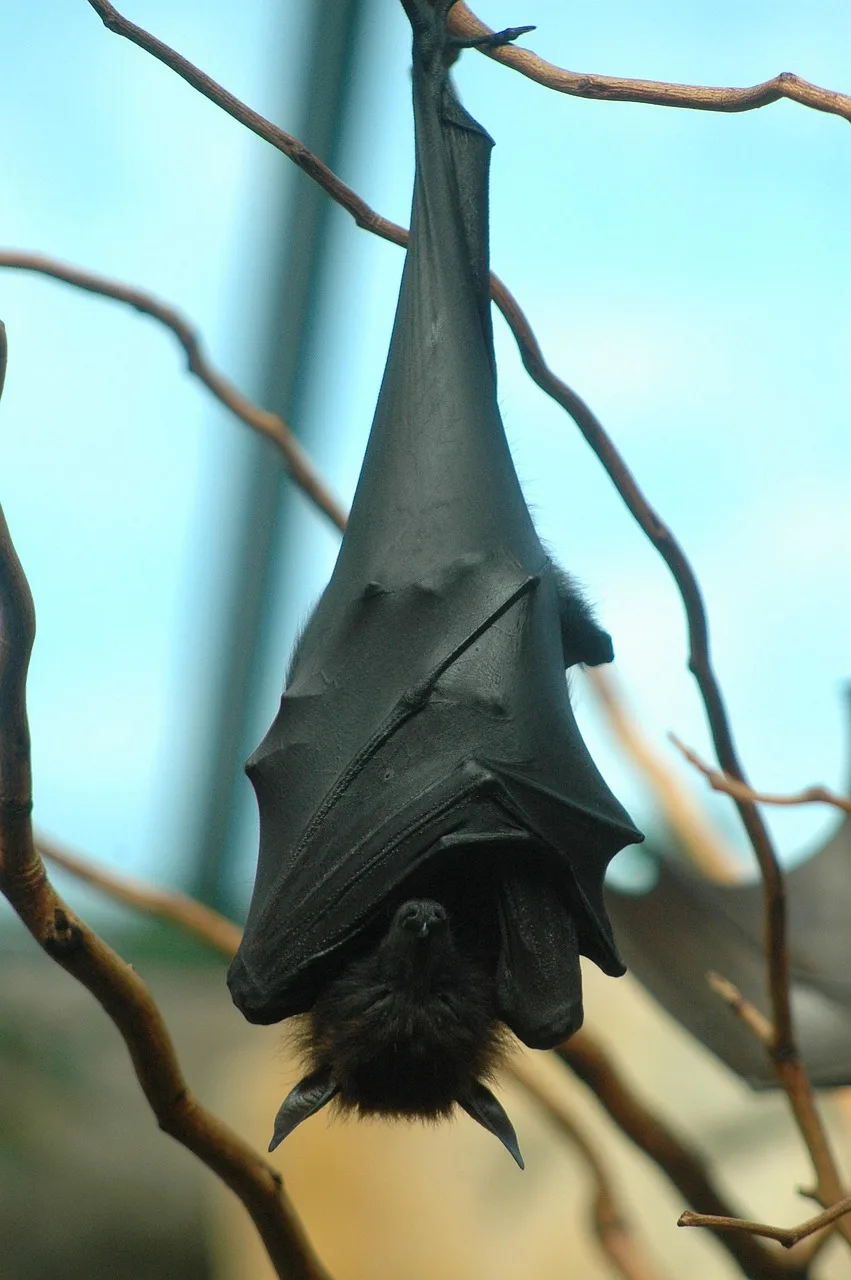
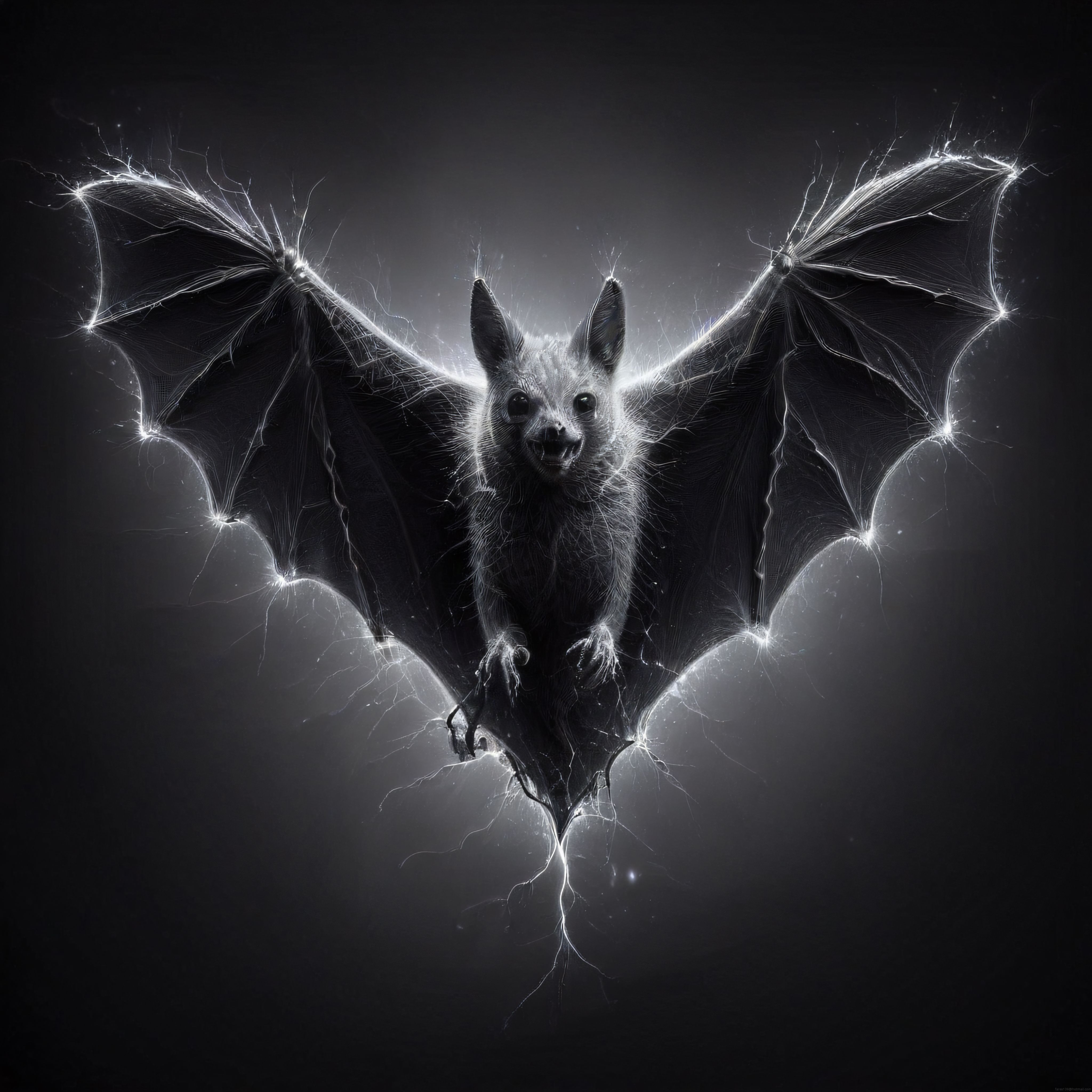
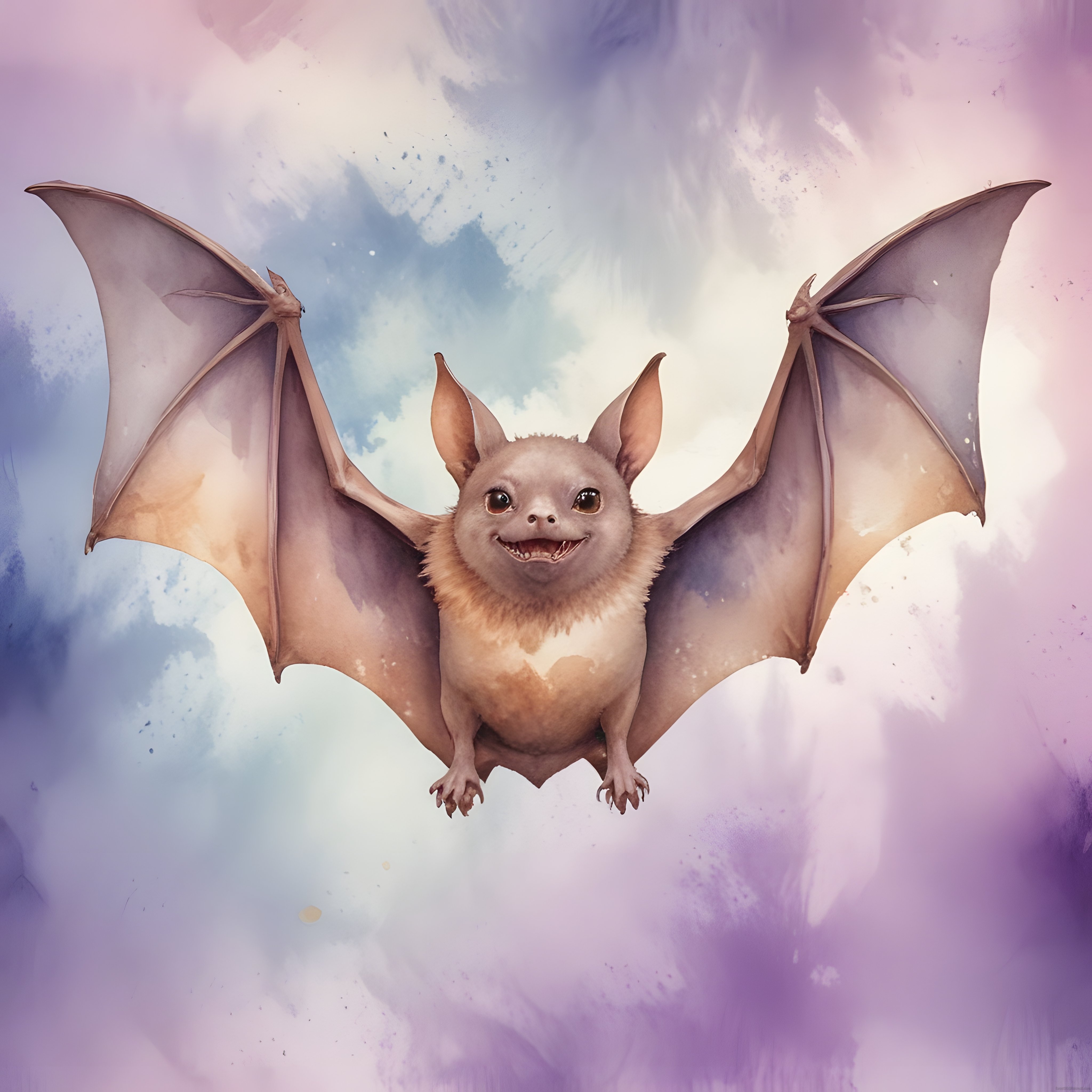
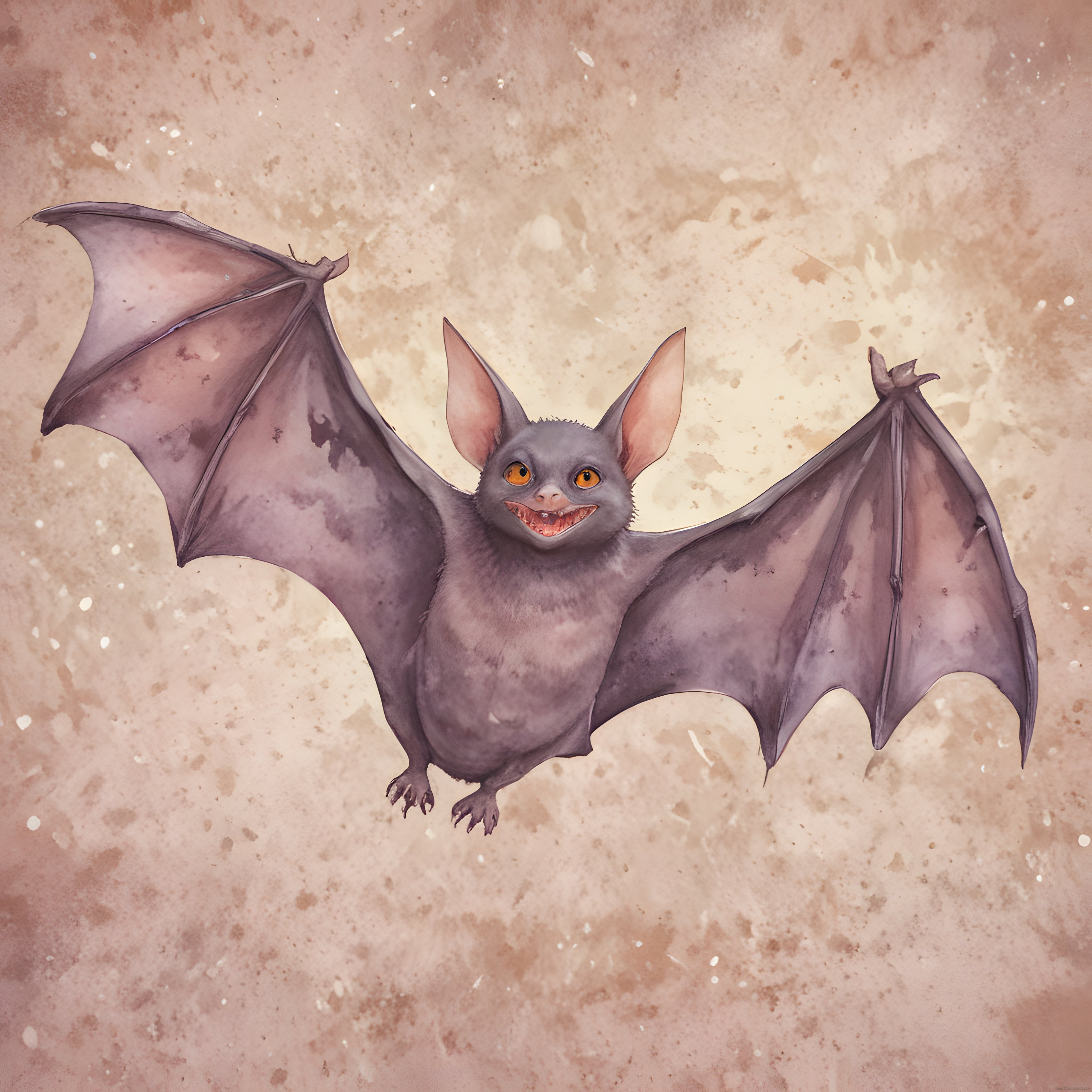
Çekim Tablosu
Belirtme (-i)yarasayı
Yönelme (-e)yarasaya
Bulunma (-de)yarasada
Çıkma (-den)yarasadan
Tamlayan (-in)yarasanın
Çoğul (-ler)yarasalar
Tanım
•isim, hayvan bilimi: Yarasalardan, ön ayakları perdeli kanat biçiminde gelişmiş, vücudu yumuşak sık kıllarla kaplı, iskeletleri hafif yapılı, uçabilen memeli hayvan; gece kuşu, vatvat (Vespertilio)
Diğer Dillerde
Almancafledermaus (dişil) /ˈfleːdɐˌmaʊ̯s/
microbat · bat (flying mammal)
çekim: çoğul Fledermäuse · tamlayan Fledermäuse
eş: Kleinfledertier, Microchiroptera, Flattertier, Fledertier
köken: From Middle High German vledermūs, from Old High German fledarmūs, from *fledara (“wing”) + mūs (“mouse”). Displaced older mūstro (“bat”), found also in the combination form fledaremūstro/fledarmūstro.
aile: Abo-Schmetterlingsfledermaus, Allen-Langohrfledermaus, Alpenfledermaus, Angola-Bulldoggfledermaus, Angola-Langohrfledermaus, Annam-Langfußfledermaus, Antillen-Kinnblattfledermaus, Bananen-Zwergfledermaus, Bananenfledermaus, Bartfledermaus
Die Blütenfledermaus Anoura fistulata. — Tüp-dudaklı nektar yarasası.
Chauve-souris (mammifère volant).
C'est la chauve-souris qui vit le plus longtemps. — En uzun yaşayan yarasadır.
İspanyolcamurciélago (eril) /muɾˈθjelaɡo/
bat (any flying mammal of the order Chiroptera)
çekim: çoğul murciélagos
eş: chimbilá, morciguillo, vampiro, murceguillo
köken: Etymology tree Proto-Indo-European *múHs Proto-Italic *mūs Latin mūs Proto-Indo-European *kéh₂ikos Proto-Italic *kaikos Latin caecus Vulgar Latin mūrem caecum Old Spanish murciegoder. Spanish murciélago Metathetic form of earlier murciégalo, a diminutive of Old Spanish murciego, from Vulgar Latin *mūrem caecum (literally “blind mouse”). Compare Galician and Portuguese morcego.
aile: murciélago escarchado, murciélago mastín, murciélago negruzco, murciélago vampiro
Sal en las heridas. — Yarasalarda asalaktırlar.
...adoraban al buho por la hermosura de sus ojos y cabeza, y al murciélago por la sutileza de su vista...
İtalyancamazza, pipistrello, racchetta (dişil) /ˈmat.t͡sa/
baton · club (weapon) · mace (ceremonial weapon)
çekim: çoğul mazze
eş: bastone, randello, manganello, mazzuolo, clava, bastone di comando
köken: From Vulgar Latin *mattea (compare French masse, Spanish maza, Portuguese maça), probably vulgarly formed from Latin mateola (“hoe”). Cf. also Latin matia.
Questo pipistrello è il vespertilio di Brandt. — Bu yarasa Myotis brandtii.
Rusçaлетучая мышь (dişil) /lʲɪˈtut͡ɕɪjə ˈmɨʂ/
зоол. небольшое млекопитающее отряда рукокрылых
çekim: çoğul лету́чие мы́ши · tamlayan лету́чей мы́ши
köken: Literally, “flying mouse”. Compare English flying mouse and English flittermouse.
Самая долгоживущая летучая мышь. — En uzun yaşayan yarasadır.
bat (winged animal)
çekim: çoğul خَفَافِيش · tamlayan خُفَّاشٍ
köken: From خَفِشَ (ḵafiša, “to be day-blind, to have poor eyesight”).
تطهير الجروح. — Yarasalarda asalaktırlar.
Farsçaچوب, خُفاش, شَبپَرَه, شَبپَرَهٔ چَرْمِی, شَبکور /ˈt͡ʃoːb/
wood · stick; staff; wooden pole · blow (with a stick)
çekim: çoğul چوبها
köken: From Middle Persian [script needed] (cwp /čōb/, “wood, stick”). Cognate with Central Kurdish چێو (çêw), Northern Luri چوو (çu), Sanskrit क्षुप (kṣupa, “bush”). Further connections outside Indo-Iranian uncertain.
aile: چوب خوردن, چوب زدن, چوب شدن, چوبی, چوبین, چوبکاری
چوب ماهون
برف و سرمایی عظیم بود و در صحرایی در پیش شهر، مقداری راه چوبی به زمین فرو برده بودند تا مردم روز برف و دمه بر هنجار آن چوب میروند.
synonym of yarasa (“bat”) · prostitute
çekim: çoğul gecəquşları · tamlayan gecəquşunun
köken: Izafet II compound of gecə (“night”) + quş (“bird”).
Kazakçaжарғанат, жарқанат
bat, Chiroptera spp.
çekim: çoğul жарғанаттар · tamlayan жарғанаттың
köken: From Proto-Turkic *yar- (“naked, bare”) + *kānat (“wing”).
Özbekçekoʻrshapalak, yorqanot
Tatarcaярканат
Felemenkçevleermuis (dişil) /ˈvleːrmœy̯s/
bat, mammal of the order Chiroptera
çekim: çoğul vleermuizen
köken: From Middle Dutch vlēdermuus, from vlēder (“wing”) + muus (“mouse”).
aile: mopsvleermuis
De kokerlippige nectarvleermuis. — Tüp-dudaklı nektar yarasası.
Portekizcemorcego (eril) /moʁˈse.ɡu/
bat (any flying mammal of the order Chiroptera) · night person
çekim: çoğul morcegos
köken: Etymology tree Proto-Indo-European *múHs Proto-Italic *mūs Latin mūs Proto-Indo-European *kéh₂ikos Proto-Italic *kaikos Latin caecus Vulgar Latin mūrem caecum Old Galician-Portuguese murcego Portuguese morcego Inherited from Old Galician-Portuguese murcego, from Vulgar Latin *mūrem caecus, by surface analysis, mure (“mouse”) + cego (“blind”). Compare Galician morcego, Spanish murciélago.
aile: Homem-Morcego, morcegar, morcego-vampiro
"E, por vezes, — Yarasalar yemek 've bazen
Yunancaνυχτερίδα, ρόπαλο, χτυπητήρι (dişil) /nixteˈɾiða/
bat (small flying mammal)
çekim: çoğul νυχτερίδες · tamlayan νυχτερίδας
köken: From Ancient Greek νυκτερίς (nukterís), from νύκτερος (núkteros, “nocturnal”), from νύξ (núx, “night”).
Είναι η μακροβιότερη νυχτερίδα. — En uzun yaşayan yarasadır.
Japonca蝙蝠。
アフリカから盗まれた。 — Yarasa Afrikadan getirilmişti.
bat (small flying mammal) (Classifier: 隻/只 mn) · night owl
eş: 蝠, 蝙蝠, 服翼, 飛鼠, 老鼠, 仙鼠
曰男子事當如是耳。 — Kulakları, yarasa kulağına benzer.
Korece박쥐 /ˈpa̠(ː)k̚t͡ɕ͈ɥi/
an opportunist
köken: First attested as Middle Korean ᄇᆞᆰ〯쥐〮 (pǒlkcwúy) in the Gugeup ganibang eonhae (救急簡易方諺解 / 구급간이방언해), 6:68a, 1489, seemingly a compound of some *ᄇᆞᆰ〯 (*pǒlk) + 쥐〮 (cwúy, “rat”). Folk etymology commonly attributes the first component to ᄇᆞᆰ다〮 (pòlktá, “to be bright”), supposedly reflecting a popular belief that bats have bright eyes that allow them to see at night. However, ᄇᆞᆰ다〮 has an initial low…
aile: 박쥐구실, 박쥐우산, 박쥐족
(tube-lipped nectar bat) — Tüp-dudaklı nektar yarasası.
a bat; a nocturnal flying mammal · a promiscuous woman
çekim: çoğul fladdermöss · tamlayan fladdermusens
köken: From Old Swedish flædhermus. Equivalent to fladder (“fluttering”) + mus (“mouse”). Slang sense influenced by pussy sense of mus – "flutter-pussy."
"Blinka lilla fladdermus! — "Twinkle, pırıltı, küçük yarasa!
Lehçebijak, kij, nietoperz (eril) /ˈbi.jak/
beater (something used for hitting or beating) · hammerhead, head (portion of a tool used for hitting)
çekim: çoğul bijaki · tamlayan bijaku
eş: młóczysko
köken: Etymology tree Proto-Slavic *bijakъ Polish bijak Inherited from Proto-Slavic *bijakъ. By surface analysis, bić + -ak.
aile: bijakowy
"Oto bezogonek ryjkowaty. — Tüp-dudaklı nektar yarasası.
Ukraynacaкажа́н, летю́ча ми́ша
Це кажан? — O bir yarasa mı?
Hintçeगादुर, चमगादड़, बल्ला, बल्ले से मारना, बल्लेबाजी करना (eril) /ɡɑː.d̪ʊɾ/
bat, flying fox
çekim: çoğul गादुरों
köken: Inherited from Prakrit 𑀓𑀸𑀤𑀭 (kādara), from Sanskrit कातर (kātara).
Fincekarttu, lepakko, lyödä, lyöntivuoro, maila, olla lyöjänä /ˈkɑrtːu/
A slender log used as a hitting implement. · synonym of pyykkikarttu (“washing beetle, battledore, laundry bat; hand tool used to do laundry”) · A bat in the traditional outdoor game of kyykkä.
çekim: çoğul kartut · tamlayan kartun
köken: Unknown. Related to Karelian karttu and Kukkuzi karttu.
aile: kartikka, karttupiilo, pesukarttu, pyykkikarttu, väkikarttu
"Ja joskus, — Yarasalar yemek 've bazen
Çekçenetopýr (eril) /ˈnɛtopiːr/
bat (small flying mammal)
çekim: çoğul netopýři · tamlayan netopýra
eş: večerek
köken: Inherited from Old Czech netopýř, from Proto-Slavic *netopyřь, from Proto-Indo-European *nekʷto-peryo.
aile: netopýrek, netopýrník, netopýrství, netopýřík
"A občas, — Yarasalar yemek 've bazen
walking stick
çekim: çoğul bastoane · tamlayan bastonului
köken: Borrowed from Italian bastone.
Liliacul de nectar cu buze ţuguiate. — Tüp-dudaklı nektar yarasası.
bat (animal)
çekim: çoğul bőregerek
köken: bőr (“skin”) + egér (“mouse”)
Ez a leghosszabb életű denevér. — En uzun yaşayan yarasadır.
İbraniceעֲטַלֵּף
הוא עיוור כמו עטלף. — O, bir yarasa kadar kör.
Dancaflagermus /flavərmuːs/
bat (small flying mammal)
çekim: çoğul flagermusene · tamlayan flagermus'
köken: After or from Middle Low German vledermus, a combination of flager (“flit, flap, flutter”) and mus (“mouse”). For the first element compare English flounder and Swedish fladdra. Cognate with Swedish fladdermus and Norwegian Bokmål flaggermus, and German Fledermaus, whose first word derives from Proto-Germanic *fifaldǭ.
'Og til tider, — Yarasalar yemek 've bazen
Norveççeballtre, flaggermus, slå
og storken, og heiren efter sine arter, og hærfuglen og flaggermusen. — leylek, balıkçıl türleri, ibibik, yarasa.
Etimoloji
Osmanlı Türkçesi ياراصه
Kelime Ailesi
Eş & Zıt Anlamlılar
Örnek Cümleler
O bir yarasa mı?
Is that a bat?
İşe yarasa bari.
This better work.
Yarasalar kördür !
Bats are blind.
Size yaraşan odur.
The Fire is your refuge.
Yarasa çığlık atıyor.
The bat screeches.
Yarasa ışıktan kaçar.
The bat flees the light.
Chiroptera (yarasalar)
Chiroptera (bats)
Yarasalar gece avlanır.
Bats hunt at night.
O, bir yarasa kadar kör.
He's as blind as a bat.
Tom yarasayı yere koydu.
Tom laid the bat on the ground.
Tom bir yarasa kadar kör.
Tom is as blind as a bat.
Bir yarasa, ölüm tanrısı.
A bat and death god.
İlgili Sorular
İlgili / Bileşik Terimler
Genelchiropterologist
Genelbat falcon