Sözlük
/tırpan
tırpan
"tırpan" kelimesinin İngilizcesi: scythe, scythe, scythe. Anlamı, çevirisi, telaffuzu ve örnek cümleler aşağıdadır.
Çeviri
Genelscythe
Genelscythe
Genelscythe
Görsel
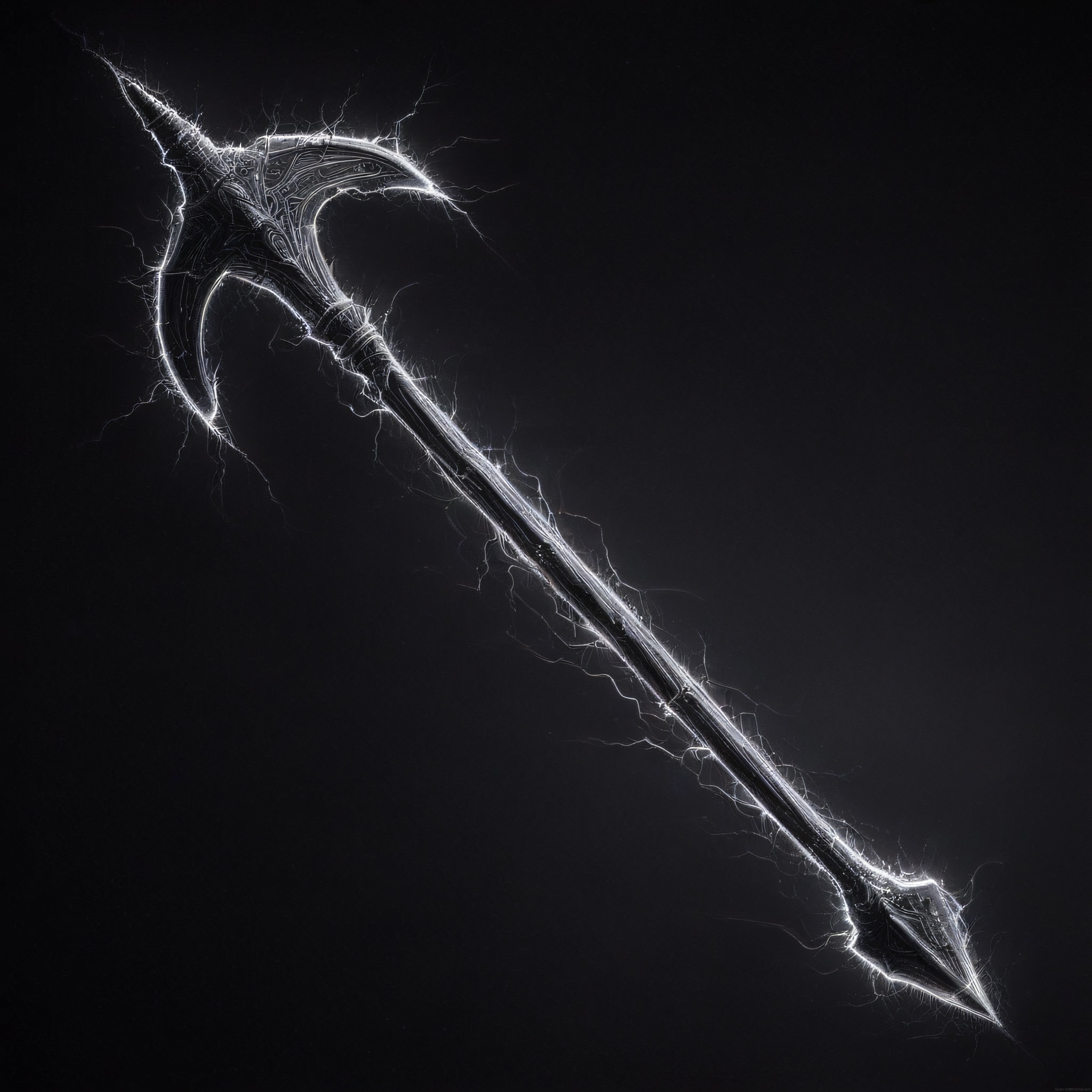
Çekim Tablosu
Belirtme (-i)tırpanı
Çoğul (-ler)tırpanlar
Tanım
•güreşte devirmek amacıyla rakibin ayak bileklerine hızla ayak vurarak yapılan bir oyun
•uzun bir sapın ucuna tutturulan, ot, ekin vb. biçmeye yarayan, hafifçe kıvrık, uzun çelik bıçak, kerenti, kosa, tırfan
•Karşı güreşçinin ayak bileklerine ayaktayken hızla ayak vurma ve onu yere devirme
•Uzun bir sapın ucuna tutturulan, ot, ekin vb. biçmeye yarayan, hafifçe kıvrık, uzun çelik bıçak
Diğer Dillerde
to mow, to harvest (to cut the stalks of grass, grain, etc. with a scythe or bladed machine)
çekim: geçmiş mähte · ortaç gemäht · şimdiki mäht · ulaç mähend
eş: sensen, sicheln, hauen
köken: From Middle High German mæjen, mæwen, from Old High German māen, from Proto-West Germanic *māan. Cognate with English mow.
aile: abmähen, dahinmähen, gemäht, Mähdrescher, Mäher, Mähmaschine, Mähroboter, Meherei, niedermähen, ummähen
Keine Neigung, die „Väter in die Pfanne zu hauen“. — Tırpan'ı üzerimde kullanmaktan çekinme."
den Rasen mähen
to mow, to reap · to run over, to knock down · to steal
çekim: geçmiş fauché · ortaç fauché · şimdiki fauche · ulaç fauchant
köken: From Old French from Vulgar Latin *falcāre or *falciāre (compare Italian falciare), from Latin falcem (“sickle, scythe”) (compare faucille), from Proto-Indo-European *dhalk-, *dhalg- (“a cutting tool”).
aile: fauché, Faucheuse
İspanyolcadalla, dalle, guadaña, guadañar, segote
inflection of dallar: · second-person singular imperative
No esperes que te lo sirvan en bandeja.” — Tırpan'ı üzerimde kullanmaktan çekinme."
İtalyancafalce, falciare (dişil) /ˈfal.t͡ʃe/
scythe (larger tool than sickle); sickle (smaller tool than scythe) · war scythe, scythe · crescent
çekim: çoğul falci
eş: roncola, falcetto
köken: Inherited from Latin falcem, from Proto-Indo-European *dʰelk-, *dʰelg- (“a cutting tool”). Compare French faux.
aile: falcetto
Rusçaкоса, подножка (dişil) /kɐˈsa/
braid, plait, tress, pigtail, queue (of hair) · scythe · spit, sandbank, bank, bar (a narrow, low-lying landform jutting into a body of water)
çekim: çoğul ко́сы · tamlayan косы́
köken: Inherited from Old East Slavic коса (kosa), from Proto-Slavic *kosa.
Его оружие кнут. — Silahı tırpandır.
язы́к ко́са
Farsçaدهره
scythe
çekim: çoğul dəryazlar · tamlayan dəryazın
köken: Compare Persian داره (“scythe, sickle; a circle; a halo round the moon”)
to mow
çekim: geçmiş maaiden · ortaç gemaaid · şimdiki maait · ulaç maaiend
köken: From Middle Dutch mâyen, from Old Dutch *māien, from Proto-West Germanic *māan, from Proto-Germanic *mēaną.
aile: maaier, maaimachine
Hij maaide het gras elke week.
Ik moet het gazon maaien voordat het te hoog wordt.
Ze maaide het veld met een oude handmaaier.
Portekizceceifar, foice, gadanha, gadanhar, segar /sejˈfa(ʁ)/
to reap (to cut with a sickle or scythe) · to claim, take (someone's life)
çekim: geçmiş ceifei · ortaç ceifado · şimdiki ceifa
köken: From ceifa (“reaping”) + -ar.
Nancy encontra uma arma de fogo na boia. — Buffy, mağarada Tırpan denen mistik bir silah bulur.
Yunancaκόσα (dişil)
scythe
çekim: çoğul κόσες · tamlayan κόσας
köken: From Proto-Slavic *kosa.
Επάνω βρίσκεται και μια χειράμαξα. — Belinde bir tırpan vardır.
Japonca大鎌 /o̞ːɡa̠ma̠/
a scythe, a curved, concave blade used for mowing
köken: Compound of 大(おお) (ō, “big”) + 鎌(かま) (kama, “sickle”). The kama changes to gama as an instance of rendaku (連濁).
畳の上を靴で歩かないでください」と注意する 。 — Tırpan'ı üzerimde kullanmaktan çekinme."
İsveççelie, slå, slå med lie /ˈliːˌɛ/
a scythe (instrument for mowing grass, grain, or the like)
çekim: çoğul liar · tamlayan lies
köken: From Old Swedish līe, lē, from Old Norse lé, from Proto-Germanic *lewô, from Proto-Indo-European *leu- (“to cut”).
aile: lieblad, liehugg, lieknagg, lieknagge, liemannen, lieorv, lieskaft, lietag
Polen har haft motorvägar under en lång tid. — Türkiye'de motorlu tırpanlar uzun yıllardır kullanılır.
Han slog ängen med lie
to mow, to scythe (to cut down grass or crops, to cut off as if with a scythe) · to mow (to cut down or slaughter in great numbers) · to gain easily
çekim: geçmiş koszono · şimdiki kosi
eş: żąć, wyżynać, zżynać, zob. kraść
köken: Etymology tree Proto-Indo-European *kos-eyé-ti Proto-Slavic *kosìti Old Polish kosić Polish kosić Inherited from Old Polish kosić, from Proto-Slavic *kosìti.
aile: nakosić, obkosić, obkaszać, odkosić, okosić, okaszać, podkosić, podkaszać, pokosić, skosić
Bębny są używane w Japonii od wieków. — Türkiye'de motorlu tırpanlar uzun yıllardır kullanılır.
Ukraynacaкоси́ти
Може, рукавичку або підпоясочку? — Elinizde orak ya da tırpan olsun.
alternative form of दरांती (darāntī)
çekim: çoğul दराँतियाँ
to mow, mow down, cut, cut down, scythe, reap (crops, hay, etc.) · to reap
çekim: geçmiş niittänyt · şimdiki niittäisi · ulaç niittävä
köken: From Proto-Finnic *niittädäk, borrowed from Proto-Germanic *snīþaną and further derived with *-ttadak.
aile: niitos, niitto, niittu, niitty, niittäjä, niittäminen, niitäntä, niitellä, niitättää
mitä ihminen kylvää, sitä hän myös niittää
scythe · spit (narrow peninsula) · cold temperature
çekim: çoğul kosy · tamlayan kosy
zıt: hic, vedro, horko
köken: Inherited from Old Czech kosa, from Proto-Slavic *kosa.
V tomto příběhu podobná kosa pomalu (a komicky) odděluje vypravěči hlavu. — O öyküde de, benzer bir "tırpan" anlatıcının başını yavaş ve komik biçimde koparır.
Rumencecoasă (dişil) /ˈko̯asə/
scythe
çekim: çoğul coase · tamlayan coase
köken: Borrowed from Old Church Slavonic коса (kosa), from Proto-Slavic *kosa. Compare Bulgarian коса (kosa), Serbo-Croatian коса, Russian коса (kosa), Albanian kosë, Aromanian coasã.
În acea povestire, o „coasă” similară retează încet (și comic) capul naratorului. — O öyküde de, benzer bir "tırpan" anlatıcının başını yavaş ve komik biçimde koparır.
scythe (an instrument for mowing grass, grain, etc. by hand, composed of a long, curving blade with a sharp concave edge)
çekim: çoğul kaszák
köken: From a Slavic language, probably via Slovak kosa. Compare Proto-Slavic *kosa.
aile: kaszál, kaszás, fűkasza, kaszakő, kaszanyél
Az átlagfogyasztó számára érthető árakat mér. — Ancak standart bir kullanıcı için yüksek fiyatlı bir tırpan almak manasızdır.
İbraniceחֶרְמֵשׁ
קאפרי מצליח לגנוב את התיבה ונותן אותה לפאולר. — Buffy Tırpan'ı alır ve Simone'ye saplar.
Latincefalx /ˈfaɫks/
sickle, scythe · a hook used to pull down walls
çekim: çoğul falcēs · tamlayan falcis
köken: Usually derived from Proto-Indo-European *dʰelg- (“to sting; needle”), whence also Proto-Celtic *delgos (“needle; pin”), Proto-Germanic *dalkaz (“pin, brooch; dagger”), Lithuanian dilgùs (“stinging, burning”), dilgėlė̃, di̇̀lgė f (“nettle”), di̇̀lgti, di̇̀lgstu (“to be stung by nettles”), dal̃gis (“scythe”). Both the -a- and the -c- are unexpected, however, which might suggest a borrowing from a…
aile: defalco, falcastrum, falcātus, falcīcula, falcifer
Dancale /leˀ/
scythe (farm tool)
çekim: çoğul leer · tamlayan les
köken: From Old Norse lé (“scythe”), from Proto-Germanic *lewô, cognate with Norwegian ljå and Swedish lie.
Prinsen fra Ålborg vinder 'Fristet'. — Tırpan’daki oyunu nedeniyle Suna Pekuysal “Ulvi Uraz Ödülü”nü kazanır.
Norveççeljå
Vietnamcalưỡi hái /lɨəj˦ˀ˥ haːj˧˦/
a scythe
köken: lưỡi (“blade; cutting edge”) + hái (“to pluck to harvest”).
lưỡi hái thần chết/tử thần
Etimoloji
Pontus Rumcası
Deyimler
Eş & Zıt Anlamlılar
Örnek Cümleler
Gültekin Tırpancı (d.
Gültekin Tırpancı (b.
Motorlu tırpanlar bu kaybı önlemektedir.
Chocking the front wheels prevents this mishap.
Buffy Tırpan'ı alır ve Simone'ye saplar.
Buffy takes back the Scythe and uses it to dust Simone.
Bütçeye tırpan Romanya'da isyana yol açtı
Budget axe triggers outcry in Romania
Ancak bu meclisin yetkileri tırpanlanacak.
However, its powers would be curtailed.
Tırpanlar elle çim biçmek için kullanılırlar.
Scythes are used for mowing grass by hand.
Mary'nin büyükbabası tırpanla hasat kaldırırdı.
Mary's grandfather used to harvest by scythe.
Buffy sonunda Tırpan'ı kullanarak Caleb'ı öldürür.
Buffy finally kills Caleb by cutting him in half with the scythe.
Ölüm'ün halk azizi San Pascualito, tırpan tutarken.
A religious image of San Pascualito, a folk Saint of death, wielding a scyth.
Bir çim biçme makinesi yerine bir tırpan kullanır mısın?
Would you use a scythe instead of a lawnmower?
Tırpancı, LDP içinde genel başkan yardımcılığına kadar yükseldi.
Tırpancı rose to the position of deputy chairman within the LDP.
Ordunun yetkileri büyük olasılıkla AB standartlarına uygun şekilde tırpanlanacak.
The army is also likely to see some of its powers cut, in line with EU standards.