Sözlük
/pikap
pikap
"pikap" kelimesinin İngilizcesi: high, phonograph, phonograph, phonograph, pickup truck. Anlamı, çevirisi, telaffuzu ve örnek cümleler aşağıdadır.
Çeviri
Genelhigh
Genelphonograph
Genelphonograph
Genelphonograph
Müzikpickup trucknoun
Görsel

Çekim Tablosu
Belirtme (-i)pikabı
Yönelme (-e)pikaba
Bulunma (-de)pikapta
Çıkma (-den)pikaptan
Tamlayan (-in)pikabın
Çoğul (-ler)pikaplar
Tanım
•isim: kamyonet
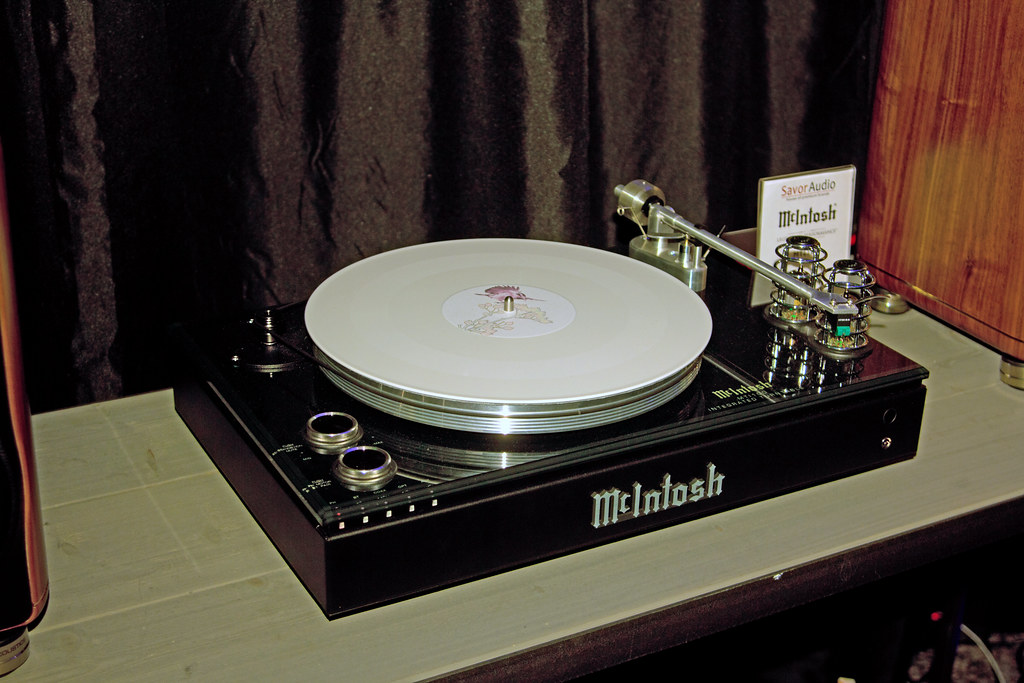
•Elektrikle veya pille çalışan, plak dinlemekte kullanılan araç
Diğer Dillerde
past participle of angehen
Bewegung geschnitten jede andere — Bu pek dışarı henüz pikap müşteri hareket her kes
screwed up, wasted, stoned, high (on drugs)
eş: stone, foncedé
Cette caravane avait deux platines, une table de mixage, un comptoir, un frigo, une sono. — Bu römorkte iki tane pikap, ses düzenleyicisi, içki barı ve entegre ses sistemi vardı.
İspanyolcacolocado, colocón, drogado, en lo alto, endrogamiento, fonógrafo /koloˈkado/
high (stoned) · drunk
köken: Borrowed from Latin collocātus.
la electromagnético montado en la cabina del piloto se puede mover — Bu fotoğrafta pikap uzun yay ile birlikte çekilir ve tuttuğum bir sabit hız ile , araç
İtalyancaeccitato, elevato, fatto, flippato, fonografo, fuso /et.t͡ʃiˈta.to/
excited, aroused, horny, agog · thrilled, excited, nervous, high-strung · wrought-up
çekim: üstünlük eccitatissimo
eş: acceso, esaltato, accalorato, concitato, provocato, invogliato
aile: eccitatamente
"Ecco qui un camion grosso oh! prendo questo" — 'İşte büyük bir pikap, ben de bir tane alacağım.'
Rusçaпикап, радиола; электропроигрыватель (eril) /pʲɪˈkap/
pickup truck (truck with an open cargo bed) · pickup (seduction technique, especially as practiced by pickup artists)
çekim: çoğul пика́пы · tamlayan пика́па
köken: Borrowed from English pickup.
Теперь вы будете это шайба на некоторое время workstudy в то время как проигрыватель вращающейся — Şimdi bir süre için bu pak olacak workstudy pikap dönerken
Arapçaاَلْعَالِي, طَوِيل, عَالٍ, عالي, مَسْطُول /ʕaː.liː/
over, upon, above
من هذا الكثير العميل حتى الآن بيك اب حركة — Bu pek dışarı henüz pikap müşteri hareket her kes
عَالِيَهُمْ ثِيَابُ سُندُسٍ خُضْرٌ وَإِسْتَبْرَقٌ
up, upwards
çekim: karşılaştırma بالاتَر · üstünlük بالاتَرین
zıt: پایین
köken: From Middle Persian [Term?] (/bālā/), from Proto-Iranian *bārźаh- (via a series of sound changes *rź > *rd > l) + a suffix *-ā of unknown origin. The first component is derived from Proto-Iranian *barź- (“to elevate, increase (height)”), from Proto-Indo-European *bʰerǵʰ- (“to rise up”).
aile: بالا آمدن, بالا آوردن, بالا بردن, بالا جستن, بالا رفتن, بالا زدن, بالا کردن, بالا کشیدن, بالا گرفتن
با چنان چشمی که بالا میشتافت نور چشمش آسمان را میشکافت
supreme, higher, high (dominant)
çekim: karşılaştırma daha ali · üstünlük ən ali
köken: From Classical Persian عالی (ālī), from Arabic عَالٍ (ʕālin).
aile: alilik
ali məhkəmə
ali təhsil müəssisəsi
ali baş komandan
Kazakçaбиік
high · tall
köken: From Proto-Turkic *bedük (“big”), derived from *bedü- (“to grow big”).
aile: биіктік
Felemenkçehoog /ɦoːx/
high
çekim: karşılaştırma hoger · üstünlük hoogst
eş: schel, aanzienlijk, voornaam, verheven
zıt: laag
köken: From Middle Dutch hooch, the original inflected stem hō- reanalysed by analogy with the uninflected form because of word-final devoicing. From Old Dutch hōh, from Proto-West Germanic *hauh, from Proto-Germanic *hauhaz. Doublet of high. Cognate with German hoch, West Frisian heech, Saterland Frisian hag, English high, Danish høj.
aile: driehoog, eenhoog, geen hoge pet op hebben van, hoge fijnstraal, hogedrukgebied, hogedrukreiniger, hogedrukspuit, hogerbedoeld, hogergemeld, hogergenoemd
Dit was een trailer met twee draaitafels, een mengtafel, een bar, een frigo, een geïntegreerd geluidssysteem. — Bu römorkte iki tane pikap, ses düzenleyicisi, içki barı ve entegre ses sistemi vardı.
De 887 meter hoge Mount Scenery is het hoogste punt in het Koninkrijk der Nederlanden.
Het zou te hoog gegrepen zijn om drie talen tegelijkertijd te leren.
loud · tall · high
çekim: karşılaştırma mais alto · üstünlük o mais alto
köken: From Old Galician-Portuguese alto, from Latin altus, ultimately of Proto-Indo-European origin. This form is likely a semi-learned term, or was influenced by learned elements of the language and uses such an orthography, as with Galician and Spanish alto (which have popularly inherited variants outo and oto, respectively). There was once likely an *outo in Old Galician-Portuguese that is not…
aile: altamente, altão, altinho, altíssimo, altura, enaltecer
O 1000 captador e Bongo chassis são diferentes, com componentes de suspensão e freio dianteiro comuns. — 1000 pikap ve Bongo şasi ortak ön süspansiyon ve fren parçaları ile farklıdır.
μετοχή παθητικού παρακειμένου μαστουρώνω
Τώρα θα το ξωτικό για λίγο workstudy ενώ ο περιστρεφόμενος δίσκος περιστρέφεται — Şimdi bir süre için bu pak olacak workstudy pikap dönerken
a phonograph · a record player
あなたのクライアントはまだピックアップなど 動き 他のすべてをカット — Bu pek dışarı henüz pikap müşteri hareket her kes
Korece높다 /no̞p̚t͈a̠/
to be high, to be tall, to be lofty (of an object, a place, a quantified statistic, etc.) · to be high up, to be high in social rank (of a person) · to be tall in height (of a person)
zıt: 낮다
köken: First attested in the Yongbi eocheon'ga (龍飛御天歌 / 용비어천가), 1447, as Middle Korean 높다〮 (Yale: nwòph-tá). The twelfth-century Chinese wordlist Jilin leishi records the Late Old Korean word for "tall" as 那奔 (nɑ puənᴴ), which seems to be the realis gerund form of this word with the Old Korean 隱 (*-on) suffix.
aile: 높낮이, 높다랗다, 높디높다, 높아지다, 높이, 드높다
이 많은 아웃 아직까지는 픽업 클라이언트 운동 — Bu pek dışarı henüz pikap müşteri hareket her kes
높은 건물
높은 수압
높은 목소리
high; tall; reaching a great distance from the ground or being found high above it · of a quantity or value: high, great or large · high-pitched
çekim: karşılaştırma högre · üstünlük högst
köken: From Old Swedish hø̄gher, from Old Norse haugr, from Proto-Germanic *haugaz, variant of *hauhaz, from Proto-Indo-European *kewk-.
aile: högmässa
Smör, som var företagets första produkt, exporteras numera till ett trettiotal länder. — Firmanın ilk ürünü olan pikap, neredeyse 30 yıldır üretilmektedir.
Jag betalar alldeles för hög ränta.
Hög som ett hus.
adapter (a device or application used to achieve operative compatibility between devices that otherwise are incompatible) · gramophone, phonograph, record player
çekim: çoğul adaptery · tamlayan adaptera
eş: gramofon, odtwarzacz
köken: Etymology tree Proto-Indo-European *h₂éd Proto-Italic *ad Proto-Italic *ad- Latin ad- Proto-Italic *aptos Latin aptus Proto-Indo-European *-h₂ Proto-Indo-European *-éh₂ Proto-Indo-European *-yéti Proto-Indo-European *-eh₂yéti Proto-Italic *-āō Latin -ō Latin apiō Proto-Indo-European *-tós Proto-Italic *-tos Latin -tus ▲ Latin -ō Latin -tō Latin aptō Latin adaptōder. Middle English *adapten…
aile: adapterowy
Jestem gotowy a obrót — Şimdi bir süre için bu pak olacak workstudy pikap dönerken
adapter sieciowy/sieci
adapter USB
stary adapter
Ukraynacaвисо́кий
Тепер ви будете це шайба на деякий час workstudy в той час як програвач обертової — Şimdi bir süre için bu pak olacak workstudy pikap dönerken
high, tall, lofty · high-minded, aloof
zıt: नीचा
köken: Inherited from Sauraseni Prakrit 𑀉𑀘𑁆𑀘 (ucca), from Sanskrit उच्च (ucca). Doublet of उच्च (ucc), a tatsama. Cognate with Punjabi ਉੱਚ (ucca) / اُچّ (ucc), Gujarati ઉંચું (uñcũ), Marathi उंच (uñca), Bengali উঁচু (ũcu), Dhivehi އުސް (us).
aile: ऊँचाई
तस्वीर को थोड़ा और ऊँचा करो।
ऊँचा पहाड़
ऊँची बात
Fincefonografi, korkea, pilvessä /ˈfonoˌɡrɑfi/
phonograph (device that records or plays sound from cylinder records)
çekim: çoğul fonografit · tamlayan fonografin
köken: Internationalism (see English phonograph). Contains the suffix -grafi.
Nyt voit tätä kiekkoa jonkin aikaa workstudy kun kääntöpöytä pyörii — Şimdi bir süre için bu pak olacak workstudy pikap dönerken
Çekçefonograf, sjetý, vysoko, vysoký, zfetovaný (eril) /ˈfonoɡraf/
phonograph
çekim: çoğul fonografy · tamlayan fonografu
drugged · high, stoned
çekim: çoğul drogați · tamlayan drogatului
köken: From the past participle of droga.
Voi cobor teoretice — Şimdi bir süre için bu pak olacak workstudy pikap dönerken
Macarcamagas /ˈmɒɡɒʃ/
high, tall
çekim: karşılaştırma magasabb · üstünlük legmagasabb
zıt: alacsony
köken: Uncertain. Perhaps from mag + -as.
aile: magaslat, magaslik, magasodik, magasság, magasröptű, magasugrás, magas sarkú
Most már ezt a korongot egy darabig munkatanulmányt miközben a lemezjátszó forog — Şimdi bir süre için bu pak olacak workstudy pikap dönerken
İbraniceגָבוֹהַ, הַי, מַסְטוּל
את זה רב הלקוח שלך עדיין טנדר תנועה — Bu pek dışarı henüz pikap müşteri hareket her kes
high, tall · deep · profound
çekim: karşılaştırma altior · üstünlük altissimus
zıt: brevis, demissus, sordidus
köken: Etymology tree Proto-Indo-European *h₂el- Proto-Indo-European *h₂eltós Proto-Italic *altos Latin altus From altum, supine of alō (“grow”). Corresponds to Proto-Italic *altos, from Proto-Indo-European *h₂eltós, a suffixed form of the root *h₂el- (“grow, nourish”) (compare Proto-Germanic *aldaz, whence English old.
aile: altē, altipendulus, altipeta, altisonus, altispex, altitonāns, altitūdō, altiusculus, altivolus
high (e.g. building, price, heel, grass) · tall (e.g. person, building, tree) · loud (e.g. voice, noise)
çekim: karşılaştırma højere · üstünlük højest
köken: From Old Danish høgh, from Old Norse (east) *haugʀ, (west) hár, hór, from Proto-Germanic *hauhaz, *haugaz (“high”), cognate with Norwegian Nynorsk høg, Norwegian Bokmål høy, Swedish hög, English high, German hoch, Dutch hoog.
aile: allerhøjest, forhøje, garderhøj, højadelig, højbenet, højeffektiv, højeksplosiv, højereliggende, højestepris, højhus
Nu vil du denne puck i et stykke tid arbejdsundersøgelse mens drejebordet roterer — Şimdi bir süre için bu pak olacak workstudy pikap dönerken
Etimoloji
Borrowed from English pickup.
Eş & Zıt Anlamlılar
Örnek Cümleler
O bir pikap kullanıyor.
He drives a pickup truck.
Tom bir pikap sürebilir mi?
Does Tom drive a station wagon?
Tom yeni bir pikap satın aldı.
Tom bought a new pickup.
O bir pikap kamyon kullanıyor.
He drives a pickup truck.
Tom kırmızı bir pikap sürüyor.
Tom drives a red pickup.
Leyla pikapta Sami'nin tüfeğini buldu.
Layla found Sami's rifle in the pick-up truck.
küre çiçeği Rupikapra rupikapra Milvus milvus
globe-flower Rupicapra rupicapra Milvus milvus
Otomatik pikapta çalan bir ülke şarkısı vardı.
There was a country song playing on the jukebox.
Tom bir kamyon sürüyor ve karısı bir pikap sürüyor.
Tom drives a truck and his wife drives a station wagon.
Tom'u pikap kamyonumun arkasında hastaneye götürdüm.
I took Tom to the hospital in the back of my pickup truck.
Ayrıca Kasım 1964 itibarıyla pikap versiyonu da piyasaya sunuldu.
There was also a pickup version available from November 1964.
Bu noktada pikapların sinyal gücü tüm diğer kaynaklardan daha azdır.
Third, the total value of emitters is greater than under any other distribution of permits.