Sözlük
/morina
morina
"morina" kelimesinin İngilizcesi: cod, cod, cod, gadus, cod. Anlamı, çevirisi, telaffuzu ve örnek cümleler aşağıdadır.
Çeviri
Genelcodnoun
Genelcod
Genelcod
Genelgadus
Genelcod
Genelgadus
Görsel
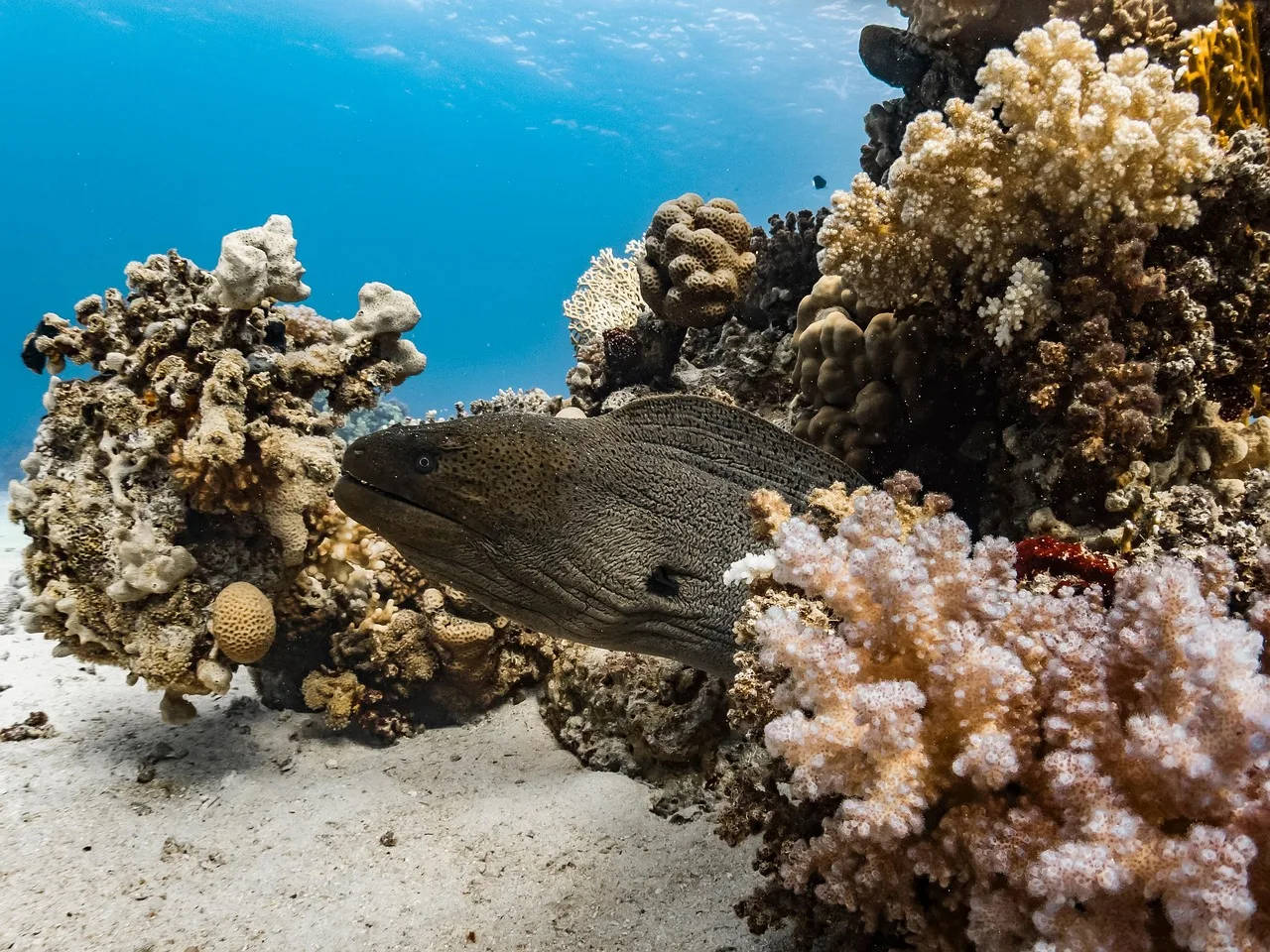
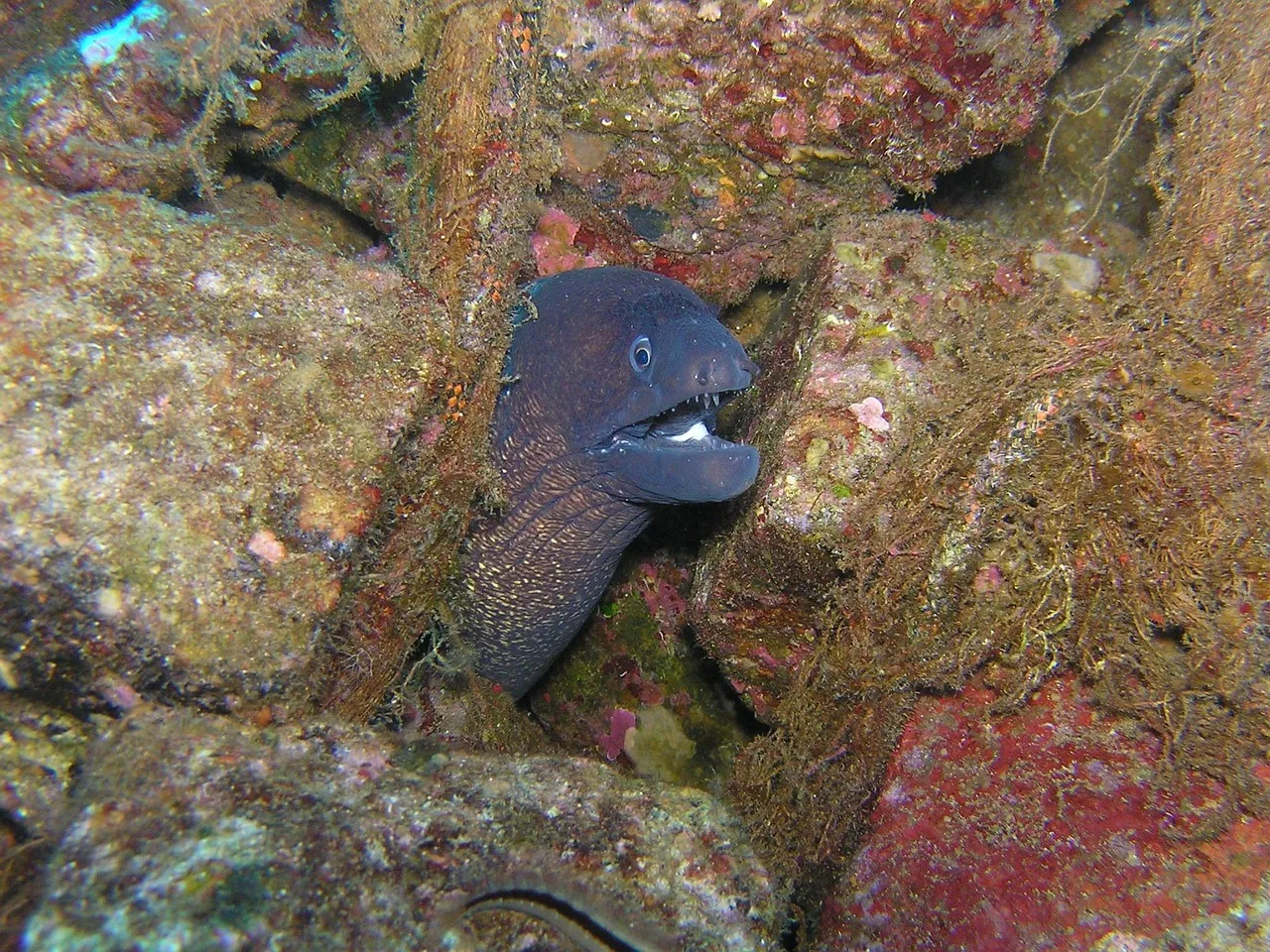
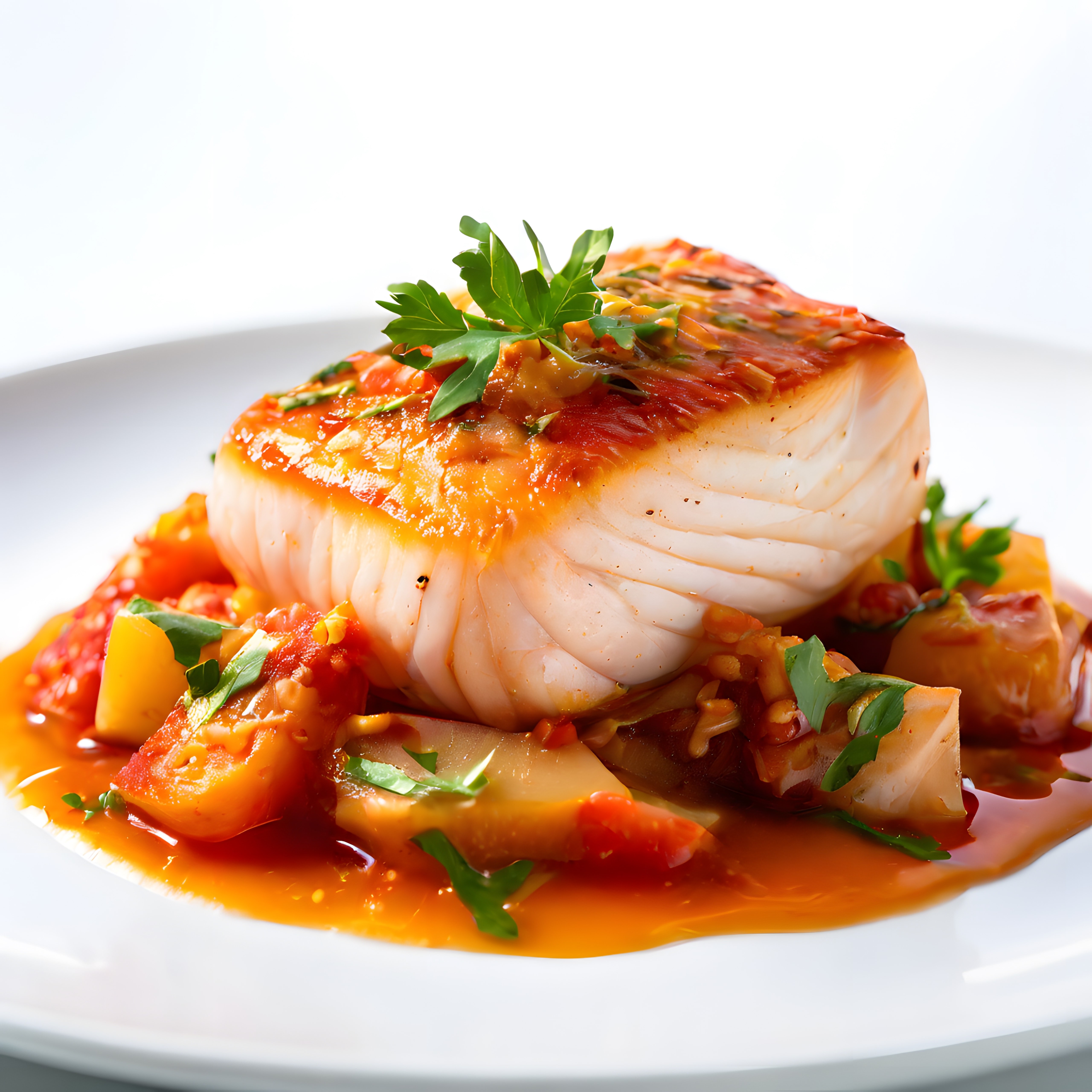
Çekim Tablosu
Belirtme (-i)morinaı
Yönelme (-e)morinaa
Bulunma (-de)morinada
Çıkma (-den)morinadan
Tamlayan (-in)morinaın
Çoğul (-ler)morinalar
Tanım
•isim, hayvan bilimi: Mezgitgillerden, kuzey denizlerinde yaşayan, eti yenilen, karaciğerinden yağ çıkarılan bir tür iri balık (Gadus morhua)
Diğer Dillerde
AlmancaDorsch, Kabeljau (eril) /dɔrʃ/
cod (marine fish of the family Gadidae)
çekim: çoğul Dorsche · tamlayan Dorsches
eş: Kabeljau, Gadus morhua
köken: From Middle High German dorsch, borrowed from Middle Low German dorsch, itself from Old Norse þorskr, from Proto-Germanic *þurskaz.
aile: Franzosendorsch, Gabeldorsch, Polardorsch, Silberdorsch, Zwergdorsch
Das ist Morina. — Bunun adı Morina.
Fransızcamorue (dişil) /mɔ.ʁy/
a whore; a broad · an ugly person; an oaf
çekim: çoğul morues
eş: cabillaud, greluche
köken: From Old French morlue, a compound of Breton mor (“sea”) + Old French lus (“pike”). Cognate with the specific name in Gadus morhua. Likewise, cognate with English milwell (an old word spelled many ways before English spelling was standardized).
aile: huile de foie de morue, morue charbonnier
Voilà un Morina. — Bunun adı Morina.
İspanyolcabacalao (eril) /bakaˈlao/
salt cod; klipfish · stockfish
çekim: çoğul bacalaos
eş: abadejo, curadillo, truchuela, abadejo, curadillo, truchuela
köken: From Dutch bakkeljauw, kabeljauw, from Old Dutch *cabillao, of uncertain origin. Possibly from Latin baculum (“stick, staff”), referring to the way cod were split and dried on wooden sticks. Or, possibly borrowed or influenced by Basque bakailao, which could be related to the Dutch word. Cognate with Italian baccalà, Portuguese bacalhau, Galician bacallau, Catalan bacallà.
aile: aceite de hígado de bacalao, bacalada, cortar el bacalao
Esta es una morina. — Bunun adı Morina.
İtalyancamerluzzo (eril) /merˈlut.t͡so/
pesce osseo dei mari del nord
çekim: çoğul merluzzi
eş: stoccafisso, baccalà
köken: From Occitan merlus, from Latin merula.
Questa è Morina. — Bunun adı Morina.
Мелкий голубой новозеландский песочник, заплыл в кадр, чтобы добавить красочности. — Küçük mavi morina manzaraya renk katıyor.
Farsçaکیسه /kiː.ˈsa/
sack · pouch · pocket
çekim: çoğul کیسهها
köken: From Middle Persian *kysk' (/kīsak, kīsag/), ultimately from Akkadian 𒋢𒃻𒉌𒌓 (kīsu, “leather bag for weights and silver; silver capital; treasury”), from which via Aramaic כִּיסָא (kīsā, “sack; purse”) Arabic كِيس (kīs, “sack; purse”). Other direct descendants of Middle Iranian include Old Armenian քսակ (kʻsak), Old Georgian კისაკი (ḳisaḳi), Udi кисакӏ (kisaḳ) and Baluchi کیسگ (kīsag, “pocket”).
aile: کیسهٔ هوا, کیسهتن, کیسهتنان
Tatarcaтәрәч
Felemenkçekabeljauw (eril) /ˌkaː.bəlˈjɑu̯/
A cod, fish of the family Gadidae. · Atlantic cod (Gadus morhua)
çekim: çoğul kabeljauwen
eş: bakeljauw
köken: From Middle Dutch cabelliau, from Old Dutch *cabillao, possibly from Latin baculum (“stick, staff”), referring to the way cod were split and dried on wooden sticks. Or, with metathesis from/influenced by Basque bakailao (“cod”), Portuguese bacalhau (“cod”).
aile: kabeljauwfilet, kabeljauwvisser
Dit is Morina. — Bunun adı Morina.
Portekizcebacalhau (eril) /ba.kaˈʎaw/
salt cod; klipfish · stockfish · handshake (grasping of hands by two people)
çekim: çoğul bacalhaus
eş: vascaíno
köken: From Dutch bakeljauw, bakkeljauw, of uncertain origin. Possibly from Late Latin baccalaureus, baculum (“stick, staff”), referring to the way cod were split and dried on wooden sticks. Or, possibly from Basque bakailao. The Basque term may be either the source or the descendant of Dutch kabeljauw, cognates would then include French cabillaud and German Kabeljau. Cognate to Italian baccalà, Spanish…
Esta é a Morina. — Bunun adı Morina.
Yunancaμπακαλιάρος (eril) /ba.kaˈʎa.ɾos/
cod (marine fish of the family Gadidae)
çekim: çoğul μπακαλιάροι · tamlayan μπακαλιάρου
eş: βακαλάος, λόγιο
köken: From Italian baccalà and Portuguese bacalhau.
Αυτή είναι η μορίνα. — Bunun adı Morina.
Korece대구 /tɛɡu/
A cod or haddock, especially the Pacific cod.
eş: 대구어, 대두어
köken: Sino-Korean word from 大口 (“big mouth”).
aile: 대서양대구, 해덕대구
이건 Morina 입니다. — Bunun adı Morina.
İsveççetorsk /tɔrsk/
cod, codfish · a john, a punter (person who solicits the service of prostitutes) · thrush (oral candidiasis)
çekim: çoğul torskar · tamlayan torsks
köken: From Old Swedish þorsker, from Old Norse þorskr, from Proto-Germanic *þurskaz.
En liten blå torsk som simmar in för en stänk av färg. — Küçük mavi morina manzaraya renk katıyor.
kokt torsk med äggsås
soppatorsk
Polisen kom och det blev torsk
cod (any marine fish of the family Gadidae) · Atlantic cod (Gadus morhua)
çekim: çoğul dorsze · tamlayan dorsza
eş: pomuchla, wątłusz
köken: Borrowed from German Dorsch, from Middle High German dorsch, from Middle Low German dorsch, from Old Norse þorskr, from Proto-Germanic *þurskaz, from Proto-Indo-European *ters- + *-ḱos.
aile: dorszokształtny, dorszowaty, dorszowy
To morina, roślina raczej nieciekawa, — Bunun adı Morina.
W Zatoce Alaska znajdują się łowiska łososi, dorszy i śledzi.
Ukraynacaтріска́
Маленький блакитний пісочник потрапив в кадр та зробив його колоритнішим. — Küçük mavi morina manzaraya renk katıyor.
skin; the outer (protective) layer of something · peel (of a fruit) · husk, hull, cod (of a seed, corn ear etc.)
çekim: çoğul kuoret · tamlayan kuoren
köken: From Proto-Finnic *koori (compare Estonian koor, Livonian kūoŗ, Veps korʹ), from Proto-Uralic *kare (compare Erzya and Moksha карь (kaŕ, “bast shoe”)).
aile: kuorellinen, kuoreton, kuoriainen, kuorike, kuorikko, -kuorinen, kuoriutua, kuorrute, kuorrutus, kuorukka
Turskalla ruokittiin Länsi-Euroopan väestö. — Morina, Batı Avrupa'nın insanlarının çoğunu besledi.
perunan kuori
banaanin kuori
riisin kuori
Çekçetreska (dişil) /ˈtrɛska/
rod mořských ryb
çekim: çoğul tresky · tamlayan tresky
köken: Borrowed from Russian треска (treska). Doublet of tříska.
aile: tresčí
Toto je Morina. — Bunun adı Morina.
Rumencecod (nötr)
code
çekim: çoğul coduri · tamlayan codului
köken: Borrowed from French code.
Aceasta e Morina. — Bunun adı Morina.
Macarcatőkehal /ˈtøːkɛɦɒl/
cod (marine fish of the family Gadidae)
çekim: çoğul tőkehalak
köken: From tőke (“stump; stock”) + hal (“fish”). Calque of German Stockfisch. The first part in the German compound suggests that this fish was dried on a type of rod, perhaps a stake. First attested in 1604.
aile: alaszkai tőkehal, atlanti tőkehal, déli kék tőkehal, fekete tőkehal, foltos tőkehal, francia tőkehal, grönlandi tőkehal, jeges tőkehal, kék puha tőkehal, norvég tőkehal
Ez a Morina. — Bunun adı Morina.
İbraniceבָּקָלָה, זְאֵב יָם, שִׁבּוּט
זהו מורינה. זהו צמח — Bunun adı Morina.
Vietnamcacá tuyết /kaː˧˦ twiət̚˧˦/
a codfish
köken: From cá (“fish”) + tuyết (“snow”), calque of Chinese 鱈魚 /鳕鱼 (xuěyú).
Cá tuyết xanh nhỏ bơi như nét vẽ của mầu sắc. — Küçük mavi morina manzaraya renk katıyor.
Bulgarcaподигравателен, тре́ска, шушулка
Това е Морина. — Bunun adı Morina.
dried cod
çekim: çoğul polénovke · tamlayan polénovke
Majhen peščeni ostriž, ki s svojim prihodom doda kanček barve. — Küçük mavi morina manzaraya renk katıyor.
Litvancamenkė (dişil) /¹ˈmʲæˑŋʲkʲeː/
cod (Gadus morhua)
çekim: çoğul ménkės · tamlayan ménkės
köken: Cognate with Latvian mȩñca.
aile: ledjūrio menkė - pollock, saithe(Pollachius virens)
Letoncamenca (dişil) /mǣntsa/
cod, codfish (sea fish, family Gadidae)
çekim: çoğul mencas · tamlayan mencas
köken: From Proto-Baltic *menkyā-, from Proto-Indo-European *menk- (“to knead, to crush”) (> “to weaken, to make small, low-valued”); the full en remained in Kurzeme dialects (compare, from the same stem, mīksts (“soft”), mīcīt (“to knead”), where en > ī), from which it spread to other dialects. The semantic development suggests that this fish was seen as unimportant or low-valued. Cognates include…
Atlantijas menca
mencu sugas
mencu zveja
Estoncatursk /ˈtursk/
cod (any marine fish of the family Gadidae) · Atlantic cod (Gadus morhua)
çekim: çoğul tursad · tamlayan tursa
köken: Inherited from Proto-Finnic *turska, from Proto-Germanic *þurskaz, from Proto-Indo-European *ters- + *-ḱos. Compare Finnish turska.
aile: atlandi tursk, grööni tursk, keedutursk, kilttursk, Nokistursk, polaartursk, soolatursk, suitsutursk
Taycaค็อด
Etimoloji
İngilizce
Örnek Cümleler
Bunun adı Morina.
This is Morina.
Morina alayım, lütfen.
I'll take cod, please.
Fok morina ve diğer deniz avları yapılır.
Crabs and other marine creatures are found here.
Küçük mavi morina manzaraya renk katıyor.
Little blue cod swimming in for a dash of color.
Daegu-jeon (대구 전) - morina balığından yapılır
Daegu-jeon (대구전) - made of codfish.
Morinaga tarafından Japonya'da satılmaktadır.
It is sold in Japan by Morinaga.
Morina, kuzeyde, "Net bir komut yapısı olmalı.
In the north, she adds, "There must be a clear commanding structure.
Anneannemin leziz bir morinalı yemek tarifi vardı.
My grandmother had a delicious recipe of cod.
Ertesi yıl, Jupiter İkinci Morina Savaşı'na katıldı.
The following year, Jupiter took part in the Second Cod War.
Morina, Batı Avrupa'nın insanlarının çoğunu besledi.
Cod fed most of the people of Western Europe.
Baccalà alla lucana - Çıtır kırmızı biberli morina balığı .
Baccalà alla lucana – Cod with crunchy red peppers.
Morinalar orada çünkü kopepodlar ve amfipodlarla besleniyorlar.
And the cod are there because they are feeding on all the copepods and amphipods.
Birleşik Kelimeler
mersin morinası