Sözlük
/mayıs
mayıs
noun
B2 seviye
TR → EN
"mayıs" kelimesinin İngilizcesi: may, ides, may, may. Anlamı, çevirisi, telaffuzu ve örnek cümleler aşağıdadır.
Çeviri
Genelmaynoun
Genelides
Genelmay
Genelmay
Görsel
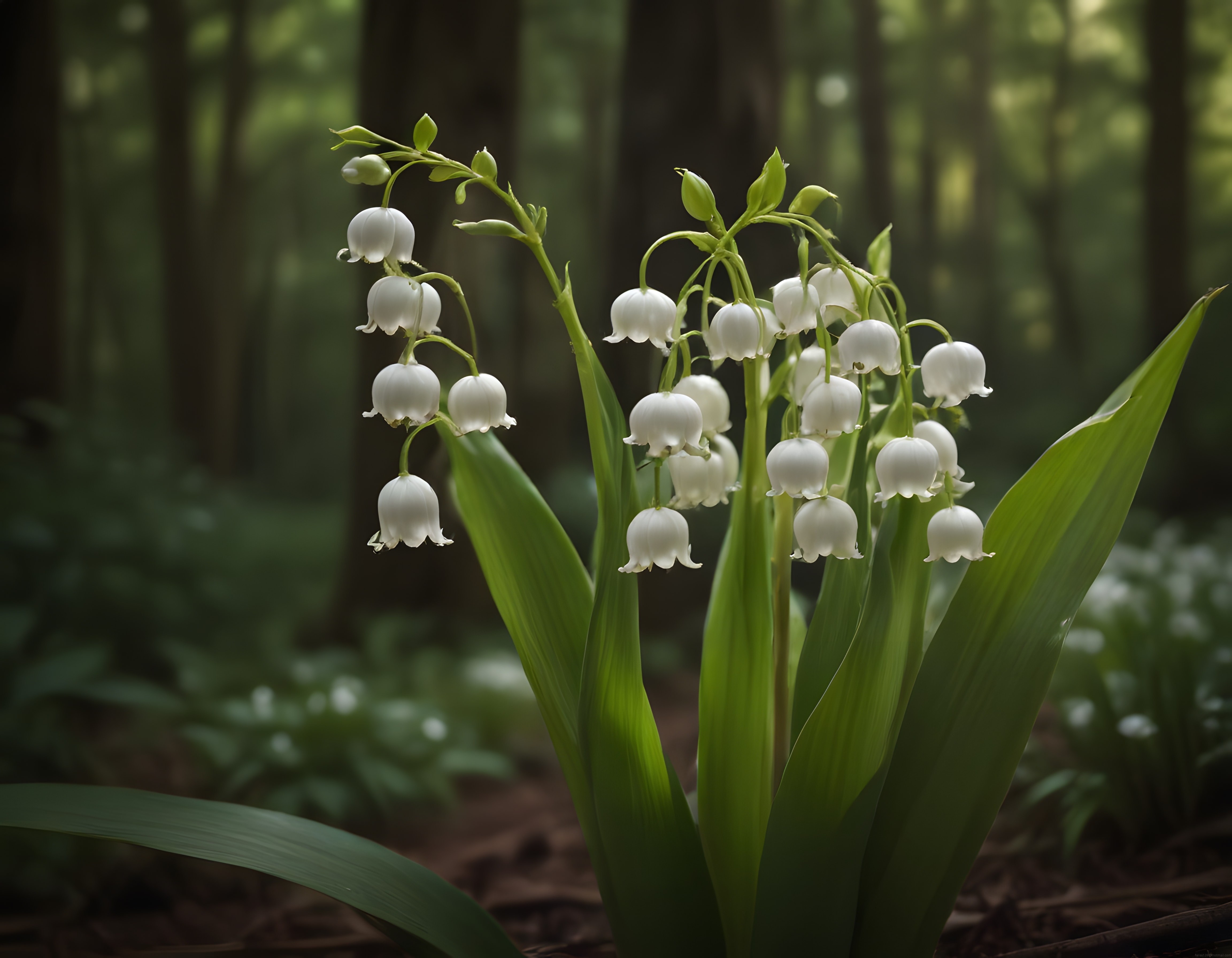
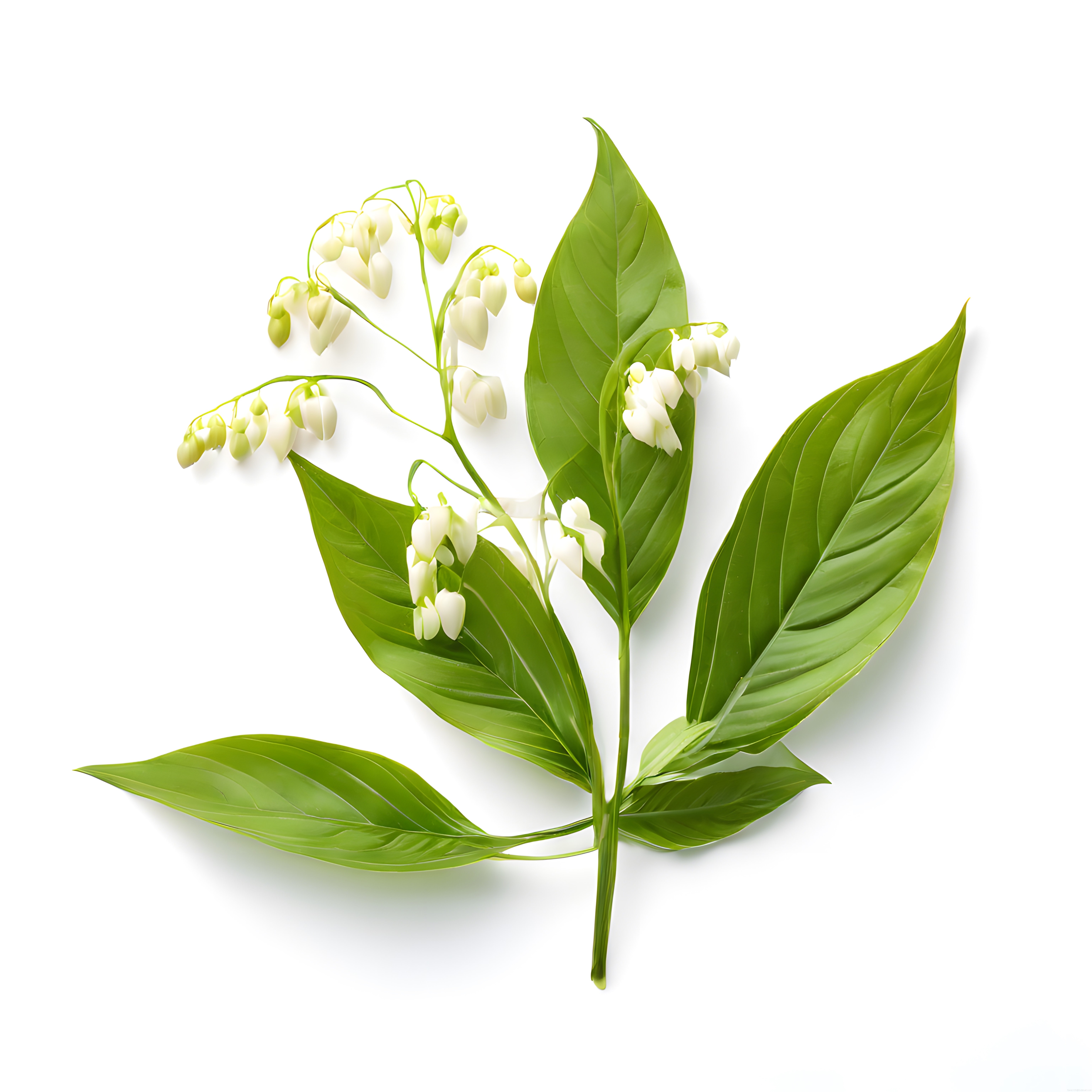
Çekim Tablosu
Belirtme (-i)mayısı
Yönelme (-e)mayısa
Bulunma (-de)mayısta
Çıkma (-den)mayıstan
Tamlayan (-in)mayısın
Çoğul (-ler)mayıslar
Tanım
•Taze sığır dışkısı.
•Yılın 31 gün süren beşinci ayı
•Yılın otuz bir gün süren, beşinci ayı
•Taze sığır gübresi
Atasözü & Deyim
“Nisan yağar sap olur, mayıs yağar çeç olur”
Diğer Dillerde
Almancamai, Mai, Wonnemond (eril) /maɪ̯/
May (month)
çekim: çoğul Maie · tamlayan Mais
eş: Fünfter, Wonnemonat, Wonnemond
köken: From Middle High German meie, from Old High German meio, from Latin (mensis) Maius, the Italic goddess of growth.
aile: Maibaum
Mai 2004. — Mayıs 2004.
FransızcaMai (eril) /mɛ/
May (month)
çekim: çoğul mais
eş: mois de Marie
köken: Inherited from Old French mai, from Latin Maius.
aile: arbre de mai, mi-mai
16 mai. — 16 Mayıs.
İspanyolcamayo (eril) /ˈmaʝo/
maypole · male equivalent of maya (“girl who oversaw the May festivities”) · bouquet left by a boyfriend in front of his girlfriend's door
çekim: çoğul mayos
eş: guainica, maisito, mayito, turpial de sureste
köken: Etymology tree Proto-Indo-European *méǵh₂sder.? Latin Maia Proto-Indo-European *-ós Proto-Indo-European *-ós Proto-Indo-European *-ós Proto-Indo-European *-ós Proto-Indo-European *-os Proto-Italic *-os Old Latin -os Latin -us Latin Maius Old Spanish mayo Spanish mayo Inherited from Old Spanish mayo, from Latin Maius.
aile: como agua de mayo, Dos de Mayo, flor de mayo, mayear, nos ha jodido mayo con las flores, Sol de Mayo
21 de mayo. — 21 Mayıs.
İtalyancamaggio (eril) /ˈmad.d͡ʒo/
May (fifth month of the Gregorian calendar) · bloom; prime (of life)
köken: From Latin Maius.
6 maggio. — 6 Mayıs.
E quale, annunziatrice de li albori, l’aura di maggio movesi e olezza, tutta impregnata da l’erba e da’ fiori; […]
Rusçaмай /maj/
пятый месяц календарного года в юлианском и григорианском календарях
çekim: çoğul ма́и · tamlayan ма́я
köken: Borrowed from Old Church Slavonic маи (mai) from Byzantine Greek Μάϊος (Máïos) from Latin māius from Maia (perhaps) from Proto-Indo-European *magya (“she who is great”) from Proto-Indo-European *mégh₂s (“great”).
aile: маёвка, первома́йский, Первома́й, майский жук
6 мая. — 6 Mayıs.
Holonyms: весна́ (vesná), год (god)
в ма́е
Девятое ма́я
Arapçaأَيَّار, اِسْتَطَاعَ, مَايُو
6 مايو. — 6 Mayıs.
Farsçaتوانستن, شایَد /tu.waː.nis.ˈtan/
to be able; can
çekim: geçmiş توان
köken: Verbal form of توان (tavân, “power”).
نمیتواند با شما برود. Nemi-tavânad bâ šomâ beravad.
He can't go with you.
توانستهای حمام کنی؟ Tavâneste-i hammâm koni?
Felemenkçemei (eril) /mɛi̯/
de vijfde maand van het jaar
eş: bloeimaand
köken: From Middle Dutch meye, from Latin Māius.
aile: meiboom, meidoorn, meikever, meiklokje, meivakantie
6 mei 1996. — 6 Mayıs 2003.
Portekizcemaio (eril) /ˈmaj.u/
vide maio
çekim: çoğul maios
köken: Inherited from Old Galician-Portuguese mayo, from Latin Maius.
16 de maio. — 16 Mayıs.
Yunancaειδοί, επιτρέπεται, ίσως, λευκάκανθα, Μάης, Μαΐ
η 15^η Μαρτίου, Μαΐου, Ιουλίου και Οκτωβρίου και η 13^η των άλλων μηνών
Μάιος 2008. — Mayıs 2008.
Japonca五月。
2011年5月 — Mayıs 2011.
Korece오월(5월)
5월 21일. — 21 Mayıs.
maybe, perhaps, possibly
köken: From kan (“can, may”) + ske (“happen, occur”), less commonly used similar constructions include kanhända, måhända, törhända, and Danish måske. Compare Elfdalian kanstji, Norwegian kanskje, Icelandic kannski, and Faroese kanska.
Maj. — Mayıs. AB:
[Kan] jag älska henne nu, då hon har [givit] sig åt en främmande man? Eller kanske åt flera…
Trots allt var jag en god medsoldat och skulle kanske kunna bli en ännu bättre.
perhaps, probably, I believe, I think · at least · had better, may
eş: bodajże, chyba, podobno, choć, choćby, przynajmniej
köken: Inherited from Old Polish bodaj, bogdaj, bohdaj, a univerbation of bóg daj. Ultimately from Proto-Slavic *bogъ daďь.
aile: bodajby, bodajże, że bodaj
16 maja. — 16 Mayıs.
Poszedł bodaj w górę.
Pożycz bodaj na tydzień.
Bodaj palce mu zginęły!
may, let (expressing a wish)
çekim: çoğul на́ї · tamlayan на́ю
köken: Inherited from Proto-Slavic *najь, a contraction of *ne xaji (“do not touch”). Compare неха́й (nexáj).
Травень. — Mayıs. AB:
Най щастить!
hawthorn (any bush of the genus Crataegus)
çekim: çoğul orapihlajat · tamlayan orapihlajan
köken: ora- (“thorny”) + pihlaja (“mountain ash”)
aile: aitaorapihlaja, altainorapihlaja, amerikanorapihlaja, etelänorapihlaja, kreikanorapihlaja, orapihlaja-aita, orapihlajanmarja, tylppäliuskaorapihlaja, tylppöorapihlaja, välkeorapihlaja
Toukokuu 1945. — Mayıs 1945.
Çekçekvěten (eril) /ˈkvjɛtɛn/
pátý měsíc v roce
çekim: çoğul květny · tamlayan května
eş: máj
köken: Short form of květný, from Old Czech květný, from Proto-Slavic *květьnь.
Květen 1997 . — Mayıs 1997.
Rumenceflorar, gherghin, păducel, putea, să, se poate (eril) /floˈrar/
one who grows or sells flowers; flower vendor; florist · May (fifth month of the Gregorian calendar)
çekim: çoğul florari · tamlayan florarului
köken: From floare + -ar. Compare Italian fioraio, Portuguese floreiro, Spanish florero.
12-MAI-2012 — 12 mayıs 2012
Macarca-hat, -het, -j, előfordulhat, galagonya, galagonyavirág /hɒt/
may (having the potential to do or be something) · may, can, being permitted, allowed, or enabled to
köken: Ultimately originates from the verb hat.
aile: -hatatlan, -hatnék
2010. májusban. — Mayıs 2010.
ad (“to give”) + -hat → adhat (“may give, can give”)
A hosszan magára hagyott kutya ugathat, nyüszíthet, bepisilhet vagy rombolhat.
Ebbe a házba bemehet a kutya.
to be allowed; to be permitted · although, even if
çekim: ortaç licitus · şimdiki liceat · ulaç licēns
köken: Uncertain. Perhaps from Proto-Italic *likēt, from Proto-Indo-European *lik-eh₁-yéti, from a root of the shape *leyk-, though there are no certain cognates outside of Italic. Cognate with liceor, liceō, Oscan 𐌋𐌝𐌊𐌝𐌕𐌖𐌃 (líkítud, “it is permitted”); outside of Italic, compare perhaps Lithuanian reikė́ti (“to need”).
aile: īlicet, illicitus, licēns, licenter, licentia, licentiātus, līcentior, licentiōsus, licēscit, licitus
Licetne pauca?
Quod licet Iovī, nōn licet bovī
Cui peccare licet, peccat minus.
Norveççefå, kan, kan være, måtte
Besøkt 27. mai. — 27 Mayıs.
Endonezcebarangkali, bisa, bisa jadi, bisa saja, boleh, dapat /baraŋˈkali/
maybe
köken: From Malay barangkali.
Mei 2005. — Mayıs 2005.
Tanyakanlah, barangkali ia mengerti.
Vietnamcacó lẽ, được phép, tháng năm /kɔ˧˦ lɛ˦ˀ˥/
maybe; perhaps; probably; possibly
köken: có (“to have”) + lẽ (“reason; fact”).
Tháng 1 năm 1972. — Mayıs 1972.
Có lẽ hắn chưa biết bố hắn vô tù.
Bulgarcaглог, имам възможност, мога /ˈmɔɡɐ/
used to indicate that it is possible for somebody or something to do something; can, be able to · to know how to do something, can, be able to · to be allowed to do something, can, may
çekim: geçmiş none · ortaç могъ́л · şimdiki мо́же · ulaç мо́жещ
köken: Inherited from Old Church Slavonic мощи (mošti), from Proto-Slavic *moťi.
aile: възмогна, възмогвам, домогна се, домогвам се, замогна се, замогвам се, изнемогна, изнемогвам, надмогна, надмогвам
Май. — Mayıs. AB:
Той не можа да отговори на въпроса.
Стадионът може да бъде изпразнен за четири минути.
Не мога да обещая нищо, но ще направя каквото мога.
Etimoloji
Osmanlı Türkçesi مایس, Pontus Rumcası.
Örnek Cümleler
6 Mayıs.
6 мая.
Mayıs Sk.
Ecos del mayo.
21 Mayıs.
21 May.
27 Mayıs.
27 May.
16 Mayıs.
16 May.
Mayıs 2020
May 2020
Mayıs 1990.
May 1990.
Mayıs 1945.
May 1945.
Mayıs 1972.
May 1972.
Mayıs 2008.
May 2008.
Mayıs 1254).
1254).
(Mayıs 2008)
(May 2008)
İlgili Sorular
İlgili / Bileşik Terimler
Genelcockchafer