Sözlük
/leş
leş
/leʃ/
noun
C1 seviye
TR → EN
"leş" kelimesinin İngilizcesi: carrion, carcass, carrion, animal carcass. Anlamı, çevirisi, telaffuzu ve örnek cümleler aşağıdadır.
Çeviri
Genelcarrionnoun
Genelcarcass
Genelcarrion
Genelanimal carcassnoun
Görsel
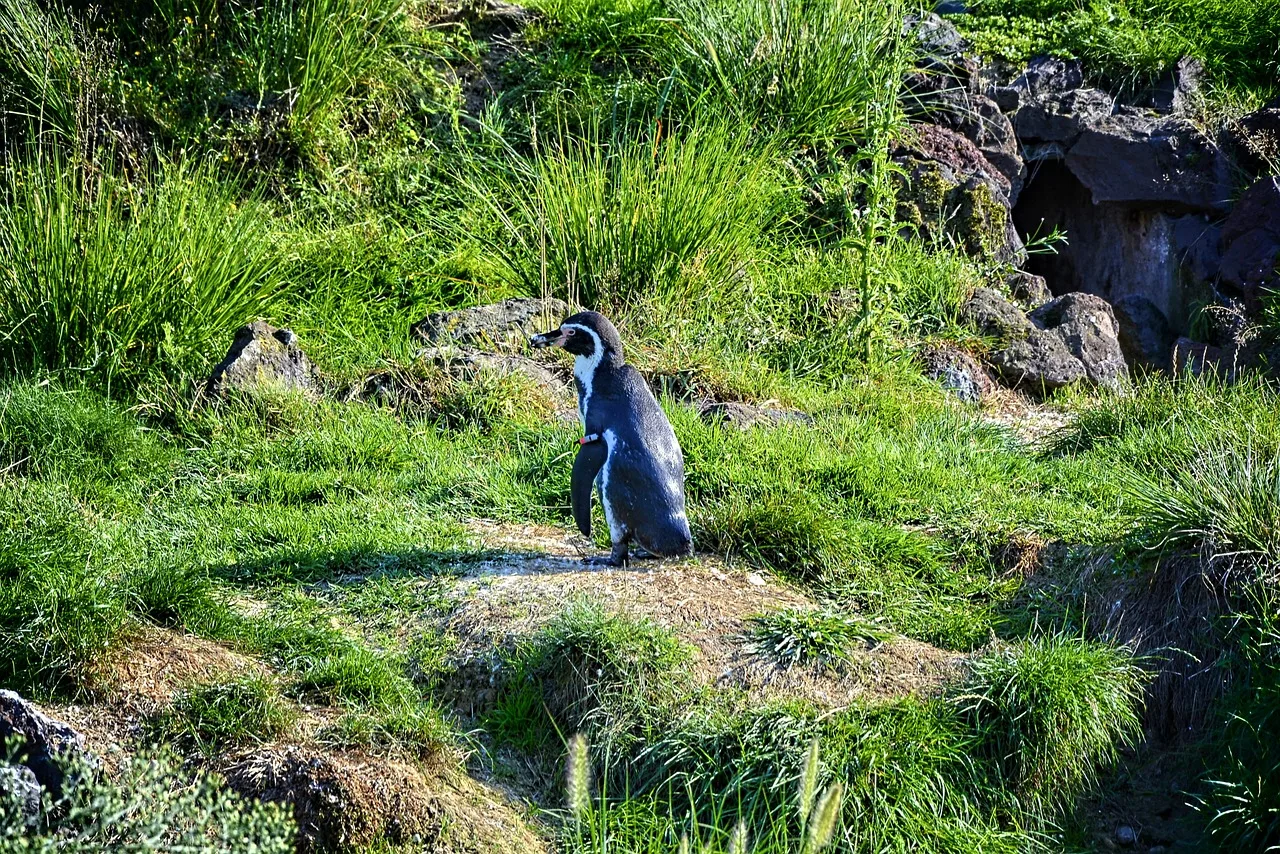
Çekim Tablosu
Belirtme (-i)leşi
Yönelme (-e)leşe
Bulunma (-de)leşte
Çıkma (-den)leşten
Tamlayan (-in)leşin
Çoğul (-ler)leşler
Tanım
•çok kötü kokan
•kokmuş hayvan ölüsü
•Lisansüstü Eğitim Giriş Sınavı
•Çok kötü kokan
•Kokmuş hayvan ölüsü
Diğer Dillerde
Almancaaas, Kadaver, Aas (nötr) /aːs/
carrion (perished animal, especially as food for scavengers) · bait · a word for a person or animal, often implying insubordination and/or cunning, but also used affectionately for someone cheeky or shrewd
çekim: çoğul Aase · tamlayan Aases
eş: Kadaver, Luder, Tierkadaver, Tierleiche, Kadaverfleisch, Moderfleisch
köken: From Middle High German ās (“carrion, bait”), from Old High German *ās, from Proto-Germanic *ēsą. Later merged with Middle High German āȥ (“food”), from Old High German āȥ, from Proto-West Germanic *āt, from Proto-Germanic *ētą. Both ultimately from Proto-Indo-European *h₁ed- (“to eat”).
aile: aasen, aasfarbig, aasfressend, aasig, Aasbande, Aasblume, Aasfliege, Aasfresser, Aasgeier, Aasgeld
Lesly Weyts — Lesly Weyts
ein raffiniertes, kleines Aas
FransızcaCadavre, charogne, Charogne (eril) /ka.davʁ/
corpse, cadaver · empty bottle, empty
çekim: çoğul cadavres
eş: charogne, corps, macchabée, maccab, mort, dépouille
köken: Borrowed from Latin cadavere.
aile: cadavre exquis
Lesly Weyts — Lesly Weyts
cadaver, corpse
çekim: çoğul cadáveres
eş: despojos, fiambre, restos mortales
köken: Borrowed from Latin cadāvere.
aile: cadavérico, depósito de cadáveres
Lesly Weyts — Lesly Weyts
carcass · hulk, shell · framework, skeleton
çekim: çoğul carcasse
eş: ossame, ossatura, scheletro, carcame, carogna, cadavere
köken: Likely from carcasso, obsolete variant of turcasso (“quiver”). Compare the now obsolete “bomb” sense.
Lesly Weyts — Lesly Weyts
Rusçaпадаль (dişil) /ˈpadəlʲ/
carrion, offal (dead flesh; carcasses) · an objectionable person
çekim: çoğul па́дали · tamlayan па́дали
eş: мертвечина, дохлятина, стервятина, стерва, падла, подонок
köken: па́дать (pádatʹ) + -ль (-lʹ). Compare typologically Latin cadāver (akin to cadō), Ancient Greek πτῶμα (ptôma) (< πίπτω (píptō)).
Lesly Weyts — Lesly Weyts
Arapçaجِيفة, فَطِيسَة
يسار - القمة — Timor- Leste
corpse, carrion
köken: From Middle Persian [script needed] (lšt /lašt/, “corpse”). Cognate with Avestan 𐬌𐬭𐬌𐬯𐬙𐬀 (ⁱrista, “corpse”) and Proto-Germanic *līką.
Azericecəmdək, leş /leʃ/
animal carcass, carrion · a human corpse, especially of a very hated person
çekim: çoğul leşlər · tamlayan leşin
köken: Borrowed from Classical Persian لاش.
- Otaqlar leş iyi verir.
Kazakçaөлексе
carcass; carrion · good-for-nothing
çekim: çoğul өлекселер · tamlayan өлексенің
eş: жемтік, өлімтік
bait · carrion
çekim: çoğul azen
köken: From Middle Dutch âes, from Old Dutch ās, from Proto-Germanic *ēsaz.
aile: aaseter, aasgier, aaskever, aasvlieg, aasvogel, lokaas
Lesly Weyts — Lesly Weyts
Portekizcecarcaça, carniça, esqueleto (dişil) /kaʁˈka.sɐ/
carcass · bread roll
çekim: çoğul carcaças
eş: armação, papo-seco
köken: Borrowed from French carcasse, from Old French charcois.
Lesly Weyts — Lesly Weyts
a dead body, a cadaver, a corpse
eş: 遺体, 死骸, しかばね, なきがら, むくろ
köken: 死 is a daiyōji replacing 屍.
Lesly Weyts — Lesly Weyts
床下から死体が発見された。
Korece사체 /ˈsʰa̠(ː)t͡ɕʰe̞/
carcass (of an animal) · corpse, cadaver (of the victim)
köken: Sino-Korean word from 死體 (“dead body”), an orthographic borrowing from Japanese 死体(したい) (shitai).
동티모르 — Timor- Leste
사체은닉죄
Carrion, carcass (of an animal killed by a predator). · an asshole, ass (inconsiderate or otherwise contemptible person)
çekim: çoğul asen · tamlayan asets
köken: From Middle Low German âs. Cf. German Aas, Dutch aas.
aile: asätare
Lesly Weyts — Lesly Weyts
Dra åt helvete ditt jävla as!
carrion (dead flesh; carcasses)
çekim: tamlayan padliny
eş: ścierwo, reg. śl. myrcha
köken: Etymology tree Polish padły Proto-Indo-European *-iHneh Proto-Balto-Slavic *-īˀnāˀder. Proto-Slavic *-ina Old Polish -ina Polish -ina Polish padlina From padły + -ina.
aile: padlinowy, padlinożerny, padlinożerca
Lesly Weyts — Lesly Weyts
Ukraynacaмертвечи́на, мертве́ччина, па́дло
Lesly Weyts — Lesly Weyts
the carcass of an animal · carcass used as bait when hunting carnivores · an ugly person, especially a woman
çekim: çoğul haaskat · tamlayan haaskan
köken: Probably derived from haja- (compare dialectal haiska) with + -ska.
aile: haaskata, haaskaeläin, haaskalintu, haaskametsästys, haaskansyöjä
Lesly Weyts — Lesly Weyts
Çekçehajzl, zmrd, mršina, zdechlina, mrtvola, něco odporně páchnoucího (dişil) /ˈmr̩tvola/
corpse
çekim: çoğul mrtvoly · tamlayan mrtvoly
eş: mrtvý, mršina, zdechlina
köken: From mrtvý.
aile: jen přes mou mrtvolu, mrtvolný
Lesly Weyts — Lesly Weyts
Rumencecadavru, carcasă, corp mort, hoit, mortăciune, stârv (nötr) /kaˈdavru/
corpse (dead human body) · cadaver (dead animal body)
çekim: çoğul cadavre · tamlayan cadavrului
köken: Borrowed from French cadavre, Latin cadaver, German Kadaver.
Lesly Weyts — Lesly Weyts
Macarcaácsozat, dög, döghús, épületváz, gyújtóbomba, gyújtólövedék /ˈdøɡ/
carrion, carcass (the body of a dead animal) · beast · woman (a sexually attractive woman)
çekim: çoğul dögök
köken: Of unknown origin.
aile: döglik, döglődik, dögös, döglégy
Lesly Weyts — Lesly Weyts
İbraniceגְּוִיָּה, נְבֵלָה, פֶּגֶר
לסוטוworld. kgm — Lesotoworld. kgm
Latincecadāver, morticīnus
piece of carrion, dead animal body, especially when it serves as food for other animals, so-called ådselædere
çekim: çoğul ådsler · tamlayan ådsels
köken: From Old Danish atsæl, from the root of æde (“to eat”).
aile: ådselbille, ådselfugl, ådselgraver, ådselgrib, ådselæder
Lesly Weyts — Lesly Weyts
Norveççeåtsel, skrog, skrott
Les Milles — Les Milles
carcass, the body of a dead animal · corpse; remains
çekim: çoğul bangkai-bangkai
köken: Inherited from Malay bangkai, from Classical Malay bangkai, from Proto-Malayo-Polynesian *baŋkay. Cognate of Tagalog bangkay (“cadaver, corpse”).
aile: pebangkai, bunga bangkai, kembang bangkai
LC: — Leslie Chang:
Bulgarcaарматура, гниещ, дръглив, измършавял, костелив, леш (dişil) /ɐrmɐˈturɐ/
carcass (frame) · collection of instruments
çekim: çoğul армату́ри
köken: Probably borrowed from Russian армату́ра (armatúra), from Latin armātūra (“weapons”).
Lesly Weyts — Lesly Weyts
Slovakçazdochlina
Lesly Weyts — Lesly Weyts
Etimoloji
Farsça لاشه
Kelime Ailesi
Eş & Zıt Anlamlılar
Örnek Cümleler
Leş yerler.
Jaan Puhvel.
Lesly Weyts
Lesly Weyts
Timor- Leste
Timor-Leste
LESLEY STAHL:
LESLEY STAHL:
Leslie Chang:
LC:
Les Déracinés
Les Déracinés, published in 1897.
Gösteri leşti.
The show was pants.
Lesotho Lotisi
Lesotho Loti
Lesathstar name
Lesath
Lesley Fera (d.
Lesley Fera (born November 23, 1971) is an American actress.
Lesotoworld. kgm
Lesotho
Leş'deki Okullar
Schools in Lezhë
İlgili Sorular
İlgili / Bileşik Terimler
Genelgreens
Genelcarrion crow