Sözlük
/yeşim
yeşim
/jeʃim/
noun
C2 seviye
TR → EN
"yeşim" kelimesinin İngilizcesi: jasper, jade, jasper, jade, jasper. Anlamı, çevirisi, telaffuzu ve örnek cümleler aşağıdadır.
Çeviri
Bilimjaspernoun
Geneljade
Geneljasper
Geneljade
Geneljasper
Görsel



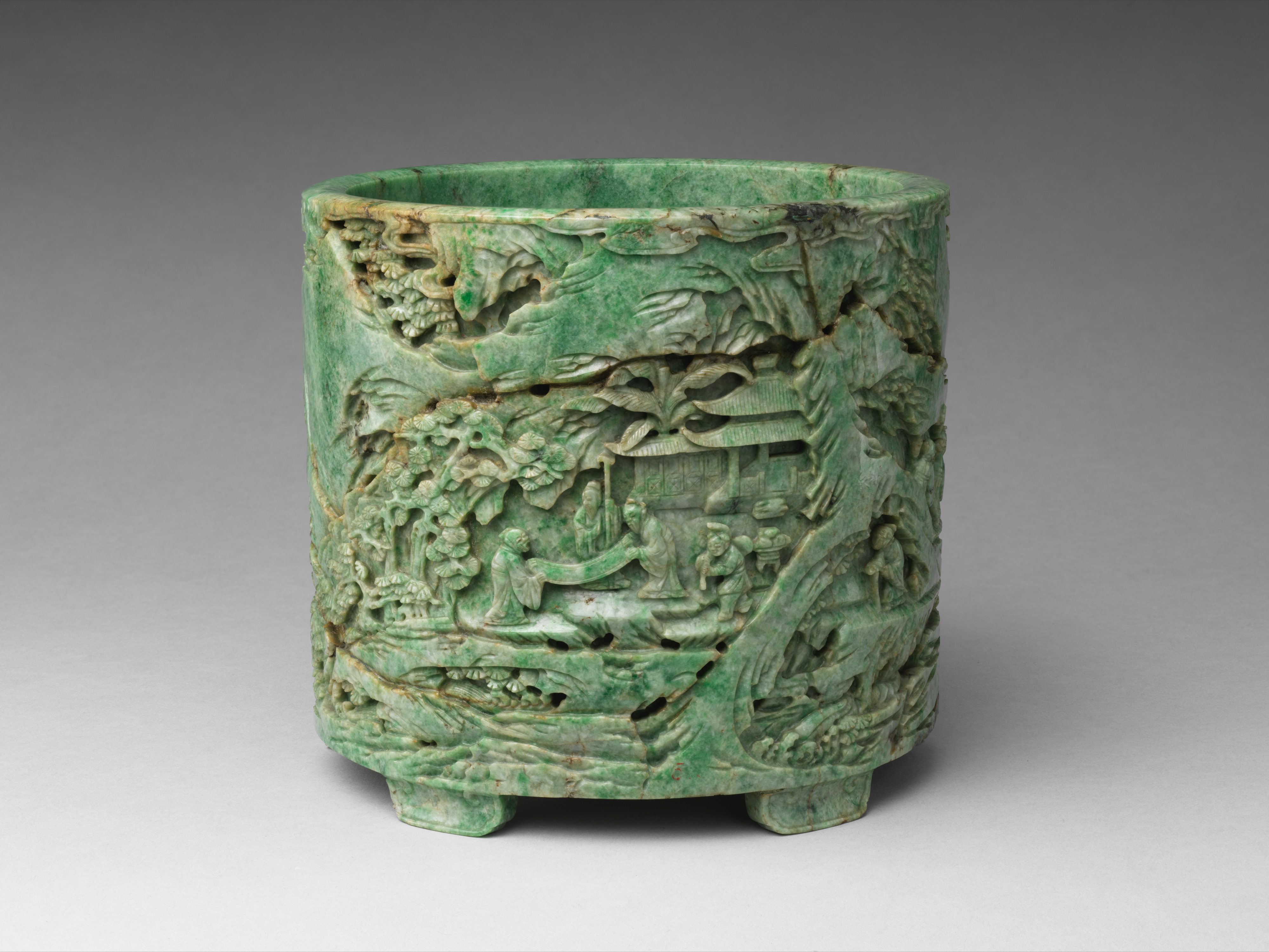
Çekim Tablosu
Belirtme (-i)yeşimi
Yönelme (-e)yeşime
Bulunma (-de)yeşimde
Çıkma (-den)yeşimden
Tamlayan (-in)yeşimin
Çoğul (-ler)Yeşimler
Tanım
•Açık yeşil renkte bir taş.Yüzük ve ziynet eşyası yapımında kullanılır.Eski Türklerde suya atılırsa yağmur yağacağına inanılırdı
•Bir soyadı. Eski dönemlerde, Türklerce kutsanmış, değerli taş
•Açık yeşil ve pembe renkli, kolay işlenen, değerli bir taş
Diğer Dillerde
Almancaalter Gaul, Gaul, Jade, jadegrün, Jaspis, Klepper (eril) /ɡaʊ̯l/
horse, hack (now chiefly derogatory, but less so for working horses, and not at all in regional usage)
çekim: çoğul Gäule · tamlayan Gauls
eş: Klepper, Mähre, Schindmähre, Pferd
köken: From Middle High German gūl, from Old High German *gūl, from Proto-West Germanic *gūl- (stem form uncertain). Cognate with Dutch guil, Middle Low German gûl(e). Further origin obscure, but possibly related with gießen (“to pour”), referring to a “seed pourer”, that is a stud.
aile: Ackergaul, Kutschgaul
Akad., 1988 Neue Bäume pflanzen. — 1983 yılında Yeşim Tekstil’i kurdular.
Fransızcacarne (dişil) /kaʁn/
meat (usually of bad quality) · nag (old useless horse)
çekim: çoğul carnes
köken: Borrowed from Norman carne, ultimately from Latin carō. Doublet of chair.
Puits de jadeConstellation name (optional) — YEŞİM CEŞMEConstellation name (optional)
İspanyolcaagotar, enfastiar, enhastiar, hartar, hastiar, jade /aɡoˈtaɾ/
to exhaust, deplete, use up · to run out · to sell out
çekim: geçmiş agoté · ortaç agotado · şimdiki agota
köken: Inherited from Vulgar Latin *eguttāre, from Latin gutta, whence English gout and gutter.
aile: agotable, agotado, agotador, agotamiento
La madre de Yeşim. — Yeşim's mother.
el tiempo se agota
Con tanto trabajo se está agotando
jasper · any hard stone
çekim: çoğul diaspri
köken: Borrowed from Medieval Latin diasprum, derived from Latin iaspis, from Ancient Greek ἴασπις (íaspis). See also iaspide.
POZZO DI GIADAConstellation name (optional) — YEŞİM CEŞMEConstellation name (optional)
Rusçaминер. яшма
Constellation name (optional) — YEŞİM CEŞMEConstellation name (optional)
Arapçaيَشْب, يَشْم
Constellation name (optional) — YEŞİM CEŞMEConstellation name (optional)
Azericeyaşma, yəşəm
Özbekçeyashma
Felemenkçejadegroen
JADEPUTConstellation name (optional) — YEŞİM CEŞMEConstellation name (optional)
Yunancaίασπις, νεφρίτης
ημιπολύτιμος λίθος, που αποτελεί αδιαφανή μορφή χαλαζία
Γιεσίμ του μητέρα. — Yeşim's mother.
Japonca碧玉。
玉井Constellation name (optional) — YEŞİM CEŞMEConstellation name (optional)
Korece벽옥
미세한 석영결정이 모여서 생긴 광물이며 보석의 일종.
JADE WELLConstellation name (optional) — YEŞİM CEŞMEConstellation name (optional)
İsveççejadegrön
JADEKÄLLAConstellation name (optional) — YEŞİM CEŞMEConstellation name (optional)
jade (horse that is scrawny or in poor condition)
çekim: çoğul chabety · tamlayan chabety
eş: szkapa, rosynant, myrcha
köken: From Proto-Slavic *xabъ. For the suffix, compare kobieta.
NEFRYTOWA STUDNIAConstellation name (optional) — YEŞİM CEŞMEConstellation name (optional)
Hintçeयशब, सूर्यकांत, हरिताश्म (eril) /ɦə.ɾɪ.t̪ɑːʃ.mᵊ/
jade
çekim: çoğul हरिताश्मों
köken: Borrowed from Sanskrit हरिताश्मन् (haritāśman). By surface analysis, हरित (harita, “green”) + अश्म (aśma, “stone”).
Fincejadenvihreä, kulua, kuluttaa, luuska, väsyä, väsyttää /ˈjɑdenˌʋihreæ/
jade (something of that color)
çekim: karşılaştırma jadenvihreämpi · üstünlük jadenvihrein
köken: jaden (“(of) jade”, genitive) + vihreä (“green”)
Constellation name (optional) — YEŞİM CEŞMEConstellation name (optional)
Çekçe(stará) herka, jadeit, jadeitová zeleň, jaspis (eril) /ˈjaspɪs/
jasper (opaque, impure variety of quartz, of red, yellow, and other dull colors, breaking conchoidally with a smooth surface)
çekim: çoğul jaspisy · tamlayan jaspisu
köken: Inherited from Old Czech jaspis.
aile: jaspisový
Constellation name (optional) — YEŞİM CEŞMEConstellation name (optional)
to tire, drain, exhaust, wear out, tire out, spend, overfatigue
çekim: geçmiş epuizat · ortaç epuizat · şimdiki epuizează
köken: Borrowed from French épuiser.
Constellation name (optional) — YEŞİM CEŞMEConstellation name (optional)
Macarcagebe, jáde, jádezöld, jáspis /ˈɡɛbɛ/
nag, hack, jade (a very thin, undernourished horse) · an extremely thin person
çekim: çoğul gebék
Constellation name (optional) — YEŞİM CEŞMEConstellation name (optional)
İbraniceיַרְקָן, ישפה (eril)
jasper
köken: Unknown. Probably from Proto-Indo-European *h₂éḱmō. Cognates include Latin iaspis, Ancient Greek ἴασπις (íaspis), Hittite yašpu-, Akkadian ašpu, Amarna Akkadian 𒉌𒌓𒅀𒀸𒁍 (/yašpû/, “name of a stone”), Elamite ia-áš-pu, and New Persian یشم (yašm), یشپ (yašp, “jade”) (whence Arabic يَشْم (yašm), يَشْب (yašb)).
האמא של עיסוי. — Yeşim's mother.
Latinceiaspis, jadeītēs /ˈjas.pɪs/
jasper, a precious stone
çekim: çoğul iaspidēs · tamlayan iaspidis
köken: From Ancient Greek ἴασπις (íaspis), ultimately from an unknown oriental, possibly Egyptian, loanword. Cognate of modern Persian یشپ (yašp).
aile: iaspideus, jaspideus
… atque illī stēllātus iaspide fulvā / ēnsis erat ….
Dancajadegrøn
JADE WELLConstellation name (optional) — YEŞİM CEŞMEConstellation name (optional)
Norveççejadegrønn
og Eljoenai og Ja'akoba og Jesohaja og Asaja og Adiel og Jesimiel og Benaja — Elyoenay, Yaakova, Yeşohaya, Asaya, Adiel, Yesimiel, Benaya
jade: a bright shade of slightly bluish or greyish green, typical of polished jade stones
çekim: çoğul batu-batu lumut
köken: Compound of batu (“stone”) + lumut (“moss”).
Di baris keempat batu pirus, yakut, dan ratna cempaka. Kedua belas permata itu diikat dengan emas — dördüncü sırada sarı yakut, oniks, yeşim vardı. Taşlar altın yuvalara kakılmıştı.
Vietnamcangọc thạch /ŋawk͡p̚˧˨ʔ tʰajk̟̚˧˨ʔ/
jade
köken: Sino-Vietnamese word from 玉石 (“jade”).
lại có Ê - li-ô-ê-nai , Gia-cô-ba , Giê-sô-hai-gia , A-sa-gia , A-đi-ên , Giê-si-mi-ên , Bê-na-gia , — Elyoenay, Yaakova, Yeşohaya, Asaya, Adiel, Yesimiel, Benaya
Bulgarcaкранта, нефрит, преуморявам, яспис (dişil) /ˈkrantɐ/
crock, jade, nag (old, scraggy equine) · slender and clumsy woman
çekim: çoğul кра́нти
köken: Probably from an earlier *kornata, borrowed from Vulgar Latin carnātus (“meaty, scraggy”), perhaps relevelled to rhyme with native краста (krasta, “scabby”), клюста (kljusta, “unwieldy”) (also used as epithets for old equines).
Constellation name (optional) — YEŞİM CEŞMEConstellation name (optional)
Etimoloji
From yeşim (“jasper”), from Classical Persian یشم (yašm).
Örnek Cümleler
Yeşim's mother.
Yeşim's mother.
Yeşim madeni alanı
Jade mining in Kachin State
Yeşim'in partneri.
Jade's partner.
Kanton yeşim taşı oymacılığı
Canton jade carving
Bu kolye yeşim taşından yapılmış.
This necklace is made of jade.
Doğru ve saçında yeşim bir iğne var!
That's right and has a jade pin in her hair!
Sevgilim, Yeşim Salkım'ın ilk EP albümü.
"Ilk EDM albüm DJ Gorkem Sala'dan".
YEŞİM CEŞMEConstellation name (optional)
JADE WELL
Yeşim Arat, 5 Eylül 1995 tarihinde doğdu.
Yeşim Arat was born on September 5, 1995.
Lung Yu Ping (kısaca Yu Ping): Yeşim ejderha.
Lung Yu Ping (or Yu Ping): A Jade Dragon.
(Bkz: Kaynak gösterme) GÜVENER, Yeşim (2015).
GÜVENER, Yeşim (2015).
Yeşim taşının böyle ses çıkaracağını bilmezdim
I never knew that jade can make sound on its own.
İlgili / Bileşik Terimler
Genelcrassula