Sözlük
/uydu
uydu
"uydu" kelimesinin İngilizcesi: moon, moon, satellite, satellite, satellite. Anlamı, çevirisi, telaffuzu ve örnek cümleler aşağıdadır.
Çeviri
Bilimmoonnoun
Genelmoon
Genelsatellite
Genelsatellite
Genelsatellite
Genelsatellite
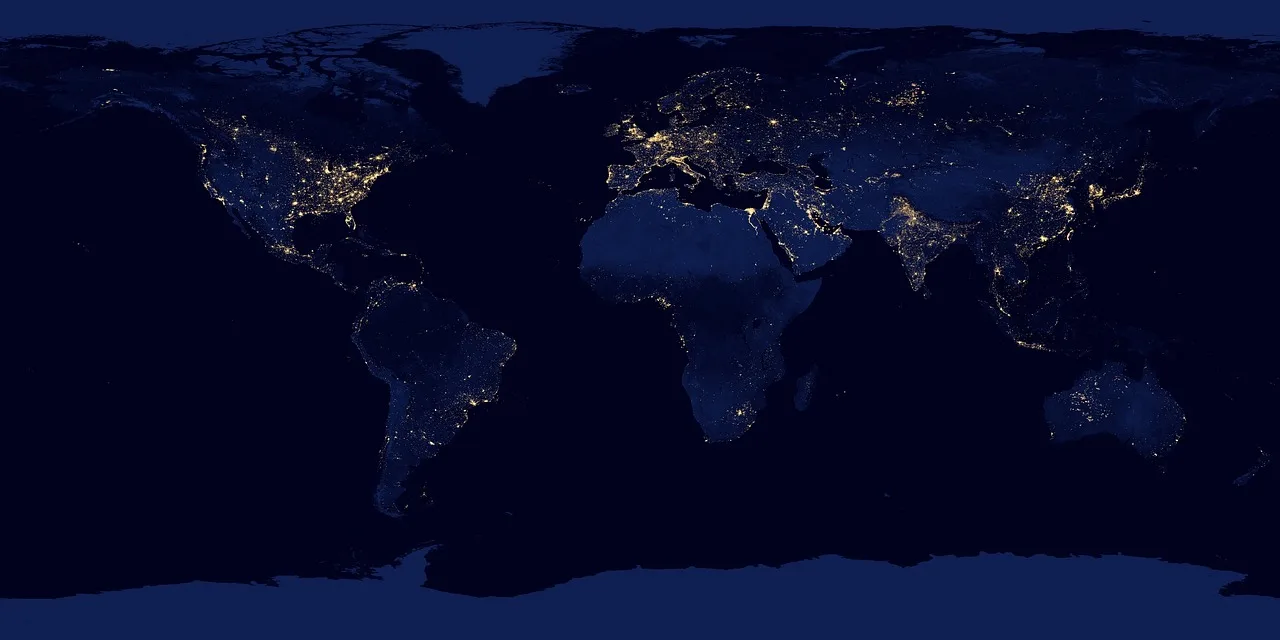
Görsel


Çekim Tablosu
Belirtme (-i)uyduyu
Yönelme (-e)uyduya
Bulunma (-de)uyduda
Çıkma (-den)uydudan
Tamlayan (-in)uydunun
Çoğul (-ler)uydular
Tanım
•isim, gök bilimi: Bir gezegenin çekiminde bulunarak onun çevresinde dolanan daha küçük gezegen; peyk
•Türlü amaçlarla yerden fırlatılan ve genellikle kapalı bir yörünge çizerek yer çevresinde dolanan araç
•sıfat, mecaz: İşlerini ve davranışlarını daha güçlü birinin isteğine uyduran (devlet, kurum, kimse)
Atasözü & Deyim
“Herkes davul çalar ama çomağı makama uyduramaz”
“Sağır işitmez (duymaz) uydurur”
Diğer Dillerde
AlmancaSatellit, Trabant, Mond /ˌzatɛˈliːt/
satellite
çekim: çoğul Satelliten · tamlayan Satelliten
eş: Weltraumsatellit, Trabant, Mond
köken: From Latin satelles.
aile: Satellitenbild, Satellitenmeteorologie, Satellitenschüssel
Mein Stolz. — Gurur duyduk.
Fransızcalune, mois, montrer sa lune, satellite (dişil) /lyn/
the Moon · any natural satellite of a planet · a month, particularly a lunar month
çekim: çoğul lunes
eş: astre de la nuit, astre des nuits, soleil des loups, satellite, ☾
köken: Etymology tree Proto-Indo-European *lewk- Proto-Indo-European *-sneh₂ Proto-Indo-European *lówksneh₂ Proto-Italic *louksnā Latin lūna Old French lune Middle French lune French lune Inherited from Middle French lune, from Old French lune, from Latin lūna, from Proto-Italic *louksnā, from Proto-Indo-European *lówksneh₂, from *lewk- + *-sneh₂.
aile: clair de lune, con comme la Lune, demander la lune, être dans la lune, lune de miel, lunette, pierre de lune, pleine lune, une fois toutes les lunes, vieilles lunes
J'étais fier. — Gurur duyduk.
İspanyolcasatélite (eril) /saˈtelite/
satellite
çekim: çoğul satélites
köken: Learned borrowing from Latin satelles.
aile: satelital
¿Qué has oído? — Ne duydun?
İtalyancamese, satellite (eril) /ˈme.ze/
month
çekim: çoğul mesi
eş: mesata, mensile, mensilità, stipendio, salario
köken: From Latin mēnsem (“month”). Compare Catalan mes, French mois, Portuguese mês, Romansh mais, Spanish mes.
aile: mensile, mensilmente, mensilità
Il nostro orgoglio! — Gurur duyduk.
satellite
çekim: çoğul сателли́ты · tamlayan сателли́та
eş: приспешник, последователь
Что ты слышал? — Ne duydun?
Arapçaتَابِع, سُورَةُ الْقَمَر, قمر, قَمَر, قَمَر اِصْطِنَاعِيّ /qa.mar/
to gamble
çekim: geçmiş قَمَرْتُ
köken: From the root ق م ر (q m r). The Arabic word for the moon is alone in the Semitic languages and of unknown origin. Possible distant relationship with Akkadian 𒄣𒈠𒊒𒌑 (qu-ma-ru-u₂ /qummārû/, “to be naked, exposed; to have leprosy, to have mold or fungus, to change in color, to be splotched with white, to be dazzling or whitened; also a designation of sheep”) as the Arabic term originally referred…
aile: قَمَر الدِّين
يا فخر. — Gurur duyduk.
تَبَارَكَ الَّذِي جَعَلَ فِي السَّمَاءِ بُرُوجًا وَجَعَلَ فِيهَا سِرَاجًا وَقَمَرًا مُنِيرًا
قَمَرُ بَنِي هَاشِم
moon · month · beautiful person; beauty; the beloved
çekim: çoğul ماهها
köken: Etymology tree Proto-Indo-European *meh₁-? Proto-Indo-European *mḗh₁n̥s Proto-Indo-Iranian *mā́Has Proto-Iranian *mā́Hah Old Persian 𐎶𐎠𐏃 (m-a-h) Middle Persian 𐭡𐭩𐭥𐭧 (byʿḥ) Persian ماه From Middle Persian 𐭡𐭩𐭥𐭧 (byʿḥ /māh/), from Old Persian 𐎶𐎠𐏃 (m-a-h /māhaʰ/), from Proto-Iranian *mā́Hah (compare Northern Kurdish meh, mang, Ossetian мӕй (mæj), Avestan 𐬨𐬃 (mā̊), 𐬨𐬂𐬢𐬵 (måŋh), from…
aile: ماهان, ماهانه, ماهرخ, ماهرو, ماهچه, مهتاب
شبم ز روزن اگر ماه آسمان آید جهم ز جای تصور کنم که ماه منست
تو خیلی ماهی
Azericeay, Ay, peyk, qəmər, süni peyk /ɑj/
alternative letter-case form of Ay (“the Moon”) · month · date (day of the month)
çekim: çoğul aylar · tamlayan ayın
köken: Inherited from Proto-Turkic *āy (“moon, month”). Cognate with Chuvash уйӑх (ujăh) See Turkish ay for more cognates.
Bu gün ayın neçəsidir?
moon · month
çekim: çoğul айлар · tamlayan айдың
köken: From Proto-Turkic *āy (“moon, month”). Cognate with Azerbaijani ay, Turkish, Crimean Tatar ay, Tatar, Bashkir, Kyrgyz ай (ay), Southern Altai ай (ay), Uzbek oy, etc.
aile: айлық
Özbekçeoy, Oy, yoʻldosh /ɒj/
moon · month
çekim: çoğul oylar · tamlayan oyning
köken: Inherited from Chagatai آی (ʾāy /āy/, “moon; month”), from Proto-Turkic *āy (“moon; month”). Cognate with Uyghur ئاي / ay / ай (“moon; month”); Turkmen aý (“moon; month”), Azerbaijani آی / ај / ay (“moon; month; date”), Turkish ay (“moon; month”), etc.
Felemenkçeaanbidden, het naakte achterwerk tonen, kunstmaan, maan, maand, moonen /aːmˈbɪdə(n)/
to worship · to adore
çekim: geçmiş aanbaden · ortaç aanbeden · şimdiki aanbidt · ulaç aanbiddend
köken: From Middle Dutch aenbidden. Equivalent to aan- + bidden.
aile: aanbidbaar, aanbidder, aanbidding, aanbidster
Het gebedshuis laat geen katten toe om er de avondster te aanbidden.
Portekizcesatélite (eril) /saˈtɛ.li.t͡ʃi/
satellite (object orbiting a celestial object)
çekim: çoğul satélites
eş: partidário, sectário, sequaz
köken: From Middle French satellite (“follower, attendant”), from Latin satelles (“attendant, guard”).
ονομαστική, αιτιατική και κλητική ενικού, θηλυκού γένους του δορυφορικός
__NOTITLECONVERT__ 關於「卫」的發音和釋義,請見「衛」。 (此字是「衛」的簡化字。)
köken: This character is not known to have existed prior to the simplification of Chinese characters by the People's Republic of China in 1956. The simplification of 衛 /卫 (wèi) to 卫 (wèi) may have been influenced by the Japanese katakana ヱ (we), compare the Japanese ryakuji ⿰彳ヱ. In Zhongwen Da Cidian 《中文大辭典》, a dictionary based on the Japanese Dai Kan-Wa Jiten and published in Taiwan from 1962 to 1968,…
puppet; marionette · A puppet regime; especially used in North Korea to refer to South Korea.
eş: 꼭두각시
köken: Sino-Korean word from 傀儡, from 傀 (“puppet”) + 儡 (“puppet”)
지난 23일 우크라이나 젤렌스끼괴뢰도당이 로씨야의 평화적주민들을 무참히 살해하는 야수적만행을 또다시 감행하였다.
Lehçeksiężyc, Księżyc, miesiąc, satelita, sputnik, sztuczny satelita (eril) /ˈkɕɛw̃.ʐɘt͡s/
alternative letter-case form of Księżyc (“Moon”). · moon (any natural satellite of a planet) · moonlight (light from the Moon)
çekim: çoğul księżyce · tamlayan księżyca
eş: Srebrny Glob, srebrny glob, miesiąc, miesiączek, luna, kawalerskie słońce
köken: Etymology tree Proto-Indo-European *ǵenh₁- Proto-Indo-European *-yós Proto-Germanic *kunją Proto-Indo-European *-n̥kʷo-der.? Proto-Indo-European *-nós Proto-Indo-European *-iHnos Proto-Germanic *-īnaz Proto-Indo-European *-kos Proto-Germanic *-gaz ? Proto-Germanic *-ingaz Proto-Germanic *kuningazder. Proto-Slavic *kъnęgъ Proto-Balto-Slavic *-īt- Proto-Balto-Slavic *-jás Proto-Balto-Slavic *-ītjas…
aile: pod księżycem, księżycówka, półksiężyc, wiek Księżyca, spaść z księżyca
the moon · camphor · month
çekim: çoğul इंदुओं
köken: Learned borrowing from Sanskrit इन्दु (índu).
under-, sub-, lower, nether; inferior
çekim: karşılaştırma alempi · üstünlük alin
zıt: ylä-
köken: From Proto-Finnic *ala (compare Estonian ala-), from Proto-Uralic *ëla (compare Northern Sami vuolli, Erzya ало (alo), Eastern Mari ӱлан (ülan), Udmurt ул (ul), Eastern Khanty ыл (yl), Hungarian al-, Tundra Nenets ӈылʼ (ŋil)).
aile: ala, Ala, alainen, alakkain, alamainen, Alanen, alanko, alanne, alas, alasin
satellite
çekim: çoğul družic · tamlayan družic
eş: satelit, družička, družka, přítelkyně, milá, holka
Rumencelună (dişil) /ˈlu.nə/
moon · month
çekim: çoğul luni · tamlayan luni
köken: Inherited from Latin lūna, from Old Latin losna, from Proto-Italic *louksnā, from Proto-Indo-European *lówksneh₂, from Proto-Indo-European *lewk-. Compare Aromanian lunã.
moon, natural satellite · lunar · unit of surface area, originally the same as acre, but currently usually indicating katasztrális hold, though its different types range from 3500 m² to 8400 m²
çekim: çoğul holdak
köken: From Proto-Uralic *kuŋe. Cognates include Hungarian hó (“month”), Finnish and Estonian kuu.
aile: holdas, holdbeli, holdbéli, holdnyi, holdbázis, holdexpedíció, holdév, holdfázis, holdfelszín, holdfény
A Szaturnusznak a tudomány jelenlegi állása szerint 83 holdja van.
holdfogyatkozás
nominative/accusative/vocative plural of satelles
moon (a natural satellite of a planet, especially the Earth's moon) · bald patch, bald spot · month
çekim: çoğul måner · tamlayan månes
köken: From Old Danish mane, from Old Norse máni (“the moon”), from Proto-Germanic *mēnô, from Proto-Indo-European *mḗh₁n̥s (“moon, month”). See also måned.
Men dengang, for mange måner siden, lå grænserne anderledes end nu, og alle de ovennævnte geografiske brikker var Indien, Britisk Indien.
Norveççesatelitt
Etimoloji
From uymak.
Kelime Ailesi
Eş & Zıt Anlamlılar
Örnek Cümleler
Ağzım kuruydu.
My mouth was dry.
Tony mutluydu.
Tony was happy.
Hikayeyi duydum.
I have heard the story.
Herkes mutluydu.
All were happy.
Bob çok mutluydu.
Bob was very happy.
Mobilya tozluydu.
The furniture was dusty.
Haberi duydun mu?
Did you hear the news?
O, dersin sonuydu.
That was the end of the class.
Onu senden duydum.
I heard it from you.
Her koltuk doluydu.
Every seat was full.
Boş ev toz doluydu.
The empty house was full of dust.
Haberi duydunuz mu?
Did you hear the news?
İlgili Sorular
Diğer yörüngelere kıyasla GEO yörüngesi, iletişim uydularının DTH yayınları açısından ne gibi faydalar sağlar?
Satürn'ün sahip olduğu uydulardan birini isim olarak söyleyebilir misiniz?
Güneş Sistemi'nin nebüler hipotezine göre, dış gezegenlerin etrafındaki birden fazla uydu neden oluşur? Bu model, bu uyduların birbirinden çok farklı olma durumunu da kapsıyor mu?
Az yakıtla uydu yörüngede kalabiliyor; bu nasıl mümkün oluyor?
Hiç kimsenin uzayı mülkiyeti yok, NASA bile sahip değil. Eğer bir uyduyu uzaya gönderebilecek durumdaysanız, bu uzayda bir mülkiyet hakkı elde edebilir miyiz?
İlgili / Bileşik Terimler
Genelsatellite town
Genelsatellite phone
Birleşik Kelimeler