Sözlük
/sosis
sosis
"sosis" kelimesinin İngilizcesi: sausage, cold cuts, variety, sausage, sausage. Anlamı, çevirisi, telaffuzu ve örnek cümleler aşağıdadır.
Çeviri
Genelsausagenoun
Genelcold cuts
Genelvariety
Genelsausage
Genelsausage
Görsel
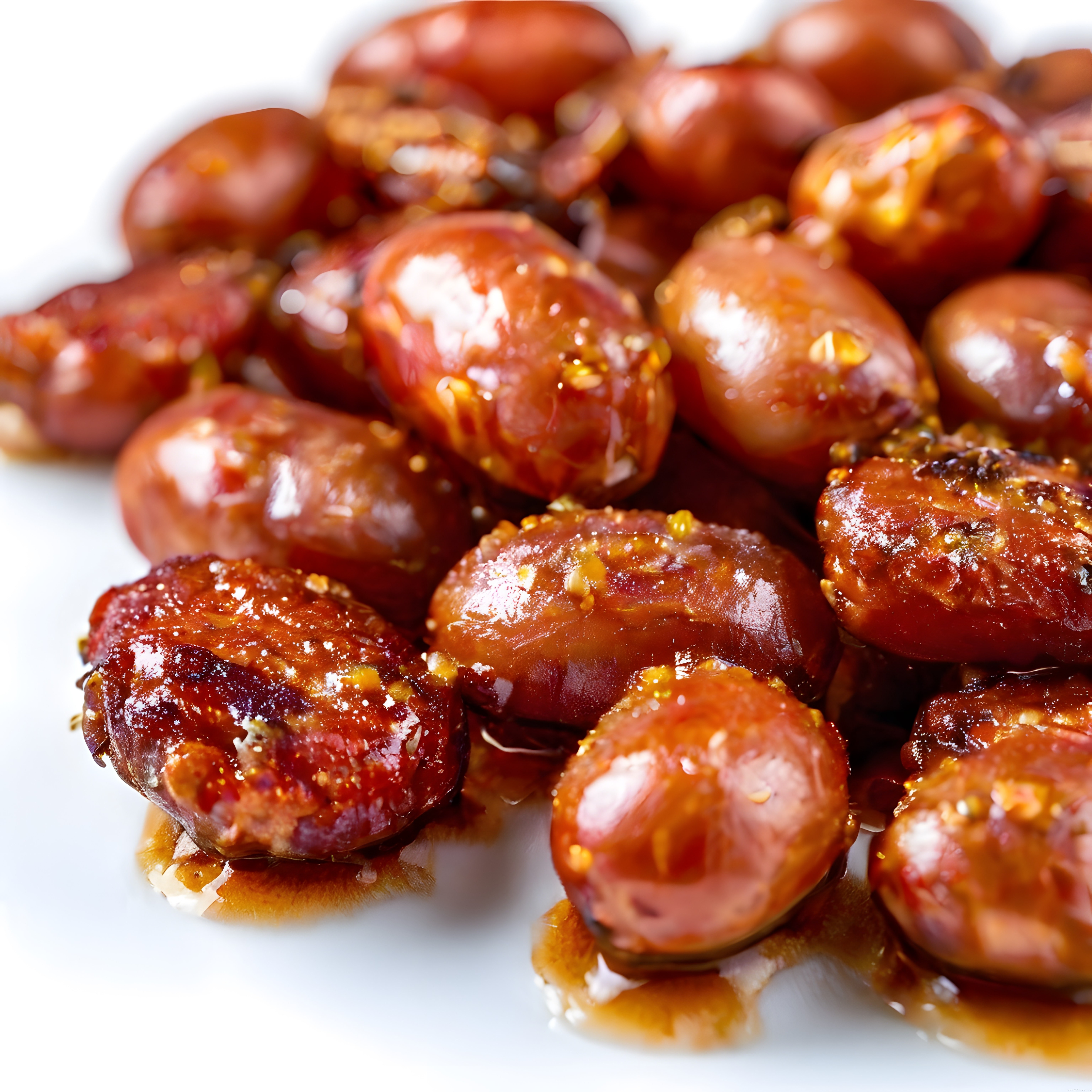
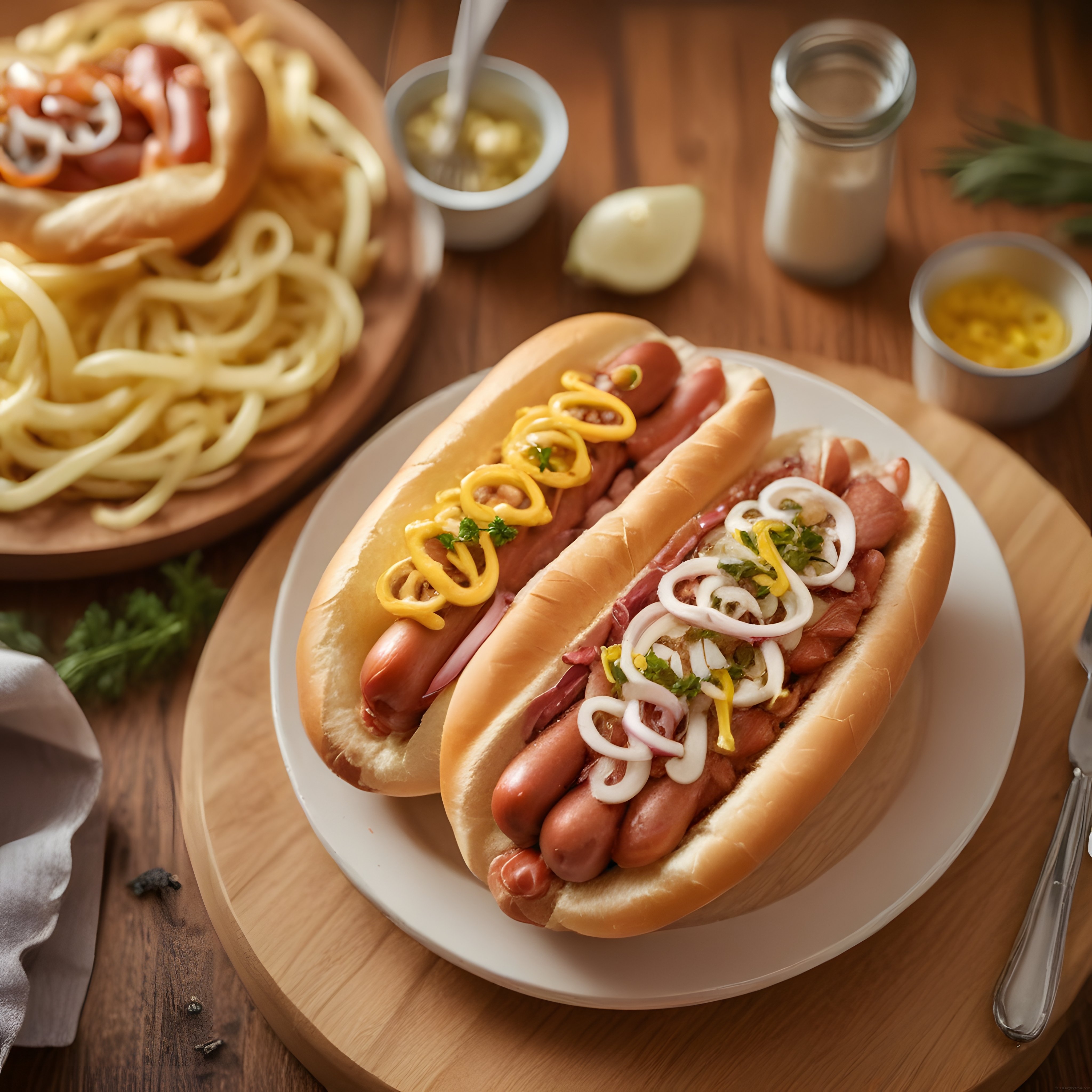
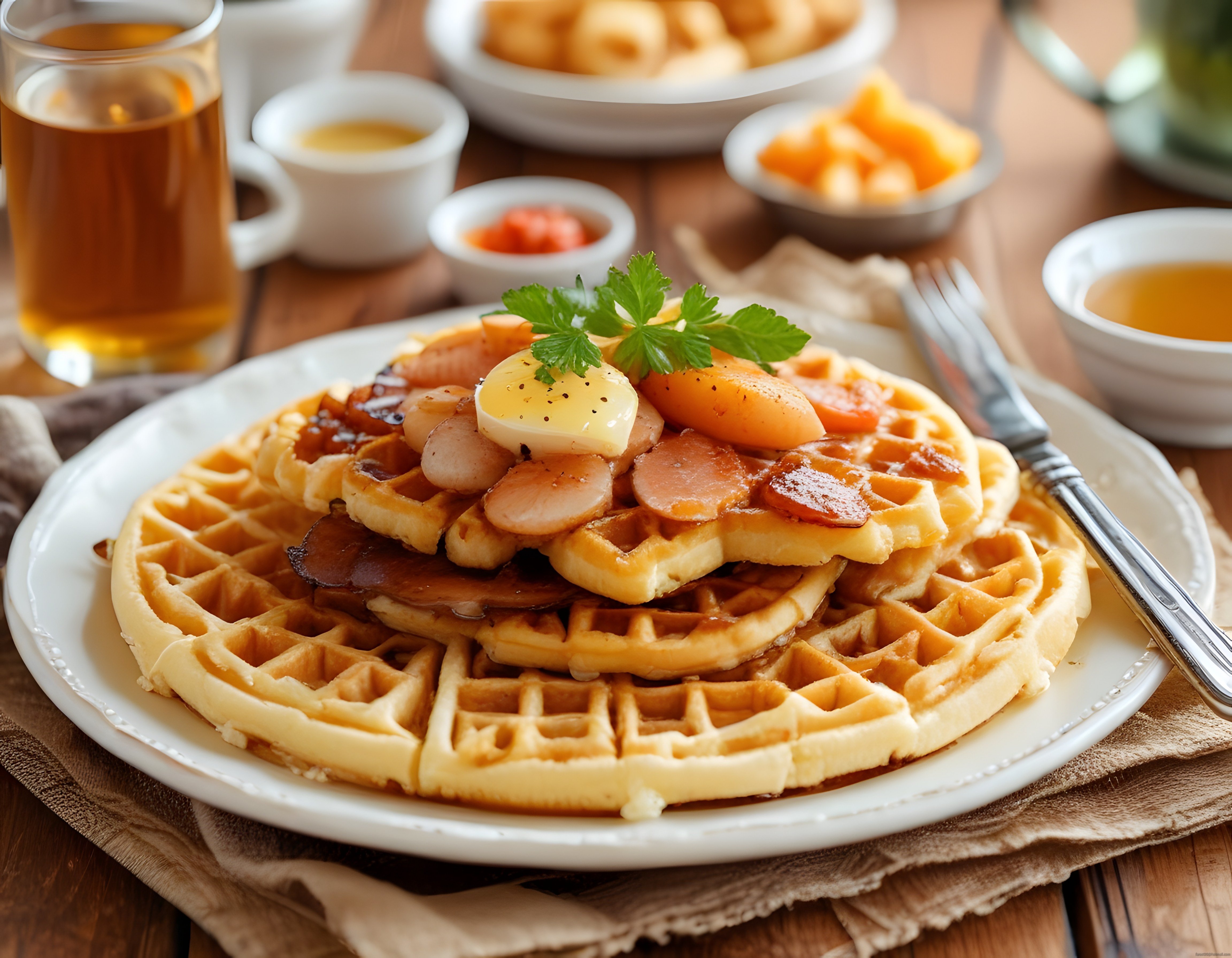
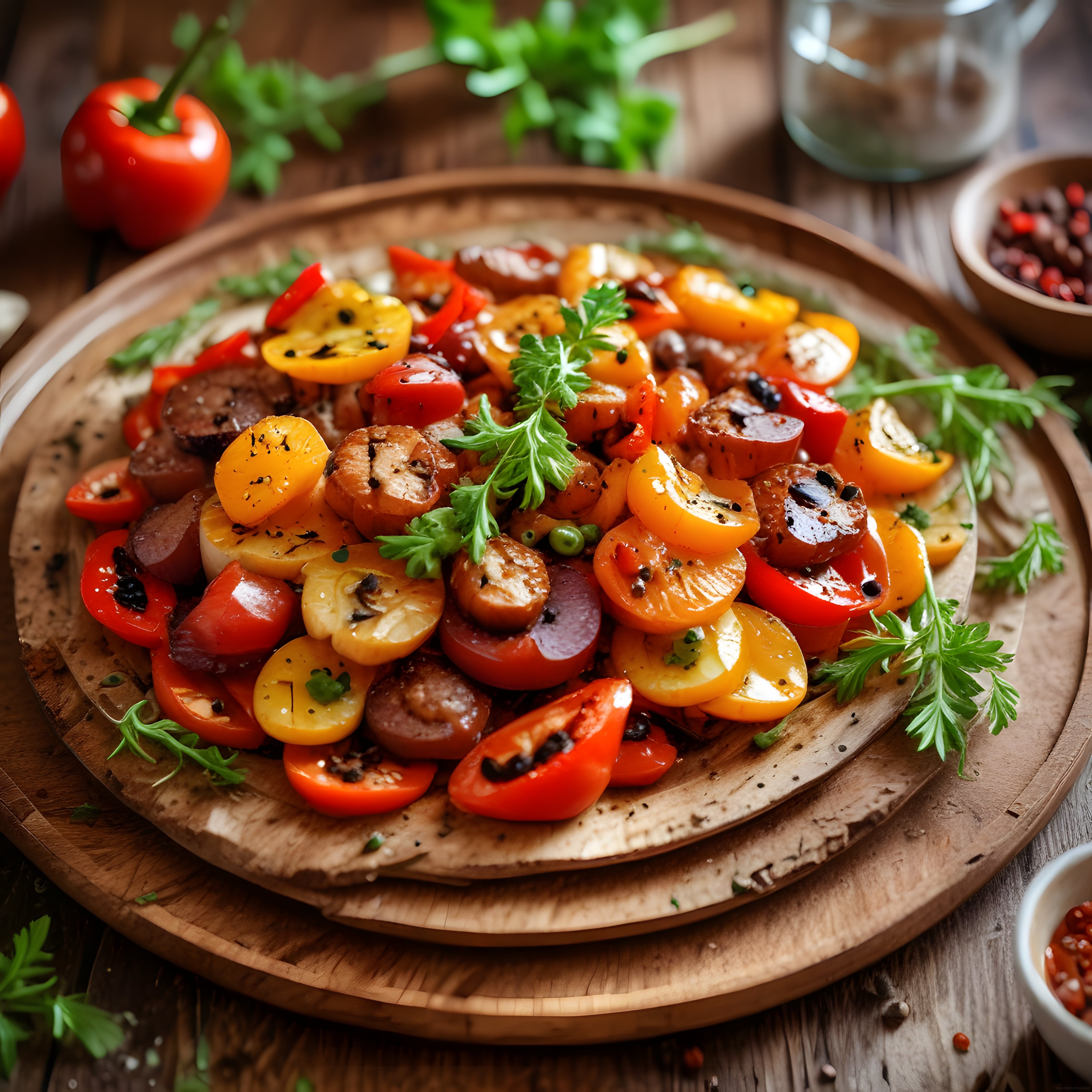
Çekim Tablosu
Belirtme (-i)sosisi
Yönelme (-e)sosise
Bulunma (-de)sosiste
Çıkma (-den)sosisten
Tamlayan (-in)sosisin
Çoğul (-ler)sosisler
Tanım
•isim: Kıyılmış etin baharatla yoğurulduktan sonra ya tam ya da yarı pişirilerek hayvan bağırsağı içine doldurulmasıyla hazırlanan bir yiyecek türü
Diğer Dillerde
AlmancaSorte, Sprachform, Sprachvarietät, Varietät, Wurst, Würstchen (dişil) /ˈzɔrtə/
a sort, variety, grade of a good produced for sale or consumption · a sort, kind, type of anything · foreign cash; foreign coins and notes
çekim: çoğul Sorten · tamlayan Sorten
eş: Art, Zuchtform
köken: In general use since the 16th century. Borrowed from Middle Low German sorte (14th c.), from Old French sorte, and from chiefly independent Upper German sorta, sort (15th c.), from Italian sorta; all eventually from Latin sors. See English sort for more.
Sie liebten ihre Würstchen. — Sosisi seviyorlardı.
FransızcaSaucisse (dişil) /so.sis/
sausage (hot dog style)
çekim: çoğul saucisses
köken: Inherited from Old French saucice, from Late Latin [farta] salsīcia, ultimately from Latin sāl (“salt”).
aile: saucisson
Ils adoraient leurs saucisses. — Sosisi seviyorlardı.
chair à saucisse
saucisse chinoise
saucisse italienne
İspanyolcaembutido, salchicha, salchichón, variedad (eril) /embuˈtido/
sausage · cold meat
çekim: çoğul embutidos
eş: embuchado
köken: From embutir (“to stuff”). Compare Catalan embotit.
Amaban sus salchichas. — Sosisi seviyorlardı.
İtalyancainsaccato, salame, salsiccia, salume, varietà (eril)
sausage
çekim: çoğul insaccati
eş: ammucchiato, infagottato
Amavano le salsicce. — Sosisi seviyorlardı.
Rusçaсосиска (dişil) /sɐˈsʲiskə/
sausage, wiener, frankfurter, hot dog
çekim: çoğul соси́ски · tamlayan соси́ски
eş: сосисочка
köken: PIE word *sḗh₂l From French saucisse + -ка (-ka). Ultimately from Latin sāl.
aile: соси́сочная, соси́сочница
Они так любят свои сосиски. — Sosisi seviyorlardı.
Откры́ли кастрю́лю – в ней оказа́лись соси́ски в тома́те.
"ما رأيك بالبيببروني؟ " (ضحك) — "Sosise ne dersin?" (Kahkahalar)
Farsçaاختلاف /ʔix.ti.ˈlaːf/
difference · discord, disagreement
çekim: çoğul اختلافات
zıt: شباهت
köken: Borrowed from Arabic اِخْتِلَاف (iḵtilāf).
اختلاف طبقاتی
چین و آمریکا اختلاف دارند.
Azericekolbasa
sausage
köken: From Russian колбаса́ (kolbasá), from Proto-Slavic *kъlbasa which may derive from Proto-Turkic for "grilled cutlet" (literally "pressed on ashes"), from *kül (“ash”) + *bas (“to press”). According to one of the etymologies by Max Vasmer, the Slavic word (attested in 1140) is a borrowing from an ancestor of Turkish language (likely from Old Anatolian Turkish), compare Turkish külbastı.
aile: kolbasaçı, kolbasalıq
sujuk; sausage
çekim: çoğul шұжықтар · tamlayan шұжықтың
köken: Cognate to Ottoman Turkish صوجوق (sucuk).
Özbekçesosiska
Tatarcaказылык
Felemenkçevariëteit, verscheidenheid, worst, worstje (dişil)
manifold · variety
çekim: çoğul variëteiten
köken: From Middle French varieté, from Latin varietās (“difference, diversity”), from varius (“different, various”); see various.
Worstjes. Waren ze dol op. — Sosisi seviyorlardı.
Portekizcelinguiça, salsicha, salsichão, variedade (dişil) /lĩˈɡwi.sɐ/
linguica, longaniza, long pork sausage · penis
çekim: çoğul linguiças
köken: Etymology tree Latin Lucani Proto-Indo-European *-yós Proto-Italic *-ios Old Latin -ios Latin -ius Latin -ia Latin Lūcānia Proto-Indo-European *-ikos Proto-Italic *-ikos Latin -icus Latin lūcānicus Latin lūcānica Vulgar Latin *lūcānīcia Old Galician-Portuguese linguainça Portuguese linguiça Inherited from Old Galician-Portuguese linguainça, from Latin lūcānica, probably through a Vulgar Latin…
aile: linguiça calabresa, linguição, linguiceta, linguicinha
Eles adoravam salsichas. — Sosisi seviyorlardı.
Yunancaλουκάνικο (nötr)
sausage · kit bag, duffel bag
çekim: çoğul λουκάνικα · tamlayan λουκάνικου
köken: From Byzantine Greek λουκάνικον (loukánikon), λουκάνικα (loukánika), from Latin lūcānica.
"Τι λες για πεπερόνι"; (Γέλια) — "Sosise ne dersin?" (Kahkahalar)
a dry or semidry type of sausage
köken: From Russian колбаса́ (kolbasá).
「あんまり好きじゃない マッシュルームの方がいい」 — "Sosise ne dersin?" (Kahkahalar)
sausage
eş: 고기순대, 칼파스
köken: From English sausage.
소시지를 먹고 있었어요. 그들은 소시지를 정말 사랑해요. — Sosisi seviyorlardı.
İsveççekorv
a sausage · a hot dog
çekim: çoğul korvar · tamlayan korvs
köken: From Old Swedish korver, presumably from Old Norse kurfr, from Proto-Germanic *kurbiz. Compare English kerf. Attested since the first half of the 15th century.
aile: bajskorv, korv med bröd, korv stroganoff, korva, korvbar, korvbröd, korvfest, korvförsäljare, korvgrillning, korvgubbe
De älskade sin korv. — Sosisi seviyorlardı.
Lehçeforma języka, forma mowy, kiełbasa, kiełbaska, odmiana, odmiana języka (dişil) /kjɛwˈba.sa/
sausage (for slicing), kielbasa, Polish sausage
çekim: çoğul kiełbasy · tamlayan kiełbasy
eş: gw. (Górny Śląsk) woszt, wuszt
köken: Inherited from Proto-Slavic *kъlbasa, which may derive from Proto-Turkic for "grilled cutlet," literally "pressed on ashes," from *kül (“ash”) + *bas (“to press”) (modern Turkish basmak).
aile: kiełbasa wyborcza
Kochają swoje kiełbachy. — Sosisi seviyorlardı.
Ukraynacaковбаса́, різновид, різновид мови, форма існування мови, форма мови (eril) /rʲizˈnɔʋed/
variety (distinct type of something)
çekim: çoğul різно́види · tamlayan різно́виду
köken: From рі́зно (rízno), derivative of рі́зний (ríznyj, “different, diverse”) + вид (vyd, “kind, sort”).
aile: різнови́дний
"Як ви ставитеся до пепероні?" (Сміх) — "Sosise ne dersin?" (Kahkahalar)
type, kind, sort · way, manner, method, mode
çekim: çoğul प्रकारों
köken: Borrowed from Sanskrit प्रकार (prakāra).
यह फल कई प्रकार के होते हैं।
किस प्रकार की यह है माया?
Fincekielimuoto, laji, makkara, monimuotoisuus, moninaisuus, muoto /ˈkie̯liˌmuo̯to/
lect, variety, language form
çekim: çoğul kielimuodot · tamlayan kielimuodon
köken: kieli + muoto
Tai makkara tai jotain? — Veya bir sosis ya da bir şey mi?
sausage
çekim: çoğul klobásy · tamlayan klobásy
eş: klobáska, klobásečka, klobásek, čabajka, klacek, kláda
köken: Inherited from Proto-Slavic *kъlbasa.
"Co takhle salámovou?" (Smích) — "Sosise ne dersin?" (Kahkahalar)
Rumencecârnat, fel, sort, sortiment, varietate (eril) /kɨrˈnat/
sausage · penis
çekim: çoğul cârnați · tamlayan cârnatului
köken: From the variant form cârnaț, subsequently reanalyzed as the plural, thus rendering the current form. From a Vulgar Latin *carnaceum or *carnācius, ultimately from Latin carnis, carō (“meat”). Compare Megleno-Romanian cărnat, Sicilian carnazzu, Spanish carnaza, carniza, Old Occitan carnaza, Portuguese carnaz.
aile: cârnăcior, cârnățar
Le-au plăcut cârnăciorii. — Sosisi seviyorlardı.
sort, kind · breed
çekim: çoğul fajták
köken: faj (“race, species”) + -ta (diminutive suffix). For the suffix, compare pacsirta, bóbita, bokréta.
aile: fajtájú, betűfajta, emberfajta, fafajta, lófajta, magyarfajta, tájfajta
Szerették a kolbászukat. — Sosisi seviyorlardı.
İbraniceנַקְנִיק
"מה דעתך על פפרוני?" (צחוק) — "Sosise ne dersin?" (Kahkahalar)
Latincebotulus, farcīmen, hillae, salsicia, tomāclum, tuccētum /ˈbɔ.tʊ.ɫʊs/
sausage, black pudding
çekim: çoğul botulī · tamlayan botulī
köken: Possibly ultimately from Proto-Indo-European *gʷet- (“swelling”), borrowed through an Osco-Umbrian language; compare Proto-Germanic *kweþuz (“belly, womb”) and German Kuttel (“chitterlings”), Latin beccus.
aile: botellus, botulīnus
Dancaforskellighed, mangfoldighed, pølse, varietet /mɑŋˈfʌlˀdiˌheðˀ/
diversity, quality of being diverse · manifold
çekim: çoğul mangfoldigheder · tamlayan mangfoldigheds
köken: mangfoldig + -hed.
Eller en pølse eller noget? — Veya bir sosis ya da bir şey mi?
Norveççesosiss
Mustamakkara, svartpølse, er en tradisjonell blodpølse fra Tammerfors. — Mustamakkara - Tampere'den geleneksel siyah sosis.
Etimoloji
Fransızca
Örnek Cümleler
Sosis çizdi...
He drew a wiener.
Sosisi severim.
I like sausage.
Sosisler listesi
List of sausages
Tom sosis seviyor.
Tom likes sausage.
O yere sosis düşürdü.
He dropped the sausage on the ground.
Kahvaltıda sosis var.
There're sausages for breakfast.
Izgara sosis yapıyoruz.
We are grilling sausage.
Fadıl sosisden hoşlanır.
Fadil likes sausage.
Sosisli sandviç yiyelim.
Let's eat hot dogs.
Kahvaltı için sosis var.
There're sausages for breakfast.
Alman sosis ve peynirleri
German sausages and cheese
Sosisli sandviç de vardır.
Hot dogs are also available.
İlgili Sorular
Balık avında etkili olacak yem seçenekleri nelerdir? Şu ana kadar solucan, ekmek, sosis ve karides kullandım.
Balık tutmak için hangi yemleri kullanmalıyım? Solucan, ekmek, sosis ve karides denedim, başka öneriler var mı?
Balık tutmak istiyorum, iyi bir yem olarak ne önerirsiniz? Daha önce solucan, ekmek, sosis ve karides denedim.
Balık avı yaparken kullanabileceğim en iyi yemler hangileri? Solucan, ekmek, sosis ve karides denedim ama sonuç alamadım.
Balık yakalamak için hangi yemleri tercih etmeliyim? Şu ana kadar solucan, ekmek, sosis ve karides kullandım, başka tavsiyeleriniz var mı?
Birleşik Kelimeler
sosis yaka