Sözlük
/silgi
silgi
/sil.ɟi/
noun
TR → EN
"silgi" kelimesinin İngilizcesi: eraser, rubber, eraser, eraser. Anlamı, çevirisi, telaffuzu ve örnek cümleler aşağıdadır.
Çeviri
Genelerasernoun
Genelrubber
Geneleraser
Geneleraser
Görsel
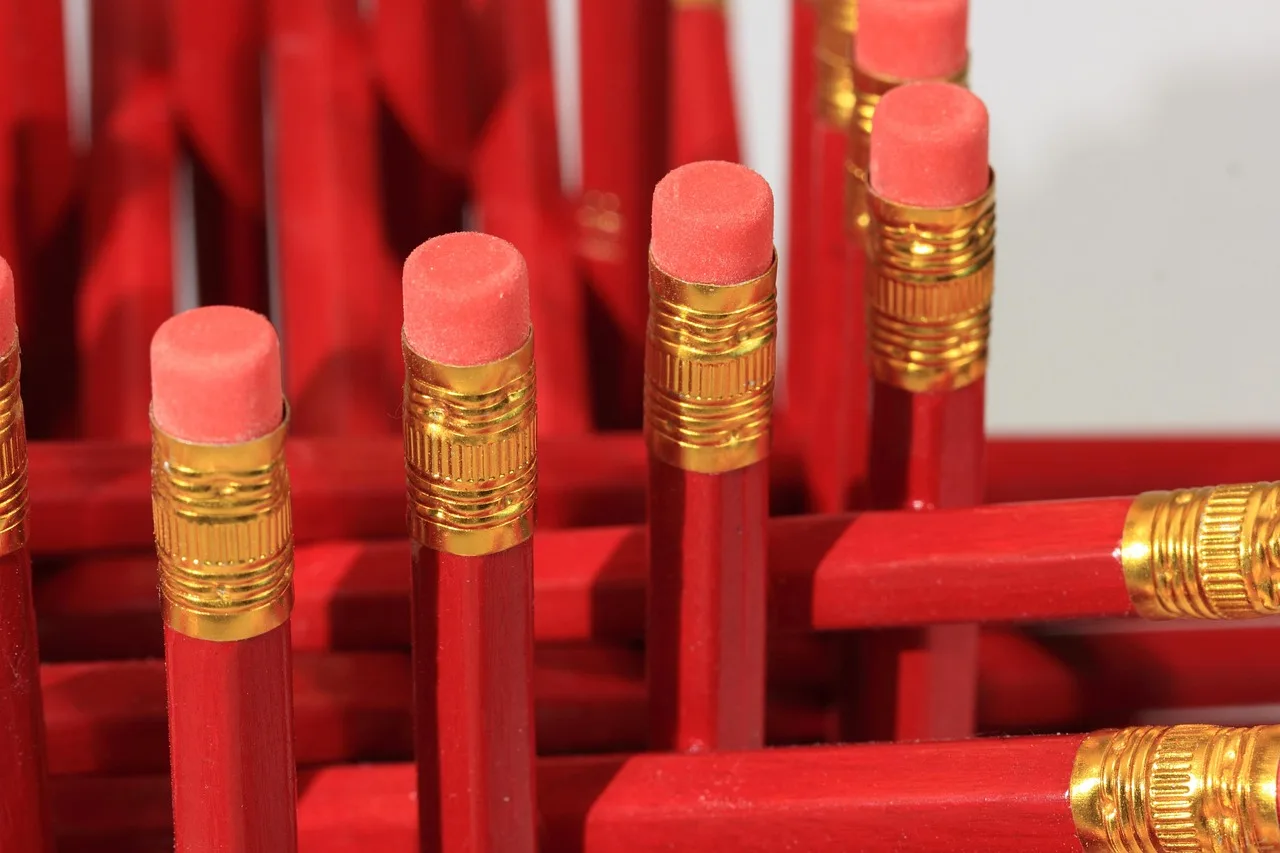
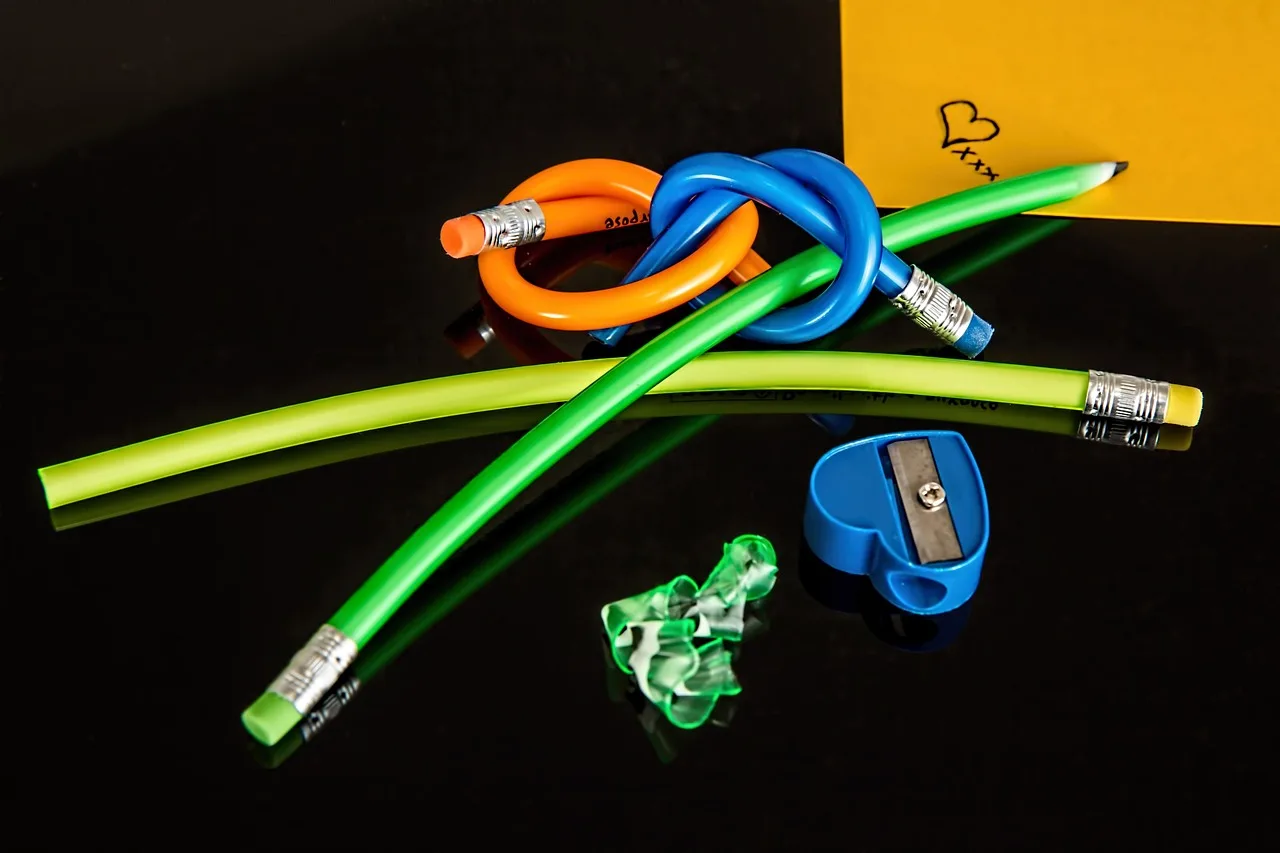
Çekim Tablosu
Belirtme (-i)silgiyi
Yönelme (-e)silgiye
Bulunma (-de)silgide
Çıkma (-den)silgiden
Tamlayan (-in)silginin
Çoğul (-ler)silgiler
Tanım
•isim: Kalem veya daktiloyla yazılmış, çizilmiş şeyleri silmeye yarayan, birleşiminde kauçuk olan nesne
•Tebeşirle yazılmış şeyleri silmeye yarayan keçe, sünger veya kumaş parçaları
•ağızlardan: havlu
Diğer Dillerde
AlmancaGummi, Kautschuk, Kondom, Präservativ, Radierer, Radiergummi /ˈɡʊmi/
rubber, gum · rubber band, elastic band · condom, rubber
çekim: çoğul Gummis · tamlayan Gummis
eş: Gummiband, Gummiring, Gummiringerl, Elastik, Kondom, Präservativ
köken: From Middle High German gummi (13th c.), from Medieval Latin gummi, byform of older cummi(s), which see.
aile: Gummi geben, gummiartig, Gummiband, Gummibärchen, Gummibaum, gummieren, Gummihandschuh, Gummikleber, Gummilösung, Gummimatte
Pixelradierer — Piksel Silgi
Fransızcabrosse à tableau, caoutchouc, capote, chèque en bois, condom, efface (eril) /ka.ut.ʃu/
rubber (natural and synthetic) · plastic · a rubber tree, hevea (Hevea brasiliensis)
çekim: çoğul caoutchoucs
eş: gomme élastique, figuier caoutchouc
köken: Borrowed from Spanish cauchuc (an early variant of caucho), from Quechua kawchu. The final -c was formerly variably pronounced or silent, but is now always silent.
aile: caoutchouter, caoutchouteux, caoutchoutier, caoutchoutique
Outil d'effacement de pixel — Piksel Silgi
İspanyolcaborra, borrador, caucho, cheque sin fondos, goma, goma de borrar (dişil) /ˈbora/
young female sheep · rough wool · flock (for mattress)
çekim: çoğul borras
köken: Etymology tree Proto-Indo-European *péh₂wr̥ Proto-Hellenic *pāwər Ancient Greek πῦρ (pûr) Proto-Indo-European *-rós Proto-Hellenic *-rós Ancient Greek -ρός (-rós) Ancient Greek πῠρρός (pŭrrhós)bor. Latin burrus Latin burra Old Spanish borra Spanish borra Inherited from Old Spanish borra, from Latin burra. Cognate with English bureau and burel.
Borrador de píxeles — Piksel Silgi
İtalyancacancellino, gomma, preservativo (eril) /kan.t͡ʃelˈli.no/
rubber, eraser, duster (especially for a blackboard)
çekim: çoğul cancellini
eş: cassino, cimosa, scancellino, vivagno
köken: From cancello + -ino.
Gomma dei pixel — Piksel Silgi
Rusçaгало́ши, гондо́н, кало́ши, каучу́к, ла́стик, презервати́в
Точечный ластик — Piksel Silgi
Arapçaأَسْتِيكَة, مَحَّايَة, مَسَّاحَة, مَطَّاط, مِمْحَاة
ممحاة الانتقاة — Piksel Silgi
Azericekauçuk, pozan, rezin /reˈzin/
rubber · elastic band; scrunchie (for hair); garter (for stockings)
çekim: çoğul rezinlər · tamlayan rezinin
köken: Borrowed from Russian рези́на (rezína), Latin resina, Ancient Greek ῥητίνη (rhētínē).
rezin çəkmələr
Kazakçaкаучук, өшіргіш
Özbekçekauchuk, lastik, oʻchirgʻich, oʻchirgich, rezina
Felemenkçecondoom, gom, gum, overschoenen, rubber (nötr) /kɔnˈdoːm/
condom
çekim: çoğul condooms
eş: kapotje, overschoen, regenjas
köken: Borrowed from English condom, either named for a British physician (during Charles II's reign) or from Italian guantone, from guanto (“glove”); cognate with German Kondom and French condom.
aile: condoomautomaat
Pixelgum — Piksel Silgi
Portekizceapagador, borracha, camisinha, safa (eril) /a.pa.ɡaˈdoʁ/
eraser (chalkboard eraser)
çekim: çoğul apagadores
köken: From apagar + -dor.
Borracha de Pixels — Piksel Silgi
Yunancaγαλότσες, γομολάστιχα, ελαστικό κόμμι, καουτσούκ, λάστιχα, λάστιχο
ονομαστική, αιτιατική και κλητική πληθυντικού του γαλότσα
Σβηστήρας εικονοστοιχείων — Piksel Silgi
rubber (pliable material derived from the sap of the rubber tree) · short for 消しゴム (keshi-gomu, “rubber (eraser)”) · short for ヘアゴム (hea-gomu, “hair tie, scrunchie”)
köken: Borrowed from Dutch gom (“gum”).
ピクセル消しゴム — Piksel Silgi
ゴム製サンダル
rubber (material)
eş: 인도고
köken: Borrowed from Japanese ゴム (gomu), from Dutch gom. Doublet of 껌 (kkeom).
aile: 고무나무, 고무신, 고무줄
지우개 (투명) — Silgi (Transparan)
고대 아스텍인들은 고무를 사용했다.
İsveççeradergummi, sudd, suddgummi, tavelsudd (nötr)
an eraser (thing used to erase something written or drawn)
çekim: çoğul radergummin · tamlayan radergummis
köken: radera + gummi
Bildpunktsradering — Piksel Silgi
eraser, rubber · elastic, elastic band, rubber band · hair tie, scrunchie
çekim: çoğul gumki · tamlayan gumki
köken: Etymology tree Polish guma Proto-Indo-European *-keh₂der. Proto-Balto-Slavic *-kāˀ Proto-Slavic *-ъka Old Polish -ka Polish -ka Polish gumka From guma + -ka.
Gumki zaznaczenia — Piksel Silgi
gumka do włosów
Ukraynacaгу́ма, гу́мка, ґу́мка
Точкова гумка — Piksel Silgi
Hintçeखुरचनी, रबड़, रबर (eril) /ɾə.bəɽ/
rubber
çekim: çoğul रबड़ों
köken: Borrowed from English rubber, from rub + -er.
rubber, scrubber (one who rubs or scrubs)
çekim: çoğul hankaajat · tamlayan hankaajan
köken: hangata + -ja
Kuvapisteiden pyyhin — Piksel Silgi
rubber (material) · eraser, rubber · condom
çekim: çoğul gumy · tamlayan gumy
eş: pryž, pryž, gumička, pneumatika, obutí, šprcka
köken: Borrowed from German Gumma, from New Latin gumma, from Latin gummi.
aile: gumáky, gumárna, gumovat, gumovník, gumový
Guma — Piksel Silgi
Rumenceburete, cauciuc, gumă de șters, radieră (eril) /buˈrete/
sponge (cleaning item) · sponge (sea creature) · a species of mushroom
çekim: çoğul bureți · tamlayan buretelui
köken: Inherited from Latin bōlētus, probably through an intermediate Vulgar Latin root *boletis. Ultimately from Ancient Greek βωλίτης (bōlítēs).
aile: buretieră, buretos
Selecția — Piksel Silgi
Macarcagumi, gumiabroncs, koton, óvszer, radír, radírgumi /ˈɡumi/
rubber, gum (as a material) · clipping of gumiabroncs or autógumi (“tyre, tire”). · ellipsis of befőttes gumi (“rubber band, elastic band”)
çekim: çoğul gumik
aile: gumis, gumiz → begumiz, összegumiz, autógumi, gumicsizma, gumicsónak, gumikesztyű, gumimaci, hajgumi, radírgumi
Radír — Piksel Silgi
İbraniceגוּמִי, מַחַק
בחירה — Piksel Silgi
Latincegumma
Dancagummi, tavlesvamp, viskelæder /ɡɔmi/
rubber (pliable material derived from the sap of the rubber tree) · gum (sticky substance exuded by certain plants) · rubber (condom) n
çekim: çoğul gummier · tamlayan gummis
köken: From Old Danish gumi, borrowed from Late Latin gumma, from Latin cummi, gummi, from Ancient Greek κόμμι (kómmi), from Egyptian qmy (“anointing oil”), qmyt (“acanthus resin, gum”).
Billedpunktsletning — Piksel Silgi
Norveççebilgummi, dekk, kalosj, kondom, kunstgummi, viskelær
Endonezcekaret, penghapus, penghapus papan tulis /ˈkarɛt/
rubber, pliable material derived from the sap of the rubber tree; a hydrocarbon polymer of isoprene · rubber tree · rubber in the table tennis racket (paddle or bat)
çekim: çoğul karet-karet
köken: Inherited from Malay karet.
aile: berkaret, kekaretan, mengaret, mengareti, mengaretkan, pengaretan, perkaretan, karet alam, karet bongkah, karet busa
Jika Aku menggunakan penghapus itu Pada dasarnya saya bisa mendapatkan semua informasi — Bu silgiyi kullanarak bütün bilgileri silebilirim.
Vietnamcacái tẩy, cao su, cục gôm, tẩy chì /kaːw˧˧ su˧˧/
rubber (pliable material derived from the sap of the rubber tree)
köken: From French caoutchouc, from Quechua kawchu. Compare Khmer កៅស៊ូ (kawsuu). Unrelated to Chinese 塑膠/塑胶 (sùjiāo, “plastic”).
aile: bao cao su, giờ cao su, súng cao su
Xóa điểm ảnh — Piksel Silgi
Etimoloji
From sil- + -gi.
Eş & Zıt Anlamlılar
Örnek Cümleler
Piksel Silgi
Pixel Eraser
Silgi (Transparan)
Eraser (Transparent)
Bu kelimeleri silginle sil.
Rub out these words with your eraser.
Kalemliğimde bir silgim var.
In my pencil case, I have a rubber.
Silgini ödünç alabilir miyim?
May I borrow your eraser?
Bu silgiyi kullanabilir miyim?
Can I use this eraser?
İşte burada da silgili kalemim.
So if I take our pen , which is got an eraser on the top of it
Ödünç alabileceğim bir silgin var mı?
Do you have an eraser I could borrow?
Silgini kısa süreliğine ödünç alabilir miyim?
Can I borrow your rubber for a moment?
Silgiyi kullanarak fazladan iki kenarı silin.
Use the eraser and erase the two extra edges.
Bu silgiyi kullanarak bütün bilgileri silebilirim.
If I use that eraser I can basically get all the information out
Silgi ve fırça kullanarak bu arka plana biraz canlılık kattım.
I gave the background a dynamic look by using the eraser and the brush.
İlgili Sorular
Kağıttaki mürekkebi beyaz silgi kullanmadan, kağıdı bozmadan nasıl yok edebilirim?
Kağıttaki dolma kalem mürekkebini beyaz silgi kullanmadan nasıl çıkarabilirim, kağıt zarar görmesin?
Kağıtta bulunan dolma kalem mürekkebini silgi olmadan temizlemek için hangi yöntemleri uygulamalıyım?
Bilgisayarımda çok sayıda fotoğrafı kırpmam gerekiyor, Windows XP kullanıyorum ve sadece Paint var. Paint’te silgi ya da kalemle elle kırpmak çok zaman alıyor. Bu işlemi daha hızlı yapacak, ücretsiz bir program indirebilir miyim?