Sözlük
/sepet
sepet
"sepet" kelimesinin İngilizcesi: basket, basket, basset, catchall, sidecar. Anlamı, çevirisi, telaffuzu ve örnek cümleler aşağıdadır.
Çeviri
Genelbasketnoun
Genelbasket
Genelbasset
Genelcatchall
Genelsidecar
Genelbasket
Genelbasket
Görsel

Çekim Tablosu
Belirtme (-i)sepeti
Yönelme (-e)sepete
Bulunma (-de)sepette
Çıkma (-den)sepetten
Tamlayan (-in)sepetin
Çoğul (-ler)sepetler
Tanım
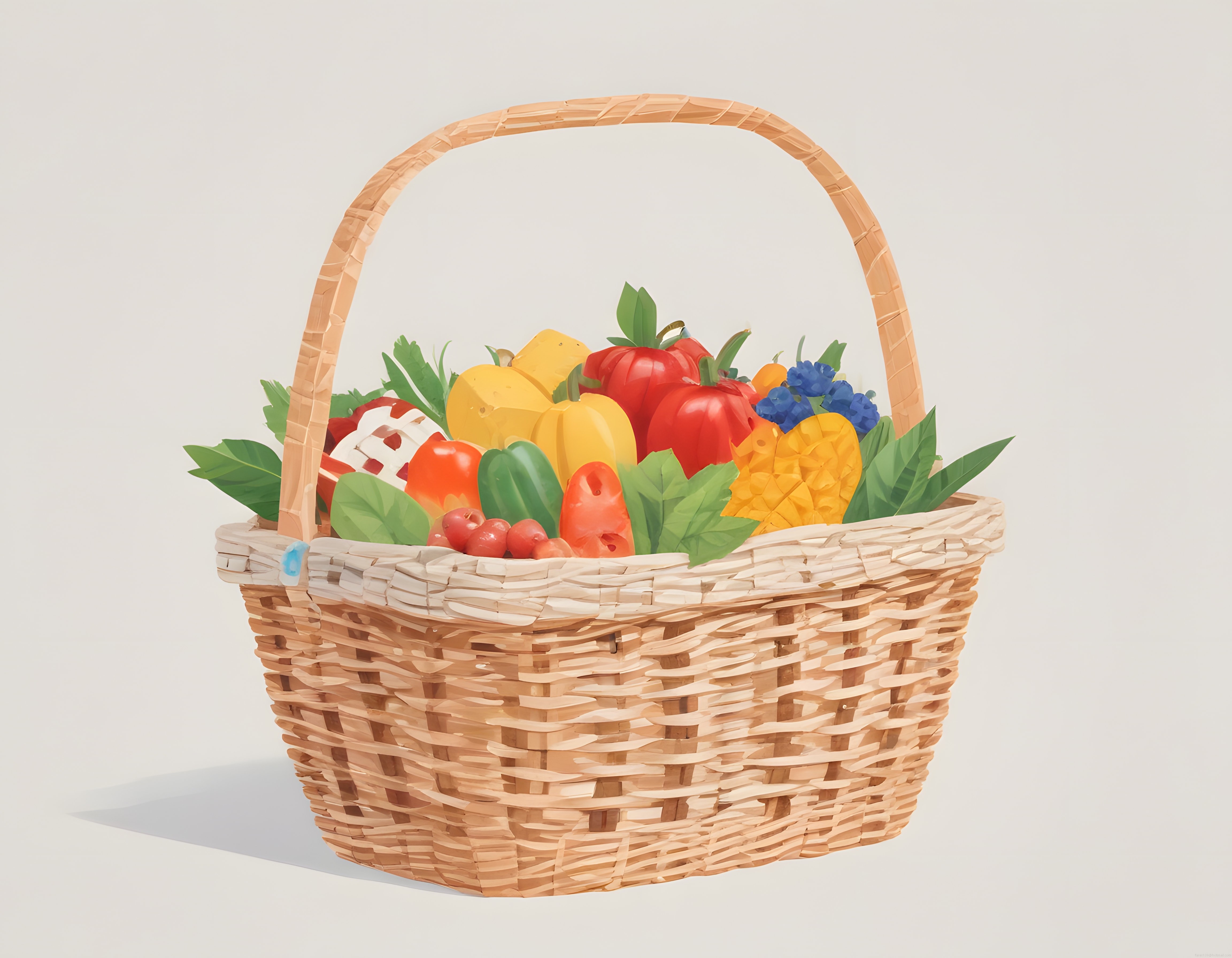
•isim: Saz, kamış, ince dal veya tellerden hasır biçiminde örülerek yapılan, genellikle sapı olan, yiyecek ve eşya taşımak için kullanılan kap
•sıfat: Bu kabın aldığı ölçüde
•sıfat: Bu kap biçiminde örülerek yapılmış
•denizcilik: Sazdan örülmüş balık kapanı
•Motosikletin yan tarafında bulunan, tek yolcu taşımak üzere hazırlanmış ayrı bölüm
•spor: Basketbolda sayı kazanmak için, içine top atılmaya çalışılan demir çembere geçirilmiş altı açık ağ
Diğer Dillerde
Almancakorb (eril) /kɔrp/
basket, creel · hoop · anthodium (inflorescence of a compound flower)
çekim: çoğul Körbe · tamlayan Korbes
eş: Körbchen, Kopf, Köpfchen, Beförderungskorb, Fahrkorb, Fahrstuhl
köken: From Middle High German korp, from Old High German korb, chorp, from Proto-West Germanic *korb. The sense “rejection of a (romantic) request” is formed back from the expressions einen Korb geben (“to so reject”), einen Korb kriegen (“to be so rejected”). These derive from certain older customs, which involved a bottomless basket as a symbol of the end or inexistence of love. The further origin of…
aile: korbartig, korbförmig
Das Obst ist im Korb. — Meyve sepette.
Ich brauche einen Korb für die Beeren, die ich pflücke.
einen Korb bekommen/kriegen
FransızcaCorbeille, panier, panier (eril) /pa.nje/
basket · goal · hoop
çekim: çoğul paniers
eş: banaste, bourriche, corbeille, crinoline, manne, panerée
köken: Inherited from Old French, from Latin pānārium (“breadbasket”), from pānis (“bread”).
aile: haut du panier, mettre dans le même panier, mettre tous ses œufs dans le même panier, panier à salade, panier de crabes, panier de la ménagère, panier percé
C'est un panier de pique-nique. — Piknik sepeti.
İspanyolcacanasta, canastillo, cesta, cesto, escriño, escripia (dişil) /kaˈnasta/
basket · canasta · basket, hoop
çekim: çoğul canastas
eş: banasta, canastilla, cuévano, escusabaraja
köken: Inherited from Vulgar Latin *cannastra, from Latin canistrum. Cognate with English canister.
aile: canasta de mimbre
Sobre Tidy — Çöp Sepeti Hakkında
İtalyancacanestro, carrello, carrozzella, carrozzetta, carrozzino, cestino (eril) /kaˈnɛs.tro/
basket (normal, and in basketball) · hamper
çekim: çoğul canestri
eş: cesta, paniere, canestra, cesto, cestello, gerla
köken: From Latin canistrum, from Ancient Greek κάναστρον (kánastron), κάνιστρον (kánistron). Compare English canister.
aile: pallacanestro
Informazioni su Tidy — Çöp Sepeti Hakkında
Lo vedi sempre con le spalle al sole, / con un canestro di parole nuove / calpestare nuove aiuole
Rusçaкорзина (dişil) /kɐrˈzʲinə/
basket (container) · wastebasket · hoop
çekim: çoğul корзи́ны · tamlayan корзи́ны
eş: мусорка, мусорная корзина, кольцо
köken: There is no satisfactory etymology for this East Slavic isogloss. Usually compared to Latvian kur̃zа (“bark box for berries, basket of twigs”), kurzulis (“a type of sleigh”). Possibly borrowed from an unknown Dnieper Baltic dialect. Partially replaced короб. A Norse origin (cf. Swedish korg and similar forms) is dismissed by Vasmer.
Это корзинка для пикника — Piknik sepeti.
валю́тная корзи́на
мультивалю́тная корзи́на
Arapçaسَلَّة
حول مرتّب — Çöp Sepeti Hakkında
basket
çekim: çoğul savatlar · tamlayan savatning
köken: Inherited from Chagatai سبد (sbd), from Classical Persian سبد (sabad).
aile: savatchi
Felemenkçemand, korf
Over Tidy — Çöp Sepeti Hakkında
Portekizcecarrinho (eril) /kaˈʁĩ.ɲu/
diminutive of carro · cart, trolley · slide tackle
çekim: çoğul carrinhos
köken: From carro + -inho.
aile: carrinha, carrinho de bebé, carrinho de compras, carrinho das compras, carrinho de mão, carrinho de rolamentos
Acerca do Tidy — Çöp Sepeti Hakkında
carrinho de compras
Yunancaκαλάθι, κάνιστρο, στεφάνη (nötr) /kaˈla.θi/
basket · goal · a target area for the ball
çekim: çoğul καλάθια · tamlayan καλαθιού
köken: From Byzantine Greek καλάθι(ν) (kaláthi(n)), from Koine Greek καλάθιον (kaláthion), the diminutive of Ancient Greek κάλαθος (kálathos).
Είναι ένα καλάθι πικ-νικ. — Piknik sepeti.
Έβαλε τις φράουλες στο καλάθι.
Η γιαγιά μου πλέκει καλάθια.
オートバイや自転車の横に取り付ける一輪車のこと。またはそれを取り付けた車両。一輪車の部分には人が乗ったり、荷物を載せたりする。
Tidy について — Çöp Sepeti Hakkında
ring; loop · link
eş: 이음매
köken: First attested in the Neung'eomgyeong eonhae (楞嚴經諺解 / 능엄경언해), 1461, as Middle Korean 골회〮 (Yale: kwòlhwóy). Compare Japanese 凝る, 梱る (koru, “to bind together with rope or twine”); 梱, 行李 (kori, “a bale; something bound together with rope or twine”); 繰り (kuri, “winding, reeling, rolling up, as onto a spool”).
aile: 귀걸이, 귀고리, 귀엣고리
스크립트에 관한 정보: — Çöp Sepeti Hakkında
İsveççekorg, kringla, kundvagn, sidovagn, sidvagn, trissa /kɔrj/
a basket (container) · short for vagnskorg (“body of a train wagon”)
çekim: çoğul korgar · tamlayan korgs
köken: From Old Swedish korgher, from Old Norse kǫrf, karfa, from Middle Low German korf, from Old Saxon *korf, from Proto-West Germanic *korb.
aile: barnkorg, basketkorg, brevkorg, brödkorg, bröstkorg, cykelkorg, få korgen, ge korgen, ge någon korgen, hårkorg
Om Tidy — Çöp Sepeti Hakkında
en korg med äpplen
basket (container) · basket, net (in basketball) · recycle bin, trash can
çekim: çoğul kosze · tamlayan kosza
eş: pojemnik, plecionka, kosz na śmieci / kosz na śmiecie, kubeł (na śmieci[e]), pojemnik (na śmieci[e]), śmietnik
köken: Etymology tree Proto-Slavic *košь Polish kosz Inherited from Proto-Slavic *košь.
aile: dać kosza, dostać kosza
To jest koszyk na piknik. — Piknik sepeti.
basket
çekim: çoğul коші́ · tamlayan коша́
köken: From Old East Slavic кошь (košĭ), from Proto-Slavic *košь. Cognate to Polish kosz, Serbo-Croatian кош, etc.
Про Tidy — Çöp Sepeti Hakkında
Hintçeटोकरी (dişil) /ʈoːk.ɾiː/
basket
çekim: çoğul टोकरियाँ
köken: Inherited from Proto-New Indo-Aryan *टोक्क- (ṭŏkka-) + Middle Indo-Aryan -𑀭- (-ra-) + -𑀇𑀓𑀸- (-ikā-). Cognate to Dhivehi ޓުކުރި (ṭukuri), Bengali টোকা (ṭōka), Sindhi ٽوڪِرو (ṭokiro), Punjabi ਟੋਕਰਾ (ṭokrā), and Nepali टोकरा (ṭokarā). By surface analysis, टोकरा (ṭokrā) + -ई (-ī).
Finceakantappaja, akantappokone, kori, lulla, ostoskori, sivuvaunu /ˈɑkɑnˌtɑpːɑjɑ/
sidecar (one-wheeled attachment to a motorcycle)
çekim: çoğul akantappajat · tamlayan akantappajan
köken: akan (“of a hag”, genitive) + tappaja (“killer”)
Skripti — Çöp Sepeti Hakkında
Çekçekoš, košík
Informace o aplikaci — Çöp Sepeti Hakkında
basketball (sport) · sneaker (shoe)
çekim: çoğul bascheți · tamlayan baschetului
köken: Borrowed from French basket, from English basketball.
E un cos de picnic. — Piknik sepeti.
Macarcakosár, oldalkocsi /ˈkoʃaːr/
basket (round lightweight container, especially one that is woven) · basketful (amount that will fit into a basket) · shopping basket (basket for carrying merchandise while shopping)
çekim: çoğul kosarak
köken: Borrowed from a South Slavic language, compare Serbo-Croatian košara, Slovene košara. The meaning “rejection” came into use in analogy with German Korb (“basket; rejection”), which in turn is due to a medieval custom of giving a bottomless basket as a symbol of unrequited love.
aile: kosaras, kosarazik, árbóckosár, bevásárlókosár, darukosár, függőkosár, gyümölcskosár, kenyérkosár, kézikosár, kézimunkakosár
A Tidy névjegye — Çöp Sepeti Hakkında
Aztán gyorsan, kosárral a karján, a piacra sietett.
Kafan Józsefné: 5 üveg befőtt, 1 kosár dió, 1 zsák krumpli.
Már csak egy vevő volt előttem, kosara gyorsan kiürült.
İbraniceסַל
אני הולך להתחיל את העגלה — Ben sepeti başlamak için gidiyorum
Latincecanistellum, canistrum, canua, cartallus, cofinus, corbis /ka.nɪsˈtɛl.lũː/
wicker basket
çekim: çoğul canistella · tamlayan canistellī
köken: Etymology tree Latin canistrum Proto-Indo-European *-lós Proto-Indo-European *-elós Proto-Italic *-elos Latin -lus Latin canistellum From canistrum (“wicker basket”) + -lus (diminutive suffix).
Dancaindkøbskurv, kurv, ring, scoring /kurˀv/
basket
çekim: çoğul kurve · tamlayan kurvs
köken: Inherited from Old Danish korw, borrowed from Middle Low German korf, from Old Saxon *korf, from Proto-West Germanic *korb.
aile: affaldskurv, kurvearbejde, kurveflet, kurvefletning, kurvefletter, kurveforløb, kurvekuffert, kurvemager, kurvemøbel
Om Tidy — Çöp Sepeti Hakkında
Endonezcebakul /ˈbakul/
basket (container) · petty trader
köken: Inherited from Malay bakul (“basket”), from Proto-Malayic *bakul, from Proto-Malayo-Polynesian *bakul (“woven bamboo basket”). Semantic loan from Javanese ꦧꦏꦸꦭ꧀ (bakul, “petty trader”), from Old Javanese bakul, most likely related to above.
aile: berbakul-bakul, bakul bermain, bakul tangkai
Ini keranjang piknik. — Piknik sepeti.
bamboo basket with straps
köken: From Proto-Vietic *-cɔh.
Phương tiện chuyển hóa của tôi là một hình rổ rất đơn giản. — Çeviri aracım çok basit bir sepet.
Bulgarcaкош, ко́шница, куп /kɔʃ/
basket, crate, hamper, pannier · basketful, crateful
çekim: çoğul ко́шове
köken: From Proto-Slavic *košь.
Относно Tidy — Çöp Sepeti Hakkında
Etimoloji
Farsça سبد.
Deyimler
Örnek Cümleler
Sepet boştu.
The basket was empty.
Piknik sepeti.
It is a picnic basket.
Meyve sepette.
The fruit is in the basket.
Kedi, sepetinde.
The cat is in its basket.
Sepeti koy kenara!
Saia! O que há com você? Hã?
Çöp Sepeti Hakkında
About Tidy
Kağıtları sepete at.
Throw the papers in the basket.
BC: Sepet hücreleri.
BC: Basket cell.
Sepetin içinde ne var?
What's in the basket?
Her şeyi sepetime koy.
Put everything in my basket.
Yumurtalar sepetteler.
The eggs are in the basket.
Sepet içinde olabilir.
It can be in a basket.
İlgili Sorular
Kore Savaşı sırasında Stokes taşıma sepetinin kullanımının önemi nedir?
Kore Savaşı'nda Stokes taşıma sepetinin stratejik değeri neydi?
Dört kız ve bir sepet içinde dört elma var. Her kız bir elma alıyor, ama sepette hâlâ bir elma kalıyor. Bu nasıl mümkün?
Ürünleri toptan temin edebileceğim hediye sepeti şirketleri arıyorum; birileri yönlendirebilir mi?
Balık tutmayı seven partnerime babalar günü için bir balıkçılık temalı hediye sepeti hazırlamak istiyorum, neler ekleyebilirim?
Birleşik Kelimeler
sepet kafalısepetkulpusepet sandıksepet topusandık sepetsenet sepetsürü sepetçamaşır sepetiçöp sepetidalyan sepetiKaramürsel sepeti