Sözlük
/salam
salam
"salam" kelimesinin İngilizcesi: salami, variety, salami, sausage, salami. Anlamı, çevirisi, telaffuzu ve örnek cümleler aşağıdadır.
Çeviri
Genelsalaminoun
Genelvariety
Genelsalami
Genelsausage
Genelsalami
Genelsausage
Görsel

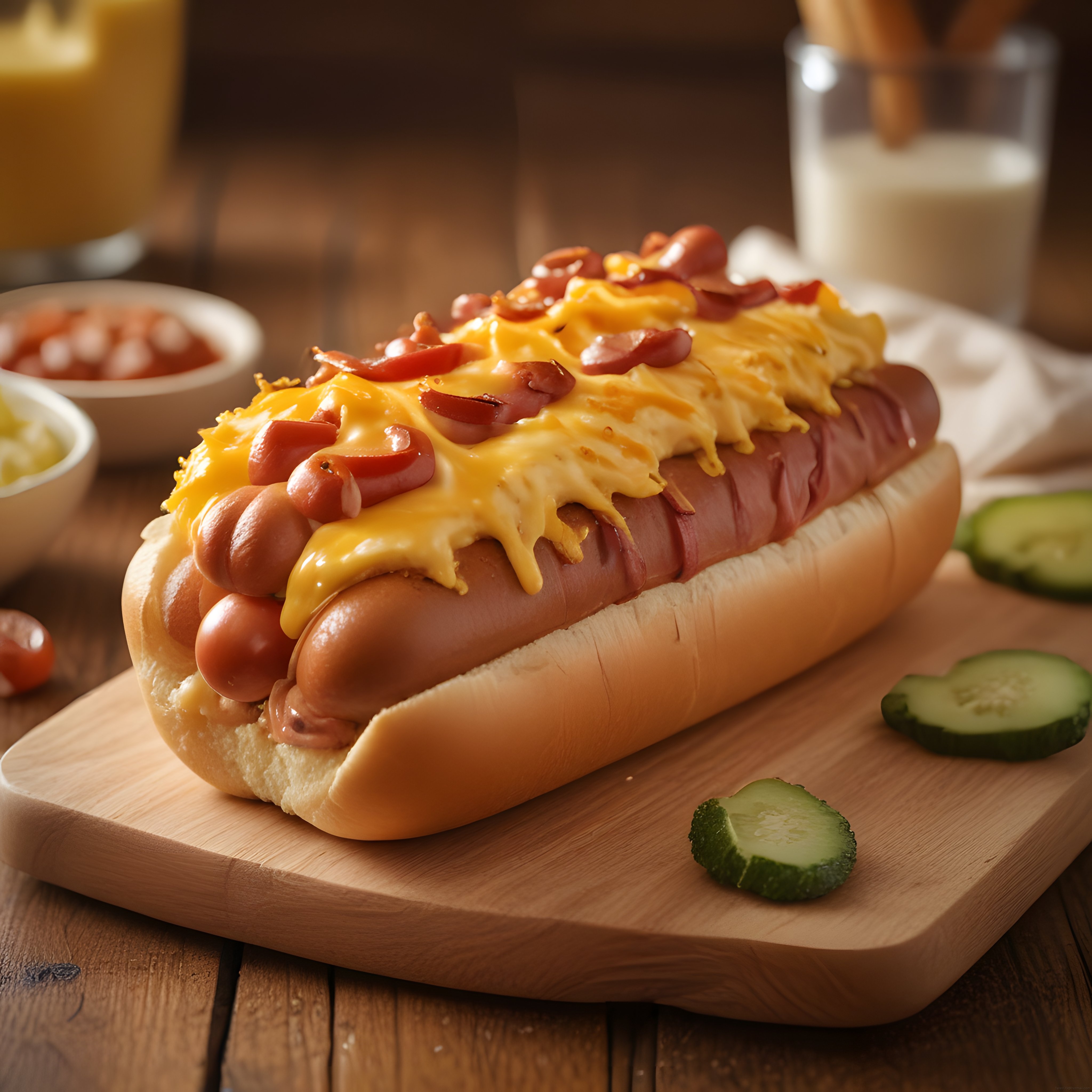
Çekim Tablosu
Belirtme (-i)salamı
Yönelme (-e)salama
Bulunma (-de)salamda
Çıkma (-den)salamdan
Tamlayan (-in)salamın
Çoğul (-ler)salamlar
Tanım
•isim: Sığır, hindi vb. etinden yapılan, genellikle dilimlenerek soğuk yenen bir yiyecek
Diğer Dillerde
AlmancaSorte, Sprachform, Sprachvarietät, Varietät, Wurst, Würstchen (dişil) /ˈzɔrtə/
a sort, variety, grade of a good produced for sale or consumption · a sort, kind, type of anything · foreign cash; foreign coins and notes
çekim: çoğul Sorten · tamlayan Sorten
eş: Art, Zuchtform
köken: In general use since the 16th century. Borrowed from Middle Low German sorte (14th c.), from Old French sorte, and from chiefly independent Upper German sorta, sort (15th c.), from Italian sorta; all eventually from Latin sors. See English sort for more.
Brunei Darussalam — Brunei Darussalam
FransızcaSalami (eril) /sa.la.mi/
salami
çekim: çoğul salamis
eş: salame
aile: tactique du salami
Brunéi Darussalam — Brunei Darussalam
İspanyolcaembutido, salchicha, salchichón, variedad (eril) /embuˈtido/
sausage · cold meat
çekim: çoğul embutidos
eş: embuchado
köken: From embutir (“to stuff”). Compare Catalan embotit.
Ah-Salam Alaikum. — Ah-Salam Alaikum.
İtalyancainsaccato, salame, salsiccia, salume, varietà (eril)
sausage
çekim: çoğul insaccati
eş: ammucchiato, infagottato
Ah-Salam Alaikum. — Ah-Salam Alaikum.
سلامةguatemala. kgm — Salamáguatemala. kgm
Farsçaاختلاف /ʔix.ti.ˈlaːf/
difference · discord, disagreement
çekim: çoğul اختلافات
zıt: شباهت
köken: Borrowed from Arabic اِخْتِلَاف (iḵtilāf).
اختلاف طبقاتی
چین و آمریکا اختلاف دارند.
Azericekolbasa
sausage
köken: From Russian колбаса́ (kolbasá), from Proto-Slavic *kъlbasa which may derive from Proto-Turkic for "grilled cutlet" (literally "pressed on ashes"), from *kül (“ash”) + *bas (“to press”). According to one of the etymologies by Max Vasmer, the Slavic word (attested in 1140) is a borrowing from an ancestor of Turkish language (likely from Old Anatolian Turkish), compare Turkish külbastı.
aile: kolbasaçı, kolbasalıq
sujuk; sausage
çekim: çoğul шұжықтар · tamlayan шұжықтың
köken: Cognate to Ottoman Turkish صوجوق (sucuk).
Özbekçesosiska
Tatarcaказылык
Felemenkçevariëteit, verscheidenheid, worst, worstje (dişil)
manifold · variety
çekim: çoğul variëteiten
köken: From Middle French varieté, from Latin varietās (“difference, diversity”), from varius (“different, various”); see various.
Ah-Salam Alaikum. — Ah-Salam Alaikum.
Portekizcesalame (eril) /saˈlɐ̃.mi/
salami · chocolate salami
çekim: çoğul salames
köken: Borrowed from Italian salame.
aile: salaminho
Darussalam do Brunei — Brunei Darussalam
Yunancaλουκάνικο (nötr)
sausage · kit bag, duffel bag
çekim: çoğul λουκάνικα · tamlayan λουκάνικου
köken: From Byzantine Greek λουκάνικον (loukánikon), λουκάνικα (loukánika), from Latin lūcānica.
Καθόλου. — Salamu alaykum.
a dry or semidry type of sausage
köken: From Russian колбаса́ (kolbasá).
ブルネイ — Brunei Darussalam
sausage
eş: 고기순대, 칼파스
köken: From English sausage.
guatemala. kgm — Salamáguatemala. kgm
İsveççekorv
a sausage · a hot dog
çekim: çoğul korvar · tamlayan korvs
köken: From Old Swedish korver, presumably from Old Norse kurfr, from Proto-Germanic *kurbiz. Compare English kerf. Attested since the first half of the 15th century.
aile: bajskorv, korv med bröd, korv stroganoff, korva, korvbar, korvbröd, korvfest, korvförsäljare, korvgrillning, korvgubbe
Brunei Darussalam — Brunei Darussalam
Lehçeforma języka, forma mowy, kiełbasa, kiełbaska, odmiana, odmiana języka (dişil) /kjɛwˈba.sa/
sausage (for slicing), kielbasa, Polish sausage
çekim: çoğul kiełbasy · tamlayan kiełbasy
eş: gw. (Górny Śląsk) woszt, wuszt
köken: Inherited from Proto-Slavic *kъlbasa, which may derive from Proto-Turkic for "grilled cutlet," literally "pressed on ashes," from *kül (“ash”) + *bas (“to press”) (modern Turkish basmak).
aile: kiełbasa wyborcza
Brunei Darussalam — Brunei Darussalam
Ukraynacaковбаса́, різновид, різновид мови, форма існування мови, форма мови (eril) /rʲizˈnɔʋed/
variety (distinct type of something)
çekim: çoğul різно́види · tamlayan різно́виду
köken: From рі́зно (rízno), derivative of рі́зний (ríznyj, “different, diverse”) + вид (vyd, “kind, sort”).
aile: різнови́дний
Бруней — Brunei Darussalam
type, kind, sort · way, manner, method, mode
çekim: çoğul प्रकारों
köken: Borrowed from Sanskrit प्रकार (prakāra).
यह फल कई प्रकार के होते हैं।
किस प्रकार की यह है माया?
Fincekielimuoto, laji, makkara, monimuotoisuus, moninaisuus, muoto /ˈkie̯liˌmuo̯to/
lect, variety, language form
çekim: çoğul kielimuodot · tamlayan kielimuodon
köken: kieli + muoto
Salemguatemala. kgm — Salamáguatemala. kgm
sausage
çekim: çoğul klobásy · tamlayan klobásy
eş: klobáska, klobásečka, klobásek, čabajka, klacek, kláda
köken: Inherited from Proto-Slavic *kъlbasa.
Ah-Salam Alaikum. — Ah-Salam Alaikum.
Rumencecârnat, fel, sort, sortiment, varietate (eril) /kɨrˈnat/
sausage · penis
çekim: çoğul cârnați · tamlayan cârnatului
köken: From the variant form cârnaț, subsequently reanalyzed as the plural, thus rendering the current form. From a Vulgar Latin *carnaceum or *carnācius, ultimately from Latin carnis, carō (“meat”). Compare Megleno-Romanian cărnat, Sicilian carnazzu, Spanish carnaza, carniza, Old Occitan carnaza, Portuguese carnaz.
aile: cârnăcior, cârnățar
Brunei Darussalam — Brunei Darussalam
sort, kind · breed
çekim: çoğul fajták
köken: faj (“race, species”) + -ta (diminutive suffix). For the suffix, compare pacsirta, bóbita, bokréta.
aile: fajtájú, betűfajta, emberfajta, fafajta, lófajta, magyarfajta, tájfajta
Salamu alaykum. — Salamu alaykum.
İbraniceנַקְנִיק
סיילםguatemala. kgm — Salamáguatemala. kgm
Latincebotulus, farcīmen, hillae, salsicia, tomāclum, tuccētum /ˈbɔ.tʊ.ɫʊs/
sausage, black pudding
çekim: çoğul botulī · tamlayan botulī
köken: Possibly ultimately from Proto-Indo-European *gʷet- (“swelling”), borrowed through an Osco-Umbrian language; compare Proto-Germanic *kweþuz (“belly, womb”) and German Kuttel (“chitterlings”), Latin beccus.
aile: botellus, botulīnus
Dancaforskellighed, mangfoldighed, pølse, varietet /mɑŋˈfʌlˀdiˌheðˀ/
diversity, quality of being diverse · manifold
çekim: çoğul mangfoldigheder · tamlayan mangfoldigheds
köken: mangfoldig + -hed.
Brunei Darussalam — Brunei Darussalam
Norveççesosiss
Loftet er derfor i ettertid blitt hetende Solli-loftet. — Daha sonra tuz oranı yüksek salamuraya alınırlar.
Etimoloji
From Italian salame.
Örnek Cümleler
Salamu alaykum.
At all.
Salamı severim.
I like salami.
Ah-Salam Alaikum.
Ah-Salam Alaikum.
Brunei Darussalam
Brunei Darussalam
- Salamun aleyküm.
He'll stay here. Don't push his buttons.
Salamura hataları.
Саамский букварь.
Salamáguatemala. kgm
Salamá
Ya Nabi salam "alayka
Ya Nabi salam "alayka
İlyasin'e salam olsun.
Peace be on Elias.
Ya Habib salam "alayka
Ya Habib salam "alayka
SalamancaCity in Spain
Salamanca
Ya Rasool salam "alayka
Ya Rasool salam "alayka
Birleşik Kelimeler
Macar salamı