Sözlük
/kuzu
kuzu
"kuzu" kelimesinin İngilizcesi: lamb, sheepling, yeanling, lamb, lamb. Anlamı, çevirisi, telaffuzu ve örnek cümleler aşağıdadır.
Çeviri
Bilimlambnoun
Bilimsheeplingnoun
Bilimyeanlingnoun
Genellamb
Genellamb
Genellamb
Görsel
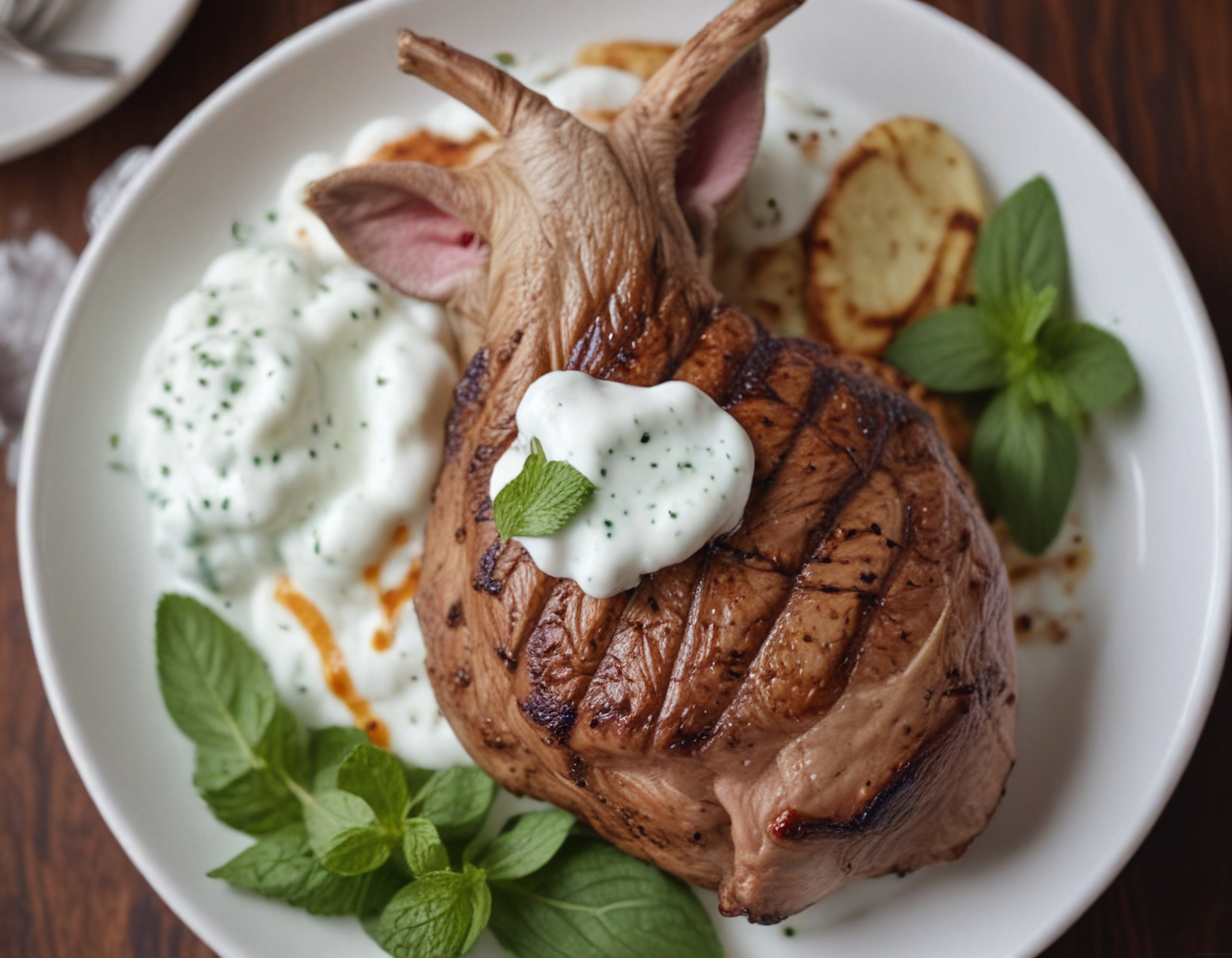
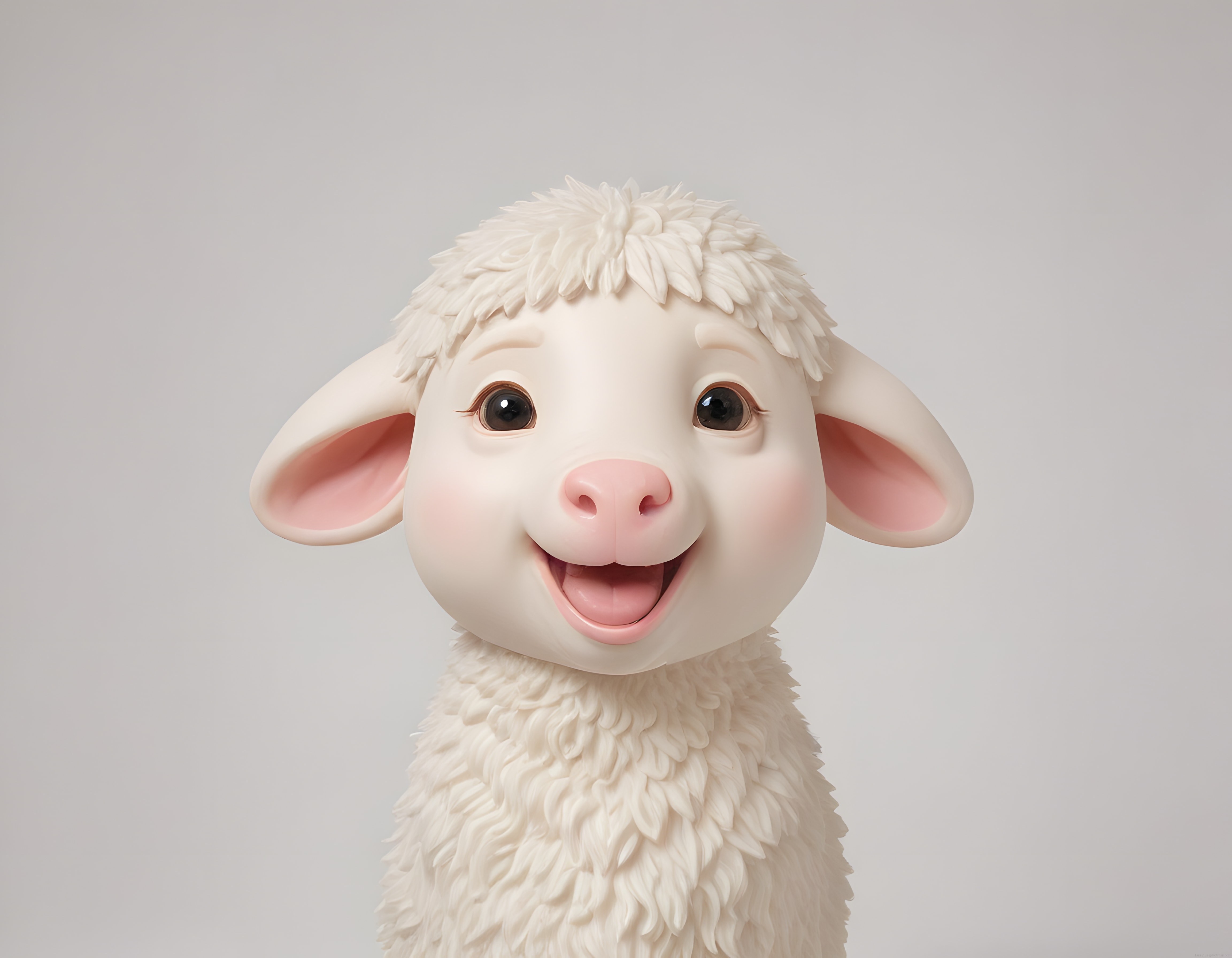
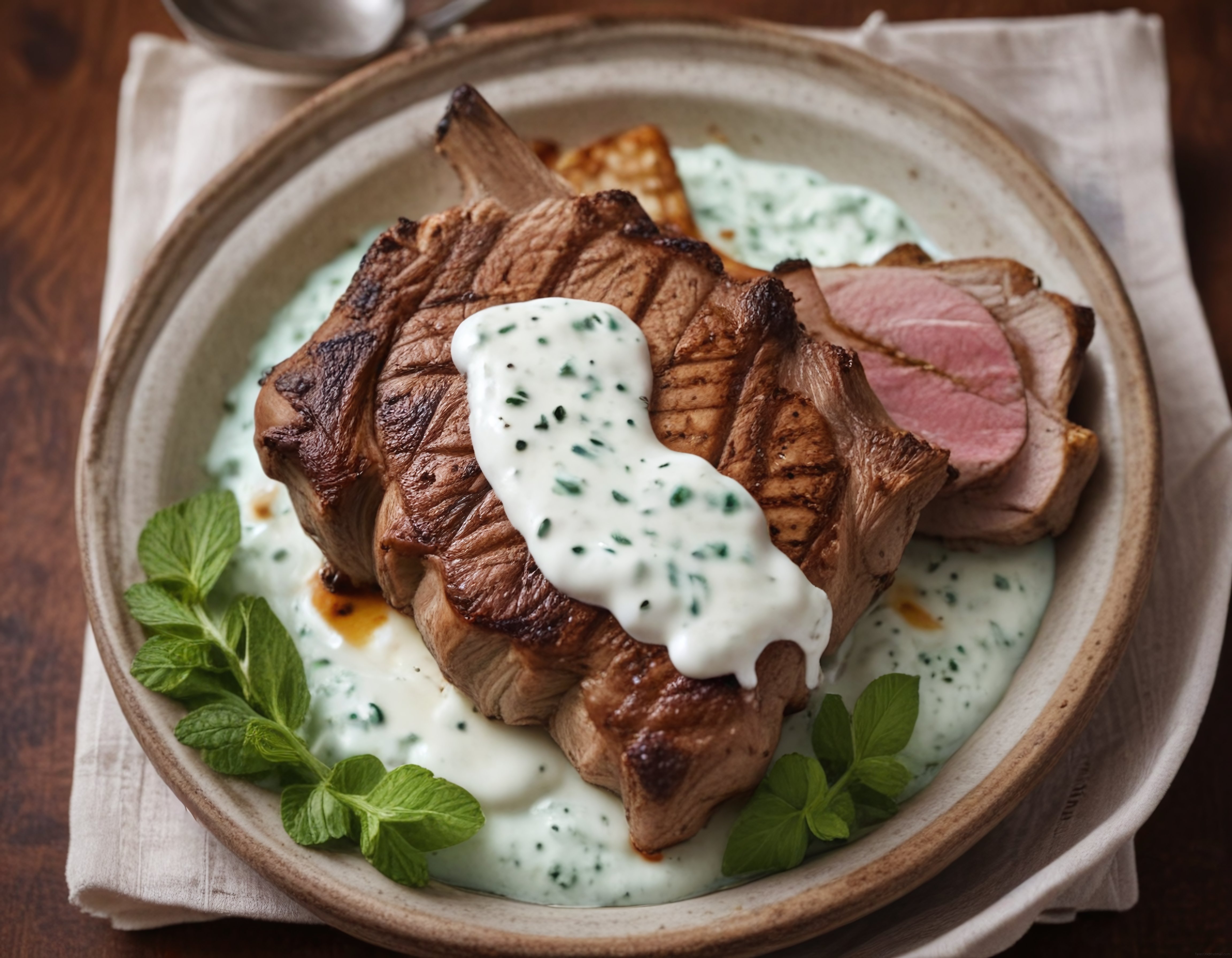
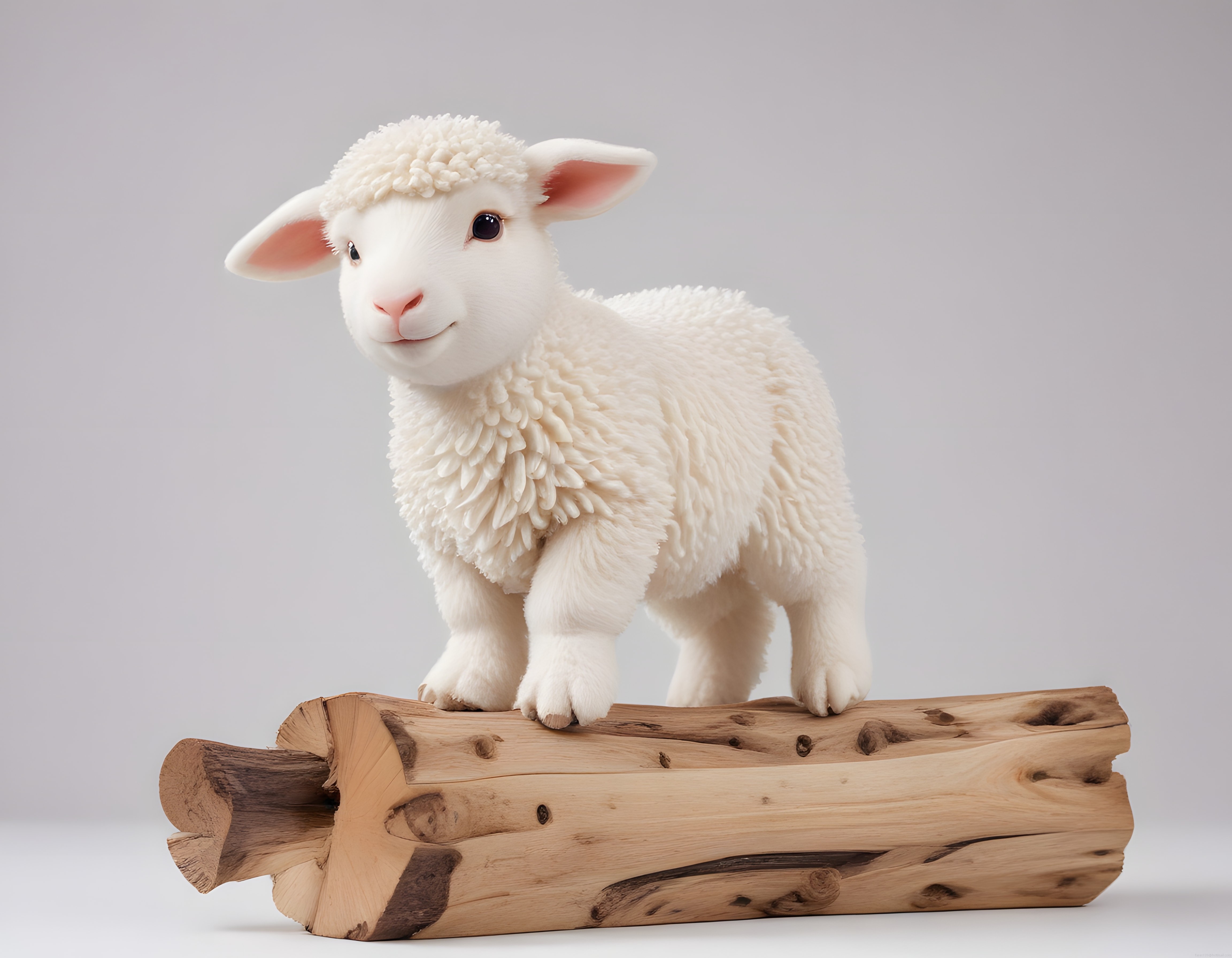
Çekim Tablosu
Belirtme (-i)kuzuyu
Yönelme (-e)kuzuya
Bulunma (-de)kuzuda
Çıkma (-den)kuzudan
Tamlayan (-in)kuzunun
Çoğul (-ler)kuzular
Tanım
•isim: Koyun yavrusu
•Bir meyve ve sebzeye bitişik olan küçük meyve veya sebze
•Yazma kitaplarda sayfa kenarına çizilmiş içi işlenmiş cetvelin yakınına çekilen tek çizgi
•Bir kerpicin yarısı büyüklüğünde kerpiç
•mecaz: yavru
•Bir meyve, sebze veya ekmeğin kendisine yapışık olarak çıkan küçüğü
Atasözü & Deyim
“Ak koyunun kara kuzusu da olur”
“Geçmişe mazi, yenmişe kuzu derler”
“Misafir ev sahibinin (bağlı) kuzusudur”
“Misafir on kısmetle gelir; birini yer, dokuzunu (evde) bırakır”
“Sürüden ayrılanı (ayrılan koyunu, kuzuyu) kurt kapar”
Diğer Dillerde
lamb
çekim: çoğul Lämmer · tamlayan Lammes
eş: Schäfchen
köken: Inherited from Middle High German lamp, in the 14th century also lam, from Old High German lamb, from Proto-West Germanic *lamb, from Proto-Germanic *lambaz. The loss of the b is reflective of a common trend in West Germanic languages; cognate with Dutch lam, Yiddish לאַם (lam), and the pronunciation of English lamb.
aile: Baumlamm, Bocklamm, Deichlamm, Heidschnuckenlamm, Indisch Lamm, Lamm Gottes, Lamm-Innereien, Lammauftrieb, Lammbraten, Lammbräu
Dies sind neun davon. — Bu onlardan dokuzu.
FransızcaAgneau (eril) /a.ɲo/
lamb (young sheep) · lamb (sheep meat) · lambskin
çekim: çoğul agneaux
köken: Inherited from Old French agnel, aignel, agniau, from Latin agnellus (according to the TLFi, an early borrowing), diminutive of agnus.
aile: l'Agneau de Dieu, agneau pascal, carré d'agneau, doux comme un agneau
Voilà neuf d'entre eux. — Bu onlardan dokuzu.
İspanyolcaborrega, borrego, carne de cordero, cordero (dişil) /boˈreɡa/
female equivalent of borrego
çekim: çoğul borregas
Locutor 9: — Dokuzuncu Spiker:
İtalyancaagnella, agnellino, agnello (dişil)
female equivalent of agnello (“lamb”)
çekim: çoğul agnelle
köken: From Latin agnella.
Queste sono nove di esse. — Bu onlardan dokuzu.
Rusçaягнёнок /(j)ɪɡˈnʲɵnək/
lamb
çekim: çoğul ягня́та · tamlayan ягнёнка
eş: агнец, барашек
köken: Inherited from Old East Slavic агнѧ (agnę), ꙗгнѧ (jagnę) + -ёнок (-jónok), from Proto-Slavic *agnę, from Proto-Indo-European *h₂egʷn-, the stem of *h₂egʷnós. Compare а́гнец (ágnec).
Ведущий 9: — Dokuzuncu Spiker:
هذه تسعة منهم. — Bu onlardan dokuzu.
lamb (young sheep) · fawn (young deer) · pruning-hook
köken: Ultimately from Proto-Iranian *varn-aka-, from Proto-Indo-Iranian *wr̥Hánas, from Proto-Indo-European *urh₁en- (“ram”). See also Mazanderani وره (vare), Sanskrit उरण (úraṇa), Central Kurdish بەرخ (berx), Northern Kurdish berx, Zazaki verek, Baluchi گْوّرگ (gwarag), Ancient Greek ἀρήν (arḗn), Old Armenian գառն (gaṙn).
Azericequzu /ɡuˈzu/
lamb (young sheep)
çekim: çoğul quzular · tamlayan quzunun
köken: From Proto-Turkic *koŕï. Cognate with Turkish kuzu, Kazakh қозы (qozy), Turkmen guzy, etc.
quzu kəsim sənə
Felemenkçelammeren, lammetje, lamsvlees
to give birth to lambs
çekim: geçmiş lammerden · ortaç gelammerd · şimdiki lammert · ulaç lammerend
eş: lammen
köken: From lam (“lamb”) + -er- + -en.
Dit zijn er negen van. — Bu onlardan dokuzu.
Portekizceanho, cordeiro (eril) /ˈɐ̃.ɲu/
lamb (young sheep)
çekim: çoğul anhos
eş: borrego, cordeiro
köken: Inherited from Old Galician-Portuguese anno, from Latin agnus (“lamb”), from Proto-Indo-European *h₂egʷnós. Cognate with Galician año.
Estes são 9 deles. — Bu onlardan dokuzu.
diminutive of αρνί (arní, “lamb”)
çekim: çoğul αρνάκια
köken: αρνί (arní) + -άκι (-áki)
Έτσι κατεβάσαμε το 9. — Dokuzu aşağıya geçiriyoruz.
lamb (young sheep) · lamb, mutton · lamb fur
köken: From English lamb.
それらを横に並べ — Bu onlardan dokuzu.
Korece새끼양
여기에 9개가 있습니다. — Bu onlardan dokuzu.
İsveççelamm, lammkött (nötr) /lamː/
a lamb · lamb (as part of a dish – might get qualified as lammkött ["lamb meat"] otherwise) · a sheep
çekim: çoğul lamms · tamlayan lamms
köken: From Old Swedish lamb, from Old Norse lamb, from Proto-Germanic *lambaz, from Proto-Indo-European *h₁l̥h₁onbʰos.
aile: dilamm, som ett lamm, lamma, lammkött, lammull, påskalamm
Det elfte budordet. — "Ondokuzuncu Mektup".
Lehçebaranek, jagnię, jagnięcina (eril) /baˈra.nɛk/
diminutive of baran (“young ram; lamb”) · lamb (figure of a lamb used as an Easter decoration symbolizing Christ) · lamb image (box on wheels, transported around at Easter, with the image of a lamb and a sawyer)
çekim: çoğul baranki · tamlayan baranka
eş: kszyk, koziołek
köken: Etymology tree Proto-Slavic *baranъ Old Polish baran Proto-Indo-European *-kos Proto-Slavic *-kъ Proto-Slavic *-ъkъ Old Polish -ek Old Polish baranek Polish baranek Inherited from Old Polish baranek. By surface analysis, baran + -ek. Compare Kashubian barónk /barank and Slovincian barónk /barank.
aile: barankowaty, Baranek Boży
Spiker 9: — Dokuzuncu Spiker:
baranek czysty
Ukraynacaбара́нчик, ягня́, ягня́тко
Вовк убив ягня. — Kurt, kuzuyu öldürdü.
Rope, string · a kind of rope used in a village game(tug of war) on the fourteenth of the light half of Asvina.
Fincekaritsa, karitsanliha, karitsoida, karitsoittaa, lammas /ˈkɑritsɑ/
lamb (young sheep)
çekim: çoğul karitsat · tamlayan karitsan
köken: From Proto-Finnic *kargicca (compare Ingrian karitsa, Veps kargitš), probably equivalent to karata (“to run away; (archaic) to jump, hop, run”) + -itsa.
aile: karitsoida, karitsoittaa, Jumalan Karitsa, karitsanliha, karitsannahka, karitsanvilla, uhrikaritsa
"Kirje" 9. — "Ondokuzuncu Mektup".
diminutive of beran, small ram (male sheep) · paschal lamb (the lamb eaten at Passover) · Jesus Christ, symbolized as a sacrifice
çekim: çoğul beránci · tamlayan beránka
eş: jehně, jehňátko
köken: From beran + -ek.
Zdi tvé. — Ballıkuzu mevkii.
beránek Boží
Rumencemia, miel, mielușel, mioară (dişil) /ˈmi.ja/
definite nominative/accusative singular of mie
çekim: çoğul miele · tamlayan miele
köken: Inherited from Latin agnella. Compare Aromanian njauã.
aile: mioară
Astea sunt nouă din ele. — Bu onlardan dokuzu.
Macarcabárány, bárányhús /ˈbaːraːɲ/
lamb
çekim: çoğul bárányok
köken: An early borrowing from a Slavic language, from Proto-Slavic *baranъ.
aile: bari, bárányfelhő, bárányhimlő, bárányhús, ártatlan, mint a ma született bárány
Így ez 9. — Bu işlem bize dokuzu verir.
diminutive of agnus: a little lamb, lambkin
çekim: çoğul agnellī · tamlayan agnellī
köken: Etymology tree Proto-Indo-European *h₂egʷnós Proto-Italic *agʷnos Latin agnus Proto-Indo-European *-lós Proto-Indo-European *-elós Proto-Italic *-elos Latin -lus Latin -ellus Latin agnellus From agnus (“lamb”) + -ellus (diminutive suffix).
aile: agnella, agnellīnus
Dancalæmme, lam, lammekød /ˈlɛmə/
to lamb (to birth a lamb)
çekim: geçmiş læmmede · ortaç læmmet · ulaç læmmende
köken: From Old Norse lemba.
Erklæringen af 9. — "Ondokuzuncu Mektup".
Norveççelammekjøtt
«Det 19. hundreåret». — "Ondokuzuncu Yüzyıl".
Endonezceanak domba, cempe /t͡ʃəmˈpe/
lamb: a young sheep
çekim: çoğul cempe-cempe
köken: From Javanese ꦕꦼꦩ꧀ꦥꦺ (cempé).
aile: cempe lahir dini, cempe lahir lambat, cempe terlantar
Raksasa di atas Bumi 9. — Göğün dokuzuncu katında yaşar.
Bulgarcaа́гне, агнешко, обагням се (nötr) /ˈaɡnɛʃko/
lamb (meat or dish)
köken: а́гне (ágne) + -шко (-ško)
Девети говорител: — Dokuzuncu Spiker:
Etimoloji
Inherited from Ottoman Turkish قوزی (kuzı, kuzu, “lamb”), from Proto-Turkic *koŕï (“lamb”). Cognates Cognate with Azerbaijani quzu, Bashkir Ҡуҙы (Quźı), Kazakh қозы (qozy), Kumyk къозу (qozu), Kyrgyz козу (kozu), Nogai козы (kozı), Southern Altai козы (kozï), Turkmen guzy, Uyghur قوزا (qoza) and Uzbek qoʻzi.
Eş & Zıt Anlamlılar
Eş anlamlılar
Örnek Cümleler
Şimdi dokuzunda.
He's nine now.
Dokuzuncu Spiker:
Announcer Nine:
Sayfa dokuzu açın.
Open at page nine.
Kuzu tandırı yedim.
I ate the biryani.
Bu onlardan dokuzu.
This is nine of them.
Kuzu bile kurt olur.
Even a worm will turn.
Kurt, kuzuyu öldürdü.
The wolf killed the lamb.
Bütün kuzu kızartması
Whole lamb roast
"Ondokuzuncu Yüzyıl".
"Nineteenth Century".
"Ondokuzuncu Mektup".
Ninth Letter.
Kurt, kuzuya saldırdı.
The wolf attacked the lamb.
Mihrapta bir kuzu var.
We have a lamb on an altar.
İlgili Sorular
Hey Cumhuriyetçiler, kuzunun tadı nasıldır?
Harry Connick Jr.'ın Rochester, NY'de bir kuzu ya da kız kardeşi olduğu biliniyor mu?
İbrahim'in Tanrı’ya kurban ettiği kuzu, Tapınak kurbanı kurallarına göre geçerli midir?
Cumhuriyetçi topluluk, bir kuzunun tadını tarif eder misiniz?
Cumhuriyetçi arkadaşlar, bir kuzunun tadı nasıl olur?
İlgili / Bileşik Terimler
Genelcalmly
Genelobediently
Genelsubmissively
Genelmeekly
Genelsmall
Genelmeekly
Genelsheepishly
Genelobediently
Genelsubmissively
Genelmushroom
Genelferulago trachycarpa
Genelannual everlasting
Birleşik Kelimeler
kuzu dişikuzu dolmasıkuzu etikuzugöbeğikuzu ıspanakkuzu kapamakuzu kapıkuzu kestanesikuzukulağıkuzu kuzukuzu pıtrağıkuzu sarmasıkuzu sarmaşığıkınalı kuzuana kuzusukaptanpaşakuzususüt kuzusu