Sözlük
/çorba
çorba
/t͡ʃoɾˈba/
noun
B2 seviye
TR → EN
"çorba" kelimesinin İngilizcesi: soup, soup, soup, soup. Anlamı, çevirisi, telaffuzu ve örnek cümleler aşağıdadır.
Çeviri
Genelsoupnoun
Genelsoup
Genelsoup
Genelsoup
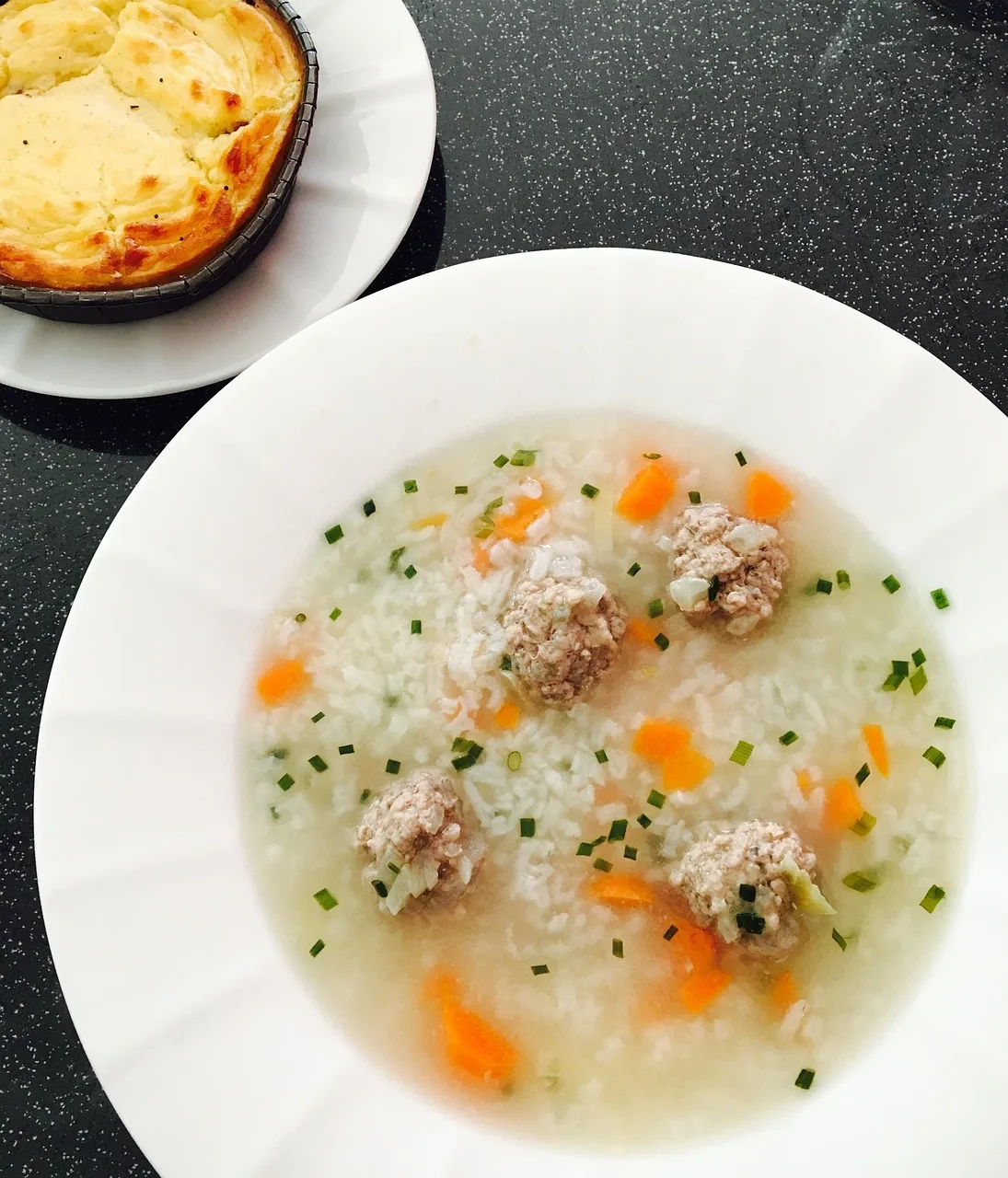
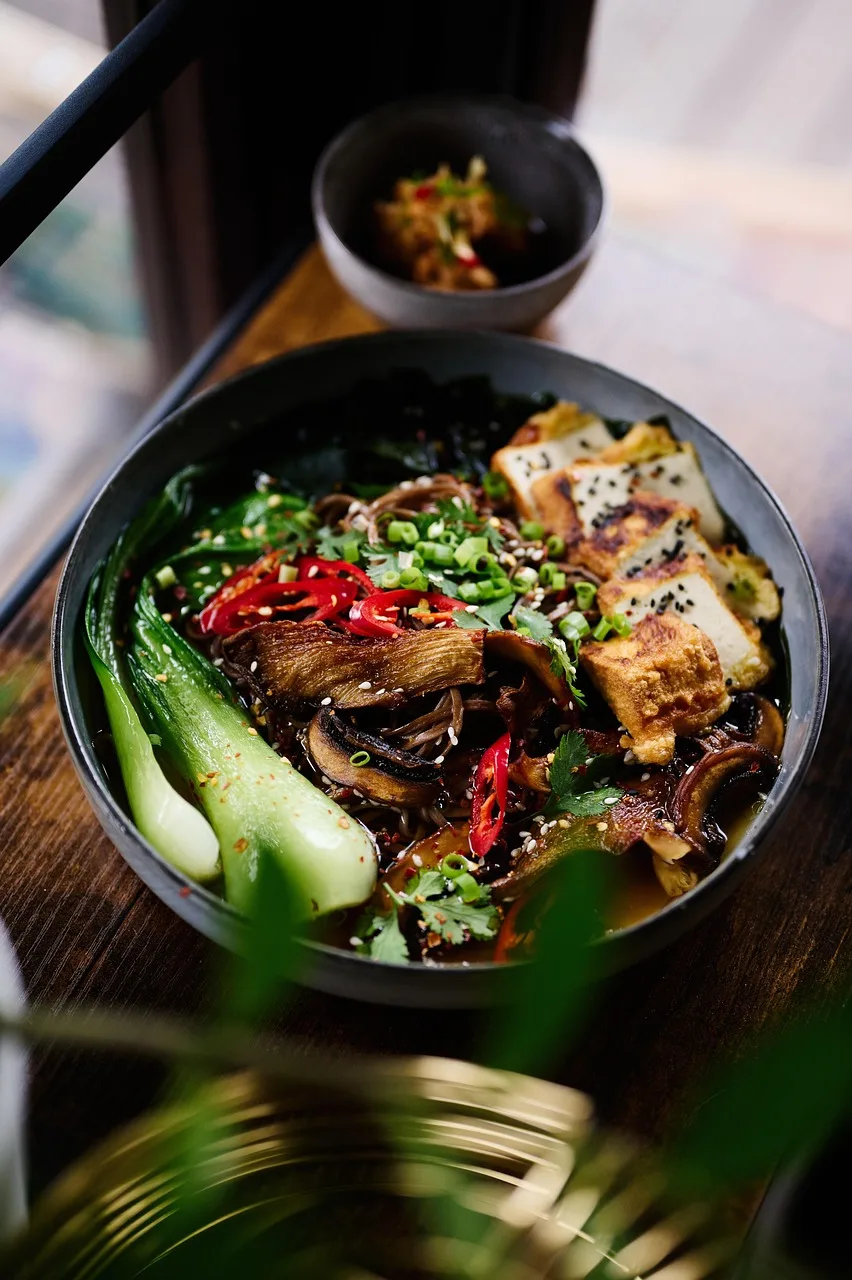
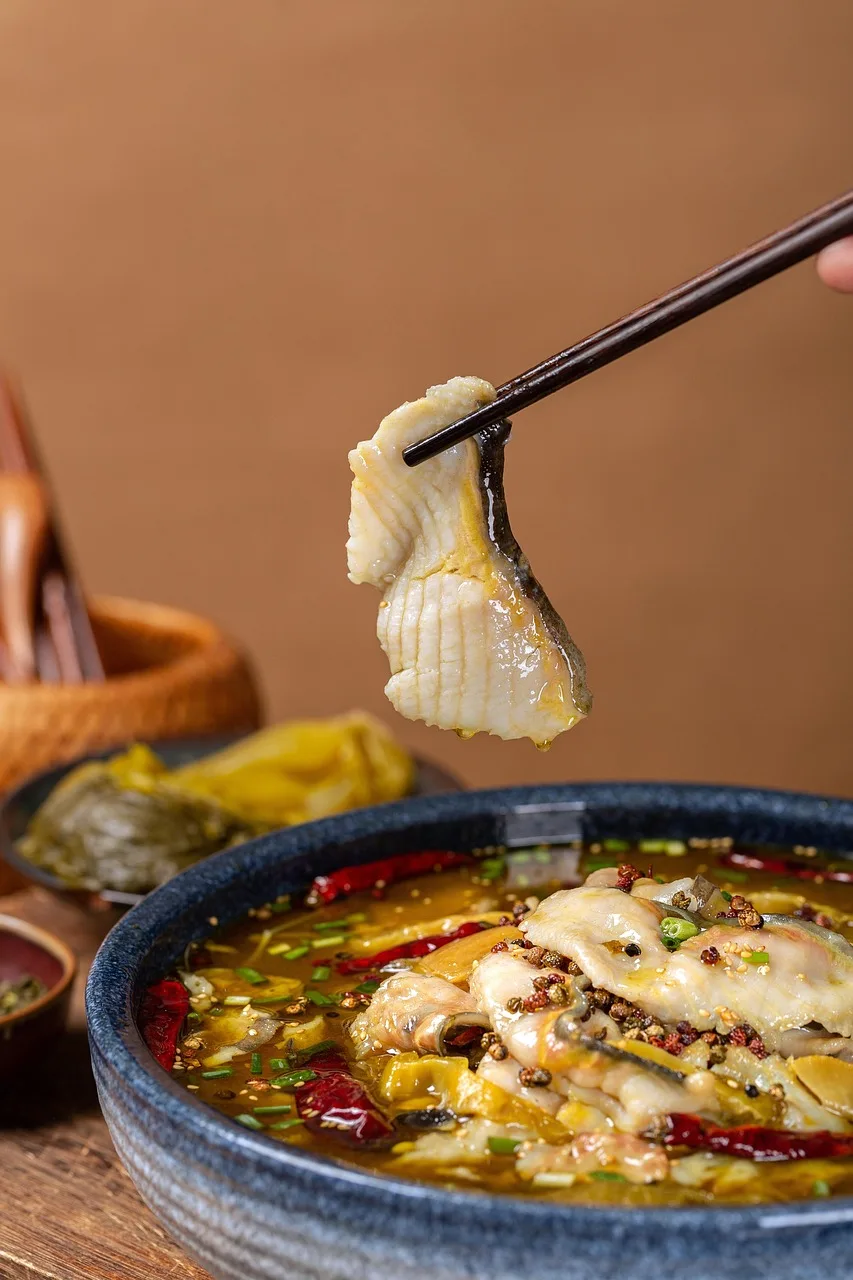
Görsel

Çekim Tablosu
Belirtme (-i)çorbayı
Yönelme (-e)çorbaya
Bulunma (-de)çorbada
Çıkma (-den)çorbadan
Tamlayan (-in)çorbanın
Çoğul (-ler)çorbalar
Tanım
•(mecaz) içinden çıkılmaz durum
•Sebze, tahıl, et vb. ile hazırlanan sulu bir yemek türü.
•İçinden çıkılmaz durum
•Sebze, tahıl, et vb. ile hazırlanan sıcak, sulu içecek
Atasözü & Deyim
“Tekkeyi bekleyen çorbayı içer”
Diğer Dillerde
Almancasuppe (dişil) /ˈzʊpə/
soup
çekim: çoğul Suppen · tamlayan Suppen
köken: Borrowed from Middle Low German suppe, soppe, sope, which spread under the reinforcing influence of French soupe. Both from Proto-Germanic *supô, *suppô, *suppǭ (“broth, sop”), which is related to German saufen (“to drink”).
aile: suppen, suppig
Es ist Samgyetang! (Koreanische Hühnersuppe) — Tavuk çorbası!
soup (dish)
çekim: çoğul potages
eş: soupe
köken: From Old French, pot + -age.
aile: couille dans le potage, potage Crécy, potage Esaü, potage Saint-Germain, potager, pour tout potage
C'est une soupe au poulet ! (Samgyetang) — Tavuk çorbası!
a clear soup, broth, bouillon · stock · wine
çekim: çoğul caldos
eş: consomé
köken: Inherited from Latin cal(i)dus. Compare the borrowed doublet cálido.
aile: caldo de cultivo, cambiar el caldo a las aceitunas, cubo de caldo, hacer el caldo gordo, hacerse caldo la cabeza, poner a caldo, si no quieres caldo, taza y media
Empezamos tomando sopa. — Çorbayla başlıyoruz.
İtalyancazuppa (dişil) /ˈd͡zup.pa/
one of several types of soup
çekim: çoğul zuppe
eş: minestrone, brodetto, pancotto, minestra, pappa, broda
köken: From Late Latin suppa, borrowed from Proto-Germanic *supô, *suppa (“slice of soaked bread; soup”) (whence English soup).
E' samgyetang! (Zuppa Coreana di pollo) — Tavuk çorbası!
Se non è zuppa è pan bagnato.
Rusçaгастрон. суп, похлёбка
Это самгетхан! (корейское блюдо, суп из курицы) — Tavuk çorbası!
Arapçaحَسَاء, شُرْبَة, شُورَبَة
إنه حساء الدجاج! — Tavuk çorbası!
food · pilaf · noodle
çekim: çoğul aşlar · tamlayan aşın
köken: Probably from Proto-Common Turkic *aš, but see also Persian آش (âš, “food”). Compare also Chuvash яшка (jaška, “soup”).
aile: aşpaz, aşbaz
porridge (liquid dish made from millet, rice, wheat or other crushed grains in milk, meat broth or water)
Özbekçeshoʻrva
Tatarcaшулпа
Felemenkçesoep (dişil) /sup/
soup, liquid dish · a mirky mess; chaos, trouble
çekim: çoğul soepen
köken: Borrowed from French soupe, from Latin suppa, from Proto-Germanic *supô. Doublet of zopie, which is the directly inherited Dutch form (albeit with diminutive suffix) of the same Germanic word from which suppa ultimately derives.
aile: champignonsoep, erwtensoep, goulashsoep, groentesoep, hamelsoep, in de soep draaien, in de soep lopen, kippensoep, koninginnesoep, linke soep
Het is samgyetang! (Koreaanse kippensoep) — Tavuk çorbası!
Portekizcesopa (dişil) /ˈso.pɐ/
comida líquida ou pastosa, cozida, normalmente com vegetais e carne
çekim: çoğul sopas
köken: From Late Latin suppa (“sopped bread”), from Proto-Germanic *supô.
aile: sopeira, sopeiro, sopista
Casas em Sopa. — Bana çorba geliyordu.
Yunancaσούπα (dişil) /ˈsupa/
soup
çekim: çoğul σούπες · tamlayan σούπας
köken: Borrowed from French soupe.
Είναι Σαμγιετάνγκ! (Κορεάτικη σούπα κοτόπουλου) — Tavuk çorbası!
Japoncaスープ /sɨːpɯ̟/
soup (non-Japanese cuisine)
köken: Borrowed from English soup.
これ サム・・・ — Tavuk çorbası!
私たちはスプーンでスープを飲む。
Korece수프 /sʰupʰɯ/
soup (dish, especially Western)
eş: 국
köken: From English soup.
아~ 삼계탕이네 — Tavuk çorbası!
İsveççesoppa /ˈsɔpˌa/
soup (dish) · mess; an unordered, chaotic and problematic situation · juice (gas, petrol)
çekim: çoğul soppor · tamlayan soppas
köken: From Old Swedish suppa, from Old Norse soppa, from Middle Low German soppe, suppe. Doublet of supa and suga.
aile: blåbärssoppa, grönsakssoppa, ju fler kockar, desto sämre soppa, koka soppa på en spik, kycklingsoppa, kålsoppa, nyponsoppa, nässelsoppa, soppatorsk, ärtsoppa
Det är Samgyetang! (koreansk kycklingsoppa) — Tavuk çorbası!
Hon åt soppa med en sked.
Vilken soppa!
Han fick slut på soppa.
Lehçezupa (dişil) /ˈzu.pa/
soup
çekim: çoğul zupy · tamlayan zupy
eş: polewka, bryja, supa, gw. (Śląsk Cieszyński) polywka, breja, bryja
köken: Borrowed from German Suppe, from Middle Low German sope, from Proto-Germanic *supô.
BulHab porridge? — BulHab çorbası?
Ukraynacaзу́па
Помішай суп. — Çorbayı karıştır.
Hintçeशोरबा, सूप (eril) /ʃoːɾ.bɑː/
broth, soup, gravy
çekim: çoğul शोरबे
köken: Borrowed from Classical Persian شوربا (šōrbā).
soup · boiling (method, process) · cook, cook-, cooked, cooking; boiling, boiled
çekim: çoğul keitot · tamlayan keiton
köken: From keittää (“to boil, to cook”) + -o. The sense “soup” refers to the fact that most soups (at least in Finnish cuisine) are prepared by boiling ingredients in water (or another liquid).
aile: aakkoskeitto, alkukeitto, aurinkokeitto, borš-keitto, borssikeitto, haineväkeitto, hapankaalikeitto, hedelmäkeitto, herkkusienikeitto, hernekeitto
Se on samgyetania! (korealaista kanakeittoa) — Tavuk çorbası!
päivän keitto
Koristele keitto tuoreella tillillä.
Punamultamaalin keitto kestää tunnin.
Çekçepolévka, čorba
Polévka je hustá. — Çorba koyu.
a kind of soup (usually sour), with vegetables and meat, commonly found in Romanian cuisine
çekim: çoğul ciorbe · tamlayan ciorbe
köken: Borrowed from Ottoman Turkish چوربا (çorba), from Persian شوربا (šurbâ).
E Samgyetang! ( Supa coreeana cu pui) — Tavuk çorbası!
Macarcaleves /ˈlɛvɛʃ/
soup
çekim: çoğul levesek
köken: From the lev- stem of lé + -es.
aile: leveses, levesbetét, leveshús, leveskocka, almaleves, bableves, borleves, borsóleves, brokkolikrémleves, burgonyakrémleves
Ez csirkeleves! (samgyetang) — Tavuk çorbası!
İbraniceמָרָק
(זה סאמגיטאנג! (מרק תרנגולות קוריאני — Tavuk çorbası!
Latinceiūs, iūsculum
Dancasuppe (nötr) /ˈsobə/
soup · broth
çekim: çoğul supper · tamlayan suppes
Det er Samgyetang! (Koreansk kyllingsuppe) — Tavuk çorbası!
soup
çekim: çoğul sop-sop
köken: From Dutch sop, an archaic spelling of soep.
Ini adalah Samgyetang! (Sup ayam ala Korea) — Tavuk çorbası!
Vietnamcacanh, nước dùng, nước lèo, soup, súp, xúp /kajŋ̟˧˧/
vegetable soup · broth (water in which food has been boiled)
köken: Sino-Vietnamese word from 羹.
aile: bánh canh, canh bún, canh chua, con sâu làm rầu nồi canh, kén cá chọn canh, tiết canh
Là Samgyetang! (Món canh gà Hàn Quốc) — Tavuk çorbası!
canh thuốc
canh mật
Etimoloji
Osmanlı Türkçesi چوربا sözcüğünden devralındı, Farsça شوربا (šurbâ), Arapça شُورْبَة (şūrbe). Azerice şorba, Kazakça сорпа (sorpa), Kırgızca шорпо (şorpo), Rumence ciorbă ile soydaştır.
Deyimler
çorba gibi
çorba içmeye davet etmek
çorbada maydanozu bulunmak
Kelime Ailesi
Örnek Cümleler
Çorbanız !
Have some soup!
Çorba koyu.
The soup is thick.
Çorba ve Aş
Soup and āsh
O iyi çorba.
That's good soup.
Çorba soğuk.
The soup is cold.
Çorba sıcak.
The soup is hot.
Çorba nasıl?
How is the soup?
Çorbayı dökme.
Don't spill the soup.
Bu çorba sulu.
This soup is watery.
Çorba suluydu.
The soup was watery.
Tavuk çorbası!
It's Samgyetang! (Korean chicken soup)
Bu çorba nefis.
This soup is exquisite.