çiy
noun
TR → EN
"çiy" kelimesinin İngilizcesi: dew, dew, dew, dew. Anlamı, çevirisi, telaffuzu ve örnek cümleler aşağıdadır.
Çeviri
Geneldewnoun
Geneldew
Geneldew
Geneldew
Görsel
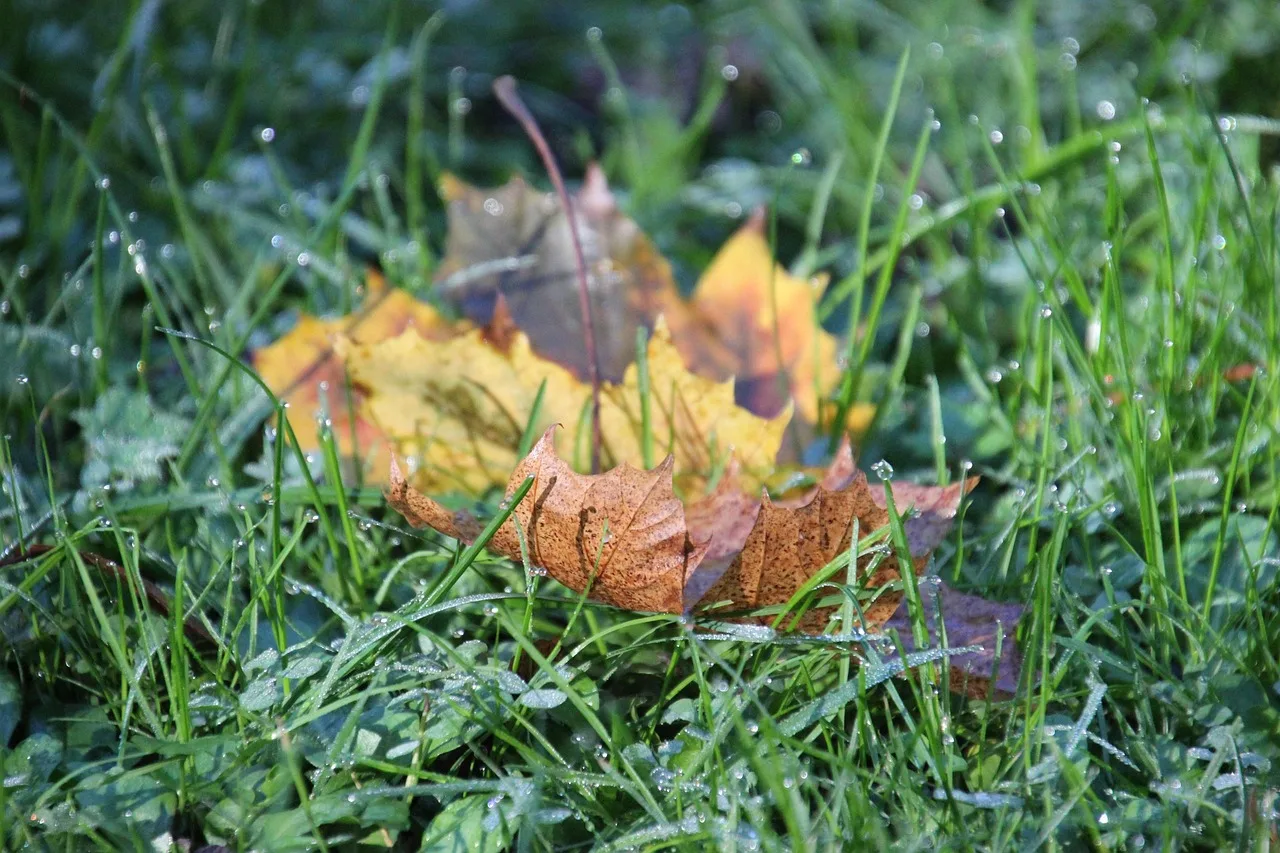
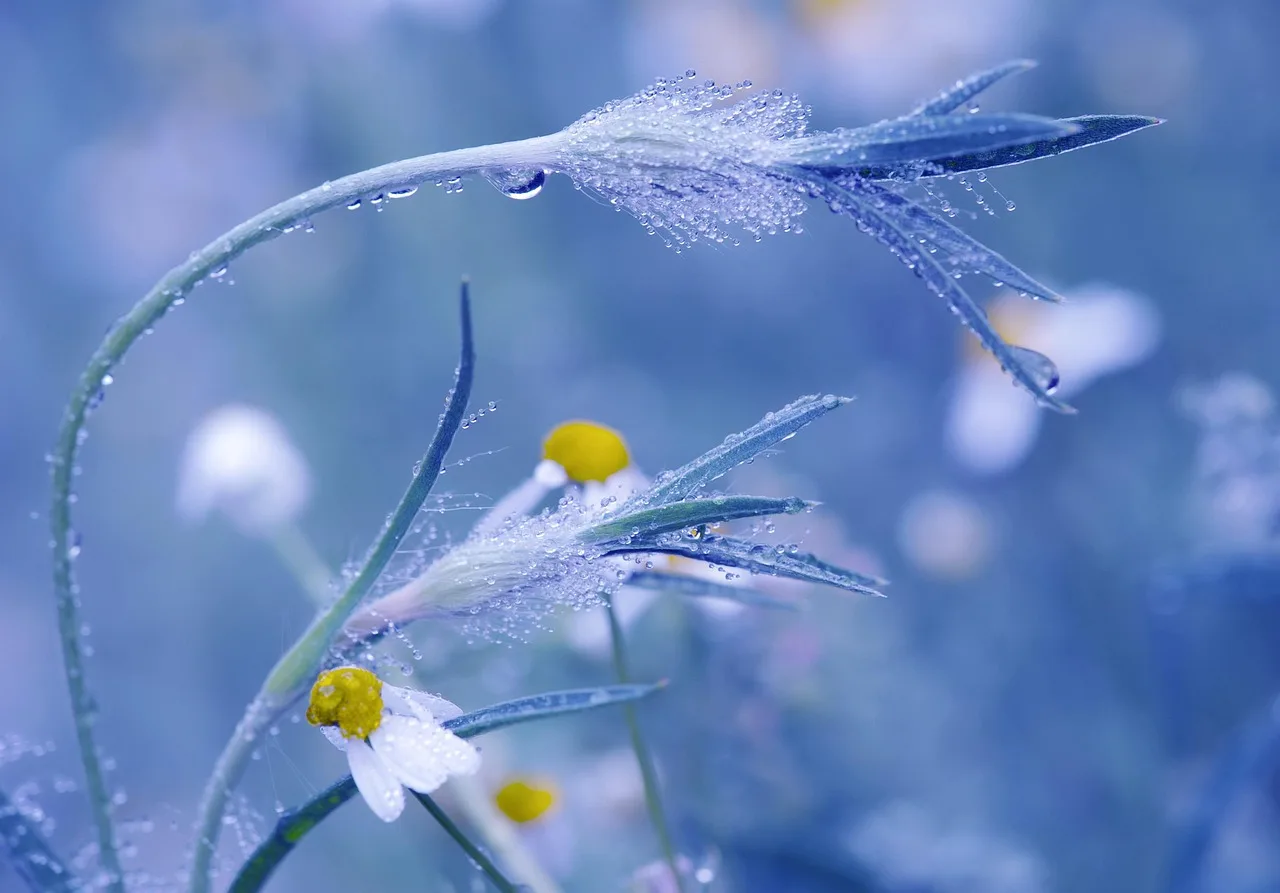
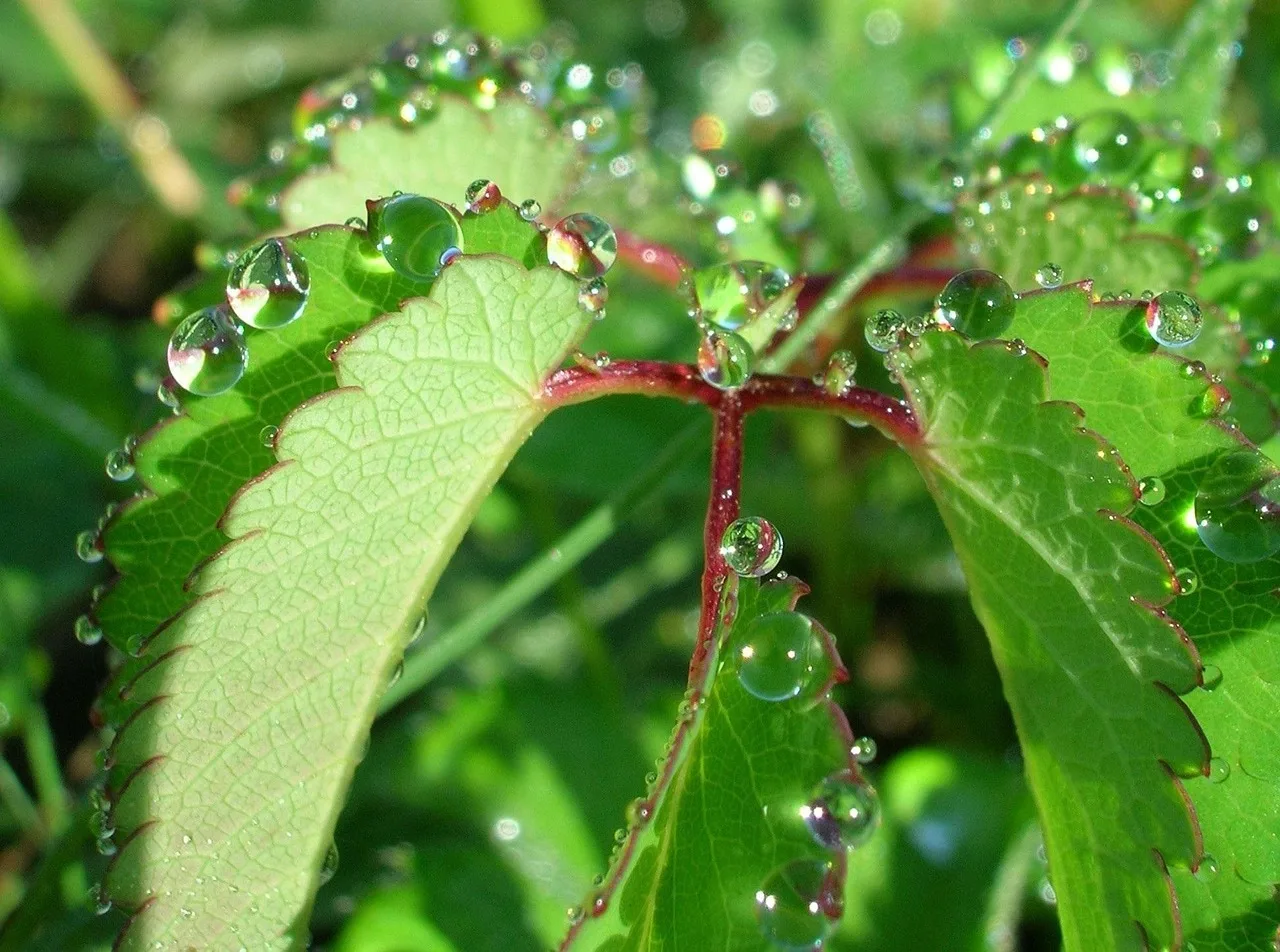
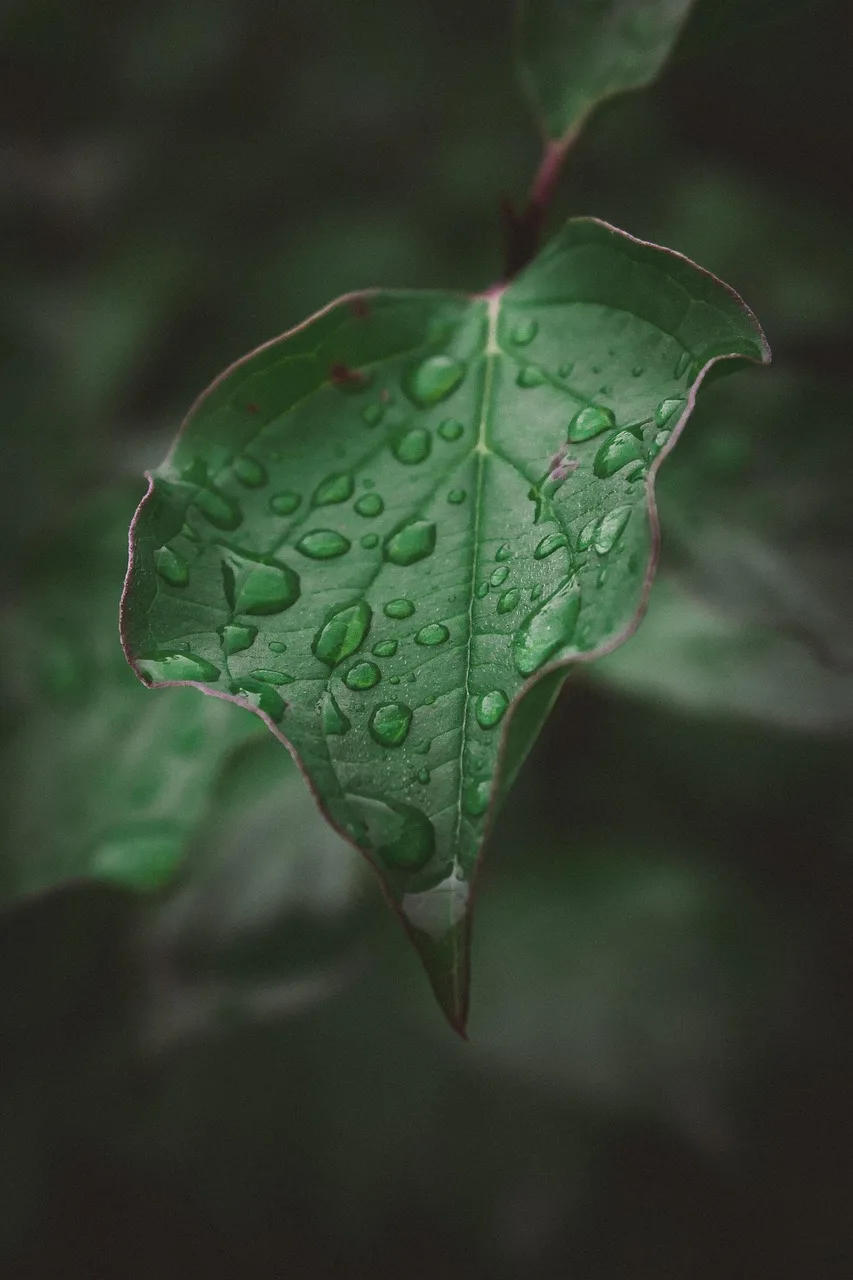
Çekim Tablosu
Belirtme (-i)çiyi
Yönelme (-e)çiye
Bulunma (-de)çiyde
Çıkma (-den)çiyden
Tamlayan (-in)çiyin
Çoğul (-ler)çiyler
Tanım
•havada buğu durumundayken akşamın ve gecenin serinliğiyle yerde veya bitkilerde toplanan küçük su damlaları, şebnem, jale
•Havada buğu durumundayken akşamın ve gecenin serinliğiyle yerde veya bitkilerde toplanan küçük su damlaları
Atasözü & Deyim
“Her deliğe elini sokma, ya yılan çıkar ya çıyan”
Diğer Dillerde
Almancatau (eril) /taʊ̯/
Niederschlag, durch Abkühlung (in Bodennähe) kondensierter Wasserdampf
çekim: tamlayan Taues
köken: From Middle High German tou, from Old High German tou, from Proto-Germanic *dawwaz, from Proto-Indo-European *dʰewh₂- (“smoke, haze”). Compare Low German Dau, Dutch dauw, English dew, compare also Danish dug.
aile: Morgentau, Sonnentau, Taufliege, Tauwetter
Der Kater (Eek! — Ciyak Kedi (Eek!
Fransızcarosée (dişil) /ʁo.ze/
dew (moisture in the air that settles on plants, etc)
çekim: çoğul rosées
köken: Inherited from Old French rosee, rousee, rosede, from a Vulgar Latin *rōsāta (“dew, mist”), from Latin rōs (“dew, moisture”), ultimately from Proto-Indo-European *h₁rṓs.
aile: point de rosée
Eek le chat (Eek! — Ciyak Kedi (Eek!
İspanyolcacencellada, cenceñada, recencellada, relente, rociada, rocío (dişil) /θenθeˈʝada/
hoarfrost
çekim: çoğul cencelladas
köken: First mentioned in 1915, alongside the less common variant cenceñada (“hearfrost”). A theory points at a back-formation from earlier *recencellada (“hearfrost”) (1894, only found in Luis Maldonado), from recencio (“a north-west wind; hearfrost”), either from cierzo (“a north-west wind”) or from Latin recēns (“fresh”), or, according to RAE, directly from cierzo (“a north-west wind”).
Punto de condensación: — Çiy Oluşum Noktası:
İtalyancarugiada (dişil) /ruˈd͡ʒa.da/
vapore acqueo condensato che si forma vicino al suolo quando l'aria notturna si raffredda
çekim: çoğul rugiade
eş: brina, guazza
köken: Ultimately from Vulgar Latin *rōsāta, from Latin rōs, but borrowed, at least in the form rugiada, from some Gallo-Italic language. The form in question is first documented in the late thirteenth century, as are both of the more indigenous-looking variants above. More information As ⟨VgiV⟩ has since the late thirteenth century in Tuscany denoted [ʒ] (later 'amended' to [d͡ʒ] in Standard Italian),…
aile: rugiadoso
Punto di rugiada: — Çiy Oluşum Noktası:
Rusçaроса (dişil) /rɐˈsa/
метеорол. атмосферные осадки в виде мелких капелек воды, осаждающихся из влажного воздуха на земле, растениях и т. п. при охлаждении, понижении температуры
çekim: çoğul ро́сы · tamlayan росы́
köken: Inherited from Proto-Slavic *rosà, from Proto-Balto-Slavic *rasā́ˀ, from Proto-Indo-European *h₁rṓs.
Кот Ик (англ. Eek! — Ciyak Kedi (Eek!
Arapçaسَقِيط, طَلّ, نَدَى
نقطة الندى: — Çiy Oluşum Noktası:
tears
çekim: çoğul jalələr · tamlayan jaləin
köken: Borrowed from Classical Persian ژاله (žāla).
Kazakçaшық
Özbekçeshabnam
Tatarcaчык
to bedew, to moisten · to endow, to bless
çekim: geçmiş bedauwden · ortaç bedauwd · şimdiki bedauwt · ulaç bedauwend
köken: By surface analysis, dauw (“dew”) + be- -en.
aile: bedauwing
Dauwpunt: — Çiy Oluşum Noktası:
gotículas de água que se formam à superfície dos corpos por condensação do vapor de água ambiente
çekim: çoğul orvalhos
köken: Unknown. Cognate with Galician orballo, Asturian orbayu and dialectal Spanish urbajo, orvayo.
Ponto de Orvalho: — Çiy Oluşum Noktası:
cool air · freshness (of appearance, artwork, etc.)
çekim: çoğul δροσιές · tamlayan δροσιάς
köken: Inherited from Byzantine Greek δροσιά (drosiá), from Koine Greek δροσιά (drosiá), from Ancient Greek δρόσος (drósos).
aile: δροσούλα
Θερμοκρασία δρόσου: — Çiy Oluşum Noktası:
Korece이슬 /isʰɯɭ/
dew, dewdrop · tear, teardrop · something ephemeral
köken: First attested as Late Old Korean 率 (*swul) in the Jīlín lèishì (鷄林類事 / 계림유사), 1103. First attested in the Worin cheon'gangjigok (月印千江之曲 / 월인천강지곡), 1449, as Middle Korean 이슬〮 (Yale: ìsúl).
이슬점: — Çiy Oluşum Noktası:
İsveççedagg
rope's end
çekim: tamlayan daggs
köken: From Old Swedish dag, dagh, dagg, from Old Norse dagg (“dew”), from Proto-Germanic *dawwō (“dew, moisture”), from Proto-Indo-European *dʰewh₂- (“smoke, haze”). Cognate with Danish dug (“dew”). Doublet of dugg (“drizzle”).
aile: blydagg
Daggpunkt: — Çiy Oluşum Noktası:
çekim: çoğul ओसें
köken: Inherited from Sauraseni Prakrit 𑀑𑀲𑀸 (osā), from Sanskrit अवश्या (avaśyā, “hoar-frost, dew”), from the root श्यै (śyai, “to cause to congeal or freeze”).
Fincekastaa, kaste, kostuttaa /ˈkɑstɑːˣ/
to dip, sop, dunk, douse (to imbue or immerse briefly in a liquid) · to baptize/baptise
çekim: geçmiş kastanut · şimdiki kastaisi · ulaç kastava
köken: From Proto-Finnic *kastadak. Equivalent to kasi (“dew”) (archaic, dialectal) + -taa.
aile: kastamaton, kastaja, kastajaiset, kastaminen, kaste, kastikas, kastike, kastikka, kasto, kastattaa
Kastepiste: — Çiy Oluşum Noktası:
kastaa kristityksi
Çekçerosa (dişil) /ˈrosa/
malé vodní kapky vznikající kondenzací vlhkosti vzduchu ve volném terénu
çekim: çoğul rosy · tamlayan rosy
köken: From Old Czech rosa, from Proto-Slavic *rosà, from Proto-Indo-European *h₁rṓs.
aile: orosit, rosit, rosný, zarosit
Rosný bod: — Çiy Oluşum Noktası:
Rumencerouă (dişil)
a surname
çekim: tamlayan rouăi
köken: Inherited from Latin rōs, rōrem, possibly through a Vulgar Latin root *rovem through analogy with other words like bos, whence bovem. Another theory suggests an initial early Romanian form *roor, resulting in a plural *rouri which was reformed into a singular analogically. Compare also the change of Latin nos, whence noi, nouă, vos, whence voi, vouă, which may have influenced the result of rouă.…
Pisoiul Eek (engleză Eek! — Ciyak Kedi (Eek!
Macarcaharmat /ˈhɒrmɒt/
çekim: çoğul harmatok
köken: Uncertain. Perhaps from Proto-Uralic *kura (“hoar frost, fine snow”) + -at (noun-forming suffix).
aile: harmatos, harmatozik, harmatcsepp, harmatsúly
A Nyekk, a macska (Eek! — Ciyak Kedi (Eek!
İbraniceטַל
נקודת טל: — Çiy Oluşum Noktası:
Latincerōs
Dancadug /duɡ/
tablecloth (a cloth used to cover and protect a table, especially for a dining table)
çekim: tamlayan dugs
köken: From Old Norse dǫgg (“dew”), from Proto-Germanic *dawwō, *dawwaz (“dew”), cognate with Swedish dagg, English dew, German Tau (“dew”), Dutch dauw.
aile: damaskdug, damaskesdug, dugedrejl, flagdug, kammerdug, lysedug, netteldug, olmerdug, ravndug, sejldug
Dugpunkt: — Çiy Oluşum Noktası:
Norveççedogg, dugg
Har regnet nogen far? Eller hvem har avlet duggens dråper? — Yağmurun babası var mı? Çiy damlalarını kim yarattı?
Endonezceembun /əmˈbun/
dew, moisture in the air that settles on plants, etc
çekim: çoğul embun-embun
köken: Inherited from Malay embun, from Proto-Malayic *Ambun, from Proto-Malayo-Polynesian *ambun.
Apakah hujan mempunyai ayah kandung? Siapa bapa titik-titik air embun — Yağmurun babası var mı? Çiy damlalarını kim yarattı?
Vietnamcasương /sɨəŋ˧˧/
dew (moisture in the air that settles on plants, etc)
köken: Sino-Vietnamese word from 霜 (“frost”). Note that Mark Alves views this word as strictly native.
aile: gió sương, mờ sương, phong sương, sương giá, sương móc, sương mờ, sương mù, sương muối, tinh sương
Khi ban tối mù_sương xuống trên trại quân , thì ma - na cũng xuống nữa . — Gece ordugaha çiy düşerken, man da birlikte düşerdi.
ăn sương nằm tuyết
Bulgarcaоросявам
Точка на оросяване: — Çiy Oluşum Noktası:
Litvancarasa (dişil) /ɾɐˈsɐ/
a female given name
çekim: çoğul rãsos · tamlayan rasõs
köken: From Proto-Balto-Slavic *rasā́ˀ (“dew”).
Etimoloji
From Ottoman Turkish چیك (çiy), from Proto-Turkic *čï̄g (“wet, moist; dew”). Compare Old Turkic [script needed] (či, “wetness, moisture”). Cognate to Salar çıxsu, Turkmen çȳg (“wet, moist”); unrelated to Turkmen çīg (“raw”).
Kelime Ailesi
çiy noktası
çiy tanesi
Eş & Zıt Anlamlılar
Eş anlamlılar
Örnek Cümleler
Fare ciyaklar.
The mouse squeaks.
Çiy Oluşum Noktası:
Dew Point:
Hygrometre çiy noktası
Dew point hygrometers
Bu sabah biraz çiy vardı.
There was some dew this morning.
Çiy noktası için soğuk hava
Cooling air to its dew point
Çiy Noktası:% 1pressure, unit
Dewpoint: %1
Çîyayê Geberê, Aydın Müzik, 2004.
Çîyayê Gebarê, Aydın Müzik, 2004.
"Tuncay Güney'in babası MİT'çiymiş".
"Tuncay Güney'in babası MİT'çiymiş".
Yemek ve Kültür, sayı 6. Çiya yayınları
Food and Culture, 6th ed.
"17 yaşında punk'çıydım pop müzik beni bozdu".
"17 yaşında punk'çıydım pop müzik beni bozdu".
Gece ordugaha çiy düşerken, man da birlikte düşerdi.
When the dew fell on the camp in the night, the manna fell on it.
Yağmurun babası var mı? Çiy damlalarını kim yarattı?
Does the rain have a father? Or who fathers the drops of dew?
İlgili / Bileşik Terimler
Geneldewdrop
Geneldew point