Sözlük
/su samuru
su samuru
"su samuru" kelimesinin İngilizcesi: otter, sable. Anlamı, çevirisi, telaffuzu ve örnek cümleler aşağıdadır.
Çeviri
Genelotternoun
Genelsable
Görsel
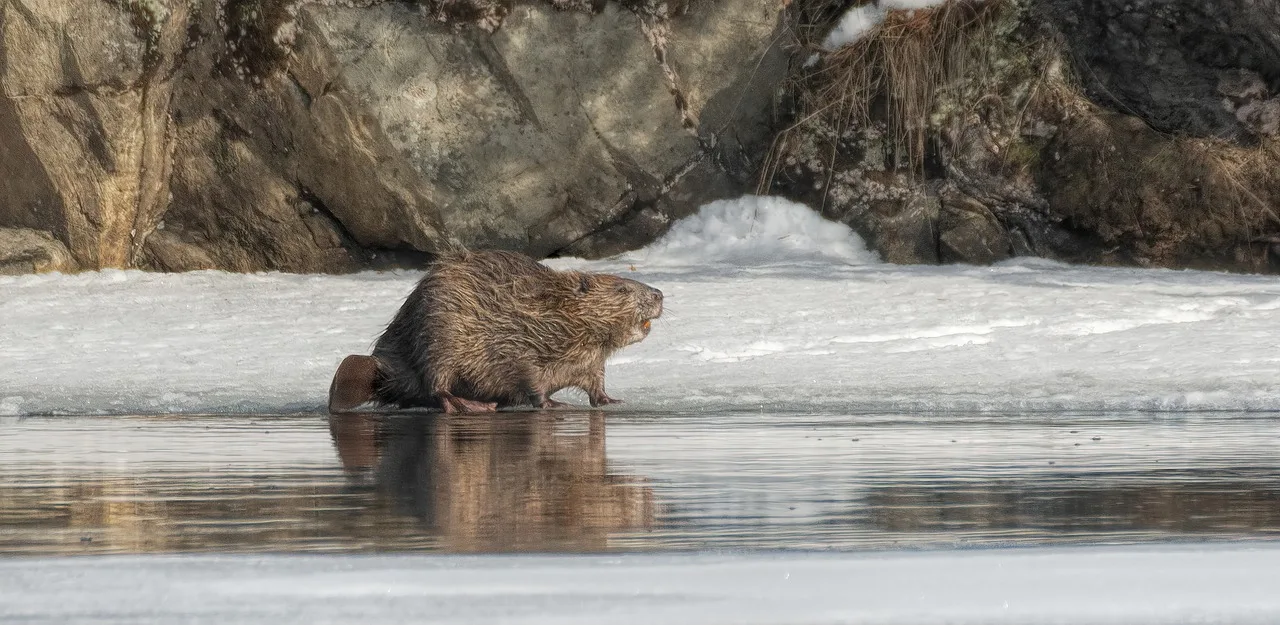

Çekim Tablosu
Belirtme (-i)su samurunu
Çoğul (-ler)su samurları
Tanım
•isim, hayvan bilimi: Sansargillerden, tüyleri koyu kahverengi, iyi yüzen, kürkü beğenilen, küçük bir tür hayvan; lutr (Lutra)
Diğer Dillerde
otter
çekim: çoğul Ottern · tamlayan Otters
eş: Lutrinae
köken: From Middle High German otter, from Old High German ottar, from Proto-West Germanic *otr.
aile: otterartig, Otterart, Otterfell
Wie zog sich der Fischotter, hier zu leben verwaltet! — Su samuru, burada yaşamak için nasıl yönettiğini emekli!
Fransızcaloutre (dişil) /lutʁ/
otter
çekim: çoğul loutres
köken: Inherited from Old French lutre, from Latin lutra. In Old French, there were variants leurre (which is the normal phonetic result) and loirre (from a Vulgar Latin form *lutria, influenced by Ancient Greek ἔνυδρις (énudris); cf. Occitan luria, Catalan llúdria, Spanish lutria, nutria). The standard modern form loutre probably maintained the -t- due to influence from Frankish and Germanic (compare…
aile: loutre commune, loutre de mer, loutre d'Europe, loutre européenne
Comment se retira de la loutre parvient à vivre ici! — Su samuru, burada yaşamak için nasıl yönettiğini emekli!
Variante de nutria.
eş: lutria
¿Cómo se retiró el lobo se las arregla para vivir aquí! — Su samuru, burada yaşamak için nasıl yönettiğini emekli!
İtalyancalontra, nero, zibellina (dişil) /ˈlon.tra/
otter
çekim: çoğul lontre
köken: From a Vulgar Latin variant of Latin lutra.
Come in pensione la lontra riesce a vivere qui! — Su samuru, burada yaşamak için nasıl yönettiğini emekli!
Rusçaзоол. выдра (Lutra)
Как отставке выдра удается здесь жить! — Su samuru, burada yaşamak için nasıl yönettiğini emekli!
كيف تدير قضاعة المتقاعدين للعيش هنا! انه ينمو ليكون بطول أربعة أقدام ، كما كبيرة بوصفه — Su samuru, burada yaşamak için nasıl yönettiğini emekli!
Farsçaسمور, سمور آبی /sa.ˈmoːr/
sable
köken: From Middle Persian smwl (*samōr); see there for further information.
aile: سمور آبی
Azericeçay samuru, samur
otter
çekim: çoğul çay samurları · tamlayan çay samurunun
köken: Izafet II compound of çay (“river”) + samur (“sable”).
sable, Martes zibellina
çekim: çoğul бұлғындар · tamlayan бұлғынның
köken: Cognate with Daur baleg, East Yugur balaghan, Kalmyk булһн (bulğn), Mongolian: булга (bulga).
Özbekçequnduz
beaver
çekim: çoğul qunduzlar · tamlayan qunduzning
köken: From Proto-Turkic *kunduŕ. See Bashkir ҡондоҙ (qondoź) for more cognates.
Tatarcaкеш
sable
çekim: çoğul кешләр · tamlayan кешнең
köken: From Proto-Turkic *kīĺ. Cognate to Bashkir кеш (keş), etc.
Felemenkçeotter, sabel, sabeldier, sabelmarter, zwart (eril) /ˈɔ.tər/
Any otter. · European otter, Lutra lutra
çekim: çoğul otters
eş: visotter
köken: From Middle Dutch otter, from Old Dutch *ottar, from Proto-West Germanic *otr.
aile: visotter, zeeotter
Hoe trok de otter slaagt om hier te wonen! — Su samuru, burada yaşamak için nasıl yönettiğini emekli!
Portekizcesaibro, zibelina (eril) /ˈsaj.bɾu/
a mixture of sand and clay used in construction · thick sand with pebbles · clay (crushed stone or bricks used as the surface of the court)
çekim: çoğul saibros
köken: From Latin sabulum.
Como aposentado a lontra consegue viver aqui! — Su samuru, burada yaşamak için nasıl yönettiğini emekli!
Yunancaβίδρα (dişil)
otter
çekim: çoğul βίδρες · tamlayan βίδρας
köken: From a Slavic language, from Proto-Slavic *vydra, from Proto-Indo-European *údreh₂. Doublet of Ύδρα (Ýdra) and ύδρα (ýdra).
Πώς αποσύρθηκε η βίδρα καταφέρνει να ζει εδώ! — Su samuru, burada yaşamak için nasıl yönettiğini emekli!
かわうその学術的表記。
おそらく、どんな人間が彼の一見を得ることなく、小さな男の子、。 — Su samuru, burada yaşamak için nasıl yönettiğini emekli!
sable, Martes zibellina.
köken: From 검은 (geomeun, “to be black”, adjective form of 검다 (geomda)) + 담비 (dambi, “yellow-throated marten”).
the 수달 여기 살고 관리하는 방법 은퇴! 그는처럼 큰 길이 4 피트로 성장 — Su samuru, burada yaşamak için nasıl yönettiğini emekli!
İsveççesobel, sobelpäls, svart, utter /¹svart/
black (color/colour) · black (of a person) · done without legal permission; illegal
çekim: karşılaştırma svartare · üstünlük svartast
zıt: vit
köken: From Old Swedish svarter, from Old Norse svartr, from Proto-Germanic *swartaz (“black, dark-coloured”), from Proto-Indo-European *swordo- (“dirty, dark, black”). Cognate with Dutch zwart, English swart, German schwarz, Icelandic svartur and Danish sort. Related to Latin sordes (“dirt”), sordere (“to be dirty”).
aile: svartbygge, svart magi, svarttaxi
Hur pensionerad uttern klarar att bo här! — Su samuru, burada yaşamak için nasıl yönettiğini emekli!
black (the darkest color) · black (unlit and dark) · black; dark (standing out from the lighter background with its dark color)
çekim: karşılaştırma czarniejszy · üstünlük najczarniejszy
eş: bezprawny, nieoficjalny, szemrany, zabroniony, zakazany
zıt: różowy, jasny
köken: Etymology tree Proto-Indo-European *(s)ker- Proto-Indo-European *kers- Proto-Indo-European *-nós Proto-Indo-European *kr̥snós Proto-Balto-Slavic *kiršnas Proto-Slavic *čь̀rnъ Old Polish czarny Polish czarny Inherited from Old Polish czarny.
aile: carnowrony, czarniawy, czarnobrewy, czarnobrody, czarnobéstry, czarnograniaty, czarnołapy, czarnonogi, czarnooki, czarnostopy
Jak na emeryturę wydra zarządza tu żyć! — Su samuru, burada yaşamak için nasıl yönettiğini emekli!
Ukraynacaви́дра
Як відставку видра вдається тут жити! — Su samuru, burada yaşamak için nasıl yönettiğini emekli!
otter · beaver
çekim: çoğul ऊदों
köken: Etymology tree Proto-Indo-European *wed- Proto-Indo-European *-rós Proto-Indo-European *udrós Proto-Indo-Iranian *udrás Sanskrit उद्र (udra) Prakrit 𑀉𑀤𑁆𑀤 (udda) Hindi ऊद Inherited from Sauraseni Prakrit उद्द (udda), from Sanskrit उद्र (udrá), ultimately from Proto-Indo-European *udrós (“otter”). Doublet of उद्र (udra), a tatsama. Cognate with Russian вы́дра (výdra) and Old English otor (whence…
Finceapina, musta, saukko, soopeli, soopelinnahka /ˈɑpinɑ/
simian (ape, monkey or human; animal belonging to the infraorder Simiiformes within the order Primates) · monkey (any nonhuman simian primate) · ape (uncivilized person)
çekim: çoğul apinat · tamlayan apinan
köken: Borrowed from Late Old Swedish apina, apinia (compare Swedish apinja), from Old Norse apynja (“female monkey”). Compare Old Norse api.
aile: apinamainen, apinoida, alkuapina, alleninsuoapina, apinaihminen, apinalaatikko, apinankukka, apinanleipäpuu, apinapinseri, apinarokko
Miten eläkkeellä saukko onnistuu asua täällä! — Su samuru, burada yaşamak için nasıl yönettiğini emekli!
Simpanssien tiedetään muodostavan laumoja ja metsästävän muita apinoita.
sable (mustelid)
aile: sobolí, sobolový, sobolice, sobolina, sobolík, sobolovina
Jak odešel vydra dokáže žít tady! — Su samuru, burada yaşamak için nasıl yönettiğini emekli!
Rumencelutră, neagră, negru, vidră, zibelină (dişil) /ˈlutrə/
otter (the mammal)
çekim: çoğul lutre · tamlayan lutre
köken: Borrowed from French loutre, Latin lŭtra, from Proto-Indo-European *údreh₂. Doublet of vidră.
Cum sa retras vidra reuşeşte să trăiască aici! — Su samuru, burada yaşamak için nasıl yönettiğini emekli!
Macarcacoboly, cobolyprém, fekete, feketébe hajló sötétbarna, vidra /ˈt͡soboj/
sable (a small mammal, Martes zibellina)
çekim: çoğul cobolyok
köken: A wanderword, arrived to Hungarian via Russian соболь (sobolʹ). Compare German Zobel, Medieval Latin sabelum.
Hogyan vonult a vidra sikerül itt élni! — Su samuru, burada yaşamak için nasıl yönettiğini emekli!
İbraniceכֶּלֶב נָהָר, לוּטְרָה
איך בדימוס לוטרה מצליח לחיות כאן! הוא גדל להיות ארבע רגליים ארוכות, גדולות כמו — Su samuru, burada yaşamak için nasıl yönettiğini emekli!
Latincelutra, mus silvestris /ˈɫʊ.tra/
an otter
çekim: çoğul lutrae · tamlayan lutrae
köken: Etymology tree Proto-Indo-European *wed- Proto-Indo-European *-rós Proto-Indo-European *udr-eh₂ Latin lutra From Proto-Indo-European *udr-eh₂, the feminine noun of *udrós (“sea animal, otter”, literally “of water”). The l- was likely introduced by analogy of some other word, such as lavō (“to wash”), lūdō (“to play”), lupus (“wolf”) or lutum (“mud, dirt”). See § descendants notes for information…
aile: lutrārius, lutrīnus
otter, Lutra lutra · indefinite plural of odde
çekim: çoğul oddere · tamlayan odders
köken: From Old Norse otr (“otter”), from Proto-Germanic *utraz, from Proto-Indo-European *udrós (“aquatic, water-animal”), from Proto-Indo-European *wed- (“water”). Cognates are Faroese otur, Icelandic otur, Norwegian Bokmål oter and Swedish utter. Compare Dutch otter and German Otter.
Hendes patronus er en odder, hvilket også er forfatteren J.K. Rowling's yndlingsdyr. — Patronusu su samurudur (J.K. Rowling'in favori hayvanı).
Norveççeoter
Etimoloji
Inherited from Ottoman Turkish صو سموری (su samuru, “otter”), equivalent to su (“water”) + samur (“sable”).
Kelime Ailesi
Eş & Zıt Anlamlılar
Örnek Cümleler
Su samuru nehirde oynuyordu.
The otter was playing in the river.
Su samuru, burada yaşamak için nasıl yönettiğini emekli!
How retired the otter manages to live here!
Yaygın yırtıcılar samur, ermin, çakal, su samuru ve porsuktur.
The common predators are the sable, ermine, weasel, otter, and the wolverine.
Avrasya su samuru Gürcistan'ın Kırmızı Listesine dahil edilmiştir.
Eurasian otter is included in the Red List of Georgia.
Dev su samuru gündüzcül bir türdür, yalnızca gündüz saatlerinde aktiftir.
The giant otter is diurnal, being active exclusively during daylight hours.
Altın köstebekler, su samuru sivri fareleri ve tenrekler bu kladın bir parçasıdır.
The golden moles, otter shrews and tenrecs are part of this clade.