Sözlük
/sandal
sandal
"sandal" kelimesinin İngilizcesi: sandal, boating, sandal, shallop, boat. Anlamı, çevirisi, telaffuzu ve örnek cümleler aşağıdadır.
Çeviri
Genelsandalnoun
Genelboating
Genelsandal
Genelshallop
Genelboat
Genelboat
Genelboat
Görsel
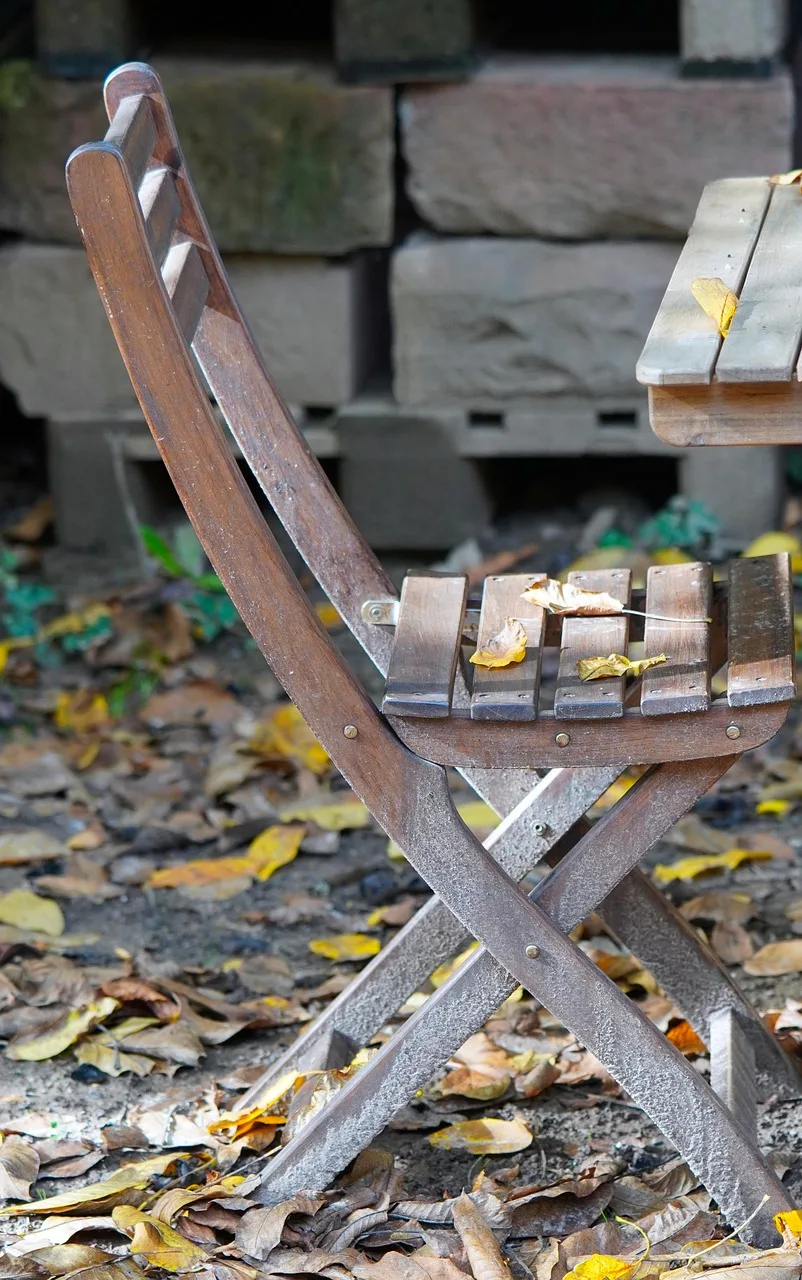


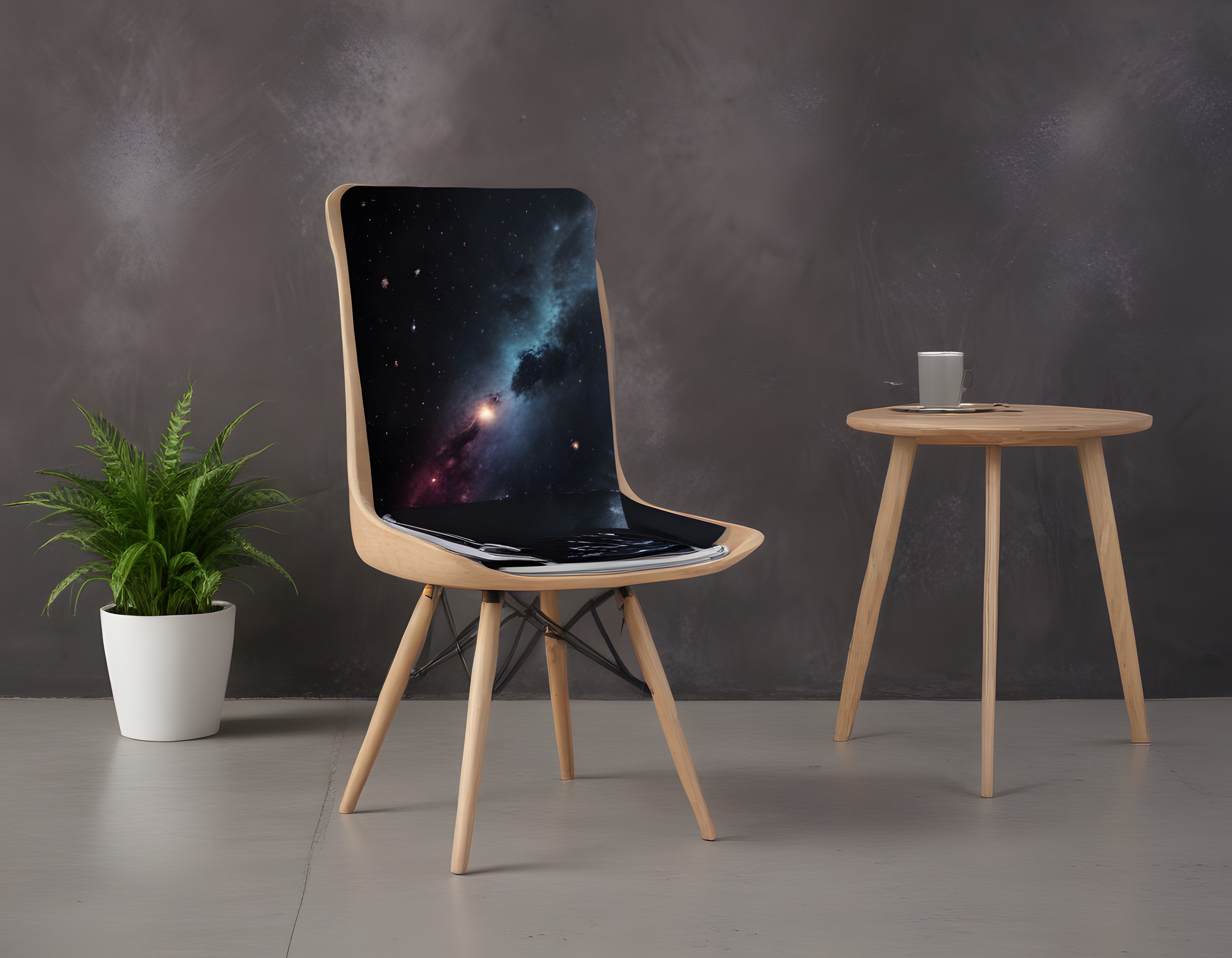
Çekim Tablosu
Belirtme (-i)sandalı
Yönelme (-e)sandala
Bulunma (-de)sandalda
Çıkma (-den)sandaldan
Tamlayan (-in)sandalın
Çoğul (-ler)sandallar
Tanım
•isim, bitki bilimi: Sandalgillerden, kerestesi sert ve kokulu bir ağaç (Santalum album)
•isim: İnsan taşıyacak biçimde yapılmış, kürekle hareket ettirilen deniz teknesi
•isim: sandalet
•isim, ağızlardan: Bir yolu pamuk, bir yolu ipekten dokunan, dallı ve benekli bir kumaş türü
Diğer Dillerde
Almancaboot (nötr) /boːt/
boat
çekim: çoğul Boote · tamlayan Bootes
eş: Barke, Kahn
köken: Via Middle Low German bōt, from Middle English bot (compare modern English boat).
Ich sitze auf einem Sitz. — Bir sandalyede oturuyorum.
zwei Stunden lieg ich hier schon und seh auf die Kiefern und in das Wasser hinein – auf meinem Boot ganz allein.
3 January 1994, “Namen und Nachrichten: 3 656 Kubaner flüchteten 1993”, Berliner Zeitung
Fransızcabateau, Espèce de chaussures très découverte, sandale, sandale (eril) /ba.to/
a vessel of any size, a ship or boat
çekim: çoğul bateaux
eş: bidon
köken: From Old French batel, Anglo-Norman bat, from Old English bāt (English boat) + suffix from Latin -ellus. It displaced the native word nef, which comes from Latin navis.
aile: bateau à vapeur, bateau de plaisance, bateau pilote, bateau-mouche, être dans le même bateau, mener en bateau
Le Fauteuil à roulettes. — Tekerlekli sandalyededir.
İspanyolcabarca, barco, barquear, bote (dişil) /ˈbaɾka/
a small boat
çekim: çoğul barcas
eş: almadía, batel, bote, embarcación, lancha, barcaje
köken: Inherited from Old Spanish barca, from Late Latin barca, probably from Latin baris, from Ancient Greek βᾶρις (bâris), itself probably from Egyptian bꜣjr (“transport ship, type of fish”), b-bA-A-y:r*Z1-P1
aile: barco, barquía, embarcación, embarcar, puente de barcas
Esta es mi silla. — Bu benim sandalyem.
boat · dinghy
çekim: çoğul battelli
köken: Borrowed from Old French batel. Compare Spanish, Galician, and Portuguese batel.
aile: battelliere, battello pneumatico, battello di salvataggio
Quella è una sedia. — O bir sandalyedir.
Rusçaлодка, сандаловое дерево (dişil) /ˈɫotkə/
boat, dinghy, gig, yawl (a small vessel, often propelled by oars or paddles)
çekim: çoğul ло́дки · tamlayan ло́дки
köken: Inherited from Old East Slavic лодъка (lodŭka), diminutive of лодья (lodĭja), from Proto-Slavic *oldī.
Этот стул лёгкий. — Bu sandalye hafif.
felucca
çekim: çoğul فَلَائِك · tamlayan فَلُوكَةٍ
köken: From فُلْك m or f or pl (fulk, “ship”), deformed in the dialects due to its irregular noun class.
شجرة. كرسي. فتاة. — Ağaç. Sandalye. Kız.
Azericeqayıq
boat
çekim: çoğul qayıqlar · tamlayan qayığın
köken: From Proto-Common Turkic *kay-guk, *kay-gïk (“boat; oar”).
yelkənli qayıq
Kazakçaқайық /qɑjˈɯq/
boat · shuttle
çekim: çoğul қайықтар · tamlayan қайықтың
köken: From Proto-Turkic *kay-guk, *kay-gïk (“boat; oar”).
Özbekçeqayiq
boat
çekim: çoğul qayiqlar
köken: Inherited from Proto-Common Turkic *kay-guk, *kay-gïk. Compare Azerbaijani qayıq.
Tatarcaкөймә
boat
köken: Inherited from Proto-Turkic *gẹ̄mi (“boat, vessel”).
Ялгыз көймә бөтерелә / Һәм чайкала Иделдә.
Агыйделдә көймә килә / көймә килә, эзе юк / хаты килә, сүзе килә / сөйләшергә үзе юк
boat
çekim: çoğul boten
köken: From Middle Dutch boot m, from Middle English bot (“boat, ship”), from Old English bāt, from Proto-West Germanic *bait, from Proto-Germanic *baitaz.
aile: boothuis, bootlengte, bootongeluk, bootreis, bootsgezel, bootshaak, bootsmaat, bootsman, boottocht, bootverbinding
De kapel verviel. — Sandalye parçalanır.
We gaan dit weekend varen op onze nieuwe boot.
De vissers gebruikten hun kleine bootjes om de zee op te gaan.
Het eiland is alleen bereikbaar per boot of per helikopter.
small boat or launch, dinghy
çekim: çoğul βάρκες · tamlayan βάρκας
eş: λέμβος
köken: Inherited from Byzantine Greek βάρκα (bárka) attested in the 6ᵗʰ century (John the Lydian), a medieval αντιδάνειο n (antidáneio, “repatriated loanword”) from Late Latin barca, from Vulgar Latin *bārica, from Latin bāris (“Egyptian shallow wide flat-bottomed river boat”), from Ancient Greek βᾶρις (bâris), from Demotic Egyptian br, from Egyptian bꜣjr, further origin uncertain.
Κάθομαι σε μια καρέκλα. — Bir sandalyede oturuyorum.
İsveççebåt /boː(ə)t/
a boat
çekim: çoğul båtar · tamlayan båts
köken: From Old Swedish bāter, from Old Norse bátr, from Old English bāt (“boat”), from Proto-West Germanic *bait.
aile: aluminiumbåt, bananbåt, båtben, båtbesättning, båtbotten, båtbranschen, båtbrygga, båtburen, båtbyggare, båtbyggeri
3 stolar, och jag har 7 personer. — 3 sandalye ve 7 kişi olsun.
Hon bör sitta i båten.
full
çekim: çoğul fule · tamlayan fulu
eş: język ful, fula, fulani, fulfulde
köken: Borrowed from English full. Doublet of pełny and plenum.
Stolicą jest Skrunda. — Sandalye parçalanır.
boat, ship · castle or rook
çekim: çoğul कश्तियाँ
köken: Borrowed from Classical Persian کشتی (kaštī, kištī). Compare Bengali কিস্তী (kisti), Punjabi ਕਸ਼ਤੀ (kaśtī).
Fincetäpö, vene, veneillä, veneily, venemuoto /ˈtæpø/
An intensifier, see täpötäysi, täpötäyteen.
çekim: çoğul täpöt · tamlayan täpön
köken: See täpötäysi.
aile: täpösen
Pyörätuolit Respecta. — Tekerlekli sandalyededir.
boat
çekim: çoğul čluny · tamlayan člunu
köken: Inherited from Proto-Slavic *čьlnъ.
Sedím na židli. — Bir sandalyede oturuyorum.
boat (watercraft)
çekim: çoğul bărci · tamlayan bărci
köken: Probably borrowed from Italian barca (perhaps partly through a Balkan or eastern intermediate; cf. Greek βάρκα (várka), Turkish barka), from Late Latin barca.
Al cui e scaunul? — Sandalye kimin?
Macarcacsónak /ˈt͡ʃoːnɒk/
boat
çekim: çoğul csónakok
köken: Borrowed from a Slavic language, from Proto-Slavic *čьlnъ.
aile: csónakázik, csónakos, csónakház, gumicsónak, mentőcsónak, motorcsónak, egy csónakban evez
Ez a szék nem kényelmes. — Bu sandalye rahat değil.
İbraniceסִירָה
עץ, כסא, בחורה. — Ağaç. Sandalye. Kız.
Latincenavis (dişil) /ˈnaː.wɪs/
ship, boat, vessel; a fleet in the plural · nave (middle or body of a church)
çekim: çoğul nāvēs · tamlayan nāvis
köken: From Proto-Italic *naus ~ *nāwis, from Proto-Indo-European *néh₂us, cognate with Ancient Greek ναῦς (naûs, “ship”), Armenian նավ (nav, “ship or boat”), Persian ناو (nâv), and Sanskrit नौ (nau, “ship”).
aile: nāvālis, nāvia, nāvicella, nāvicula, nāviculāris, nāviculārius, nāviculor, nāvifragus, nāvigābilis, nāvigātiō
Iam validam Īlioneī nāvem, iam fortis Achātī, et quā vectus Abās, et quā grandaevus Alētēs,
Nāvis, quae in flūmine magna est, in marī parvula est.
boat
çekim: çoğul både · tamlayan båds
köken: From Old Danish baat, from Old Norse bátr, from Old English bāt (“boat”), from Proto-Germanic *baitaz, from Proto-Indo-European *bʰeyd-.
aile: bugserbåd, båddæk, bådebygger, bådejer, bådfører, bådmotor, bådshage, bådtype, citronbåd, flyvebåd
Det er under stolen. — O, sandalyenin altında.
Norveççefarkost
Hun bruker rullestol. — Tekerlekli sandalyededir.
Etimoloji
Arapça صَنْدَل ṣandal
Eş & Zıt Anlamlılar
Örnek Cümleler
Bu bir sandalye.
This is a chair.
Bir sandalye çek.
Pull up a chair.
Bu sandalye hafif.
This chair is light.
Sandalyemden kalk.
Get out of my chair.
Bu sandalye kırık.
This chair is broken.
Sandalye çok küçük.
The chair is too small.
Sandalye onarılamaz.
The chair can't be fixed.
Sandalye onarılmalı.
The chair needs to be repaired.
Bu sandalye plastik.
This chair is plastic.
Sandalyeme yaslanma.
Don't lean on my chair.
O, sandalyede oturdu.
He sat in the chair.
Sandalyemiz bitebilir.
We may be short of chairs.
İlgili Sorular
Ohio'nun kuzeydoğu bölgesinde tekerlekli sandalye ile erişilebilen av pistleri var mı?
Collins International Co. Ltd. firmasının ofis sandalyesiyle ilgili detaylar nereden bulunur?
Titanic hakkında bilgi tazelemek istiyorum, aşağıdaki soruları yanıtlayabilir misiniz? (1) Titanic'in tamamen batış zamanı kesin olarak ne zaman? (15 Nisan 1912, 02:20 olduğunu düşünüyorum, doğru mu?) (2) Batma noktasının enlem ve boylamı nedir? (3) Çarpışma anındaki buzdağının enlem ve boylamı nedir? (4) Buzdağı ile çarpışma ne zaman gerçekleşti? (14 Nisan 1912, 23:40 olduğunu hatırlıyorum, doğru mu?) (5) Toplam kaç cankurtaran sandalığı bulunuyordu? (6) Bu sandalyaların kapasitesi kaç kişiydi? (7) RMS Titanic'te görev yapan müzisyenlerin isimleri nelerdir?
Ülkemizde bölünmelere neden olan, açık burunlu, rahat sandal giyen gençlik grubu nedir?
Masa yüksekliği düşük, sandalye yüksekliği ise çok yüksek olduğu için sürekli öne eğilerek oturuyorum ve sırtım ağrıyor. Bu normal bir durum mu?
İlgili / Bileşik Terimler
Genelsantalum album
Birleşik Kelimeler
sandal ağacı