Sözlük
/makina
makina
noun
C2 seviye
TR → EN
"makina" kelimesinin İngilizcesi: engine, machine, motor. Anlamı, çevirisi, telaffuzu ve örnek cümleler aşağıdadır.
Çeviri
Genelengine
Genelmachine
Genelmotor
Görsel
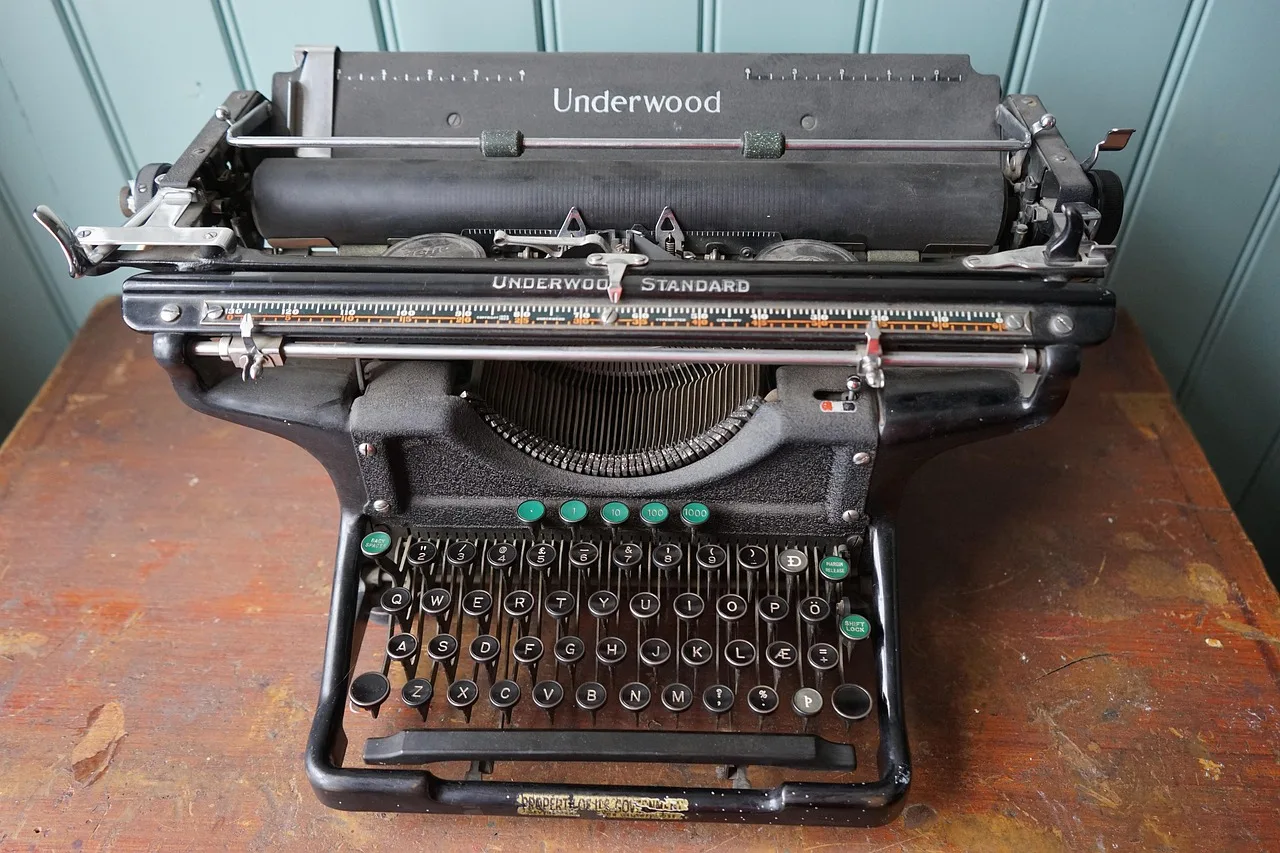
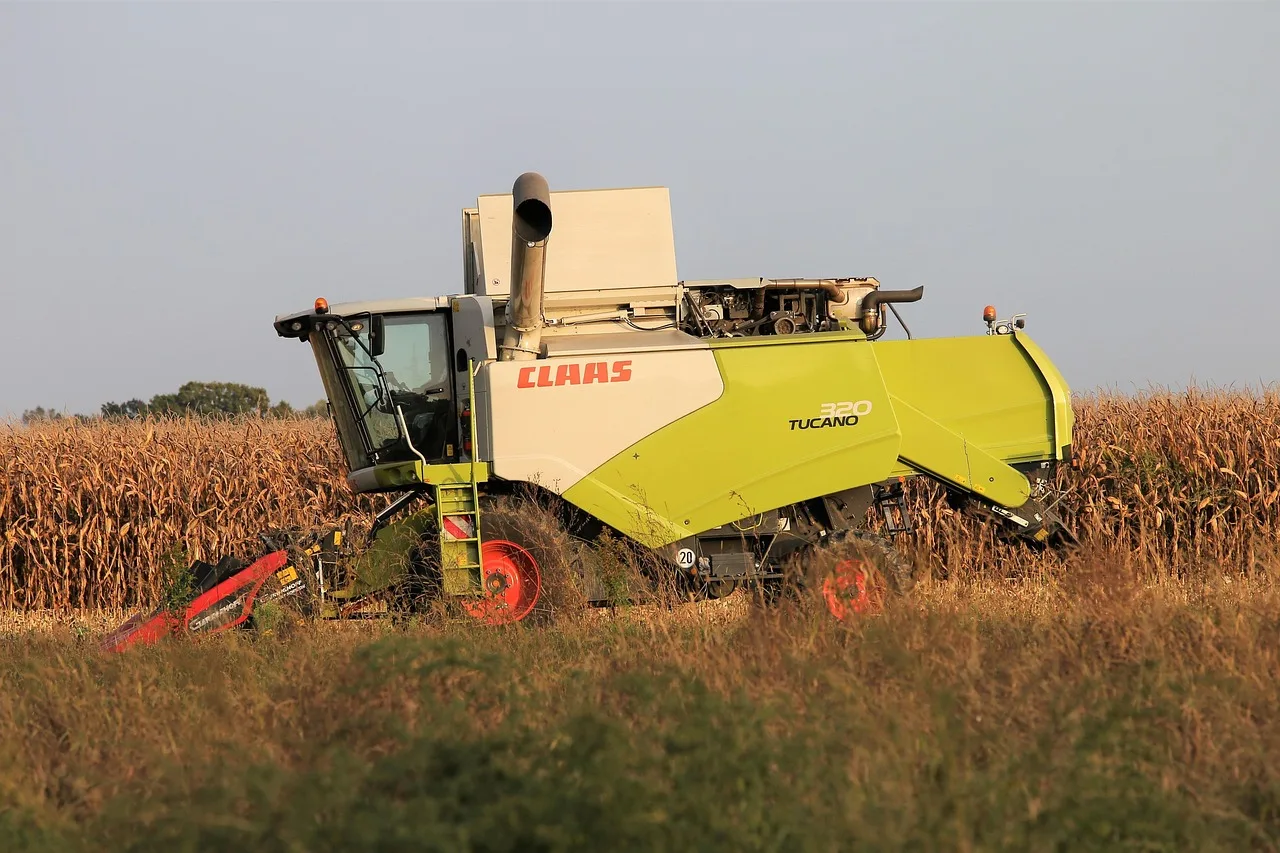
Çekim Tablosu
Belirtme (-i)makinayı
Yönelme (-e)makinaya
Bulunma (-de)makinada
Çıkma (-den)makinadan
Tamlayan (-in)makinanın
Çoğul (-ler)makinalar
Tanım
•isim: 343 makine
Diğer Dillerde
Almancakraftmaschine, maschine
Maschine, die verschiedene Energieformen wie Wasserenergie, Windenergie oder Wärmeenergie, in Antriebskraft (mechanische Energie) umwandelt
eş: Energiemaschine
Abzulehnende Rechner: — Makina reddi:
machine, device · machine (combination of persons acting together for a common purpose, with the agencies which they use) · engine
çekim: çoğul machines
eş: engin, système, dispositif
köken: Inherited from Middle French machine, borrowed from Latin machina (“a machine, engine, contrivance, device, stratagem, trick”), itself a borrowing from Doric Ancient Greek μᾱχᾰνᾱ́ (mākhănā́). Not to be confused with machin, which means "thing".
aile: code machine, faire une machine, langage machine, machine à boule, machine à café, machine à coudre, machine à écrire, machine à explorer le temps, machine à laver, machine à plastifier
Portail de la linguistique — Makina dili
la machine bureaucratique
faire machine arrière
machine à vapeur
İspanyolcacoche, máquina, mecanizar (eril) /ˈkot͡ʃe/
car, automobile · carriage, coach (a wheeled vehicle, generally drawn by horse power) · car (a passenger-carrying unit in a subway or elevated train)
çekim: çoğul coches
eş: auto, automóvil, carro, vagón, carro, vagón
köken: Borrowed from Middle French coche, from German Kutsche, from Hungarian kocsi, in reference to Kocs, a village in Hungary where the first horse-drawn vehicles with an innovative suspension system were manufactured in the 15th century. Doublet of coach.
aile: aparcacoches, coche bomba, coche de bomberos, coche de camino, coche de colleras, coche de estribos, coche de línea, coche de niño, coche de rúa, coche guagua
La carreta lingüística. — Makina dili
Mi coche tiene una avería.
İtalyancamacchina, meccanismo, motore (dişil) /ˈmak.ki.na/
machine · car, motorcar
çekim: çoğul macchine
eş: apparecchiatura, apparecchio, arnese, congegno, dispositivo, impianto
köken: Borrowed from Latin machina (“engine, device, mill”), from Ancient Greek μαχανά (makhaná). Compare the inherited doublet macina (“grindstone”).
Host negati: — Makina reddi:
Rusçaавтомоби́ль, аппара́т, дви́гатель, движо́к, маши́на, маши́нка
Запрещённые хосты: — Makina reddi:
Arapçaآلَة, مَاكِينَة, مُحَرِّك, مُوتُور
المستضيفين امنع: — Makina reddi:
Farsçaماشین /maː.ˈʃiːn/
machine
çekim: çoğul ماشینها
köken: Borrowed from French machine.
aile: ماشین رختشویی, ماشین لباسشویی, ماشینی
بر طبیعت دیو ماشین چیرہ نیست آسمانہا از دخانھا تیرہ نیست
Azericemaşın, motor, mühərrik /mɑˈʃɯn/
machine
çekim: çoğul maşınlar · tamlayan maşının
köken: Ultimately from French machine.
maşına minmək
Özbekçedvigatel, mashina
machine (mechanical or electrical device)
çekim: çoğul mashinalar · tamlayan mashinaning
köken: Borrowed from Russian маши́на (mašína), from German Maschine (“machine, engine”), from French machine, from Latin māchina. Ultimately from Ancient Greek μαχανά (makhaná, “machine, tool”).
aile: kir yuvish mashinasi
Tatarcaйөрткеч
Felemenkçeaandrijving, apparaat, automobiel (dişil)
propulsion
çekim: çoğul aandrijvingen
köken: From aandrijven + -ing.
aile: achterwielaandrijving, gasaandrijving, handaandrijving, kernaandrijving, kettingaandrijving, motoraandrijving, raketaandrijving, riemaandrijving, stoomaandrijving, vierwielaandrijving
Een fax. — Bu bir fax makinasi.
Portekizceautomóvel (eril) /aw.toˈmɔ.vew/
automobile (any vehicle that moves on the ground using its own power)
çekim: çoğul automóveis
köken: From auto- + móvel.
Línguas kainji — Makina dili
Yunancaεπεξεργάζομαι μηχανικά, κινητήρας, μηχανή, μηχάνημα, μηχανισμός (eril)
engine, motor
çekim: çoğul κινητήρες · tamlayan κινητήρα
eş: κινητήρια μηχανή, μοτέρ
köken: From κινώ (kinó, “move”) + -τήρας (-tíras, agent noun-suffix)
& Απαγόρευση υπολογιστών: — Makina reddi:
engine (mechanical device) · engine (system)
köken: Borrowed from English engine.
の登場マシン — Dönme Makinası.
検索エンジン
ゲームエンジン
machine; machinery
köken: Sino-Korean word from 機械, from 機 (“machine”) + 械 (“equipment”)
aile: 기계적, 기계화
기계 유씨 — Dönme Makinası.
미래에는 기계가 인간의 출산을 대체할 수도 있지 않을까?
İsveççemaskin /maˈɧiːn/
machine
çekim: çoğul maskiner · tamlayan maskins
köken: From French machine, from Latin machina, from Ancient Greek μαχανά (makhaná).
aile: allroundmaskin, anläggningsmaskin, arbetsmaskin, avverkningsmaskin, bakmaskin, bandmaskin, barkmaskin, bettelmaskin, biljettmaskin, blandningsmaskin
De är jättelika maskiner. — Bunlar devasa makinalar.
Lehçeaparat, maszyna, mechanizm, silnik, urządzenie, ustrojstwo (eril) /aˈpa.rat/
apparatus (device with some function) · mobile phone, handset · device (tool that helps someone with a defect or after a disease)
çekim: çoğul aparaty · tamlayan aparatu
köken: Etymology tree Latin apparātuslbor. Polish aparat Learned borrowing from Latin apparātus. First attested in 1549.
Maszyna zmian. — Dönme Makinası.
aparat słuchowy
Ukraynacaдвигу́н
Машинобудування. — Dönme Makinası.
engine · locomotive, railway engine
çekim: çoğul इंजनों
köken: Borrowed from English engine.
Finceautomobiili, kone, koneistaa, koneisto, moottori, työstää /ˈɑu̯toˌmobiːli/
automobile, car
çekim: çoğul automobiilit · tamlayan automobiilin
köken: Borrowed from French automobile.
aile: auto
Moottoritehdas. — Dönme Makinası.
machine · engine, locomotive
çekim: çoğul mašiny · tamlayan mašiny
köken: Derived from Ancient Greek μαχανά (makhaná).
aile: mašinka
Strojírenská příručka. — Dönme Makinası.
automobile
çekim: çoğul automobile · tamlayan automobilului
köken: Borrowed from French automobile, German Automobil. By surface analysis, auto- + mobil.
(Sunet de împuşcături) — (makinalı tüfek sesi)
Macarcaelőállít, gép, gyárt, masina, megmunkál, szerkezet /ˈɛløːaːlːiːt/
to produce, make, manufacture, turn out · to arrest (to take a person to the police station) · to present (a witness)
çekim: geçmiş előállítottak
köken: elő- + állít
aile: előállítás, előállítható, előállíttat
Nyelvészetportál — Makina dili
İbraniceמְכוֹנָה, מָנוֹעַ
מארחים & נדחים — Makina reddi:
Latincemāchina
Dancamaskine
machine (mechanical or electrical device) · engine (mechanical device)
çekim: çoğul maskiner · tamlayan maskines
köken: From Latin machina, from Ancient Greek μηχανή (mēkhanḗ, “contrivance, machine, device, gear”).
aile: flyvemaskine, maskiningeniør, maskinmester, vaskemaskine
Nægt & vært: — Makina reddi:
Norveççemaskinere
kan ikke bestemme vertsnavnet — makina ismi saptanamadı
Eş & Zıt Anlamlılar
Eş anlamlılar
Örnek Cümleler
Makina Eğitimi.
Motor training.
Dönme Makinası.
Way Back Machine.
ATM makinaları.
"ATM machines".
Tarım makinaları
Farm equipment
Mühendis ve Makina.
The Engineer and machinist.
Bu bir fax makinasi.
It's a fax machine.
(makinalı tüfek sesi)
(Machine gun fire)
Makina Kimlik Numarası
CPU Clock
Makina yuvası (Nacelle)
Nacelle
"Makinalar çalışmalıdır.
"The Machine Works".
Hesap makinasını açayım.
And let me do that, because I think that will be interesting.
Bu bir anestezi makinasi
Now, have a look at that.
İlgili Sorular
Al-Zarqawi'nin makinalı tüfekle ilgili video klibinde hangi silahı kullandığını biliyor musunuz?
Eli Whitney pamuklu makinayı yarattı, başka hangi icadı bulunuyor?
Sub makinalı tüfek yerine Bobo palyaçonun su tabancasını aldım galiba, bu durumda ne yapmam gerekir?
Al-Zarqawi'nin yeni videosunda makinalı tüfekle yaşadığı zorlukları gördünüz mü? Hangi silahı kullandığını söyleyebilir misiniz?
Sub makinalı tüfeğim, Bobo palyaçonun süper su tabancasıyla karıştıysa ne yapmalıyım?