Sözlük
/liman
liman
"liman" kelimesinin İngilizcesi: port, haven, harbor, anchorage, harbor, (ing.) harbour. Anlamı, çevirisi, telaffuzu ve örnek cümleler aşağıdadır.
Çeviri
Genelportnoun
Genelhavennoun
Genelharbornoun
Genelanchorage
Genelharbor, (ing.) harbour
Genelport
Genelport
Genelport
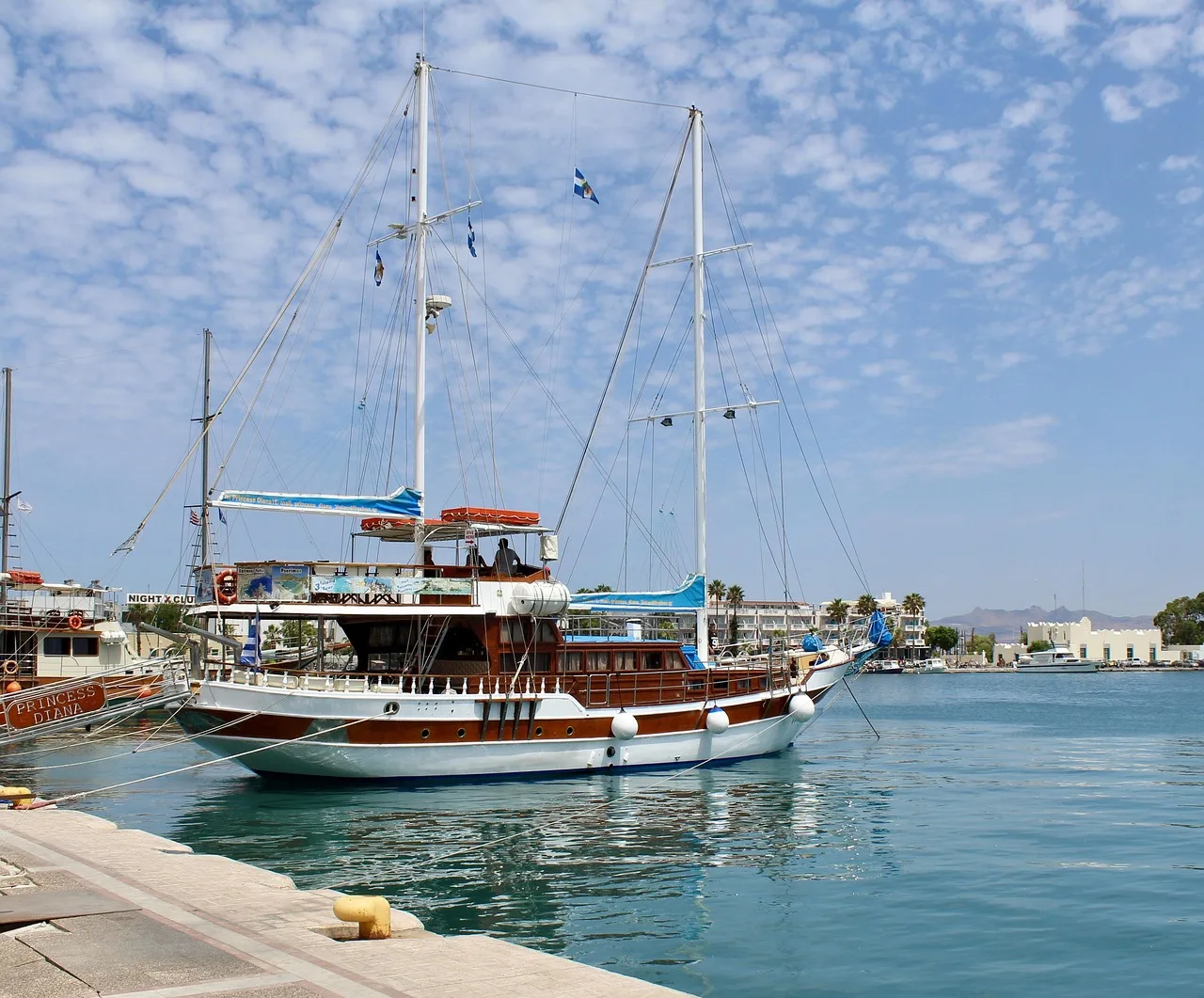
Görsel


Çekim Tablosu
Belirtme (-i)limanı
Yönelme (-e)limana
Bulunma (-de)limanda
Çıkma (-den)limandan
Tamlayan (-in)limanın
Çoğul (-ler)limanlar
Tanım
•isim, denizcilik: Gemilerin barınmalarına, yük alıp boşaltmalarına, yolcu indirip bindirmelerine yarayan doğal veya yapay sığınak
Diğer Dillerde
Almancahafen (eril) /ˈhaːfn̩/
harbour/harbor; port; haven
çekim: çoğul Häfen · tamlayan Hafens
eş: Anlegestelle, Port, Refugium, Unterschlupf, Topf
köken: From Middle Low German havene. The word was already borrowed into Middle High German habene; the modern form with -f- is a later adaptation once again based on the Middle Low German form. Ultimately from Proto-Germanic *habnō. Cognate to Dutch haven and English haven.
Informationen zum Flugplatz — Havalimanı bilgisi
FransızcaPort (eril) /pɔʁ/
port, harbour · port, harbour city · refuge
çekim: çoğul ports
köken: Inherited from Old French port, borrowed from Latin portus, from Proto-Italic *portus, from Proto-Indo-European *pértus (“crossing”), from *per- (“to go forth, to cross”).
aile: arriver à bon port, fille du port, frais de port, port d'attache, port de plaisance
Il existe un aérodrome. — Hava limanı vardır.
shelter, refuge · asylum (home) · asylum (political asylum)
çekim: çoğul asilos
köken: Borrowed from Latin asylum, from Ancient Greek ἄσυλον (ásulon).
aile: asilar, asilo de ancianos, asilo nocturno, asilo político, derecho de asilo
Autoridad Portuaria de Valencia. — Valletta Limanı.
port, larboard (left side of a ship)
çekim: çoğul babordi
eş: fianco sinistro, sinistra
Foto dell'aeroporto — Havalimanı Sitesi
Rusçaпорт; гавань
Параллельный порт. — Kuşadası limanı.
Farsçaبَنْدَر, بَنْدَرْگاه, بَنْدَرْگَاه, تبدیل کردن /tab.ˈdiːl kar.dan/
to change; to alter
çekim: geçmiş تبدیل کرد · ortaç تبدیل کرده · şimdiki تبدیل میکند · ulaç تبدیل کننده
پوندهام و به ریال ایرانی تبدیل کردم.
port, haven, harbor
çekim: çoğul limanlar · tamlayan limanın
köken: Ultimately from Byzantine Greek λιμένιον (liménion), from Ancient Greek λιμήν (limḗn).
aile: hava limanı
asylum, refuge
çekim: çoğul баспаналар · tamlayan баспананың
köken: From бас (bas, “head”) + пана (pana, “shelter”).
Özbekçebandargoh
Felemenkçehaven (dişil) /ˈɦaːvə(n)/
harbour · port
çekim: çoğul havens
köken: From Middle Dutch havene, from Old Dutch *havana, from Proto-West Germanic *habanu, from Proto-Germanic *habnō, *habanō.
aile: havenarbeider, havenbedrijf, havengebied, havengeld, havenhoofd, havenmeester, havenplaats, havenstad, havenwerker, havenwezen
Luchthaveninformatie — Havalimanı bilgisi
De schepen liggen veilig in de haven.
We namen een wandeling bij het kleine haventje na het diner.
Rotterdam heeft een van de grootste havens ter wereld.
Portekizceporto (eril) /ˈpoʁ.tu/
port; harbour (place on the coast at which ships can shelter or dock) · port (city containing such a place) · haven (place of safety)
çekim: çoğul portos
köken: From Old Galician-Portuguese porto, from Latin portus, from Proto-Italic *portus, from Proto-Indo-European *pértus (“crossing”).
aile: chegar a bom porto, levar a bom porto, Porto Acre, Porto Alegre, Porto Alegre do Norte, Porto Alegre do Piauí, Porto Alegre do Tocantins, Porto Amazonas, Porto Barreiro, Porto Belo
É preferível o mar".) — Bu liman güvenli.)
inflection of αριστερός (aristerós): · neuter nominative/accusative/vocative singular
port, a logical or physical construct into and from which data are transferred
köken: From English port.
port (left hand side of a vessel)
köken: Sino-Korean word from 左舷.
Coordinate term: 우현(右舷) (uhyeon)
a sanctuary, a haven, a refuge · a free city (various senses)
çekim: çoğul fristäder · tamlayan fristads
köken: fri + stad
Zeeland är säkert.) — Bu liman güvenli.)
Lehçebakbort, bakburta, konwertować, lewa burta, lewoburtowy, portwajn (eril) /ˈbaɡ.bɔrt/
alternative form of bakburta
çekim: çoğul bakborty · tamlayan bakbortu
köken: Etymology tree Low German Backbordbor. Polish bakbort Borrowed from Low German Backbord.
Stocznia w La Seyne. — La Spezia limanı.
Hintçeपोर्ट, पोर्ट करना, बंदरगाह (eril) /poːɾʈ/
port · port wine
çekim: çoğul पोर्टों
köken: Either borrowed from English port or from Portuguese porto.
Fincekantaa, liitin, paapuuri, paapuurin, portata, porttaaminen /ˈkɑntɑːˣ/
to carry, bear · to bear, (can) support · to wear (clothing)
çekim: geçmiş kantanut · şimdiki kantaisi · ulaç kantava
köken: From Proto-Finnic *kantadak (compare Estonian kandma), from Proto-Uralic *kanta- (compare Northern Sami guoddit, Erzya кандомс (kandoms), Eastern Mari кондеш (kondeš), Northern Mansi хӯнт (hūnt), Tundra Nenets ханась (xanasʹ°)). * (to wear (clothing)): Compare Swedish bära (“to bear, carry; to wear (clothing)”). * (to levy, cess (a tax)): Perhaps originally in the sense that those paying the tax…
aile: kannettava, kantamaton, kantava, kannake, kanne, kannike, kannin, kantaja, kantama, kantaminen
Jää kantaa jo auton.
Tytön huuto kantoi kauas.
Macarcakikötő, menedék, portói, portói bor, rév /ˈkikøtøː/
present participle of kiköt
çekim: çoğul kikötők
köken: kiköt + -ő (present-participle suffix)
aile: kikötőváros
port
çekim: çoğul נְמֵלִים
köken: At the time of the Babylonian Talmud, borrowed from Ancient Greek λιμήν (limḗn) with metathesis.
aile: נְמַל־תְּעוּפָה
Latinceportus /ˈpɔr.tʊs/
harbor, port · haven, refuge, asylum, retreat · warehouse
çekim: çoğul portūs · tamlayan portūs
köken: From Proto-Italic *portus, from Proto-Indo-European *pértus (“crossing”). Cognates include Northern Kurdish pir (“bridge”), Russian пере́ть (perétʹ, “push forward”), Old Norse fjǫrðr (“firth, fjord”) and Old English ford (English ford). See also porta.
aile: angiportus, Argōus Portus, importūnus, oportūnus, portitor, Portucale, Portūnus, portuōsus, Portus Magnus
venīmus in portum
Dancabagbord, fristed, havn, refugium, tilflugtssted /bavboːr/
backboard (left hand side of a vessel)
köken: From Old Norse bakborði. Also bag (“rear”) + bord (“board”), as the pilot was formerly located on the starboard and turned his back to the other side of the vessel.
Endonezcebandar, pelabuhan /ˈbandar/
harbour, port · coastal town
çekim: çoğul bandar-bandar
köken: Inherited from Malay bandar (“harbour, port”), from Persian بندر (bandar, “port, harbour”).
aile: perbandaran, bandar antariksa, bandar udara, syahbandar
Vietnamcacảng, chuyển, chuyển đổi, cổng, cửa tàu, mạn trái /kaːŋ˧˩/
port, harbor
köken: Sino-Vietnamese word from 港. Doublet of sông.
aile: bến cảng, cảng hàng không, Cảng Thơm, hải cảng, Hương Cảng, thương cảng
Etimoloji
Osmanlı Türkçesi لیمان (liman) sözcüğünden devralındı, Bizans Yunancası λιμένιον (liménion) sözcüğünden, Eski Yunanca λιμήν (limḗn) sözcüğünden, Ana Hint-Avrupa dili *léymō sözcüğünden.
Örnek Cümleler
Havalimanı bilgisi
Airport information
Bir kliman var mı?
Do you have an air conditioner?
Bir klimanız yok mu?
Don't you have an air conditioner?
Tekne limana açıldı.
The boat made for the harbor.
Gemiler limana vardı.
The ships reached port.
Serbest liman kuruldu
A free port was established.
Kız limana bakıyordu.
The girl was gazing at the dock.
Gemi şimdi limandadır.
The ship is now in the harbor.
Birçok yat limandadır.
Many yachts are in the harbor.
Liman bloke edilebilir.
The harbor can be blocked.
Uçak havalimanına indi.
The aircraft has landed at the airport.
Gemi limana demir attı.
The ship is at anchor in the harbor.
İlgili Sorular
Bush neden limanları başka ülkelere satmak istiyor?
Bush, liman yönetim şirketinin bir kısmının Birleşik Arap Emirlikleri'nden bir şirket tarafından alınmasına izin veren anlaşmayı zorlamakta haklı mı? Senato buna karşı yasalaştırırsa ve Bush vetoyu kullanırsa, Kongre bu vetoyu aşmalı mı?
ABD merkezli, limanlarımızı idare edebilecek şirketler mevcut mu? Eğer varsa, bu şirketler kimler?
Bush'un liman anlaşması konusundaki düşünceleriniz nedir?
Bush'un liman anlaşması hakkında fikirlerinizi paylaşır mısınız?
İlgili / Bileşik Terimler
Denizcilikharbormaster
Birleşik Kelimeler
liman cüzdanıliman reisiaçık limansütlimanboşaltma limanıyatak limanhavalimanıticaret limanıyat limanıyükleme limanı