Sözlük
/kuzgun
kuzgun
/kuzˈɡún/
noun
C2 seviye
TR → EN
"kuzgun" kelimesinin İngilizcesi: raven, raven, raven, raven. Anlamı, çevirisi, telaffuzu ve örnek cümleler aşağıdadır.
Çeviri
Genelravennoun
Genelraven
Genelraven
Genelraven
Görsel
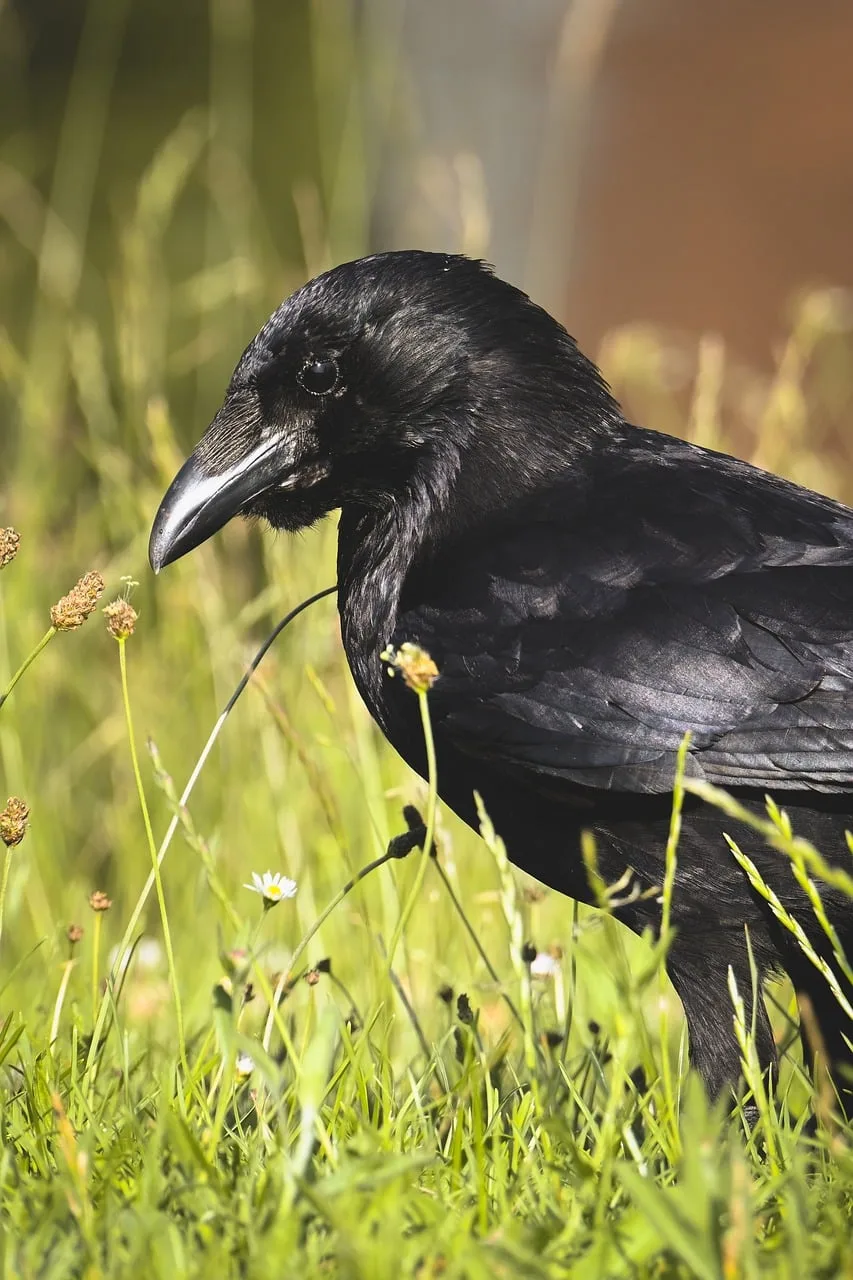
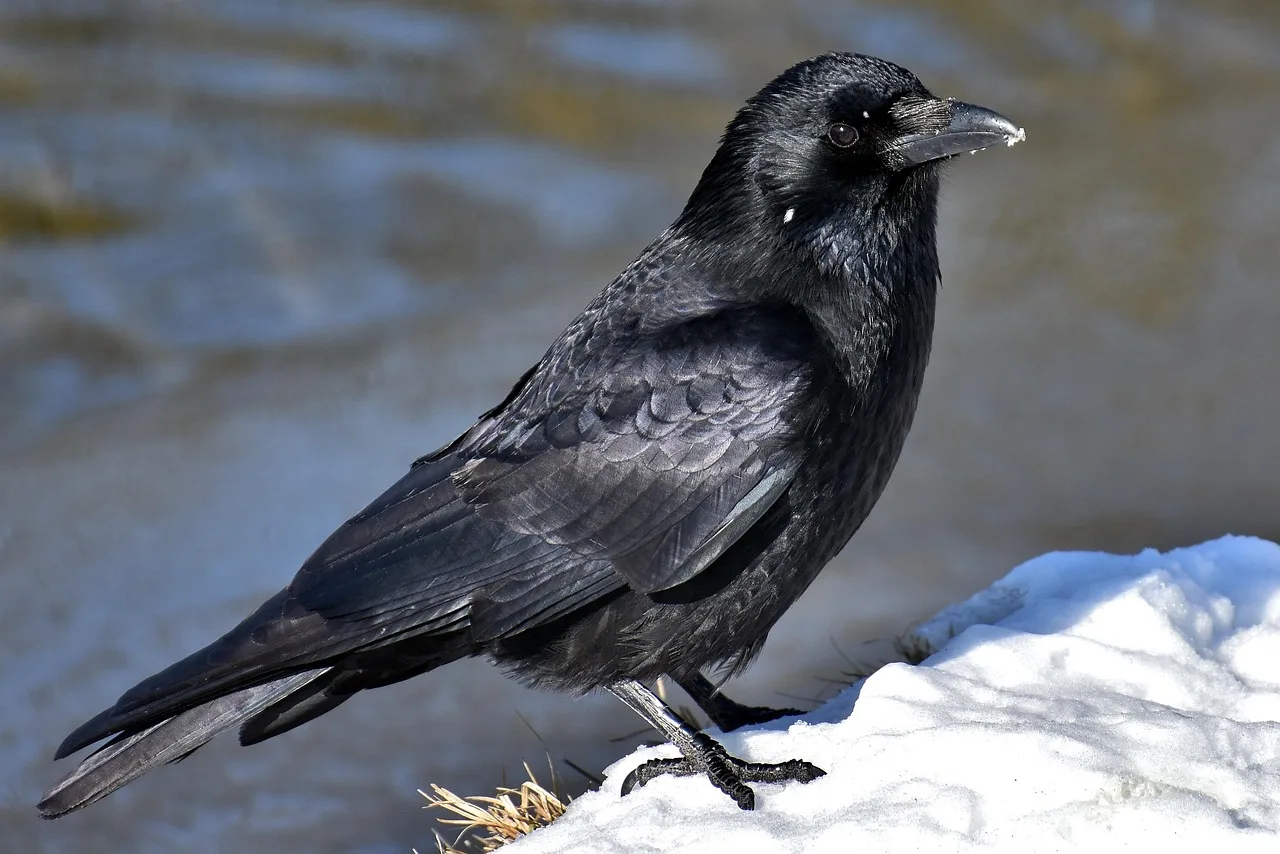
Çekim Tablosu
Belirtme (-i)kuzgunu
Yönelme (-e)kuzguna
Bulunma (-de)kuzgunda
Çıkma (-den)kuzgundan
Tamlayan (-in)kuzgunun
Çoğul (-ler)kuzgunlar
Tanım
•isim, hayvan bilimi: Ötücü kuşlar takımının kargagiller familyasından, kırlarda, tarlalarda, fundalık yerlerde bulunan, ekinlere zararlı böcekleri ve kemirgenleri yok eden, tüyleri siyah renkte olup mavi renkte parlayan bir tür kuş; karakarga (Corvus corax)
Atasözü & Deyim
“Kuzguna yavrusu şahin (Anka, güzel) görünür”
Diğer Dillerde
AlmancaKolkrabe, Rabe, rabenschwarz /ˈkɔlkˌʁaːbə/
common raven or northern raven, Corvus corax.
çekim: çoğul Kolkraben · tamlayan Kolkraben
eş: Rabe, Corvus corax
köken: Probably from an onomatopoeic kolk- + Rabe.
Der Schatten und sein Schatten. — Kuzgun Ve Gölgesi, .
raven, crow (bird) · poison-pen letter writer · corbel
çekim: çoğul corbeaux
eş: grand corbeau, corbac, corbacque, corbin, gniasse, grolle
köken: Inherited from Middle French corbeau m, from Old French corbel m, itself either a diminutive of corp m (“raven”), or from a Late Latin corbellus, corvellus m, from Latin corvus m (Vulgar Latin variant *corbus m).
aile: corbeau de nuit, corbeau freux
Le Phénomène et son ombre. — Kuzgun Ve Gölgesi, .
crow
çekim: çoğul cornejas
eş: buharro, autillo, concón, buharro, coo
köken: Inherited from Latin cornīcula (“small crow”), diminutive of cornīx. Compare French corneille.
aile: corneja cenicienta
El arpa y la sombra. — Kuzgun Ve Gölgesi, .
İtalyancacorvino, corvo imperiale /korˈvi.no/
raven (haired) · jet black
köken: From Latin corvinus, from corvus (“crow”).
L'uomo e l'ombra. — Kuzgun Ve Gölgesi, .
Rusçaорнитол. ворон
Арфа и тень. — Kuzgun Ve Gölgesi, .
Arapçaغراب, غُرَاب (eril) /ɣu.raːb/
crow, raven · a ship, corvet, sloop
çekim: çoğul غِرْبَان · tamlayan غُرَابٍ
köken: From Proto-Semitic *ḡurayb- (“crow, raven”). Compare Hebrew עוֹרֵב / עֹרֵב ('orév), Aramaic עורבא (ʿurbaʾ).
اشتهرت حكاياته حول العالم. — Bu kuzgunlar ona dünyadan haberler getirir.
rook (bird)
köken: From Middle Iranian, from Proto-Iranian (compare Sogdian [script needed] (zʾγ /zāγ/, “crow”), Northern Kurdish zax (“crow”), Parthian [script needed] (zxs- /zaxs-/, “to sound”)).
Azericequzğun
raven
çekim: çoğul quzğunlar · tamlayan quzğunun
köken: From Proto-Common Turkic *kuzgun.
Özbekçequzgʻun
Tatarcaкозгын
Felemenkçeraaf (eril) /raːf/
raven (Corvus corax) · A raven, term used for certain other large birds of the genus Corvus. · synonym of ara (“macaw”)
çekim: çoğul raven
köken: From Middle Dutch rāve, formed by rebracketing from the older singular form rāven which was reinterpreted as a plural; the singular raven (plural ravens or ravenen) persisted in some dialects until at least the eighteenth century, well beyond the Middle Dutch period. The Middle Dutch furthermore descends from Old Dutch ravan, from Proto-West Germanic *hrabn, from Proto-Germanic *hrabnaz,…
aile: bokraaf, hoornraaf, raafkaketoe, raafparkiet
● RAVEN — ● KUZGUN
Portekizcecorvo (eril) /ˈkoʁ.vu/
crow, raven (bird of the genus Corvus) · modillion
çekim: çoğul corvos
köken: From Old Galician-Portuguese corvo, from Latin corvus, from Proto-Indo-European *ḱorh₂wós.
Escravidão e suas sombras. — Kuzgun Ve Gölgesi, .
Open here I flung the shutter, when, with many a flirt and flutter, / In there stepped a stately raven of the saintly days of yore;[…]
raven, Corvus corax.
çekim: çoğul κόρακες · tamlayan κόρακα
köken: From Ancient Greek κόραξ (kórax).
aile: νυχτοκόρακας
Φώτα και Σκιές. — Kuzgun Ve Gölgesi, .
おおがらすの漢字表記。
"しかし、私は何もない。"マーサは困惑だった。 — "Ben onunla oynayabilir bir kuzgun ya da bir tilki yavrusu olsaydı," dedi Mary.
Çince渡鴉 /渡鸦, 烏鴉 /乌鸦
他 的 頭 像 至 精 的 金 子 . 他 的 頭 髮 厚 密 纍 垂 、 黑 如 烏 鴉 — Başı saf altın, Kakülleri kıvır kıvır, kuzgun gibi siyah.
Korece큰까마귀
들짐승과 우는 까마귀 새끼에게 먹을 것을 주시는도다 — O yiyecek sağlar hayvanlara, Bağrışan kuzgun yavrularına.
İsveççekorp, korpsvart, ramsvart /kɔrp/
a raven (a bird, Corvus corax) · a pickaxe · short for korporationsidrott, sports teams formed by coworkers, co-sponsored by the employer
çekim: çoğul korpar · tamlayan korps
köken: From Old Norse korpr, displacing earlier ramn (from Old Norse hrafn). Onomatopoeic.
Dove-feather'd korpen! wolvish-glupande lamm! — Dove-feather'd kuzgun! wolvish-ravening kuzu!
Korpen flyger
De vittna att blickens duva kan lyftas till korpens flykt, att drömmen, den jungfruljuva,
Lehçekruczoczarny, kruczy, kruk /kru.t͡ʂɔˈt͡ʂar.nɘ/
raven (hair, plumage, or coat of an animal)
eş: kruczy, czarny jak smoła, czarny jak heban
köken: Etymology tree Polish kruczy Polish -o- Polish czarny Polish kruczoczarny From kruczy + -o- + czarny.
Baszta Piekarska (kon. — Kuzgun Tepesi (İng.
Ukraynacaкрук /kruk/
raven
çekim: çoğul круки́ · tamlayan кру́ка
köken: From Proto-Slavic *krukъ.
Відтворювальна здатність лисиць. — Kuzgunun güçlü gagası.
Hintçeकाला कौआ (eril)
Used other than figuratively or idiomatically: see काला (kālā), कौआ (kauā). · raven
çekim: çoğul काले कौए
Fincekaarne, korpinmusta, korppi, korppilippu, mustatukka, viikinkien sotavoima /ˈkɑːrneˣ/
synonym of korppi (“raven”)
çekim: çoğul kaarneet · tamlayan kaarneen
köken: From Proto-Finnic *karnëh (compare Estonian kaaren), from Proto-Uralic *karne (compare Northern Sami gáranas, Inari Sami káránâs, Erzya кренч (krenč), Komi-Zyrian кырныш (kyrnyš), Tundra Nenets хӑрна (xărna)). Displaced by the borrowed korppi.
aile: kaarnikka
Jättitykki-ilotulite vedetään markkinoilta Yle Uutiset. — Bu kuzgunlar ona dünyadan haberler getirir.
Çekçekrkavec (eril) /ˈkr̩kavɛt͡s/
raven
çekim: çoğul krkavci · tamlayan krkavce
köken: From krkavý + -ec.
aile: krkavcovití, krkavčí
Dove-feather'd Raven! wolvish-draví beránek! — Dove-feather'd kuzgun! wolvish-ravening kuzu!
raven (bird) · brown meagre (fish)
çekim: çoğul corbi · tamlayan corbului
köken: Inherited from Latin corvus, from Proto-Indo-European *ḱorh₂wós. Compare Aromanian corbu, Albanian korb, Italian corvo.
aile: corb la corb nu scoate ochii, corb nordic, corb-albastru, corb-de-mare, corb-de-noapte, corbancă, corbișor, corbușor, corbiu, Corbul
Revista relatează știri din întreaga lume. — Bu kuzgunlar ona dünyadan haberler getirir.
Un corb negru, corbișor Ce zbura încetișor Și din aripi tot bătea Și cu jale croncănea. E-atras de doliul sarcastic
Macarcaholló, hollófekete /ˈholːoː/
raven
çekim: çoğul hollók
köken: From Proto-Uralic *kule.
aile: hollófekete, holló a hollónak nem vájja ki a szemét, ritka, mint a fehér holló
Tükör és árnyék. — Kuzgun Ve Gölgesi, .
İbraniceעורב, עורב שחור (eril) /(ʔ)oˈʁev/
raven · crow
çekim: çoğul עורבים
köken: From Proto-Semitic *ḡurayb- (“raven, crow”). Compare Aramaic עורבא (ʿurbaʾ), Arabic غُرَاب (ḡurāb).
שתיקת התרנגול (רומן). — Kuzgun Tepesi (İng.
Latincecorvus /ˈkɔr.wʊs/
A raven; a bird associated with prophecy and sacred to Apollo. · A gangplank, used in Roman naval combat for boarding enemy ships. · A battering ram.
çekim: çoğul corvī · tamlayan corvī
köken: From Proto-Italic *korwos, from Proto-Indo-European *ḱorh₂wós, from a root *ḱorh₂- (“crow, raven”), imitative of harsh sounds; see cornīx (“crow”) for more. The word has been decomposed as from *ḱer- (compare Latin crepō (“to creak, crack”), Sanskrit कृपते (kṛ́pate, “he laments, implores”)) + *-wós (whence Latin -vus).
aile: corvīnus, in cruce corvōs pāscere
Dancaravn /ˈravn/
raven (Corvus corax)
çekim: çoğul ravne · tamlayan ravns
köken: From Old Danish rafn, from Old Norse hrafn, from Proto-Germanic *hrabnaz, ultimately from Proto-Indo-European *ḱorh₂-. Onomatopoeic
Hendes rigtige hårfarve er mørk. — Saçlarının rengi parlak kuzguni siyah idi.
Norveççeravnsort, ravnsvart
Drømmen og skyggen. — Kuzgun Ve Gölgesi, .
Etimoloji
Inherited from Ottoman Turkish قوزغون (kuzgun, kuzğun, “raven”), from Proto-Common Turkic *kuzɣun (“raven”). Cognates Cognate with Old Turkic 𐰴𐰆𐰕𐰍𐰆𐰣 (quzɣun), Azerbaijani quzğun, Bashkir ҡоҙғон (qoźğon), Kazakh құзғын (qūzğyn), Kyrgyz кузгун (kuzgun), Tatar козгын (qozğın), Uyghur قۇزغۇن (quzghun) and Uzbek kuzgʻun.
Deyimler
Eş & Zıt Anlamlılar
Eş anlamlılar
Örnek Cümleler
On yedi kuzgun var.
There are seventeen ravens.
Kuzgun Ve Gölgesi, .
Smoke and Shadow.
O karga değil kuzgun.
It's not a crow. It's a raven.
Kuzgun, kömür gibi siyahtır.
The raven is as black as coal.
Bunlar kuzgun değil inektir.
These are not ravens; these are crows.
Ya devlet başa ya kuzgun leşe.
Now it's neck or nothing!
Evin dışındaki kuzgun heykeli.
A detail of the raven statue outside the home.
Bunlar kuzgun değil, bunlar inek.
These are not ravens; these are crows.
Kuzgun, eski porsuk ağacından gakladı.
The raven croaked from the old yew-tree.
Bu kuzgunlar ona dünyadan haberler getirir.
This case is making international news from all over the world.
Regina Kenigswein Yedi Kuzgun (2015). . . .
Regina Kenigswein The Seven Ravens (2015) ....
Dove-feather'd kuzgun! wolvish-ravening kuzu!
Dove-feather'd raven! wolvish-ravening lamb!
Birleşik Kelimeler