Sözlük
/kokarca
kokarca
"kokarca" kelimesinin İngilizcesi: polecat, fitch, fitchet, fitchew, polecat, skunk, skunk. Anlamı, çevirisi, telaffuzu ve örnek cümleler aşağıdadır.
Çeviri
Genelpolecatnoun
Genelfitch, fitchet, fitchew
Genelpolecat
Genelskunk
Genelskunk
Genelskunk
Görsel


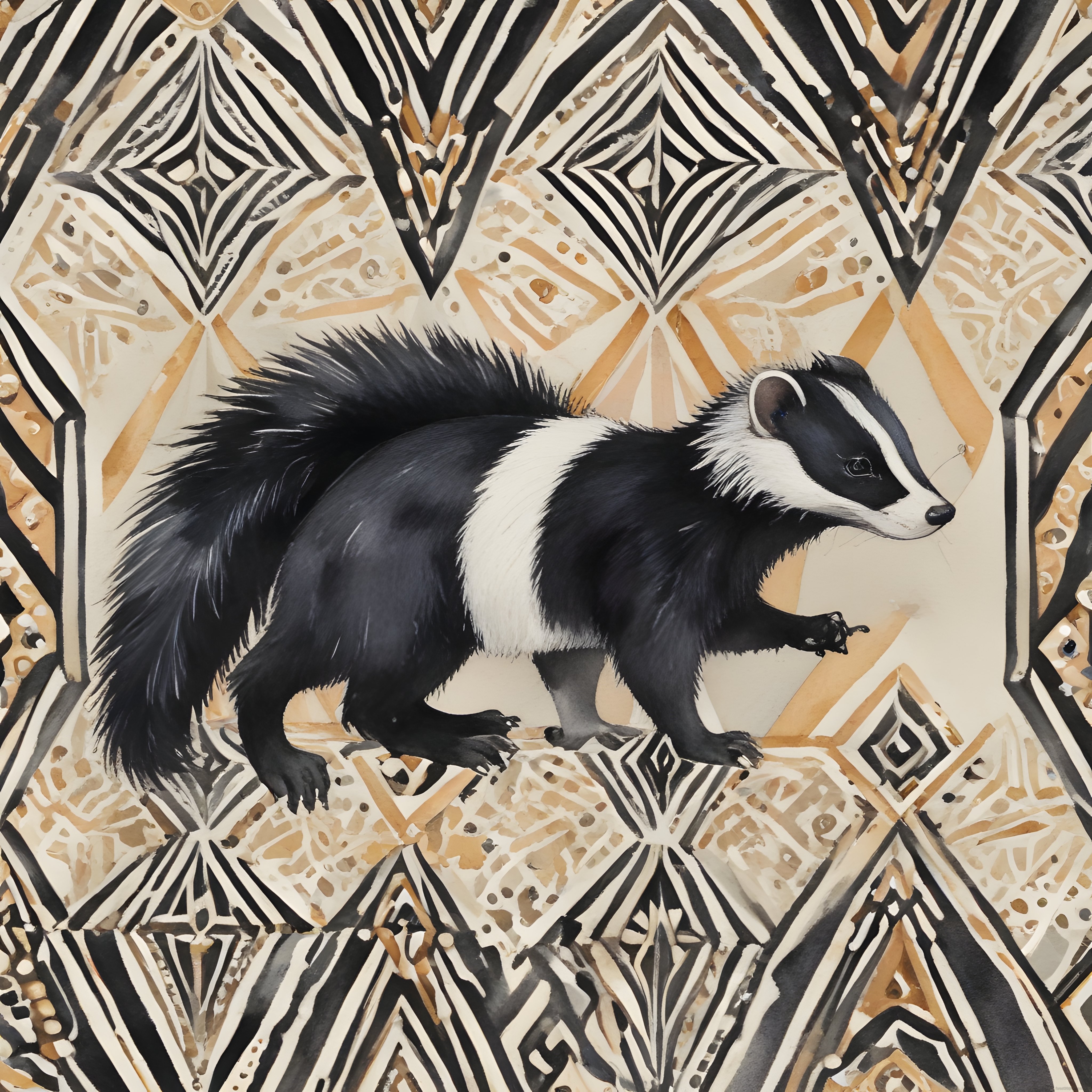

Çekim Tablosu
Belirtme (-i)kokarcayı
Yönelme (-e)kokarcaya
Bulunma (-de)kokarcada
Çıkma (-den)kokarcadan
Tamlayan (-in)kokarcanın
Çoğul (-ler)kokarcalar
Tanım
•isim, hayvan bilimi: Etoburlardan, orta boyda, kendini korumak için düşmanına kötü kokulu sıvı fışkırtan, ince, uzun bir kürk hayvanı (Mephitis mephitis)
Diğer Dillerde
Almancailtis, stinktier (eril) /ˈɪltɪs/
polecat (Mustela putorius)
çekim: çoğul Iltisse · tamlayan Iltisses
eş: Stinkmarder, Putorius
köken: From Middle High German iltis, from Old High German illitiso, illintiso, of uncertain origin. Perhaps a compound from the Proto-Indo-European roots *h₁el- (“red, brown”) and *weys- (“to flow, run”). The latter was probably used for animal secretions, whence the noun *wiso- or *wisós (“fluidity, slime, reek, poison”), as in Wiesel and Wisent; compare Ancient Greek ἰός (iós) and Latin virus.
aile: stinken wie ein Iltis
Was ist mit einem Stinktier? — Peki ya kokarca?
rabble, riffraff · rascal, blackguard, scoundrel, scum · clever person
çekim: çoğul canailles
eş: salaud, quenaille
köken: Etymology tree Proto-Indo-European *ḱwṓder. Latin canēs Latin canisder. Vulgar Latin *canālia Italian canagliabor. Middle French canaille French canaille Inherited from Middle French canaille, from Italian canaglia.
aile: canailler, canaillerie, canaillocratie, canaillou, encanaillement, encanailler
Et une moufette alors? — Peki ya kokarca?
Mamífero carnívoro de unos cinco centímetros de largo y pelaje bicolor (negro con rayas blancas) cuyo rasgo característico es el fuerte y fétido olor que segregan sus glándulas anales.
eş: mofeta
SW: ¿Y qué me dices del zorrillo? — Peki ya kokarca?
İtalyancacappotto, moffetta, puzzola (eril) /kapˈpɔt.to/
coat, overcoat · greatcoat · whitewash (complete victory or series of victories without suffering any losses; a clean sweep)
çekim: çoğul cappotti
eş: paltò, pastrano, soprabito, gabbano, mantello, tabarro
köken: From cappa.
E che dire della puzzola? — Peki ya kokarca?
Rusçaвонючка, скунс
А скунс? — Peki ya kokarca?
ستيفاني: ماذا عن الظربان؟ — SW: Peki ya kokarca?
Farsçaراسو /raː.ˈsuː/
weasel
köken: From Middle Persian [script needed] (lswk' /rasūg/); compare Classical Syriac ܪܣܘܓ.
Kazakçaсасықиісті
Özbekçekokarca, sassiq koʻzani
Tatarcaала көзән
Felemenkçestinkdier (nötr) /ˈstɪŋk.diːr/
skunk, any member of the family Mephitidae
çekim: çoğul stinkdieren
köken: Compound of stinken (“to stink”) + dier (“animal”). Compare German Stinktier, which is attested slightly earlier, and Danish stinkdyr.
En een stinkdier? — Peki ya kokarca?
Portekizcecamelo, cangambá, doninha-fedorenta, gambá (eril) /kaˈme.lu/
camel · arsehole, jerk · a short piece of artillery
çekim: çoğul camelos
eş: camelo-asiático, camelo-bactriano
köken: From Old Galician-Portuguese camelo, from Vulgar Latin *camēllus, from Latin camēlus, from Ancient Greek κάμηλος (kámēlos), ultimately from Proto-Semitic *gamal-. Cognate with Galician camelo and Spanish camello.
aile: baba de camelo, camelinho, camelo-árabe, camelo-bactriano, camelo-doméstico
- E a doninha? — Peki ya kokarca?
a skunk (animal)
köken: Borrowed from English skunk.
くせえ (stinker) — SW: Peki ya kokarca?
İsveççestinkdjur (nötr) /²stɪŋːkjʉːr/
a skunk
çekim: çoğul stinkdjurs · tamlayan stinkdjurs
köken: From stinka (“to stink”) + djur (“animal”). Compare German Stinktier and Dutch stinkdier.
Och skunken — Peki ya kokarca?
Lehçeskunks, śmierdziel, tchórz (eril) /ˈskuŋks/
skunk (mephitid)
çekim: çoğul skunksy · tamlayan skunksa
eş: śmierdziel
köken: Borrowed from English skunks, plural of skunk, from an unattested Southern New England Algonquian word, cognate with Abenaki segôgw, from Proto-Algonquian *šeka·kwa, from *šek-.
Mamy jeszcze skunksa. — Peki ya kokarca?
Ukraynacaтхір /tʲxʲir/
polecat · ferret
çekim: çoğul тхори́ · tamlayan тхора́
köken: From Proto-Slavic *dъxorь. Cognate with Belarusian тхор (txor), Russian хорь (xorʹ).
А давай скунса? — Peki ya kokarca?
Hintçeस्कंक
Fincehaisunäätä, hylkiö, kärppä, murskavoitto, skunkki /ˈhɑi̯suˌnæːtæ/
skunk (mammal of the family Mephitidae, especially the striped skunk, Mephitis mephitis) · stinker (one who smells)
çekim: çoğul haisunäädät · tamlayan haisunäädän
eş: skunkki
köken: haisu + näätä
ÇekçeAmerika kokarcası, bayağı şeritli kokarca, benekli kokarca, doğu benekli kokarcası (skunk skvrnitý), kanal Adası benekli kokarcası, şeritli kokarca
kokarca yunusu (plískavice strakatá /kytovec/)
A a B jsou krajní body úsečky. — Bir kez daha, bunlara armadillolar ve kokarcalar da diyebilirdik.
polecat
çekim: çoğul dihori · tamlayan dihorului
köken: Borrowed from Old Church Slavonic дъхорь (dŭxorĭ), from Proto-Slavic *dъxorь. Compare Macedonian твор (tvor, “skunk”), Slovene dihur (“polecat”), Russian хорь (xorʹ).
Dar un sconcs? — Peki ya kokarca?
Macarcabűzösborz /ˈbyːzøʒborz/
skunk
çekim: çoğul bűzösborzok
köken: bűzös (“stinky”) + borz (“badger”)
És a borz? — SW: Peki ya kokarca?
Dancastinkdyr /ˈsd̥eŋɡ̊ˌd̥yɐ̯ˀ/
skunk (Mephitidae)
çekim: çoğul stinkdyrene · tamlayan stinkdyrs
köken: Compound of stinke + dyr
Endonezcesigung /ˈsiɡuŋ/
Sunda stink badger (Mydaus javanensis) · skunk (mammals of the family Mephitidae)
köken: Borrowed from Sundanese sigung. Sense of skunk is phono-semantic matching of Abenaki segôgw, a false cognate.
Kalau sigung? — Peki ya kokarca?
Vietnamcachồn hôi /t͡ɕon˨˩ hoj˧˧/
skunk
köken: chồn (“weasel”) + hôi (“stinky, smelly”).
Chú chồn hôi thì sao? — Peki ya kokarca?
Etimoloji
From kok- (“to smell”) + -ar + -ca.
Örnek Cümleler
Peki ya kokarca?
What about a skunk?
Bir kokarca kokluyorum.
I smell a skunk.
Arka bahçemde bir kokarcam var.
I have a skunk in my backyard.
Bir kokarcayı vurmayı sakınmaktan caydım.
I swerved to avoid hitting a skunk.
Iy! Amcamın bodrumu kokarca gibi kokuyor!
Ew! My uncle's basement smells of skunk!
Çok pis koktuğu için Anakin ona kokarca der.
Pyrrole has a nutty odor.
Kahverengi kokarca böceği elmadan beslenirken
Stink bug feeding on an apple
Tom'u son gördüğümde bir kokarca kadar sarhoştu.
The last time I saw Tom he was as drunk as a skunk.
Domatesin üzerinde duran kahverengi kokarca böceği
A brown marmorated stink bug on a tomato fruit
Dün gece neredeyse bir kokarcanın üstüne basıyordum.
I almost stepped on a skunk last night.
Kokarcalar ne köpeklerden ne de insanlardan korkarlar.
Skunks fear neither dogs, nor men.
- Kutular bizim için mi? - Tabii ki! Seçin, sizi kokarcalar!
Ouvi dizer que continua muito amável com seus leitores!
Birleşik Kelimeler
alacakokarcabenekli kokarca