kaşık
/kaˈʃɯk/
noun
C1 seviye
TR → EN
"kaşık" kelimesinin İngilizcesi: groin, spoon, spoon, spoon, groin. Anlamı, çevirisi, telaffuzu ve örnek cümleler aşağıdadır.
Çeviri
Genelgroinnoun
Genelspoonnoun
Genelspoon
Genelspoon
Genelgroin
Genelspoon
Genelspoon
Genelgroin
Genelgroin
Görsel
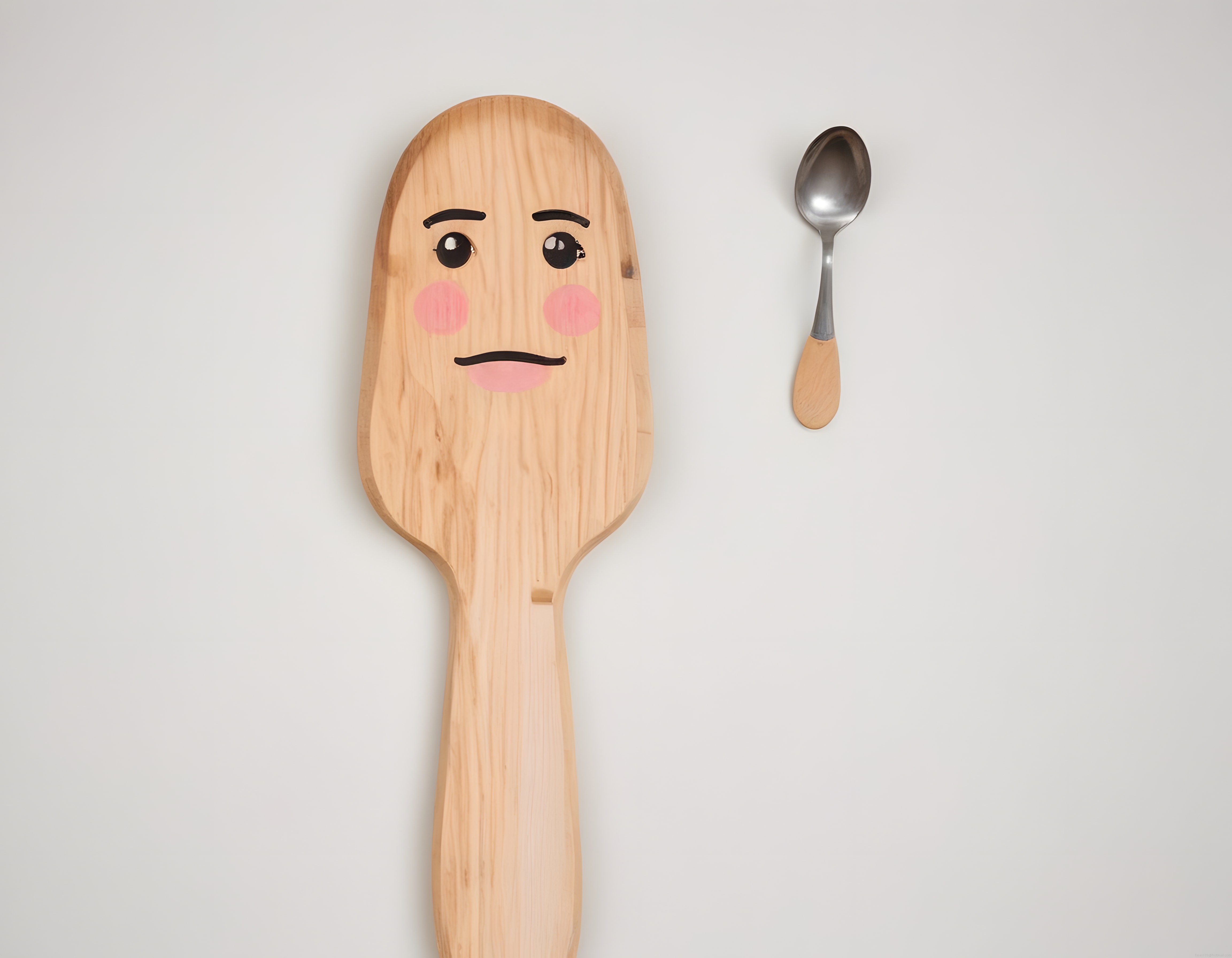
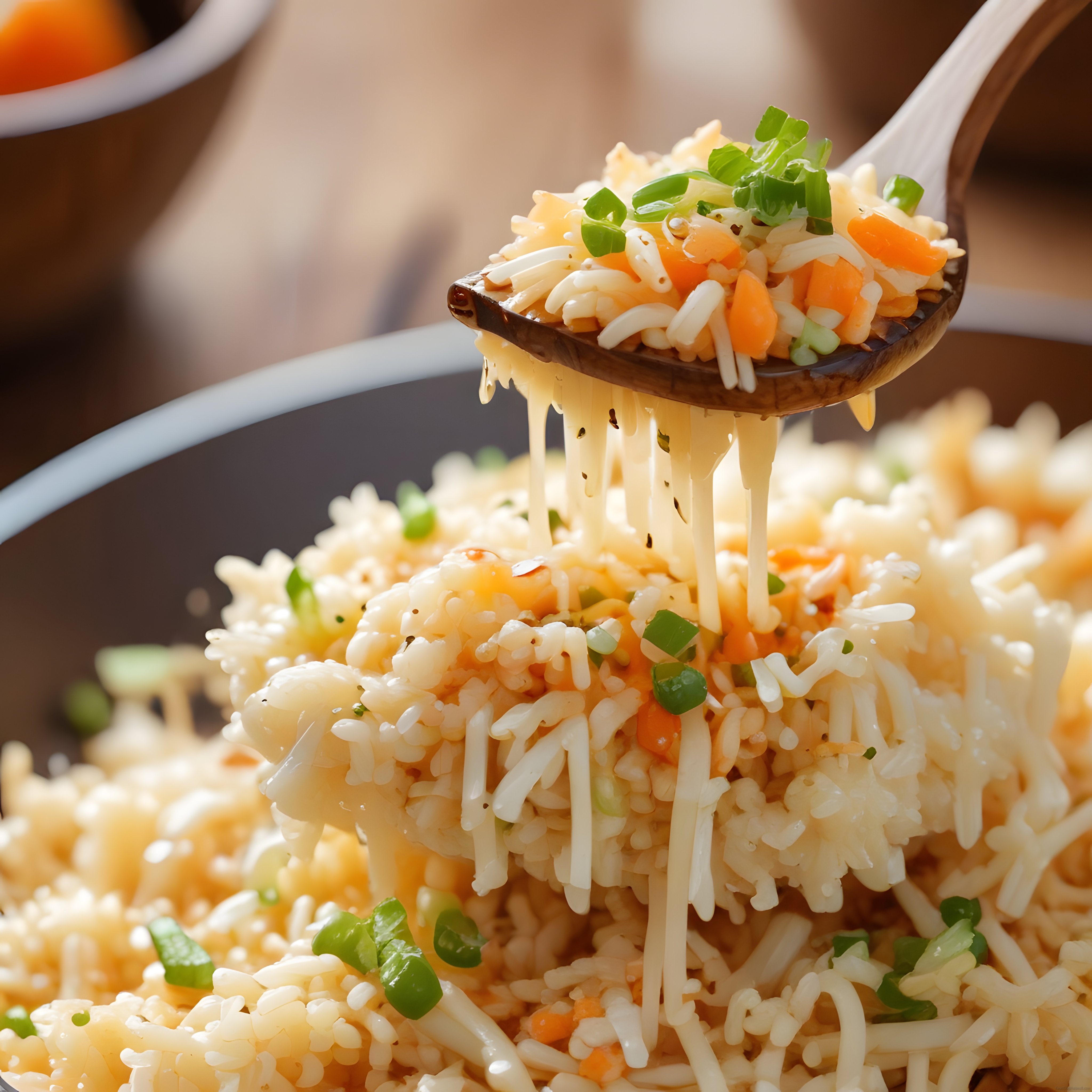

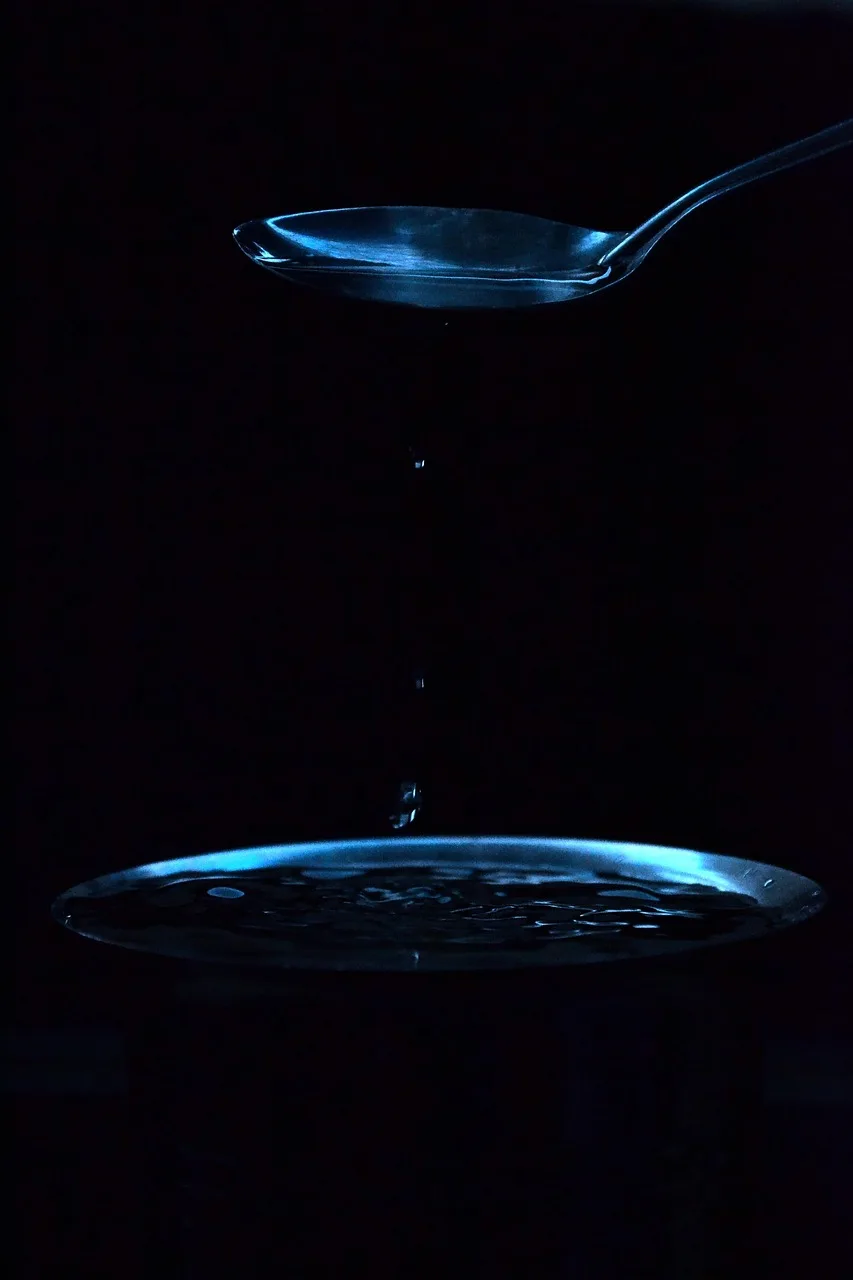
Çekim Tablosu
Belirtme (-i)kasığı
Yönelme (-e)kasığa
Bulunma (-de)kasıkta
Çıkma (-den)kasıktan
Tamlayan (-in)kasığın
Çoğul (-ler)kasıklar
Tanım
•Bir erkek adı. erkek ad
•sulu veya ufak taneli yiyecekleri ağza götürmeye yarayan saplı sofra aracı
•ucu iğneli kaşık biçimli olta
•Vücudun karın ile uyluk arasındaki bölümü.
•Sulu veya bazı ufak taneli yiyecekleri ağza götürmeye yarayan saplı sofra aracı
•Vücudun karın ile uyluk arasındaki bölümü
•Ucu iğneli kaşık biçimindeki olta
Atasözü & Deyim
“Her ağaçtan kaşık olmaz:”
“Ekmekten kaşık olur ama her yoğurdun hakkına değil”
“Herkes kaşık yapar ama sapını ortaya (doğru) getiremez”
Diğer Dillerde
spoon · hare's ear
çekim: çoğul Löffeln · tamlayan Löffels
eş: Hasenohr, Kaninchenohr, Eimer, Kelle, Schmelzlöffel, Schöpfkelle
köken: From Middle High German leffel, from Old High German leffil, attested as earlier ᛚᚨᛈᛖᛚᚨ (lapela), from Proto-West Germanic *lapil, from Proto-Germanic *lapilaz (“spoon”), ultimately derived from *lap- (“to lick; to lap”). See English lap. Cognates include Dutch lepel, Yiddish לעפֿל (lefl).
aile: löffelartig, löffelweise
Ich mag Löffel! — Kaşıkları severim!
FransızcaContenu d’un tel instrument, cuillère (dişil) /kɥi.jɛʁ/
spoon
çekim: çoğul cuillères
eş: cuillerée, 99, carotte
köken: Inherited from Old French cuilliere, from Latin cochleārium (“spoon”), from cochlear (“spoon”), from cochlea (“snail”). Compare Italian cucchiaio, Catalan cullera, Spanish cuchara.
aile: cuillère à café, cuillère à caviar, cuillère à dessert, cuillère à glace, cuillère à miel, cuillère à moutarde, cuillère à œuf, cuillère à pamplemousse, cuillère à pomme parisienne, cuillère à sel
Le jeu idiot. — Kaşıksız oyunlardır.
İspanyolcacuchara, cucharear, echar con una cuchara, ingle, servir con una cuchara (dişil) /kuˈt͡ʃaɾa/
spoon · cunt
çekim: çoğul cucharas
eş: cuchar, cucharilla, cucharada, badil, cucharita, picada
köken: From cuchar, from Latin cochleāre (with an unusual development of /-kl-/, likely due to the early palatalization of /lj/>/ʒ/), from cochlea. Compare Portuguese colher, Catalan cullera, French cuillère, cuiller, Italian cucchiaio, Sicilian cucchiara.
aile: comerás con la cuchara que escojas, cuchara común, cuchara de albañil, cuchara de pastor, cuchara de postre, cuchara de sopa, cucharita, meter la cuchara, meter cuchara, teoría de las cucharas
Dame la cuchara. — Bana kaşık verin.
spoon; spoonful · tablespoon; tablespoonful · chip; in football
çekim: çoğul cucchiai
köken: From the Latin cochleārium, derived from cochlear, from cochlea (“snail”), which perhaps was an instrument used to eat eggs and snails. It's also possible that it derives from the use to which it was put, the concave shape, or perhaps originally it was made with the shell of a snail. Compare French cuillère.
aile: cucchiaino, cucchiaio da caffè, cucchiaio da portata, cucchiaio da tavola, cucchiaio da tè
Un gioco infame. — Kaşıksız oyunlardır.
Questo cucchiaio è per il tè.
Rusçaложка, низ живота, пах (dişil) /ˈɫoʂkə/
spoon · spoonful · shoehorn
çekim: çoğul ло́жки · tamlayan ло́жки
köken: Etymology tree Proto-Indo-European *lewh₁- Proto-Indo-European *gʰeder. Proto-Slavic *-ga Proto-Slavic *lъga Proto-Indo-European *-keh₂der. Proto-Balto-Slavic *-kāˀ Proto-Slavic *-ъka Proto-Slavic *lyžьka Old East Slavic лъжька (lŭžĭka) Russian ложка Inherited from Old East Slavic лъжька (lŭžĭka), from Proto-Slavic *lyžьka, from *lъga (“bending”) + *-ъka.
aile: ло́жечник, ло́жечница, ложка́рь, роди́ться с сере́бряной ло́жкой во рту, Phrases, один с со́шкой, се́меро с ло́жкой, Proverbs, дорога́ ло́жка к обе́ду
Одной ложки не хватает. — Kayıp bir kaşık var.
Е́сли у Е́льцина возника́ло жела́ние поигра́ть на ло́жках, то оно́ бы́ло непреодоли́мым.
nearness, proximity, neighborliness literally and figuratively · those who are near, thy neighbours, or those who have a higher rank in relation to something · grovelling, flattery by coming close in a respect
çekim: çoğul زُلَف · tamlayan زُلْفَةٍ
احضري ملعقة من فضة — Gümüş bir kaşık getir.
وَإِنَّ لَهُ، عِنْدَنَا لَزُلْفَى وَحُسْنَ مَآبٍ
مَا نَعْبُدُهُمْ إِلَّا لِيُقَرِّبُونَآ إِلَى ٱللَّهِ زُلْفَىٰٓ
وَمَآ أَمْوَٰلُكُمْ وَلَآ أَوْلَـٰدُكُم بِٱلَّتِى تُقَرِّبُكُمْ عِندَنَا زُلْفَىٰٓ
Farsçaچَمْچَه, چَمْچِه, چُمْچَه, چُمْچِه, قاشُق, قاشِق
groin
çekim: çoğul qasıqlar · tamlayan qasığın
köken: Inherited from Proto-Turkic *kāsïk (“groin”).
spoon
çekim: çoğul қасықтар · tamlayan қасықтың
köken: From Proto-Turkic *kaĺuk (“spoon”). Cognate with Turkish kaşık, Uzbek qoshiq, Khakas хазых (xazıx), Tofa ӄаъһиӄ (qa'hiq, “spoon”), etc.
Özbekçechov, qoshiq
spoon
çekim: çoğul qoshiqlar · tamlayan qoshiqning
köken: From Proto-Turkic *kaĺuk (“spoon”). Cognate with Turkish kaşık (“spoon”).
Felemenkçelepel (eril) /ˈleː.pəl/
spoon
çekim: çoğul lepels
köken: From Middle Dutch lēpel, from Old Dutch *lepil, from Proto-West Germanic *lapil. Equivalent to leppen + -el.
aile: eetlepel, juslepel, lepelaar, lepelbekeend, lepelblad, lepelen, lepeltje-lepeltje, maatlepel, opscheplepel, sauslepel
Je lacht je een breuk. — Gülmekten kasıklarınız ağrıyacak.
spoon (eating utensil)
çekim: çoğul colheres
köken: From Old Galician-Portuguese cullar, collar, from Latin cochleārem (“spoon”). The Old Portuguese word was influenced by Old French cuiller (French cuiller / cuillère), from the same Latin root. Cognate with Galician culler, French cuillère, Spanish cuchara, Catalan cullera. Compare with caracol (“snail”).
aile: colher de café, colher de chá, colher de sobremesa, colher de sopa, colherinha, colherita, colherzinha, colherzita
Velhas brincadeiras. — Kaşıksız oyunlardır.
Yunancaαχαμνά, βουβώνας, κουταλάκι, κουτάλι (nötr)
genitals, genitalia, groin
çekim: çoğul αχαμνών · tamlayan αχαμνών
köken: From αχαμνός (achamnós).
Φοβάμαι τα κουτάλια. — Kaşıktan korkarım.
Japoncaスプーン /sɨpɯ̟̃ːɴ/
spoon
köken: Borrowed from English spoon. First attested in 1860.
このドレスはアルミニウムでできています — "çatal-kaşıklardan yapılmış.
スプーンは無い。
spoon; ladle (Classifier: 把) · A stupid person, used in a teasing manner
eş: 匙, 勺, 調羹, 湯匙, 羹匙, 匙子
偶爾會跟樹樹一起做咖喱。 — Arada bir tahta kaşıkla karıştırılır.
請你把勺子拿過來。
请你把勺子拿过来。
他/她是個勺子嗎?
Korece숟가락 /sʰut̚k͈a̠ɾa̠k̚/
spoon (eating utensil)
köken: From 술 (sul, “spoon”) + -ㅅ- (-s-) + 가락 (garak, “rod”).
사실 포크 겸용 숟가락으로 만들어졌어요. — "çatal-kaşıklardan yapılmış.
groin
çekim: çoğul ljumskar · tamlayan ljumskes
Knivbladen är vända mot tallriken. — Ve kaşık kaşık tabağa çıkartılır.
Lehçełyżeczka, łyżeczkować, łyżka, pachwina, wahadłówka (dişil) /wɘˈʐɛt͡ʂ.ka/
diminutive of łyżka · teaspoon · dessertspoon
çekim: çoğul łyżeczki · tamlayan łyżeczki
eş: łyżeczunia
köken: Etymology tree Proto-Indo-European *lewh₁- Proto-Indo-European *gʰeder. Proto-Slavic *-ga Proto-Slavic *lъga Proto-Indo-European *-keh₂der. Proto-Balto-Slavic *-kāˀ Proto-Slavic *-ъka Proto-Slavic *lyžьka Old Polish łyżka Polish łyżka ▲ Proto-Slavic *-ъka Old Polish -ka Polish -ka Polish łyżeczka From łyżka + -ka.
aile: łyżeczkować
Czego szukasz? A mocnego pudła. — 200 alüminyum kaşık.
Ukraynacaбле́шня, пахви́на
Це, безумовно, найбільш заплутаною, що я коли-небудь чув! " — Lütfen kaşık cebe izin verilmiştir:
a vessel used at sacrifices for drinking the Soma, kind of flat dish or cup or ladle (generally of a square shape, made of wood and furnished with a handle) · a Papadum · a Laddu
çekim: çoğul चमसों
köken: Learned borrowing from Sanskrit चमस (camasá).
Fincekapusta, lusikka, lusikoida, nivuset, nukkua lusikassa, uistella /ˈkɑpustɑ/
wooden spoon (spoon made from wood, commonly used in food preparation)
çekim: çoğul kapustat · tamlayan kapustan
köken: Borrowed from dialectal Russian копы́стка (kopýstka) (compare Polish kopyść, kopystka).
aile: kapustahaikara, kapustarinta
Oli ystävällisesti saa pussittaa lusikka: — Lütfen kaşık cebe izin verilmiştir:
spoon (table spoon)
çekim: çoğul lžic · tamlayan lžic
eş: ležka, lyžka
köken: Inherited from Old Czech lžícě, from Proto-Slavic *lъžica, from *lъga + *-ica.
aile: lžička
200 hliníkových lžic... — 200 alüminyum kaşık.
Rumencejoncțiunea dintre coapsă și trunchi, lingură, regiunea inghinală, stinghie (dişil) /ˈliŋɡurə/
spoon
çekim: çoğul linguri · tamlayan linguri
köken: Inherited from Latin lingula.
aile: linguriță, linguroi
Ornament brodat pe o pânză. — Ve kaşık kaşık tabağa çıkartılır.
loin, groin, the lumbar region · loins, pubes, pubic region · haunch (the area encompassing the upper thigh, hip and buttocks on one side of a human, primate, or quadruped animal)
çekim: çoğul ágyékok
köken: Probably from Proto-Finno-Ugric *ońća, with semantic shift "meat" > "thick meat" > "loins". Compare Southern Mansi [script needed] (ońćī, “buttocks”), with the word-final -k being a nominal-forming suffix in Hungarian, compare fészek and lélek.
aile: ágyéki, ágyékú, ágyékcsigolya, ágyékkendő, ágyékkötő, ágyéksérv, ágyéktáj → ágyéktáji, ágyékzsába
Kegyetlen játék. — Kaşıksız oyunlardır.
İbraniceכַּף, מפשעה (dişil)
groin, crotch
çekim: çoğul מִפְשָׂעוֹת
במשחק ישנם שבטים. — Bu oyunlarda kaşıksızdır.
וַיִּקַּח חָנוּן אֶת־עַבְדֵי דָוִיד, וַיְגַלְּחֵם; וַיִּכְרֹת אֶת־מַדְוֵיהֶם בַּחֵצִי עַד־הַמִּפְשָׂעָה, וַיְשַׁלְּחֵם.
Latincecochleārium, inguen /ˈɪŋ.ɡʷɛn/
groin · privates (sexual organs)
çekim: çoğul inguina · tamlayan inguinis
köken: From Proto-Indo-European *h₁n̥gʷ-en-, related to Ancient Greek ἀδήν (adḗn) and Old Norse ökkvinn.
aile: inguinālis
Hīc dēmum, hippomanes vērō quod nōmine dīcunt pāstōrēs, lentum dēstīllat ab inguine vīrus, hippomanes, quod saepe malae lēgēre novercae
groin
çekim: çoğul lysker · tamlayan lyskes
köken: From Old Norse ljóski, from Proto-Germanic *leuskō, *leuskan- (“groin”), likely related to *leuhsaz (“bright, light”), perhaps originally meaning "light skin."
Er venligst lov til at stikke skeen: — Lütfen kaşık cebe izin verilmiştir:
Etimoloji
From Ottoman Turkish قاشیق (kaşık), from Old Anatolian Turkish قاشق (qašuq), from Proto-Turkic *kaĺuk (“spoon”). Cognate with Old Turkic [script needed] (qašuq, “spoon”); Kazakh қасық (qasyq, “spoon”), Uzbek qoshiq, Khakas хазых (xazıx), Tofa ӄаъһиӄ (qa'hiq, “spoon”).
Deyimler
kaşıkla yedirip sapıyla gözünü çıkartmak
kaşık kadar
kaşık sallamak
kaşıkla verip kepçeyle geri almak
Örnek Cümleler
Kaşık küret
Spoon-shaped curette.
Kaşık kirli.
The spoon is dirty.
Bu bir kaşık.
This is a spoon.
Bir kaşık var.
There is a spoon.
Hiç kaşık yok.
There is no spoon.
Bir kaşık alın.
Grab a spoon.
Bir kaşık aldı.
She took a spoon.
Üç kaşık eksik.
Three spoons are missing.
Kasık fossaları
Inguinal fossae
Bana kaşık verin.
Give me the spoon.
Çatal Bıçak Kaşık
Cutlery and tablewares
Kaşıkları severim.
I like spoons.
İlgili Sorular
İlgili / Bileşik Terimler
Geneltruss
Genelrupturewort
Genelpubis
Genelcochlearia
Genelcrab louse
Tıpinguinal hernia
Tıptinea cruris
Tıpjock itch
Genelspoons position
Genelpubic hair