Sözlük
/fasülye
fasulye
/faˈsul.je/
noun
C1 seviye
TR → EN
"fasulye" kelimesinin İngilizcesi: bean, bean, phaseolus vulgaris, phaseolus vulgaris, phaseolus vulgaris. Anlamı, çevirisi, telaffuzu ve örnek cümleler aşağıdadır.
Çeviri
Genelbeannoun
Genelbean
Genelphaseolus vulgaris
Genelphaseolus vulgaris
Genelphaseolus vulgaris
Görsel
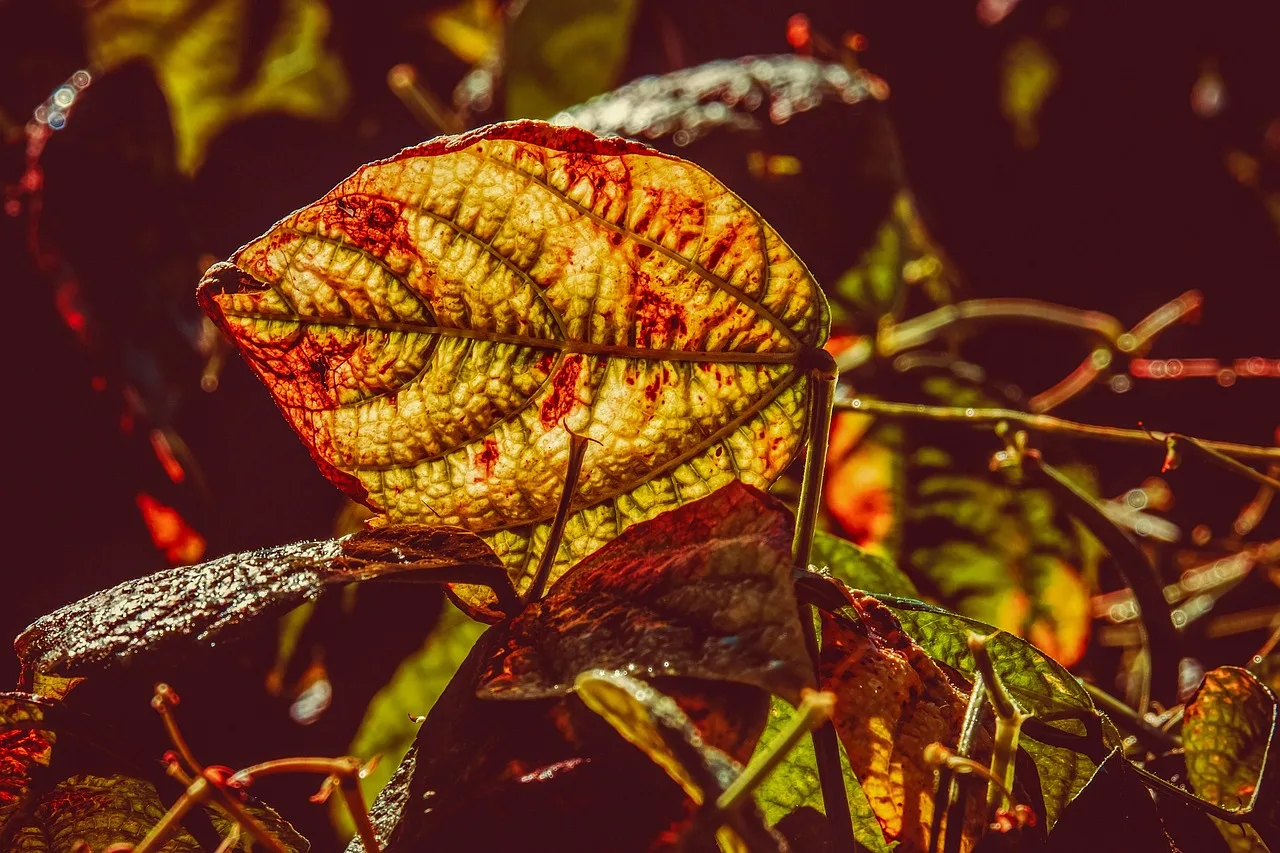
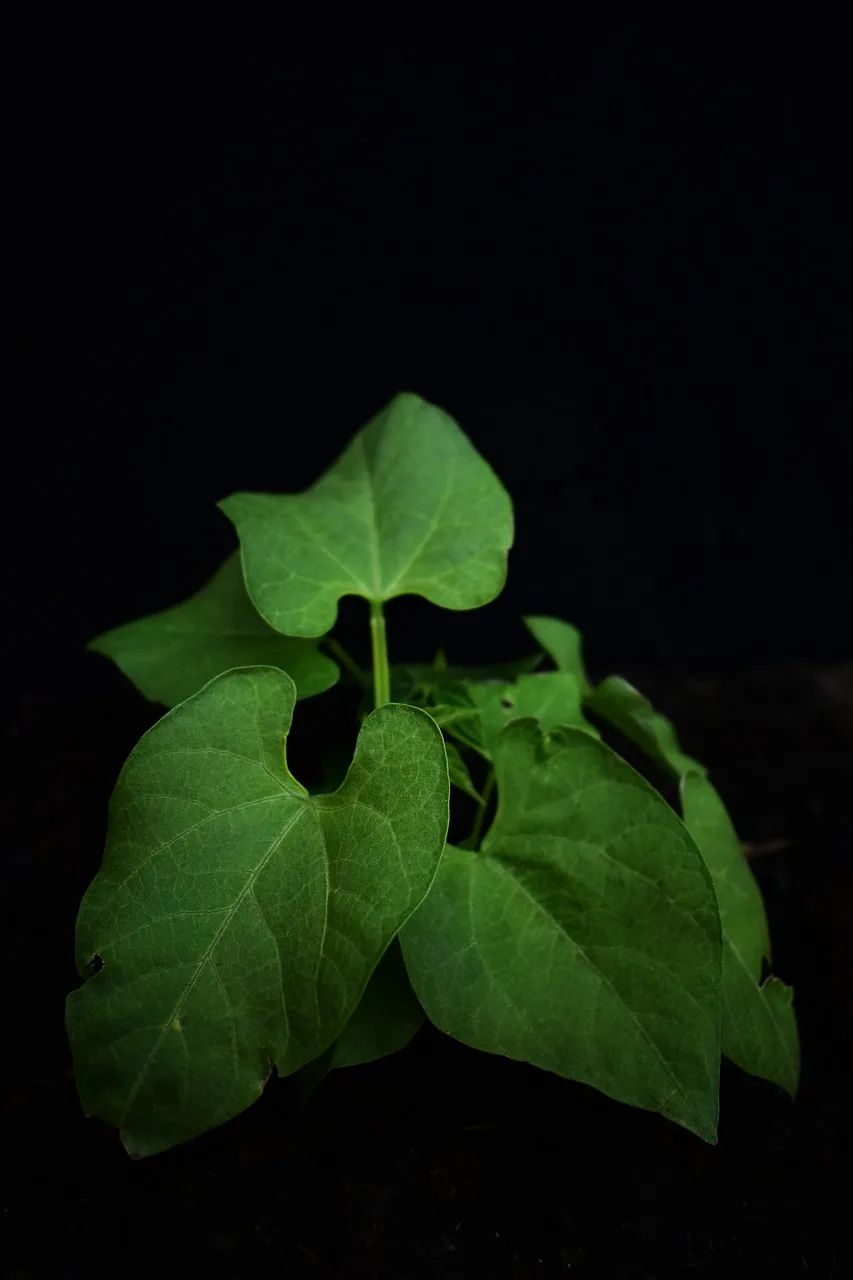

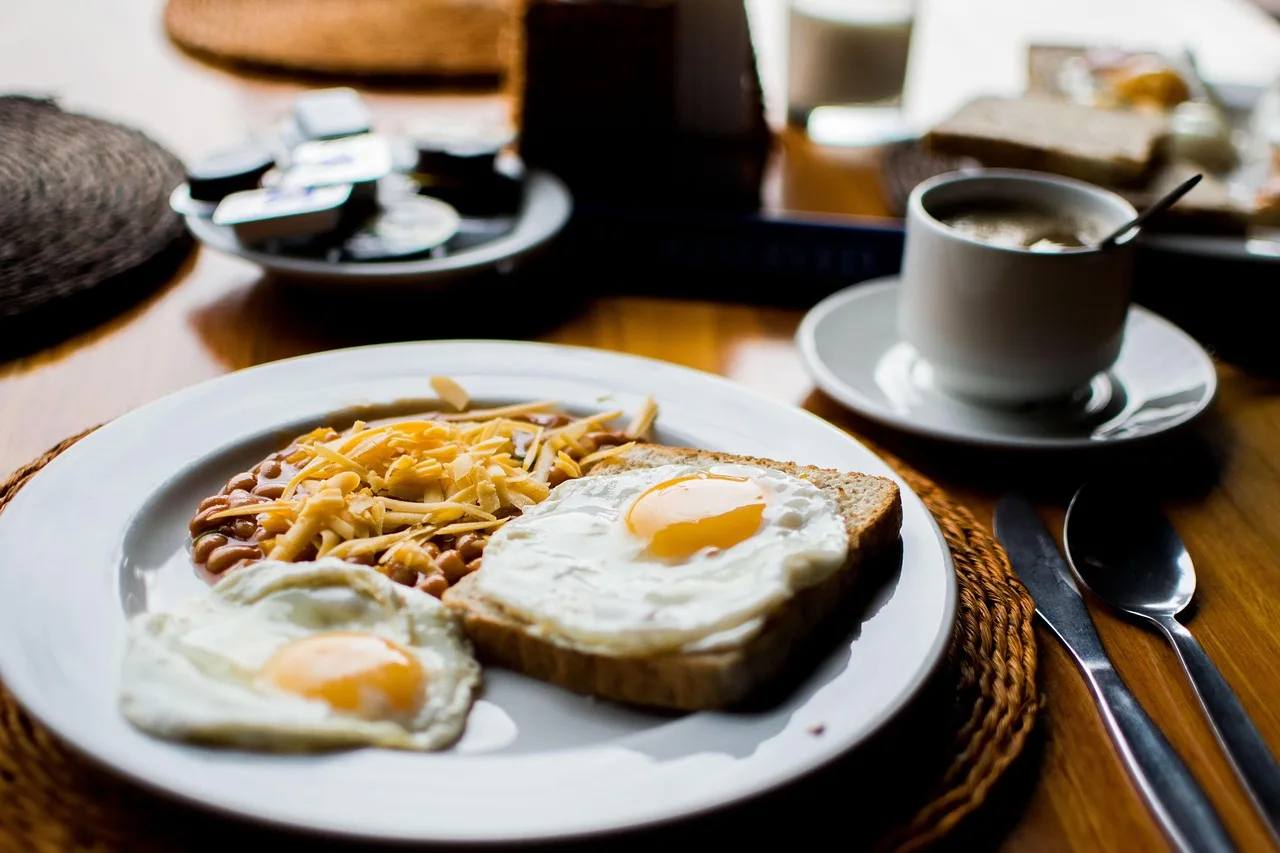
Çekim Tablosu
Belirtme (-i)fasulyeyi
Yönelme (-e)fasulyeye
Bulunma (-de)fasulyede
Çıkma (-den)fasulyeden
Tamlayan (-in)fasulyenin
Çoğul (-ler)fasulyeler
Tanım
•isim, bitki bilimi: Fasulyegillerden, barbunya, çalı, ayşekadın, horoz vb. türleri bulunan bitki (Phaseolus vulgaris)
•Bu bitkinin sebze olarak yararlanılan yeşil ürünü ve kuru tohumları
Diğer Dillerde
AlmancaBean, Bohne, Bohnenpflanze (dişil) /ˈboː.nə/
bean
çekim: çoğul Bohnen · tamlayan Bohnen
eş: Fisole
köken: From Middle High German bone, from Old High German bōna, from Proto-West Germanic *baunu, from Proto-Germanic *baunō, from Proto-Indo-European *bʰabʰ- (“bean”). Compare Danish bønne, Dutch boon, English bean, Low German Bohn, West Frisian bean.
aile: bohnenförmig, Böhnchen
Limabohnen. — Lima fasülyeleri.
strictly, a broad bean (Vicia faba) · non-legume beans, as in coffee beans · the trinket in a king cake (galette des rois) – originally an actual broad bean, today often a plastic, metal or porcelain figurine
çekim: çoğul fèves
eş: bine
köken: Inherited from Old French feve, from Latin faba, from Proto-Indo-European *bʰabʰ- (“bean”). Cognate with Spanish haba, Italian fava.
Les haricots en grains. — Lima fasülyeleri.
bean seed · green bean · bean plant
çekim: çoğul alubias
eş: caraota, faba, fréjol, frijol, habichuela, judía
köken: Borrowed from Andalusian Arabic اللُوبِيَاء (al-lúbiaʔ), from Arabic لُوبِيَاء (lūbīyāʔ), from Persian لوبیا (lubiyâ).
- ¡Pequeñaja! — -Fasulye kız!
İtalyancafagiolo (eril) /faˈd͡ʒɔ.lo/
bean
çekim: çoğul fagioli
köken: From Latin phaseolus, probably from Ancient Greek φάσηλος (phásēlos) or from Ancient Greek φασούλια (phasoúlia), φασολιά (fasoliá) or related to either. Unrelated to fava.
- La ragazzina! — -Fasulye kız!
Rusçaботан. фасоль (Phaseolus)
- Эй, малявка! — -Fasulye kız!
fava beans, fava (Vicia faba)
çekim: çoğul أَفْوَال · tamlayan فُولٍ
köken: Claimed to be borrowed from Aramaic פֹּולא (pōlā, “bean”), which is supported by the names of other grain-yielding legumes حِمَّص (ḥimmaṣ, “chickpea”), بَاقِلّاء (bāqillāʔ, “broad bean”), تُرْمُس (turmus, “lupin”), خُلَّر (ḵullar), جُلُبَّان (julubbān, “grasspea”), فَصْفَص (faṣfaṣ, “lucerne”) being borrowed from Aramaic, though عَدَس (ʕadas, “lentils”) is an example against this. Ultimately…
aile: فُول مُدَمَّس, فُولٌ سُودَانِيّ
عمتى اثنان حساء عجين الفاصوليا لو سمحت — 2 fasülye çorbası.
Farsçaباقالا, لوبیا /loː.bi.ˈjaː/
bean · legume
çekim: çoğul لوبیاها
köken: Borrowed from Ancient Greek λόβια (lóbia), plural of λόβιον (lóbion, “fruit of the cowpea (σμῖλαξ (smîlax))”), from Akkadian 𒇻𒂠𒊬 (LU-UB₂-^(SAR) /lubbu, luppu/, “cowpea”), from Sumerian 𒇻𒂠𒊬 (LU-UB₂-^(SAR) /lub/, “cowpea”), likely connected to the Sumerian 𒇻𒂠 (LU-UB₂ /lub/, “pouch, pod, bag”); possibly also found in Arabic جُلُبَّان (julubbān, “grass pea”).
Azericelobya
common bean, string bean
çekim: çoğul lobyalar · tamlayan lobyanın
köken: Borrowed from Classical Persian لوبِیَا (lōbiyā).
Kazakçaбұршақ
hail
çekim: çoğul бұршақтар · tamlayan бұршақтың
köken: From Proto-Turkic *burčak. Cognate with Bashkir борсаҡ (borsaq), Kyrgyz буурчак (buurcak), Turkish burçak, etc.
Özbekçeloviya
Felemenkçeboon (dişil) /boːn/
bean
çekim: çoğul bonen
eş: gewone boon, labboon, tuinboon
köken: From Middle Dutch bône, from Old Dutch *bōna, from Proto-Germanic *baunō.
aile: blauwe boon, bonenkruid, bruine boon, cacaoboon, heilig boontje, kidneyboon, koffieboon, rumboon, snijboon, sojaboon
Limabonen. — Lima fasülyeleri.
Portekizcefeijão (eril) /fe(j)ˈʒɐ̃w̃/
bean (seed)
çekim: çoğul feijões
köken: From Old Galician-Portuguese *feijõo, variant of feijoo, from Latin phaseolus, probably from Ancient Greek φάσηλος (phásēlos). Doublet of Feijó. Cognate with Galician feixón, Ladino fijon, Spanish frijol, Catalan fesol and Italian fagiolo.
aile: feijão com arroz, feijão-branco, feijão-carioca, feijão-de-frade, feijão-de-vara, feijão-preto, feijão-tropeiro, feijão-vermelho, feijãozinho, feijoada
- Miúda Rebento de Soja! — -Fasulye kız!
Yunancaφασουλι
-Κοριτσάκι! — -Fasulye kız!
Japonca隠元 /ĩŋɡẽ̞ɴ/
short for 隠元豆 (ingen-mame, “common bean (Phaseolus vulgaris)”)
召し上がってください — 2 fasülye çorbası.
İsveççeböna
a bean · a babe, a chick ((younger) woman)
çekim: çoğul bönor · tamlayan bönas
köken: From Old Swedish bøna, bøn, from Old Norse baun, from Proto-Germanic *baunō, from Proto-Indo-European *bʰabʰ-, *bʰabʰ-eh₂-. The final -a was added under Middle Low German influence.
aile: bondböna, brun böna, böngrodd, kaffeböna, kidneyböna, mungböna, pintoböna, sojaböna, svart böna, vit böna
-Lilla tjejen! — -Fasulye kız!
vita bönor
bruna bönor med fläsk
bean (seed)
çekim: çoğul fasole · tamlayan fasoli
eş: gw. (Poznań) biały groch, gw. (Poznań) szablak, gw. (Warszawa) szablasty groch, gw. (Kraków) fazola, groch, gw. (Lwów) szabelbonik
köken: Etymology tree Ancient Greek φάσηλος (phásēlos)der.? Latin phasēlus Latin phaseoluslbor. Polish fasola Learned borrowing from Latin phaseolus.
aile: fasolowy, fasolówka
- Mała! — -Fasulye kız!
Ukraynacaбіб, квасо́ля, фасо́ля /bʲib/
bean · potato
çekim: çoğul боби́ · tamlayan бо́бу
köken: Inherited from Middle Ukrainian бѡбъ (bôb), from бобъ (bob), from Proto-Slavic *bobъ.
Тому подобається квасоля. — Tom fasulye sever.
Hintçeसेम (dişil)
bean (plant and pod)
çekim: çoğul सेमें
köken: From Shauraseni Prakrit, from Sanskrit शैम्ब्य (śaimbya, “of or pertaining to legumes”), from शिम्ब (śimba). See also छीमी (chīmī, “pod, legume”).
तू गेहूं, जव, सेम, मसूर, बाजरा, और कठिया गेहूं ले कर, एक बासन में रख कर उन से रोटी बनाया करना
grain, kernel, corn (single seed of grain) · caryopsis (dry fruit typical of the family Poaceae, such as wheat, rice, and corn) · achene (seed of hay)
çekim: çoğul jyvät · tamlayan jyvän
köken: From Proto-Finnic *jüvä (compare Veps jüvä), from earlier *jewä, borrowed from an Indo-European language (probably Proto-Balto-Slavic *jéwos), ultimately from Proto-Indo-European *yéwos (“barley, cereal”). Compare Moksha юв (juv, “chaff, empty glume”).
aile: jyvittää, jyväinen, jyvällinen, jyvänen, jyväsin, jyvästö, hiekanjyvä, hiekkajyvä, hienojyväinen, hulejyvä
-Pavunitutyttö! — -Fasulye kız!
erottaa jyvät akanoista
tiedonjyvä
Çekçefazole (dişil) /ˈfazolɛ/
bean
çekim: çoğul fazolí · tamlayan fazolí
köken: Borrowed from German Fasole, itself from Latin phaseolus.
Tohle je zase výtažek ze sojových bobů. — Soya fasülyesi ezmesi:
a type of bean, field bean, horse bean, broad bean · a grain · any seed, pit, stone, berry
çekim: çoğul boabe · tamlayan bobului
köken: Borrowed from Serbo-Croatian bȍb.
Fasolea Lima. — Lima fasülyeleri.
bean
çekim: çoğul babok
köken: From a Slavic language, compare Serbo-Croatian bob, Slovak bôb, Russian боб (bob, “bean”), from Proto-Slavic *bobъ. Related to Finnish papu.
aile: babos, babérc, babfőzelék, babgulyás, babkaró, babkávé, bableves, babliszt, babszalma, babszem
Szójabab kivonat. — Soya fasülyesi ezmesi:
İbraniceפּוֹל, שְׁעוּעִית
זאת תמצית מפולי סויה. — Soya fasülyesi ezmesi:
Latincefaba, phaseolus /ˈfa.ba/
bean · horse bean · a small object with the shape of a bean.
çekim: çoğul fabae · tamlayan fabae
köken: Etymology tree Proto-Italic *fabā Latin faba From Proto-Italic *fabā (“bean”). Akin to Proto-Slavic *bobъ, Ancient Greek φακός (phakós) and Proto-Germanic *baunō, ultimately likely from a European substrate.
aile: fabāceus, fabāginus, fabālia, fabālis, fabārius, fabātus, Fabius, fabulus
Pinguia cūr illīs gustentur lārda Kalendīs,
bean
çekim: çoğul bønner · tamlayan bønnes
köken: From Old Danish bøøn, from Old Norse baun, from Proto-Germanic *baunō, from Proto-Indo-European *bʰabʰ-, *bʰabʰ-eh₂- (“bean”). The final -e was added under Middle Low German influence.
- Lille pige! — -Fasulye kız!
Endonezcekacang /ˈkat͡ʃaŋ/
bean · peanut · legume
çekim: çoğul kacang-kacang
köken: From Malay kacang.
aile: kacang anoa, kacang arab, kacang asam, kacang asin, kacang atom, kacang babi, kacang badam, kacang bali, kacang bandung, kacang banteng
Kacang lima. — Lima fasülyeleri.
Vietnamcađậu /ʔɗəw˧˨ʔ/
bean
köken: Sino-Vietnamese word from 豆 (“bean”).
aile: củ đậu, đậu bắp, đậu cô ve, đậu dải, đậu dải áo, đậu đen, đậu đỏ, đậu đũa, đậu hà lan, đậu hoà lan
Đậu lima. — Lima fasülyeleri.
Etimoloji
Pontus Rumcası
Deyimler
fasulye gibi kendini nimetten saymak
fasulye sırığı gibi
Kelime Ailesi
Eş & Zıt Anlamlılar
Eş anlamlılar
Örnek Cümleler
Fasülye nerde?
Where are the beans?
Sorgum Fasulye
Sorghum Various types of beans
Lima fasülyeleri.
lima beans.
Kim fasulye sever?
Who likes beans?
Tom fasulye sever.
Tom likes beans.
2 fasülye çorbası.
Aunty, two bean-paste soups please.
Adam fasulye yiyor.
The man eats beans.
Fasulyeyi seviyorum.
I like beans.
Fasulyeleri dökmeyin.
Don't spill the beans.
O, fasulyeyi seviyor.
He likes beans.
Sen fasulye seversin.
You like beans.
Soya fasülyesi ezmesi:
And extract from soybeans.
Birleşik Kelimeler
fasulye pilakisifasulye piyazıboncuk fasulyekuru fasulyetaze fasulyeyeşil fasulyeçalı fasulyesihoroz fasulyesisırık fasulyesisoya fasulyesişeker fasulyesi