Sözlük
/eşek
eşek
/eˈʃec/
noun
B2 seviye
TR → EN
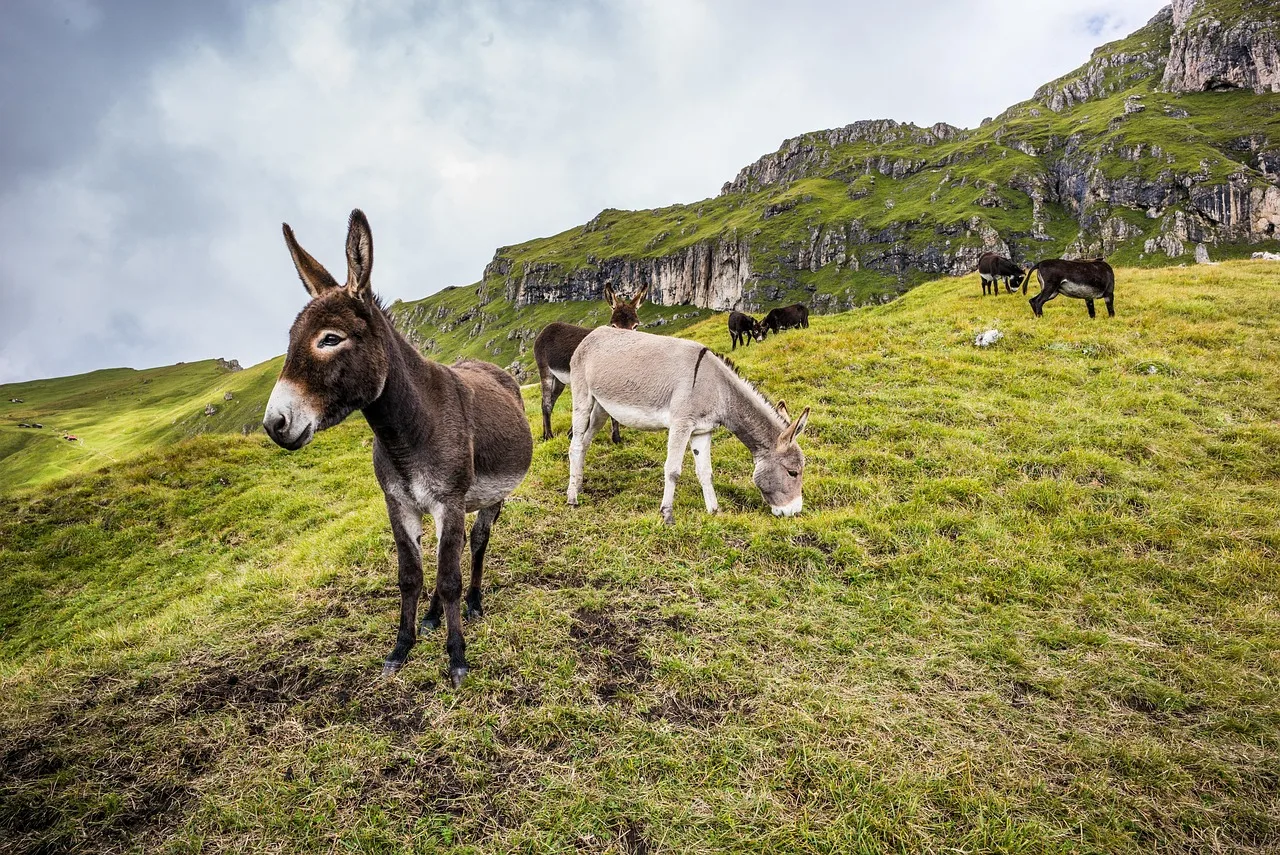
"eşek" kelimesinin İngilizcesi: donkey, ass, dickey, donkey, donkey. Anlamı, çevirisi, telaffuzu ve örnek cümleler aşağıdadır.
Çeviri
Geneldonkeynoun
Genelass
Geneldickey
Geneldonkey
Geneldonkey
Geneldonkey
Görsel
Çekim Tablosu
Belirtme (-i)eşeği
Yönelme (-e)eşeğe
Bulunma (-de)eşekte
Çıkma (-den)eşekten
Tamlayan (-in)eşeğin
Çoğul (-ler)eşekler
Tanım
•(mecaz) kaba, yeteneksiz, inatçı kişi
•atgillerden, uzun kulaklı binek ve hizmet hayvanı, merkep, karakaçan, uzun kulaklı
•duvar örme, sıva yapma vb. işlerde kullanılan dört ayaklı sehpa
•odun kesmek için kullanılan üç veya dört ayaklı sehpa
•Atgillerden, uzun kulaklı binek ve hizmet hayvanı
•Kaba, yeteneksiz, inatçı kimse
•Odun kesmek için kullanılan üç veya dört ayaklı sehpa
•Duvar örme, sıva yapma vb. işlerde kullanılan dört ayaklı sehpa
Atasözü & Deyim
“Eşek kulağı kesilmekle küheylan olmaz”
“Ölmüş koyun (eşek) kurttan korkmaz”
“Baş ol da eşek başı (soğan başı) ol”
“Eşek hoşaftan ne anlar (suyunu içer, tanesini bırakır)”
“Aksak eşekle yüksek dağa çıkılmaz”
Diğer Dillerde
ass, donkey · a stupid person · a stubborn person
çekim: çoğul Eseln · tamlayan Esels
eş: Gevatter Langohr, großes Langohr, Hans Langohr, dem lieben Gott sein Reittier, Grautier, Donkey
köken: From Middle High German esel, from Old High German esil, from late Proto-West Germanic *asil, which is borrowed from Late Latin asellus.
aile: der Esel geht immer voran, der Esel nennt sich immer zuerst, ein Esel schilt den andern Langohr, Eselsbrücke, Eselsohr
Ihr Arschlöcher! — Bre eşek!
Fransızcaâne, Âne, baudet (eril) /an/
donkey, ass · idiot, moron · dunce
çekim: çoğul ânes
eş: aliboron, âneau, baudet, bourri, bourricot, bourrique
köken: Etymology tree Latin asinus Old French asne Middle French asne French âne Inherited from Middle French asne, from Old French asne, from Latin asinus.
aile: âne bâté, ânerie, ânesse, ânier, asinin, bander comme un âne, bonnet d'âne, concombre d'âne, coup de pied de l'âne, dos d'âne
15 costumes. — 15 eşek.
mule; beast of burden
çekim: çoğul acémilas
köken: Borrowed from Arabic الزَّامِلَة (az-zāmila, “beast of burden”) (compare Maltese żiemel (“horse”)).
aile: acemilero
¡Baraba! — Bre eşek!
donkey, ass (mammal) · dunce, ass
çekim: çoğul asini
eş: ciuco, somaro, analfabeta, ignorante, incolto, sciocco
köken: Etymology tree Latin asinus Italian asino Inherited from Latin asinus.
aile: asinello, asineria, asinino, asinità
Ti buco! — Bre eşek!
Rusçaзоол. осёл, ишак (Equus asinus asinus)
зоол. осёл, ишак (Equus asinus asinus)
О, осёл! — Bre eşek!
Arapçaحُمار, حِمَار, طيز, طِيز, عَجِيزَة, قَعَر
سافل . — Bre eşek!
donkey, ass · fool · in compounds meaning big, large
çekim: çoğul خرها
eş: الاغ, درازگوش
köken: From Middle Persian [Book Pahlavi needed] (HMRA /xar/), [Book Pahlavi needed] (hl /xar/, “donkey, ass”), from Proto-Iranian *xárah, from Proto-Indo-Iranian *kʰáras. The meaning of something large is presumed to be from the weight-measure خروار (xar-vâr), originally a donkey-load but later even too heavy for a donkey to carry.
aile: خربنده and خربان, خربواز, خربیواز, خرتوت, خرجسته, خرخشه, خرخیار, خرموش, خرمگس, خرنای
foolish, stupid
çekim: karşılaştırma daha ağılsız · üstünlük ən ağılsız
köken: From ağıl + -sız.
donkey, ass, Equus africanus asinus
çekim: çoğul есектер · tamlayan есектің
köken: From Proto-Turkic *eĺčgek (“donkey”). Cognate with Turkish eşek, etc.
Özbekçeeshak, koʻt, xar /eˈʃak/
donkey
çekim: çoğul eshaklar · tamlayan eshakning
köken: Inherited from Chagatai ایشاک (ešäk), from Proto-Turkic *eĺčgek. cognates Cognate with Turkish and Crimean Tatar eşek, Azerbaijani eşşək, and Kazakh есек (esek). Also compare Russian ишак (išak), a Turkic borrowing.
Felemenkçeezel, ezel, domoor, domkop (eril) /ˈeː.zəl/
donkey, ass (Equus asinus or Equus asinus asinus) · fool, idiot · easel
çekim: çoğul ezels
eş: grauwtje, sufferd, oen, onbenul, rund, stommeling
köken: From Middle Dutch ēsel, from Old Dutch esil, from Proto-West Germanic *asil, from Late Latin asellus.
aile: ezelachtig, ezelen, ezelin, ezelsbrug, ezelshoofd, ezelsmelk, ezelsoor, ezelspinguïn, ezelsrug, ezelsveulen
Vijftig dwaasheden. — 15 eşek.
Een ezel balkt: “i-aa, i-aa”.
Wat doen jullie nu? Stomme ezels!
Ezel en palet zijn onmisbare hulpmiddelen van de landschapsschilder.
beast (any large animal) · beast of burden (animal used to transport cargo) · ass (any of several species of horse-like animals)
çekim: çoğul bestas
köken: Inherited from Old Galician-Portuguese besta, probably borrowed from Latin bēstia (“beast”). Doublet of bicha.
aile: besta de carga, besta-fera, bestar, besteira, bestice, bestidade, bestificar
"Canalha! — Bre eşek!
Yunancaβλάκας, γάιδαρος, γάϊδαρος, γαϊδούρα, γαϊδούρι, κώλος (eril) /ˈvla.kas/
person with moderate learning difficulties · idiot, moron, imbecile
çekim: çoğul βλάκες · tamlayan βλάκα
eş: χαζός, ανόητος, κουτός, κουτορνίθι, μπούφος
zıt: έξυπνος
köken: Inherited from Ancient Greek βλάξ (bláx, “soft”) from the accusative singular τὸν (tòn) βλάκα (bláka), from Proto-Indo-European *mel- (“soft, weak, tender”) (through *μλάξ [mláx] > *μβλάξ [mbláx]). Cognates include Latin mollis (“soft, mild”), Sanskrit मृदु (mṛdú, “soft, mild, weak”) and English mild.
aile: αρχιβλάκας, βλακεία
Ποια Σκυλιά 15. — 15 eşek.
Japonca驢馬 /ɾo̞ba̠/
a donkey (domestic animal)
köken: Appears to be an orthographic borrowing from Chinese 驢馬 /驴马, first attested in Japanese in the late 1400s. While the donkey has been known in Japan since antiquity, it seems it was never an important part of Japanese culture. The oldest likely mention was of an 兎馬 (usagiuma, literally “rabbit-horse”), interpreted as referring to a donkey for their longer ears.
バカ野郎! — Bre eşek!
buttocks; butt · anus; butthole
eş: 臀, 尻, 胐, 臀部, 屁股, 屁股
aile: 十喙九尻川, 喙食,予尻川坐數, 喙食,予尻川坐数, 囡仔人尻川三斗火, 尻川口, 尻川後, 尻川后, 尻川後罵皇帝, 尻川后骂皇帝, 尻川斗
五者大便。 — 15 eşek.
返嚟成晚就講英文 開口就,I Say You Say 「腳倉」就「無洗」
返嚟成晚就讲英文 开口就,I Say You Say 「脚仓」就「无洗」
哪會遮爾媠 尻川黏大腿
Korece당나귀 /ta̠ŋna̠ɡɥi/
donkey
köken: From 당(唐) (Dang, “Tang Dynasty”) + 나귀 (nagwi, “donkey”).
이 씨발놈아. — Bre eşek!
arse, ass · asshole, arsehole
çekim: çoğul arslen · tamlayan arsles
eş: röv
köken: Probably a back-formation from arslet, definite form of arsel, with the same meaning, from an Old Swedish contraction of ars (cognate with English arse) + hol, hul (cognate with English hole), identical to English arsehole.
aile: arslehål, kyss mig i arslet, praktarsle
Småkryp. — Bre eşek!
Vilket jävla arsle han är!
Lehçecztery litery, dupa, dupczenie, dupsko, jebanie, kuper /ˈt͡ʂtɛ.rɘ liˈtɛ.rɘ/
bottom, buttocks · Used other than figuratively or idiomatically: see cztery, litera.
eş: tam, gdzie się kończą plecy, siedzenie, tyłek, pupa, zadek, rzyć
köken: Literally, “four letters”, referencing the word dupa or rzyć.
Moje bąbelki! — Bre eşek!
Ukraynacaвіслю́к, ду́па, за́дниця, іша́к, осе́л
15 гуртожитків. — 15 eşek.
donkey, ass · fool
çekim: çoğul गधे
köken: Etymology tree Sanskrit गर्दभ (gardabha) Prakrit 𑀕𑀤𑁆𑀤𑀳 (gaddaha) Hindi गधा Inherited from Prakrit 𑀕𑀤𑁆𑀤𑀳 (gaddaha), from Sanskrit गर्दभ (gardabha).
Finceaasi, apumoottori, perse /ˈɑːsi/
donkey, ass (Equus asinus) · donkey, stupid person
çekim: çoğul aasit · tamlayan aasin
köken: Borrowed from Old Swedish asne or asni (Swedish åsna), from Old French asne, from Latin asinus. Attested since the time of Mikael Agricola (output c. 1543–1552).
aile: aasimainen, aasianvilliaasi, aasinajaja, aasinkorva, aasinmaksaruoho, aasinpotku, aasinsilta, aasintamma, aasiori, aasitamma
15 Mäntylä. — 15 eşek.
Çekçeçoban eşeği, erkek eşek, eşek arısı, eşek dikeni, hlupák, osel, osel (eril) /ˈosɛl/
donkey, ass · ass (stupid person)
çekim: çoğul osli · tamlayan osla
köken: Inherited from Proto-Slavic *osьlъ, from Gothic 𐌰𐍃𐌹𐌻𐌿𐍃 (asilus), from Latin asellus, diminutive of asinus.
15 svazků. — 15 eşek.
ass, donkey
çekim: çoğul asini · tamlayan asinului
köken: From alteration of the earlier variant asîn or asân (used from the 16th to 18th centuries), itself from Latin asinus. Some writers in the 19th century attempted to revive it under a more Latinized form.
Prostănacii!.... — Bre eşek!
ox (a castrated bull over 4 years old regardless of age at castration)
çekim: çoğul ökrök
köken: Borrowed from Oghur, from Proto-Turkic *öküŕ (“ox”). Compare Chuvash вӑкӑр (văk̬ăr), Mongolian үхэр (üxer); cf. also Oghuz Turkish öküz.
aile: ökörködik, ökörség, ökröcske, ökrös, hatökör, ökörnyál, ökörszem
Ti szemetek! — Bre eşek!
İbraniceאָתוֹן, חֲמוֹר, יַשְׁבָן, מִין, תַּחַת
שקרן! — Bre eşek!
ass, donkey, Equus asinus
çekim: çoğul æsler · tamlayan æsels
köken: Borrowed from Middle Low German esel, from Old Saxon esil, from Proto-West Germanic *asil, from Latin asellus. Largely replaced the inherited Old Norse asni.
aile: hanæsel, hunæsel
De Bitches 10. — 15 eşek.
Deyimler
eşeğini boyayıp tekrar satmak
eşek bağlasan durmaz
eşek gibi
eşek gözlü
eşek kadar
eşek ölüsü gibi
ananı eşek kovalasın
eşeğin büyüğü ahırda
Kelime Ailesi
Eş & Zıt Anlamlılar
Eş anlamlılar
Örnek Cümleler
15 eşek.
15 sellouts.
Bre eşek!
"Bastard!!
Güzel eşek!
Nice ass!
61 000 eşek,
and sixty-one thousand donkeys,
30 500 eşek,
and thirty thousand five hundred donkeys,
Eşek anırıyor.
The donkey is braying.
Eşekler gridir.
The donkeys are gray.
Bir eşek gridir.
A donkey is gray.
Buraya gel, eşek!
Come here, donkey!
Tom eşeklik ediyor.
Tom is being a jerk.
Yaban eşekleri gibi;
As though they were frightened asses
Eşek gibi gidecekler.
They shall leave.
İlgili Sorular
İlgili / Bileşik Terimler
Genelhornet
Genelhornet
Genelprank
Genellecokia cretica
Genelsow thistle
Genelwild chervil
Genelcow parsley
Genelevening primrose
Genelecballium elaterium
Geneloenothera biennis