Sözlük
/valiz
valiz
"valiz" kelimesinin İngilizcesi: suitcase, valise, traveling bag. Anlamı, çevirisi, telaffuzu ve örnek cümleler aşağıdadır.
Çeviri
Genelsuitcasenoun
Genelvalisenoun
Geneltraveling bagnoun
Görsel
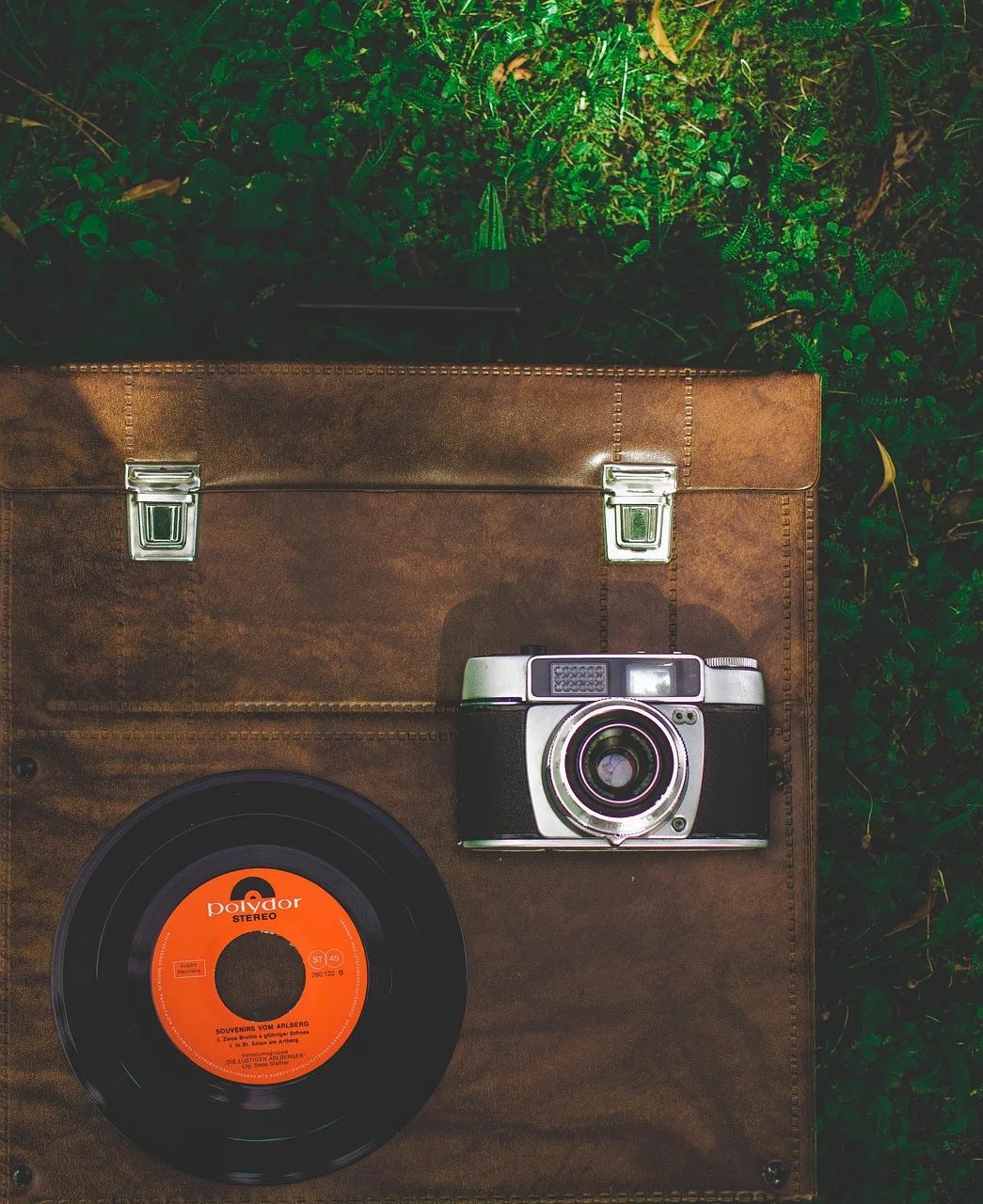

Çekim Tablosu
Belirtme (-i)valizi
Yönelme (-e)valize
Bulunma (-de)valizde
Çıkma (-den)valizden
Tamlayan (-in)valizin
Çoğul (-ler)valizler
Tanım
•isim: Genellikle yolculukta içine çamaşır vb. eşya konulan küçük el bavulu
Diğer Dillerde
Almancakoffer (eril) /ˈkɔfɐ/
a case; a suitcase or briefcase
çekim: çoğul Koffern · tamlayan Koffers
eş: Armleuchter, Flasche, Tölpel, Vollkoffer
köken: From Late Middle High German koffer, from Middle Dutch coffer, from Old French cofre.
aile: auf gepackten Koffern sitzen, aus dem Koffer leben, Kofferatombombe, Kofferbombe, Kofferdamm, Kofferdeckel, Kofferfisch, kofferförmig, Koffergerät, Koffergriff
Mein Koffer ist kaputt. — Valizim kırık.
Fransızcavalise (dişil) /va.liz/
case, suitcase · eyebag
çekim: çoğul valises
köken: Inherited from Middle French valise, from Medieval Latin valesia, valixia, from Late Latin valisia, possibly from Gaulish *valisia (“leather bag”), from Proto-Celtic *val- (“to enclose, surround”), from Proto-Indo-European *welH-. Or, possibly from Arabic وَلِيهَة (walīha, “large bag”). Maybe a borrowing through Italian valigia, even though this is dubious. Compare Spanish valija.
aile: dévaliser, faire sa valise, faire ses valises, mot-valise, poser ses valises
Ma valise est cassée. — Valizim kırık.
Le boiteux empoigna sa valise par terre, la plaça sur une chaise et souleva le couvercle.
suitcase (large piece of luggage) · schoolbag · trunk, boot (of a car)
çekim: çoğul maletas
eş: petaca, valija, baúl, maletera, maletero, valija
köken: From mala (“suitcase”, originally referred to a larger item like a chest or trunk) + -eta (diminutive suffix).
aile: hacer la maleta, hacer las maletas
¿Dónde te compraste la maleta? — Valizi nerede satın aldın?
İtalyancavaligia (dişil) /vaˈli.d͡ʒa/
suitcase
çekim: çoğul valigie
eş: bagaglio, borsa
köken: Borrowed from a language of Northern Italy (cf. Venetan valís, Lombard valiza), from Medieval Latin valesia, valixia, from Late Latin valisia, possibly from Gaulish *valisia (“leather bag”), from Proto-Celtic *wal- (“to enclose, surround”), from Proto-Indo-European *welH-. Or, possibly from Arabic وَلِيهَة (walīha, “large bag”). Related to French valise and Spanish valija, though it is unclear if…
Ti aiuto? — Yardım edeyim mi valizine?
Rusçaчемодан (eril) /t͡ɕɪmɐˈdan/
suitcase, trunk · a heavy projectile, especially that of a naval gun (military slang since the first half of the 20th century, especially WWI; often in quotes) · land yacht (a long, heavy sedan)
çekim: çoğul чемода́ны · tamlayan чемода́на
eş: сумка, лимузин
köken: Via a Turkic medium, from Persian جامهدان (jâme-dân, “suitcase”), from Persian جامه (whence also English pajamas, Russian пижа́ма (pižáma)). Note that this Russian term has later become the source of re-borrowing into modern Persian چمدان (čamedân) and many Turkic languages.
aile: сиде́ть на чемода́нах, трево́жный чемода́н, чемода́н без ру́чки, чемода́нное настрое́ние, From чемода́нный, я́дерный чемода́нчик
Помочь? — Yardım edeyim mi valizine?
— Ты не обижайся. Мы тебе добра хотим. Только зачем ты, дурак, всё к сердцу чемодан прижимаешь? Потому что водка там, что ли?
انتبه الى حقائبي — Valizlerime dikkat et.
Azericeçamadan
suitcase, trunk
çekim: çoğul çamadanlar · tamlayan çamadanın
köken: From Persian جامهدان.
Kazakçaшабадан
suitcase
çekim: çoğul шабадандар · tamlayan шабаданның
köken: From Persian جامهدان. Cognate with Azerbaijani çamadan, Nogai шемидан (şemidan), Tajik чамадон (čamadon), Turkmen çemedan, etc.
Özbekçechemodan
Felemenkçehandkoffer, valies
Wat is er in de koffer? — Valizin içinde ne var?
Portekizcemala (dişil) /ˈma.lɐ/
suitcase · luggage · boot, trunk
çekim: çoğul malas
eş: mala postal, mala de mão, bucho, bunda, retaguarda, traseiro
köken: Borrowed from French malle (“large suitcase; trunk”), from Middle French malle, from Old French male (“leather bag, leather or wooden travel-case”), from Frankish *malha (“leather bag”), from Proto-Germanic *malhō (“leather bag”), from Proto-Indo-European *molko- (“leather bag”).
Uma Valise de couro! — Deri bir valiz.
Yunancaβαλίτσα (dişil) /vaˈli.t͡sa/
suitcase
çekim: çoğul βαλίτσες · tamlayan βαλίτσας
köken: Borrowed from Italian valigia.
aile: βαλιτσάκι, βαλιτσούλα, βαλιτσάρα
Είμαι η Τζέσι, και αυτή είναι η βαλίτσα μου. — Ben Jessi ve bu benim valizim.
suitcase
köken: Borrowed from English suitcase.
荷物の文字通り 15 トン。 — O da tam olarak 15 ton valizle
suitcase
köken: From English suitcase.
제 이름은 제시이고, 이것은 제 여행가방입니다. — Ben Jessi ve bu benim valizim.
İsveççekoffert, resväska
a trunk (large suitcase or chest) · trunk (of a car); luggage compartment
çekim: çoğul koffertar · tamlayan kofferts
Ska jag hjälpa dig? — Yardım edeyim mi valizine?
Lehçewalizka (dişil) /vaˈlis.ka/
diminutive of waliza · suitcase, valise
çekim: çoğul walizki · tamlayan walizki
köken: Etymology tree Polish waliza Proto-Indo-European *-keh₂der. Proto-Balto-Slavic *-kāˀ Proto-Slavic *-ъka Old Polish -ka Polish -ka Polish walizka From waliza + -ka.
Pomóc Ci? — Yardım edeyim mi valizine?
Ukraynacaвалі́за, валі́зка
Мене звати Джесі і це моя валіза. — Ben Jessi ve bu benim valizim.
Fincematkalaukku /ˈmɑtkɑˌlɑu̯kːu/
suitcase, trunk, portmanteau
çekim: çoğul matkalaukut · tamlayan matkalaukun
köken: matka (“trip”) + laukku (“bag”)
aile: matkalaukkuelämä, matkalaukkulapsi
Tämä on se mies jonka matkalaukun löysin. — Bu, valizini bulduğum adam.
Çekçekufr (eril) /ˈkufr̩/
suitcase · boot (British), trunk (North America) (the rear storage compartment of a car)
çekim: çoğul kufry · tamlayan kufru
eş: zavazadelník
köken: Borrowed from German Koffer.
aile: kufřík
Jmenuji se Jessi a tohle je můj kufřík. — Ben Jessi ve bu benim valizim.
suitcase, valise
çekim: çoğul geamantane · tamlayan geamantanului
köken: Borrowed from Ottoman Turkish جامدان (camadan), from Persian جامهدان (jâme-dân).
O valiză adevărată. — Deri bir valiz.
Macarcabőrönd, kézitáska, koffer /ˈbøːrønd/
suitcase
çekim: çoğul bőröndök
köken: First attested in 1786. Back-formation from bőrönde, from bőr (“skin”) + -önde (a suffix created by the language reformers). The -e ending was interpreted as a possessive suffix or a diminutive suffix, so the word was shortened. Created during the Hungarian language reform, which took place in the 18th–19th centuries. For the suffix, compare bölcsőde.
aile: bőröndnyi, bőröndös
Jessi vagyok és ez a bőröndöm. — Ben Jessi ve bu benim valizim.
İbraniceמזוודה \ מִזְוָדָה
אני ג'סי, וזו המזוודה שלי. — Ben Jessi ve bu benim valizim.
box, chest, trunk · window
çekim: çoğul riscī · tamlayan riscī
köken: A borrowing, probably ultimately from Proto-Celtic *rūskos, in any case via Ancient Greek ῥίσκος (rhískos, “chest, trunk”). According to Beekes the change from the Celtic vowel is likely explained by the Ancient Greek word having been borrowed via Phrygian from Galatian.
Dancakuffert
suitcase
çekim: çoğul kufferter · tamlayan kufferts
köken: Via Low German Kuffer, Kuffert, from French coffre, from Latin cophinus, from Ancient Greek κόφινος (kóphinos).
Endonezcekoper /ˈkopər/
briefcase (A case used for carrying documents, especially for business) · suitcase (A large piece of luggage used for carrying clothes, and sometimes suits, when travelling)
çekim: çoğul koper-koper
köken: Borrowed from Dutch koffer.
Apa harus kubantu? — Yardım edeyim mi valizine?
Vietnamcarương hành lý, va li
alternative form of va-li
Cần tôi giúp không? — Yardım edeyim mi valizine?
Slovakçakufor
Mám ti pomôcť? — Yardım edeyim mi valizine?
Etimoloji
Fransızca valise sözcüğünden nakledildi.
Örnek Cümleler
Bu valizi al.
Take this suitcase.
Valizim kırık.
My suitcase is broken.
Valizin hangisi?
Which is your suitcase?
Valizini unuttun.
You forgot your suitcase.
Valizlerim nerede?
Where are my suitcases?
Valizlerin nerede?
Where are your suitcases?
Bu bir deri valiz.
It's a leather valise.
Valiziniz çok ağır.
Your suitcase is too heavy.
Lütfen valizini aç.
Please open your suitcase.
Hangi valiz Tom'un?
Which suitcase is Tom's?
Valizimi kaybettim.
I have mislaid my baggage.
Bu benim valizimdi.
It was my suitcase.
İlgili Sorular
Bir haftaya eski kız arkadaşımın doğum günü geliyor. Bütçem 50‑80 dolar ve hediye 7 saatlik uçuşta valizde rahatça taşınmalı. Hangi hediyeyi almalıydım?
Eski kız arkadaşıma doğum günü hediyesi almak istiyorum. 50‑80 dolar arasında, uçakta valizde sorunsuz taşınabilecek bir şey olmalı. Ne alabilirim?
Filipinli biriyim ve annemin büyük bir valizde "kumbias" adlı komik müziklerin olduğu kasetler var. Dikiş yaparken bu kasetleri çalıyor ve yanındaki herkesi dans ettiriyor. Aklımda kuş sesini andıran "koo koo" ya da "coo coo" melodisi takıldı. Bu şarkıyı bilen var mı?