Sözlük
/tuğla
tuğla
/ˈtuːɫɑ/
noun
C1 seviye
TR → EN
"tuğla" kelimesinin İngilizcesi: brick, brick, brick, brick. Anlamı, çevirisi, telaffuzu ve örnek cümleler aşağıdadır.
Çeviri
Genelbricknoun
Genelbrick
Genelbrick
Genelbrick
Görsel
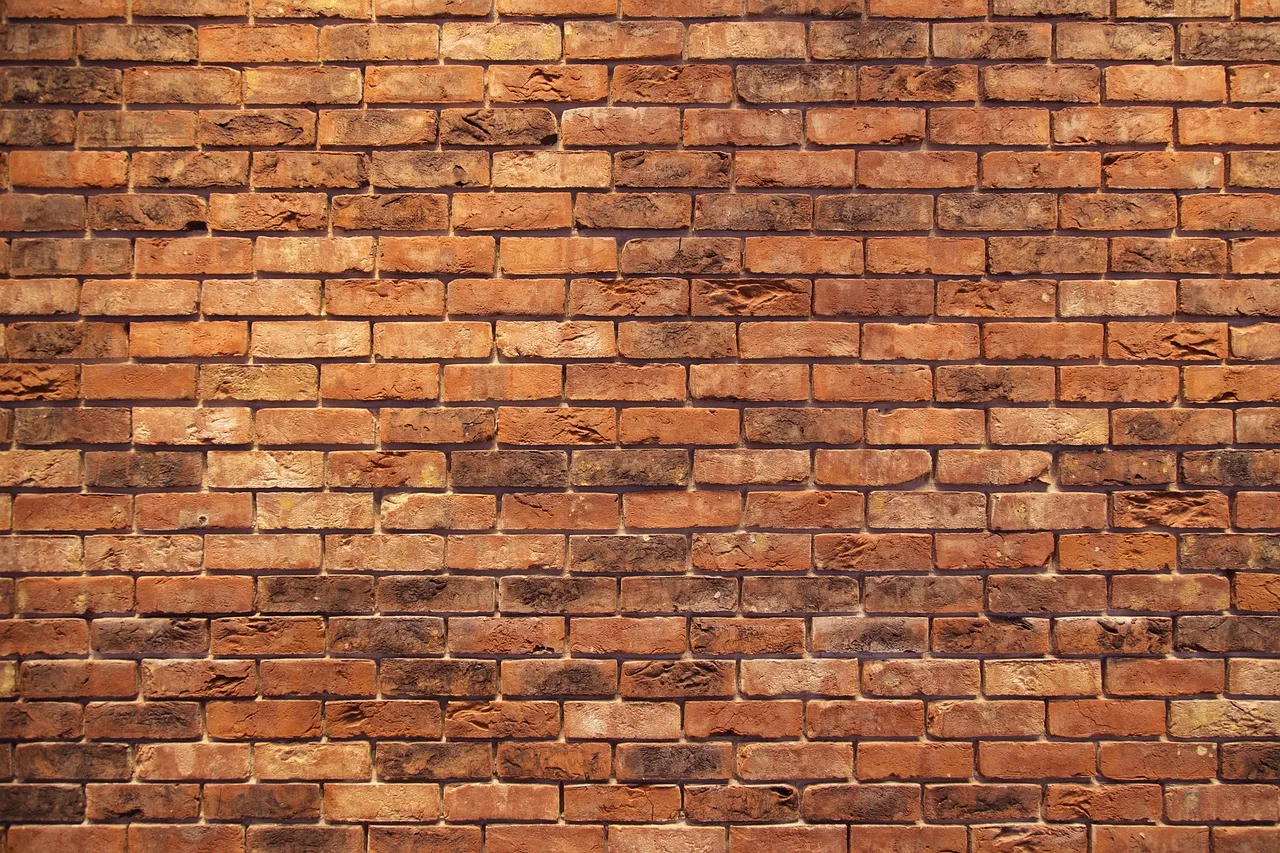
Çekim Tablosu
Belirtme (-i)tuğlayı
Yönelme (-e)tuğlaya
Bulunma (-de)tuğlada
Çıkma (-den)tuğladan
Tamlayan (-in)tuğlanın
Çoğul (-ler)tuğlalar
Tanım
•Ankara ili Çubuk ilçesine bağlı bir mahalle.
•Duvar balçığın kalıplara dökülüp güneşte kurutulduktan sonra özel ocaklarda pişirilmesiyle yapılan ve duvar örmekte kullanılan yapı malzemesi
•Balçığın kalıplara dökülüp güneşte kurutulduktan sonra özel ocaklarda pişirilmesiyle yapılan ve duvar örmekte kullanılan yapı malzemesi
Diğer Dillerde
brick (block made of burnt clay) · one of the lawbooks published with red covers by the C. H. Beck publisher and admitted for examinations
çekim: çoğul Backsteine · tamlayan Backsteins
eş: Baustein, Ziegel, Ziegelstein
zıt: Naturstein
köken: 17th century, from backen (“bake”) + Stein (“stone”), a calque of Middle Low German backstên.
aile: Backsteinexpressionismus, Backsteingotik
Kachelgröße — Tuğla Boy
brick (hardened block used for building) · carton box (food packaging) · doorstop (thick, massive book, large book)
çekim: çoğul briques
eş: balle, bâton, plaque, sac
köken: Of Germanic origin, from Middle Low German bricke and Middle Dutch brike, related to breken (“to break”).
aile: avoir une brique dans le ventre
Taille de tuile — Tuğla Boy
une brique de lait
Marc: […] Un garçon aisé mais qui ne roule pas sur l’or. Aisé sans plus, aisé bon. Qui achète un tableau blanc vingt briques.
İspanyolcabriqueta, ladriello, ladrillo, rasilla, tabique (dişil) /bɾiˈketa/
briquette
çekim: çoğul briquetas
köken: Borrowed from French briquette.
Tamaño de baldosa — Tuğla Boy
İtalyancamattone (eril) /matˈto.ne/
brick · building block · brick, brick red (color)
çekim: çoğul mattoni
eş: laterizio, cotto, (persona, film, romanzo), peso
köken: The origin is uncertain, perhaps from Latin maltha (“cement”).
aile: mattonata, mattoncino, mattonetto
Dimensione mattonella — Tuğla Boy
Rusçaкирпич (eril) /kʲɪrˈpʲit͡ɕ/
brick · no entry traffic sign
çekim: çoğul кирпичи́ · tamlayan кирпича́
eş: кирпидон, кирпичьё, фолиант, брикет, блок, кирпичик
köken: A Turkic borrowing. Compare Kazakh кірпіш (kırpış), Turkish kerpiç, Bashkir кирбес (kirbes), Azerbaijani kərpic, etc.
aile: окирпи́чить, лицо́ кирпичо́м licó kirpičóm)
Размер плитки — Tuğla Boy
brick, baked brick, adobe
çekim: tamlayan طُوبٍ
köken: From Coptic ⲧⲱⲃⲉ (tōbe, “brick”), from Demotic Egyptian tb (“brick”), from Egyptian ḏbt (“brick, block, ingot”): Db-b-t:O39 potentially related to Sumerian 𒁾 (dub).
aile: طَوَّاب, طُوب أَحْمَر, طُوب مُفَرَّغ, طُوب نَيّ
البلاطة الحجم — Tuğla Boy
أُنَاشِدُ وَزِيرَ البِتْرُولِ حَلَّ مَشَاكِلِ مَصَانِعِ طُوبِ زِفْتَى
Farsçaآجُر, خِشْت
Azericekərpic /cærˈpid͡ʒ̥/
brick · diamonds
çekim: çoğul kərpiclər · tamlayan kərpicin
köken: Cognate with Turkish kerpiç, Kazakh кірпіш (kırpış), Bashkir кирбес (kirbes), Yakut кирпииччэ (kirpiičče), Chuvash кирпӗч (kirp̬ĕč), Tatar кирпеч (kirpeç), Uyghur كىرپىچ (kirpich) and in non-Turkic Russian кирпи́ч (kirpíč), Eastern Mari кервыч (kervyč), кермыч (kermyč), кӗрпыц, Udmurt кърпич (krpić), кэрмич (kermić).
Kazakçaкірпіш
brick
çekim: çoğul кірпіштер · tamlayan кірпіштің
köken: Cognate with Old Turkic kerpič (“adobe, brick”), Turkish kerpiç, Bashkir кирбес (kirbes), Yakut кирпииччэ (kirpiičče), Chuvash кирпӗч (kirp̬ĕč), Tatar кирпеч (kirpeç), Eastern Mari кервыч (kervyč), кермыч (kermyč), кӗрпыц, Russian кирпи́ч (kirpíč), Udmurt кърпич (krpić), кэрмич (kermić), etc.
Özbekçegʻisht
Tatarcaкирпеч
brick
Felemenkçebaksteen, bakstenen, beschermengel, kanjer, toeverlaat, tot bakstenen bakken (eril) /ˈbɑk.steːn/
brick · brick, the building material.
çekim: çoğul bakstenen
köken: Compound of bakken + steen.
aile: bakstenen
& Tegelgrootte — Tuğla Boy
hand · forefoot (either of the front feet of a quadruped) · hand (a round of a card game)
çekim: çoğul mãos
eş: mãozinha, mãozita
köken: Inherited from Old Galician-Portuguese mão (“hand”), from Latin manus (“hand”), from Proto-Italic *manus, perhaps from Proto-Indo-European *méh₂-r̥ ~ *mh₂-én-, derived from Proto-Indo-European *(s)meh₂- (“to beckon”), or perhaps from a Proto-Indo-European *mon-u- (see the Proto-Italic entry). Cognate with Galician man, Spanish mano, Catalan mà, Occitan man, French main, Italian mano and Romanian…
aile: à mão, à mão de semear, abrir mão, abrir mão de, aperto de mão, bagagem de mão, cair em mãos erradas, carrinho de mão, com o cu na mão, com uma mão na frente e a outra atrás
Tamanho do padrão — Tuğla Boy
Apontara com a mão machucada.
Yunancaπλινθοδομώ, πλίνθος, τούβλο
To build using bricks.
köken: By surface analysis, πλίνθος (plínthos, “brick”) + δομώ (domó, “to build”). Compare πλινθοδομή (plinthodomí, “brick building”).
Μέγεθος στοιχείων — Tuğla Boy
paperweight · brick (an electronic device, especially a heavy box-shaped one, that has become non-functional or obsolete)
aile: 文鎮化
タイルのサイズ — Tuğla Boy
彼は机の上にあった重い文鎮を取って、突然これで人が殺せるだろうかと尋ねた。
Çince使……變磚 /使……变砖, 好心腸的 /好心肠的, 磚 /砖, 磚仔 /砖仔, 磚塊 /砖块, 磚頭 /砖头
另外會使用冰的咒文。 — Bunun için de kardan tuğlalar kullanılır.
Korece벽돌 /pjʌ̹k̚t͈o̞ɭ/
brick
köken: From 벽(甓) (byeok, “brick”) + 돌 (dol, “stone”).
타일 크기 — Tuğla Boy
창문들은 벽돌로 다 막혀 있었다.
İsveççetegel, tegelsten (nötr)
brick (burned clay, the material, used for roof tiles and bricks), tiles
çekim: çoğul tegels · tamlayan tegels
köken: From Old Swedish tighl, from Old Norse tigl, from Proto-Germanic *tigulǭ. Same as Icelandic tigl, Danish tegel, Old English tigele, English tile, Middle Low German tegel, German Ziegel, Latin tegula, a form of tegere (“to cover”) (a roof with tiles), relating to Swedish tak (“roof”) and täcka (“to cover”). Thus, it was first used for roof tiles, later for wall bricks. Brick building was…
Rutstorlek — Tuğla Boy
huset är gjort av tegel
taket är täckt med tegel
Lehçecegła, ceglany, cegłówka (dişil) /ˈt͡sɛ.ɡwa/
brick (hardened rectangular block of mud, clay, etc., used for building) · brick (thick and uninteresting book) · brick (mobile phone, especially a heavy box-shaped one, that has become non-functional or obsolete)
çekim: çoğul cegły · tamlayan cegły
eş: cegłówka, tomiszcze
köken: Etymology tree Proto-Indo-European *(s)teg-der. Latin tēgulabor. Proto-Germanic *tigulǭ Proto-West Germanic *tigulāder. Old High German ziagalader. Middle High German ziegelbor. Old Polish cegła Polish cegła Inherited from Old Polish cegła.
aile: ceglasty, cegielnia, cegielnik, ceglak, ceglarz, cegłówka, spalić cegłę, palić cegłę
Rozmiar kafla — Tuğla Boy
Ukraynacaце́гла, цегли́на, цегли́стий, цегло́ви́й, цегляни́й, цегля́стий
Розмір & плитки — Tuğla Boy
brick · diamond
çekim: çoğul ईंटें
köken: Inherited from Sauraseni Prakrit 𑀇𑀝𑁆𑀝𑀸 (iṭṭā), from Sanskrit *इष्टा (*iṣṭā), an unsuffixed form of Sanskrit इष्टका (íṣṭakā, “brick”), from Proto-Indo-Iranian *Hišt- (“brick”), possibly from the BMAC substrate. Cognate with Punjabi ਇੱਟ (iṭṭa) / اِٹّ (īṭṭ), Gujarati ઈંટ (ī̃ṭa), Marathi वीट (vīṭ), Bengali ইট (iṭ), and Odia ଇଟା (iṭā).
तू एक ईंट ले और उसे अपने साम्हने रख कर उस पर एक नगर, अर्थात यरूशलेम का चित्र खींच
Finceapu, tiilenpunainen, tiili, tiilinen /ˈɑpu/
help, aid, assistance, relief, succour · helping hand, one who helps · remedy, relief (something that provides a removal of stress or discomfort)
çekim: çoğul avut · tamlayan avun
köken: From Proto-Finnic *apu.
aile: apuinen, aulis, avulias, avullinen, avuton, apua, apulainen, apuri, auttaa, avustaa
Tiilen koko — Tuğla Boy
Apua!
jonkin avulla
apukone
brick (block for building)
çekim: çoğul cihly · tamlayan cihly
köken: Inherited from Old Czech cihla
Velikost dlaždic — Tuğla Boy
nepálené cihly
pálené cihly
Rumencecărămidă (dişil)
brick
çekim: çoğul cărămizi · tamlayan cărămizi
köken: Borrowed from Greek κεραμίδι (keramídi).
aile: cărămiziu
Șterge imaginea — Tuğla Boy
Macarcarendes/derék/megbízható fickó/ember, tégla, téglavörös /ˈteːɡlɒ/
brick · informer, mole, leaker, leak
çekim: çoğul téglák
köken: From Latin tēgula (“roof-tile”).
aile: téglaszerű, téglás, téglaház, téglalap, vályogtégla
Elemméret — Tuğla Boy
İbraniceלְבֵנָה
גודל מרצפות — Tuğla Boy
Latincelater, latericius /ˈɫa.tɛr/
brick, tile · ingot, bar (of precious metal)
çekim: çoğul laterēs · tamlayan lateris
köken: Uncertain. * Perhaps cognate to latus, lateris n (“side, flank”), itself of uncertain origin, but perhaps related to lateō, from *leh₂- (“to be concealed”).
aile: laterculum, laterculus, laterīcius
Etimoloji
From Ottoman Turkish طوغله (tuğla), توغله (tuğla), from Greek τούγλα (toúgla, “roof cover made of terracotta, tile”), from Latin tēgula (“a tile”), related to tegō (“to cover”).
Örnek Cümleler
Tuğla Boy
Tile size
Tuğlalar 2
Bricks 2
Yanlış Tuğla
False Bricks
Tuğla boyutu:
Brick size:
Tuğlaları Çiz
Draw Tiles
X tuğla boyutu
X tile size
Y tuğla boyutu
Y tile size
Mobil Tuğlalar
Mobile Bricks
Bu BRCK (tuğla).
This is the BRCK.
Tuğla kenarlığı:
Tile border:
ateş tuğlasıcolor
firebrick
ateş tuğlası 1color
firebrick1