Sözlük
/nostalji
nostalji
/nɔs.tal.ʒi/
noun
C2 seviye
TR → EN
"nostalji" kelimesinin İngilizcesi: nostalgia. Anlamı, çevirisi, telaffuzu ve örnek cümleler aşağıdadır.
Çeviri
Genelnostalgianoun
Görsel

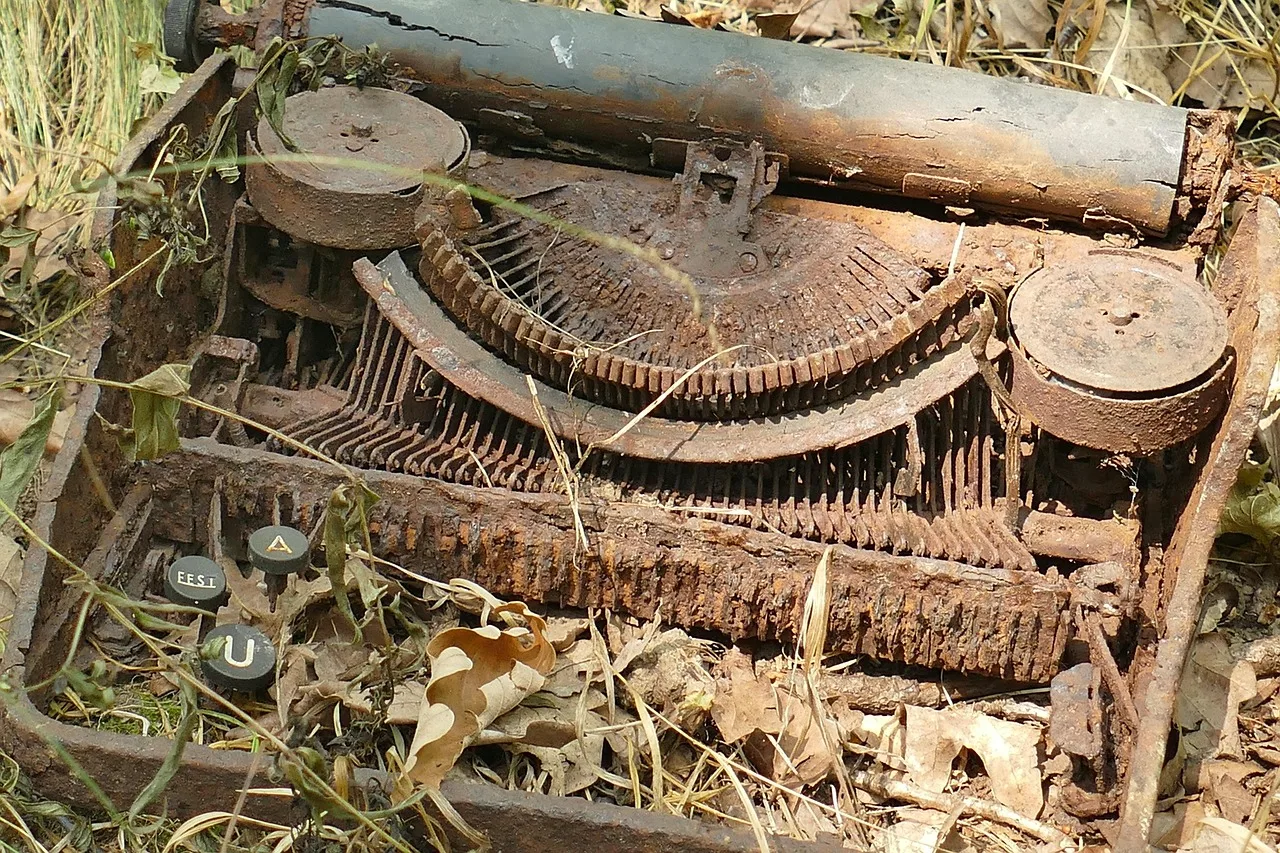


Çekim Tablosu
Belirtme (-i)nostaljiyi
Yönelme (-e)nostaljiye
Bulunma (-de)nostaljide
Çıkma (-den)nostaljiden
Tamlayan (-in)nostaljinin
Çoğul (-ler)nostaljiler
Tanım
•isim: Geçmişte kalan güzelliklere olan özlem duygusu ve bu duygunun baskın bir duruma gelmesi; geçmişseverlik, gündedün
•Değişime karşı duyulan korku sonucu geçmişe sığınma duygusu; geçmişseverlik, gündedün
Diğer Dillerde
nostalgia (yearning for the past) · homesickness
çekim: çoğul Nostalgien · tamlayan Nostalgien
eş: Heimweh
köken: Borrowed from New Latin nostalgia, from Ancient Greek νόστος (nóstos, “a return home”) + ἄλγος (álgos, “pain, suffering”), translating German Heimweh.
aile: nostalgisch, Nostalgiker, Ostalgie
Nostalgie (blau)Description — Nostalji MavisiDescription
FransızcaNostalgie (dişil) /nɔs.tal.ʒi/
nostalgia
çekim: çoğul nostalgies
eş: nostomanie
köken: Borrowed from New Latin nostalgia, coined from Ancient Greek νόστος (nóstos, “a return home”) + ἄλγος (álgos, “pain, suffering”) as a calque of German Heimweh.
aile: nostalgie de la boue
Bleu nostalgiqueDescription — Nostalji MavisiDescription
İspanyolcaañoranza, nostalgia (dişil) /aɲoˈɾanθa/
nostalgia
çekim: çoğul añoranzas
eş: morriña, nostalgia
köken: Borrowed from Catalan enyorança. Doublet of ignorancia.
Nostalgia en azulDescription — Nostalji MavisiDescription
Rusçaностальгия (dişil) /nəstɐlʲˈɡʲijə/
nostalgia
çekim: çoğul ностальги́и · tamlayan ностальги́и
eş: пассеизм
köken: Ultimately from New Latin nostalgia, coined from Ancient Greek νόστος (nóstos, “returning home”) + ἄλγος (álgos, “pain”), translating German Heimweh.
Проклейка бумаги. — Nostaljik Belgeler.
Arapçaاِشْتِيَاق, حَنِين
الحنين بلوزDescription — Nostalji MavisiDescription
Azericenostalgiya
Felemenkçenostalgie (dişil) /nɔs.tɑlˈɣi/
nostalgia
köken: Borrowed from French nostalgie, which via New Latin nostalgia represents a calque of German Heimweh, whence also the direct Dutch calque heimwee (“homesickness”).
aile: nostalgisch
Nostalgia BluesDescription — Nostalji MavisiDescription
Portekizcesaudade (dişil) /sawˈda.d͡ʒi/
wistfulness, melancholy, nostalgia, yearning, longing; the feeling of missing something or someone
çekim: çoğul saudades
köken: First attested in the 16th century, from an alteration of Old Galician-Portuguese soydade, from Latin sōlitātem (“solitude”). Both the semantic and phonetic developments are readily explained by assuming influence by Arabic سَوْدَاء (sawdāʔ, “melancholy”, literally “black bile”). Other possible factors are influence from saudar (“to wish good health”) and saudade (“salvation”) or learned…
aile: saudoso
Nostalgia BluesDescription — Nostalji MavisiDescription
sentir saudade de alguém
ter saudades de casa
matar saudades
Yunancaνοσταλγία (dişil) /no.stalˈʝi.a/
nostalgia, homesickness · nostalgia (bittersweet yearning for the things of the past)
çekim: çoğul νοσταλγίες · tamlayan νοσταλγίας
köken: Learned borrowing from French nostalgie, from New Latin nostalgia; a neoclassical compound coined from Ancient Greek νόστ(ος) (nóst(os), “journey”) + ἄλγ(ος) (álg(os), “pain”) + suffix -ία (-ía).
aile: νοσταλγικός, νοσταλγώ, νοσταλγός
Νοσταλγικό μπλεDescription — Nostalji MavisiDescription
alternative form of ノスタルジア (nosutarujia)
köken: From French nostalgie.
ノスタルジア・ブルーDescription — Nostalji MavisiDescription
perfume, cologne (substance providing a pleasant smell)
köken: Sino-Korean word from 香水, from 香 (“fragrance”) + 水 (“water ; fluid, liquid”).
추억의 파란색Description — Nostalji MavisiDescription
Ukraynacaностальгі́я
Напад ностальгіїDescription — Nostalji MavisiDescription
Hintçeउदासी, गृह-विरह, गृहस्मारी, गृहातुरता (dişil) /ʊ.d̪ɑː.siː/
sorrow, sadness, melancholy · indifference
çekim: çoğul उदासियाँ
köken: From उदास (udās) + -ई (-ī).
wistfulness · nostalgia · melancholy, sadness
çekim: çoğul haikeudet · tamlayan haikeuden
köken: haikea + -us
Nostalgia BluesDescription — Nostalji MavisiDescription
Çekçenostalgie (dişil) /ˈnostalɡɪjɛ/
nostalgia
çekim: çoğul nostalgií · tamlayan nostalgií
köken: Borrowed from Late Latin nostalgia, coined from Ancient Greek νόστος (nóstos, “a return home”) + ἄλγος (álgos, “pain, suffering”).
Description — Nostalji MavisiDescription
Macarcanosztalgia /ˈnostɒlɡijɒ/
nostalgia, homesickness (a longing for home or familiar surroundings) · nostalgia (yearning for the things of the past)
çekim: çoğul nosztalgiák
köken: From French nostalgie, from Ancient Greek νόστος (nóstos, “a return home”) + ἄλγος (álgos, “pain, suffering”).
aile: nosztalgiájú, nosztalgiás
Nosztalgia bluesDescription — Nostalji MavisiDescription
İbraniceנוֹסְטַלְגְיָה
Description — Nostalji MavisiDescription
Dancanostalgi
nostalgia
çekim: tamlayan nostalgis
köken: From New Latin nostalgia, coined from Ancient Greek νόστος (nóstos, “returning home”) + ἄλγος (álgos, “pain”).
aile: nostalgiker, nostalgisk
Nostalgia BluesDescription — Nostalji MavisiDescription
Vietnamcahoài niệm, nỗi nhớ, nuối tiếc /hwaːj˨˩ niəm˧˨ʔ/
to reminisce, to be nostalgic
köken: Sino-Vietnamese word from 懷念.
Name=NostalgyDescription — Nostalji MavisiDescription
Bulgarcaноста́лгия
Description — Nostalji MavisiDescription
Litvancanostalgija
Letoncanostalģija
Taycaความคิดถึง
Katalancanostàlgia (dişil) /nosˈtaʎ.ʒi.ə/
nostalgia · homesickness, longing
çekim: çoğul nostàlgies
köken: Borrowed from New Latin nostalgia.
Galiçyacamorriña (dişil) /moˈriɲa/
longing; nostalgia; homesickness · murrain · grime
çekim: çoğul morriñas
köken: Ultimately from the same Latin etymon as its cognates, Portuguese morrinha and English murrain.
aile: morriñento
A morriña de Galicia confúndese coa morriña do pasado; a morriña do emigrante aseméllase á morriña polos bos tempos idos.
Galcehiraeth (eril) /ˈhɪraɨ̯θ/
wistfulness; nostalgia; longing; homesickness; a deep feeling of yearning for something, someone or somewhere · longing for a romanticized ideal of Wales or Welsh culture · regret
çekim: çoğul hiraethau
köken: From Proto-Brythonic *hiraɨθ, from Proto-Celtic *sīraxto-, akin to Gaulish siraxta (“longing”). Compare Cornish hireth, Breton hiraezh, and Old Irish sírecht. By surface analysis, hir + -aeth.
İzlandacafortíðarþrá, nostalgía /ˈfɔr̥.tʰiːðarˌθrauː/
nostalgia
çekim: tamlayan fortíðarþrár
köken: From fortíðar (“past”, genitive of fortíð) + þrá (“yearning”), literally “yearning of the past”.
Etimoloji
From French nostalgie.
Eş & Zıt Anlamlılar
Eş anlamlılar
Örnek Cümleler
Bu oyun çok nostaljik.
This game is so nostalgic.
Tom nostaljik hissetti.
Tom felt nostalgic.
Sovyet sonrası nostalji
Post-Soviet nostalgia
Nostaljik hissediyordum.
I was feeling nostalgic.
Bu beni nostaljik yapıyor.
It's making me nostalgic.
Nostalji MavisiDescription
Nostalgia Blues
Atari salonu nostaljisi yok.
No arcade nostalgia.
Tom nostaljik oyunları sever.
Tom likes retro gaming.
Bu ilginç çünkü nerdeyse nostaljikler.
And that's interesting because they are almost retrospective.
Tom da ben de nostaljik filmleri severiz.
Both Tom and I like old movies.
Bu şarkıyı dinlerken kalbim nostaljiyle dolar.
Listening to this song fills my heart with nostalgia.
Sami'nin evi nostaljikmiş gibi bir hava veriyor.
Sami's home feels kind of nostalgic.