Sözlük
/matara
matara
"matara" kelimesinin İngilizcesi: canteen, canteen, water bottle. Anlamı, çevirisi, telaffuzu ve örnek cümleler aşağıdadır.
Çeviri
Genelcanteennoun
Genelcanteen
Genelwater bottlenoun
Görsel
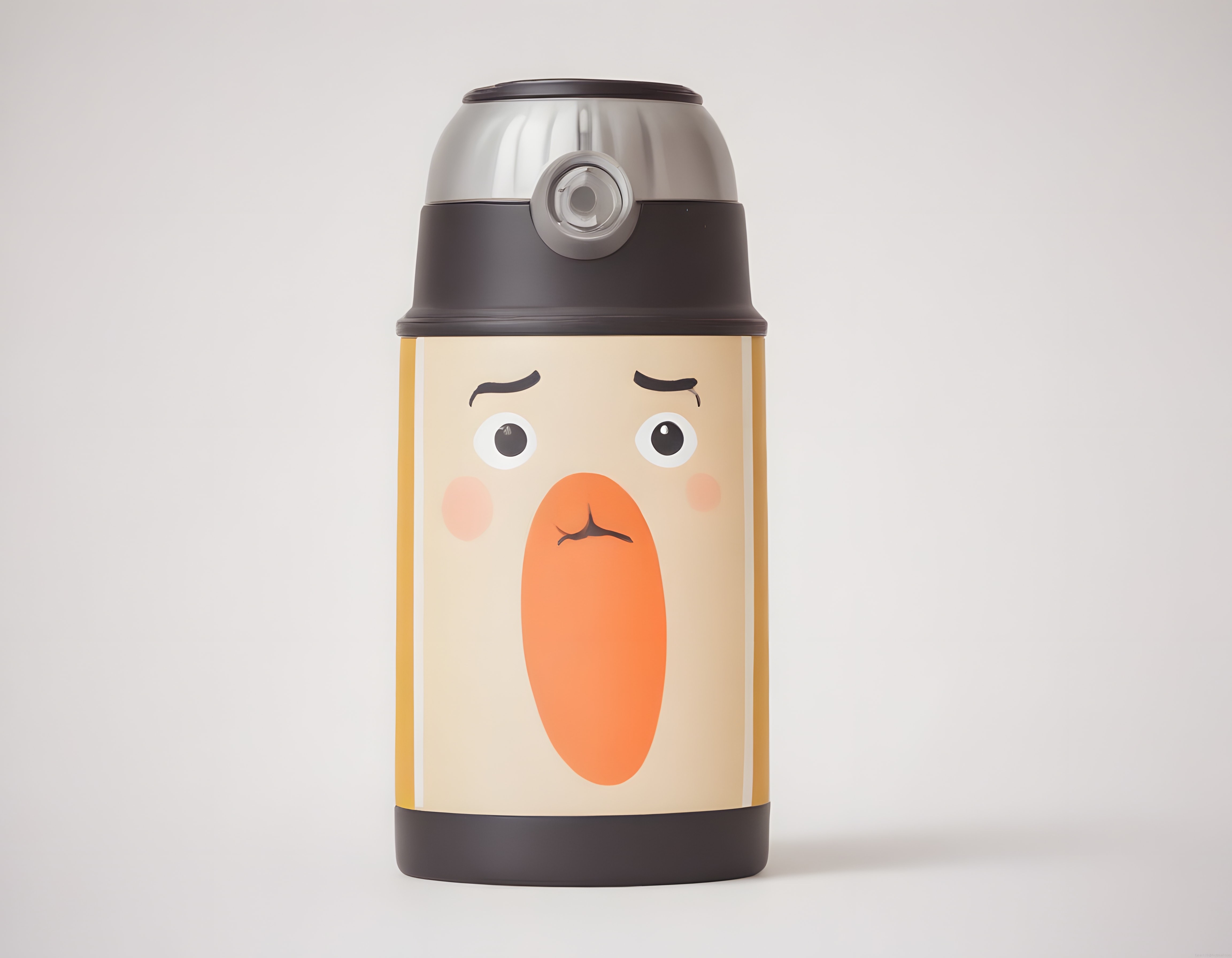
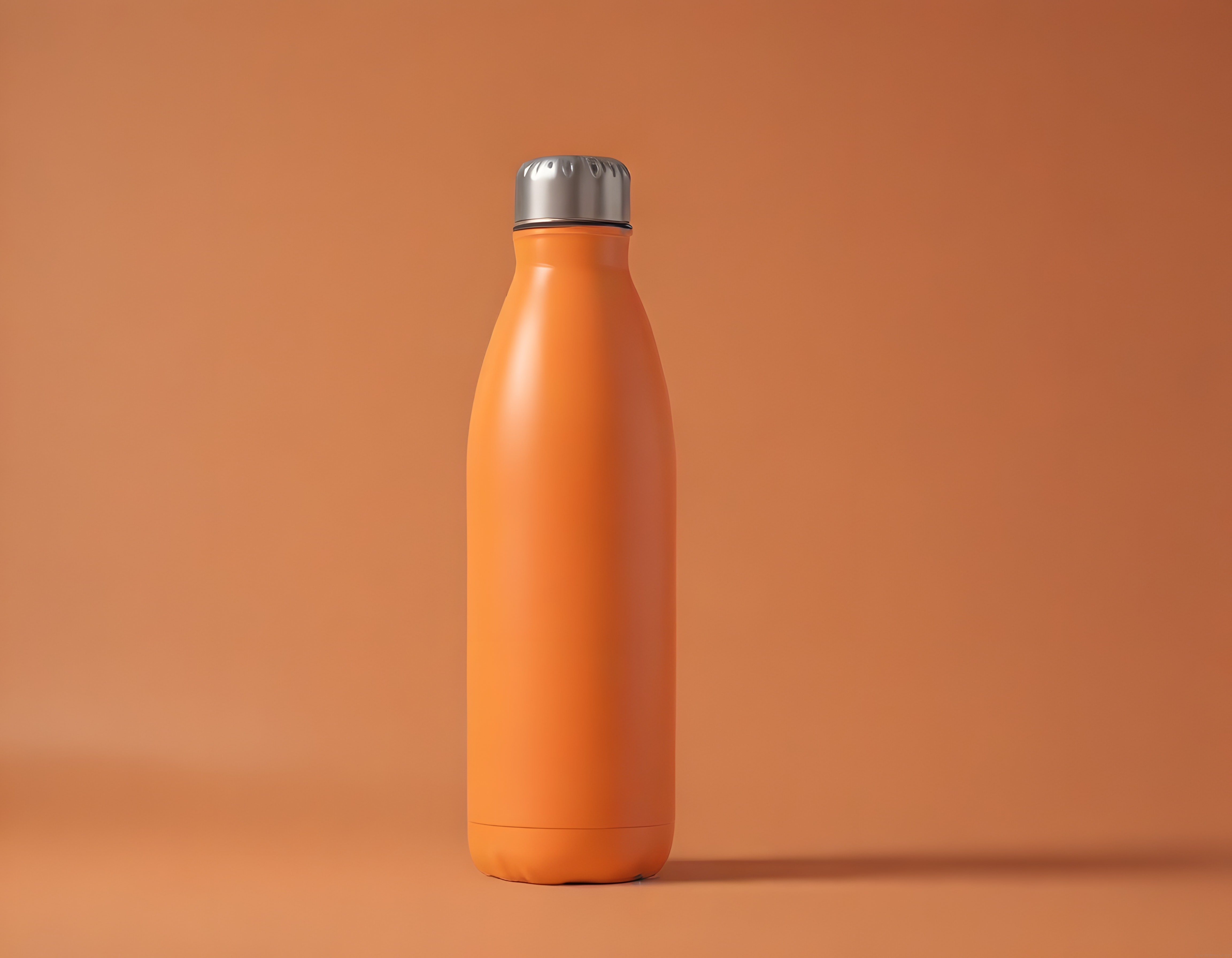
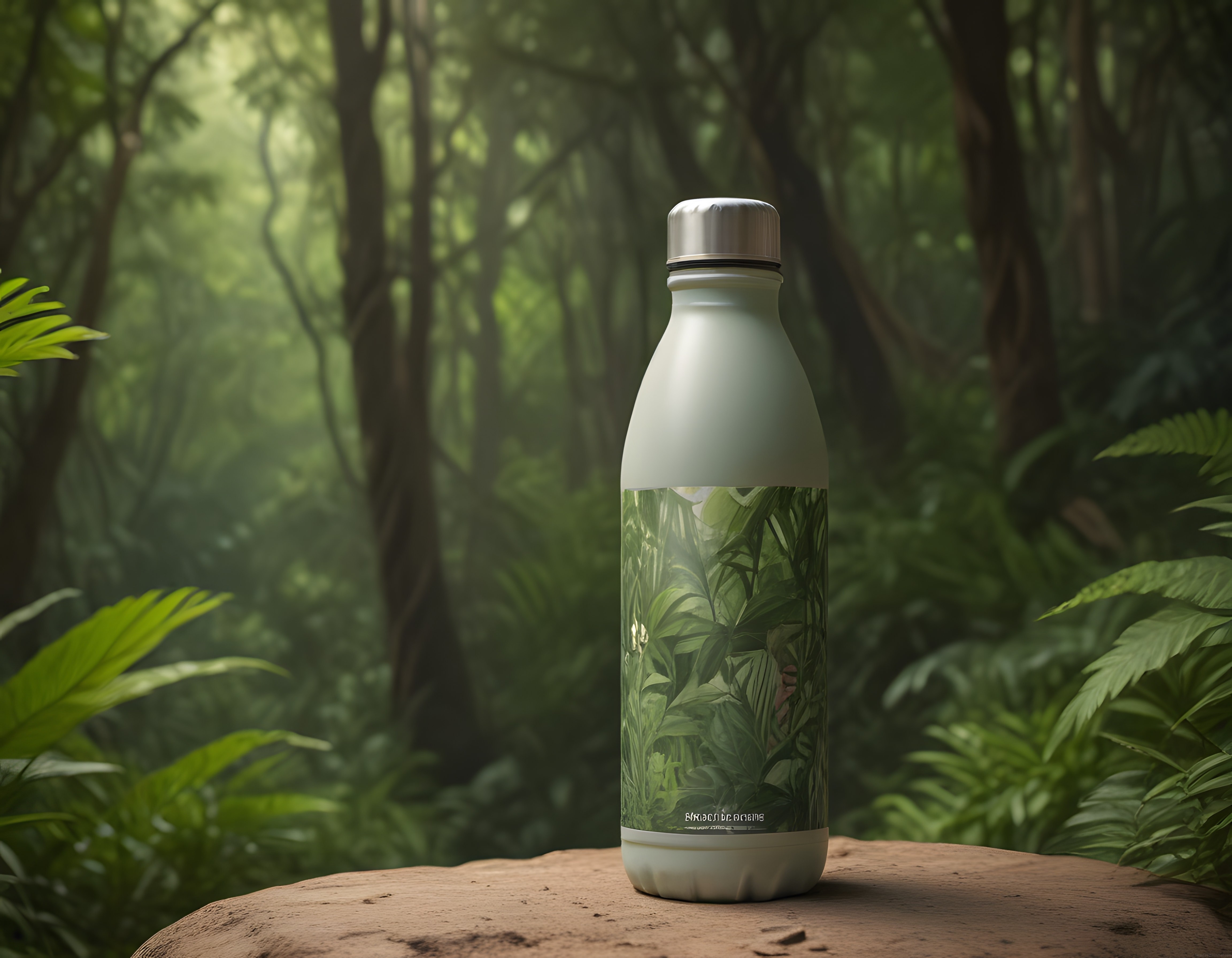
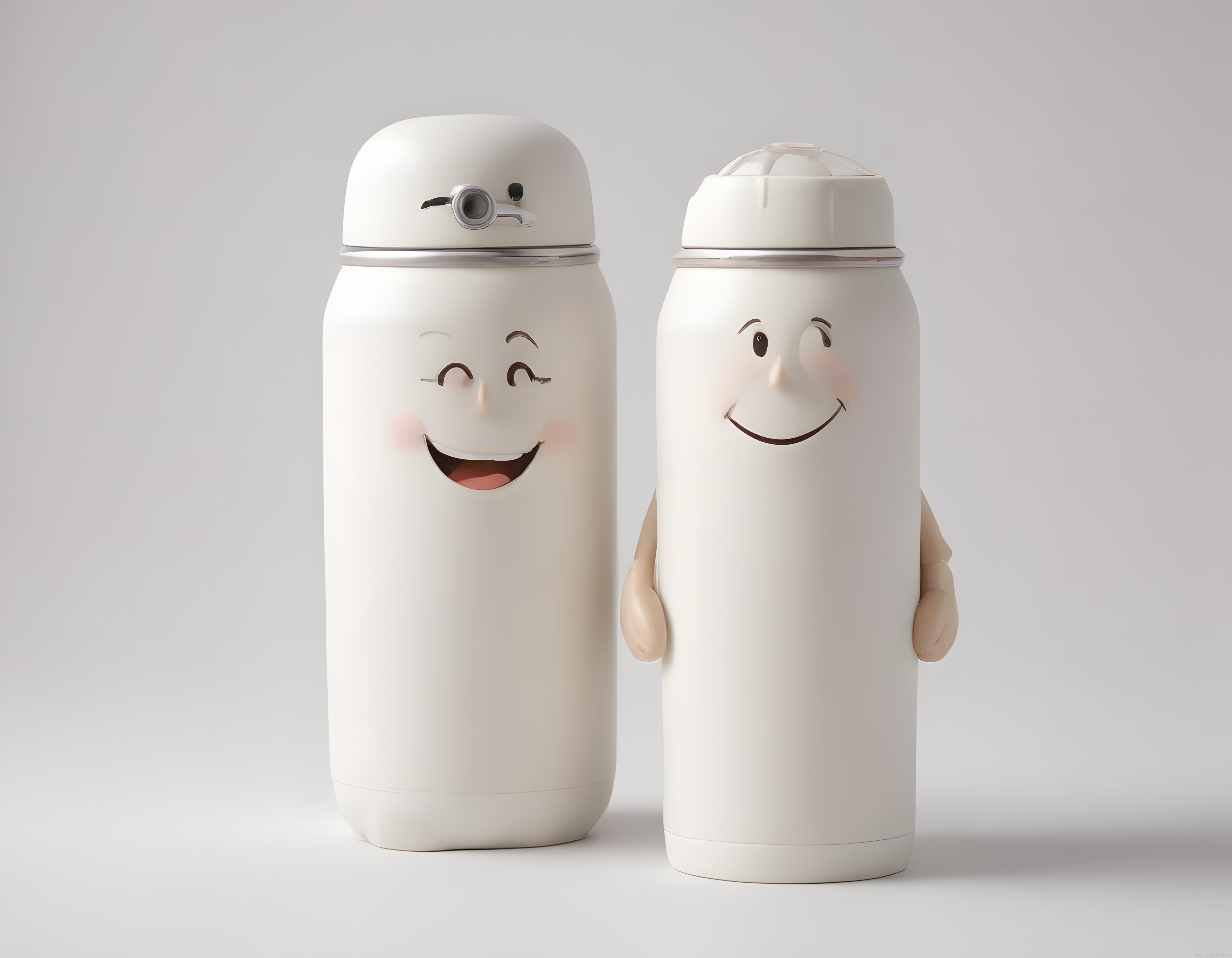
Çekim Tablosu
Belirtme (-i)matarayı
Yönelme (-e)mataraya
Bulunma (-de)matarada
Çıkma (-den)mataradan
Tamlayan (-in)mataranın
Çoğul (-ler)mataralar
Tanım
•isim: Asker, sporcu, yolcu vb.nin kullandığı, genellikle askısı olan, deri, metal, cam veya plastikten yapılan su kabı
•suluk
Diğer Dillerde
AlmancaBesteckkasten, Cafeteria, Feldflasche, Kantine, Mensa (dişil) /kafeteˈʀiːa/
cafeteria
çekim: çoğul Cafeterien · tamlayan Cafeterien
köken: Borrowed from American English cafeteria.
aile: Cafete
Der Hauptort ist Matane. — Merkezi Mataram'dır.
Fransızcabidon, cafèt’, cafétéria, cantine, gourde (eril) /bi.dɔ̃/
can, tin, canister · water bottle · tummy
çekim: çoğul bidons
köken: Inherited from Middle French bidon (“small portable container, sealed and made of wood or metal”), from Old Norse bida, *biða (“container, vessel”), from Proto-Germanic *bidōn, *bidjan (“tub, vessel, vat”), from Proto-Indo-European *bʰidʰ- (“pot, bucket, barrel”), from *bʰeydʰ- (“to weave, bind”). Cognate with Icelandic biða (“milkbucket”), Norwegian bide (“churn”), Norwegian bidne (“vessel”),…
aile: bidonville
Mataramindonesia. kgm — Mataramindonesia. kgm
La course de chevaux est bidon.
Ces cris et ces pleurs sont bidon puisqu'elle ne l'aimait pas.
Ce film est complètement bidon.
İspanyolcacantimplora, cantina (dişil) /kantimˈploɾa/
flask, canteen (water bottle)
çekim: çoğul cantimploras
köken: Borrowed from Catalan cantimplora (literally “it sings and it cries”).
¿Agua de su cantimplora? — Matarasındaki su ha?
İtalyancaborraccia, caffetteria, mensa (dişil) /borˈrat.t͡ʃa/
water bottle, canteen (for cyclists, soldiers etc.)
çekim: çoğul borracce
eş: fiasca, fiaschetta
köken: Borrowed from Spanish borracha.
Acqua dalla sua borraccia? — Matarasındaki su ha?
Rusçaфляга (dişil) /ˈflʲaɡə/
canteen (water bottle) · can (large cylindrical aluminum container with lid or cover, intended to hold liquids)
çekim: çoğul фля́ги · tamlayan фля́ги
eş: фляжка, фляжечка
köken: Back-formation from фля́жка (fljážka) (as if it were a diminutive), older фляшка (fljaška), borrowed from a Germanic language, ultimately from Proto-Germanic *flaskǭ. Compare Old High German flasca (Modern German Flasche), English flask.
Вода из его столовой? — Matarasındaki su ha?
ماتارامindonesia. kgm — Mataramindonesia. kgm
Farsçaآشخانه, قمقمه, کافهتریا
canteen, cafeteria, restaurant
çekim: çoğul yeməkxanalar · tamlayan yeməkxanann
köken: From yemək + -xana.
cafeteria, canteen, dining room · cuisine
çekim: çoğul асханалар · tamlayan асхананың
köken: ас (as) + -хана (-xana). Cognate with Ottoman Turkish آشخانه (aşhâne, “eating place”); Tatar ашханә (aşxanä), Bashkir ашхана (aşxana), Kyrgyz ашкана (aşkana), Uzbek oshxona, Uyghur ئاشخانا (ashxana), Turkmen aşhana (“canteen, cafeteria”), etc.
aile: асханашы
Tatarcaашханә
Felemenkçecafetaria, kantine, veldfles (dişil) /ˌkaː.feːˈtaː.ri.aː/
small restaurant, cafeteria · snack bar
çekim: çoğul cafetaria's
köken: Borrowed from English cafeteria, from American Spanish cafetería. The shift to cafetaria is because of influence of other nouns on -taria and -aria.
Mataramindonesia.kgm — Mataramindonesia. kgm
Portekizcecantil, faqueiro (eril) /kɐ̃ˈt͡ʃiw/
canteen (water bottle)
çekim: çoğul cantis
köken: From canto (“corner”).
Água do cantil dele? — Matarasındaki su ha?
μικρό πρατήριο με τρόφιμα, πχ ένα κυλικείο κτηρίου, σχολείου κλπ
Ματαράμindonesia. kgm — Mataramindonesia. kgm
a cafeteria
köken: From Spanish cafetería. Compare American English cafeteria.
マタラムindonesia.kgm — Mataramindonesia. kgm
cafeteria, canteen, refectory
köken: Sino-Korean word from 構內食堂 (“cafeteria, canteen, refectory”)
indonesia. kgm — Mataramindonesia. kgm
alternative spelling of kafeteria (“cafeteria”)
çekim: çoğul cafeterior · tamlayan cafeterias
Vatten från kantinen. — Matarasındaki su ha?
Lehçemanierka, stołówka (dişil) /maˈɲɛr.ka/
flask (flat container for a small amount of beverage)
çekim: çoğul manierki · tamlayan manierki
köken: Etymology tree Russian мане́рка (manérka)bor. Polish manierka Borrowed from Russian мане́рка (manérka).
Woda z jego manierki? — Matarasındaki su ha?
Матарамindonesia. kgm — Mataramindonesia. kgm
Hintçeकैंटीन, कैफ़ेटेरिया (dişil) /kɛːɳ.ʈiːn/
canteen, cafeteria
çekim: çoğul कैंटीनें
köken: Borrowed from English canteen.
Finceaterinlaatikko, henkilöstöruokala, kafeteria, kanttiini, kenttäpullo, pakki /ˈɑterinˌlɑːtikːo/
cutlery tray, cutlery box, canteen (box with compartments for storing cutlery)
çekim: çoğul aterinlaatikot · tamlayan aterinlaatikon
köken: aterin + laatikko
Vettä hänen kenttäpullostaanko? — Matarasındaki su ha?
Çekçejídelna, kantýna, polní láhev (dişil) /ˈjiːdɛlna/
dining room · canteen, cafeteria
çekim: çoğul jídelny · tamlayan jídelny
eş: kantýna
köken: From jídlo (“meal, food”) + -na.
Mataramindonesia. kgm — Mataramindonesia. kgm
Rumencecantină, cofetărie (dişil)
canteen
çekim: çoğul cantine · tamlayan cantine
köken: Borrowed from French cantine.
Mataramindonesia. kgm — Mataramindonesia. kgm
canteen (small cafeteria or snack bar)
çekim: çoğul kantinok
Materaindonesia. kgm — Mataramindonesia. kgm
מיםindonesia. kgm — Mataramindonesia. kgm
diminutive of lagoena: a small flagon or carafe
çekim: çoğul lagunculae · tamlayan lagunculae
köken: Etymology tree Latin lagōna Proto-Indo-European *-lós Proto-Indo-European *-elós Proto-Italic *-elos Proto-Italic *-kelos Latin -cula Latin laguncula From lagōna + -cula (diminutive suffix).
Vietnamcacăn tin, căng tin /kaŋ˧˧ tin˧˧/
canteen
köken: From French cantine.
Gaten Matarazzo trong vai Dustin Henderson, một trong những người bạn của Will. — Gaten Matarazzo – Dustin Henderson, Will'in arkadaşlarından biri.
Santa Catarinaindonesia. kgm — Mataramindonesia. kgm
Etimoloji
Inherited from Ottoman Turkish مطره (matara, matare), from Arabic مَطَرَة (maṭara, “(leather) pouch, bag”).
Eş & Zıt Anlamlılar
Örnek Cümleler
Matara Nakfa
Keskese Matara Nakfa Qohaito Sembel
Mataramindonesia. kgm
Mataram
Yanına bir matara dolusu su almalısın.
You should take a canteen full of water with you.
Mataralar cam veya plastikten mi yapılmış?
Are the flasks made of glass or plastic?
Matara, Eritre'de bulunan bir arkeolojik sit.
Matara (Metera) is an archaeological site in Eritrea.
2011) 2 Şubat - Tuncay Mataracı, siyasetçi (ö.
2011) 2 February – Tuncay Mataracı, politician (d.
Tom Mary'ye matarasını uzattı ve o bir içki aldı.
Tom handed Mary his canteen and she took a drink.
Gaten Matarazzo – Dustin Henderson, Will'in arkadaşlarından biri.
Gaten Matarazzo as Dustin Henderson, one of Will's friends.
Joseph Matarazzo'nun öncülüğünde, 1977'de APA sağlık psikolojisine ayrılmış bir bölüm ekledi.
Led by Joseph Matarazzo, in 1977, APA added a division devoted to health psychology.