Sözlük
/kerevit
kerevit
/ce.ɾeˈvit/
noun
TR → EN
"kerevit" kelimesinin İngilizcesi: crayfish, crayfish. Anlamı, çevirisi, telaffuzu ve örnek cümleler aşağıdadır.
Çeviri
Genelcrayfishnoun
Genelcrayfish
Görsel
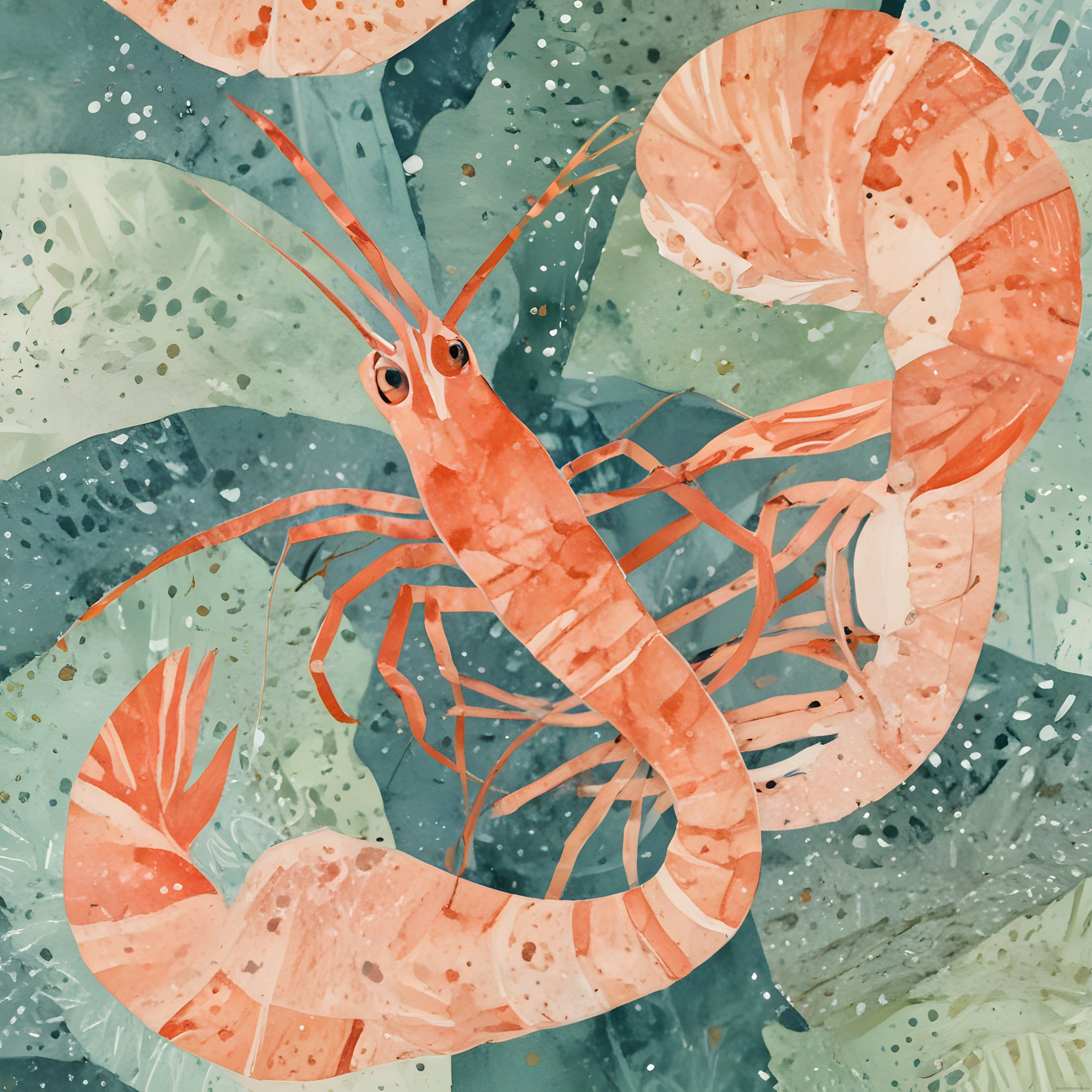
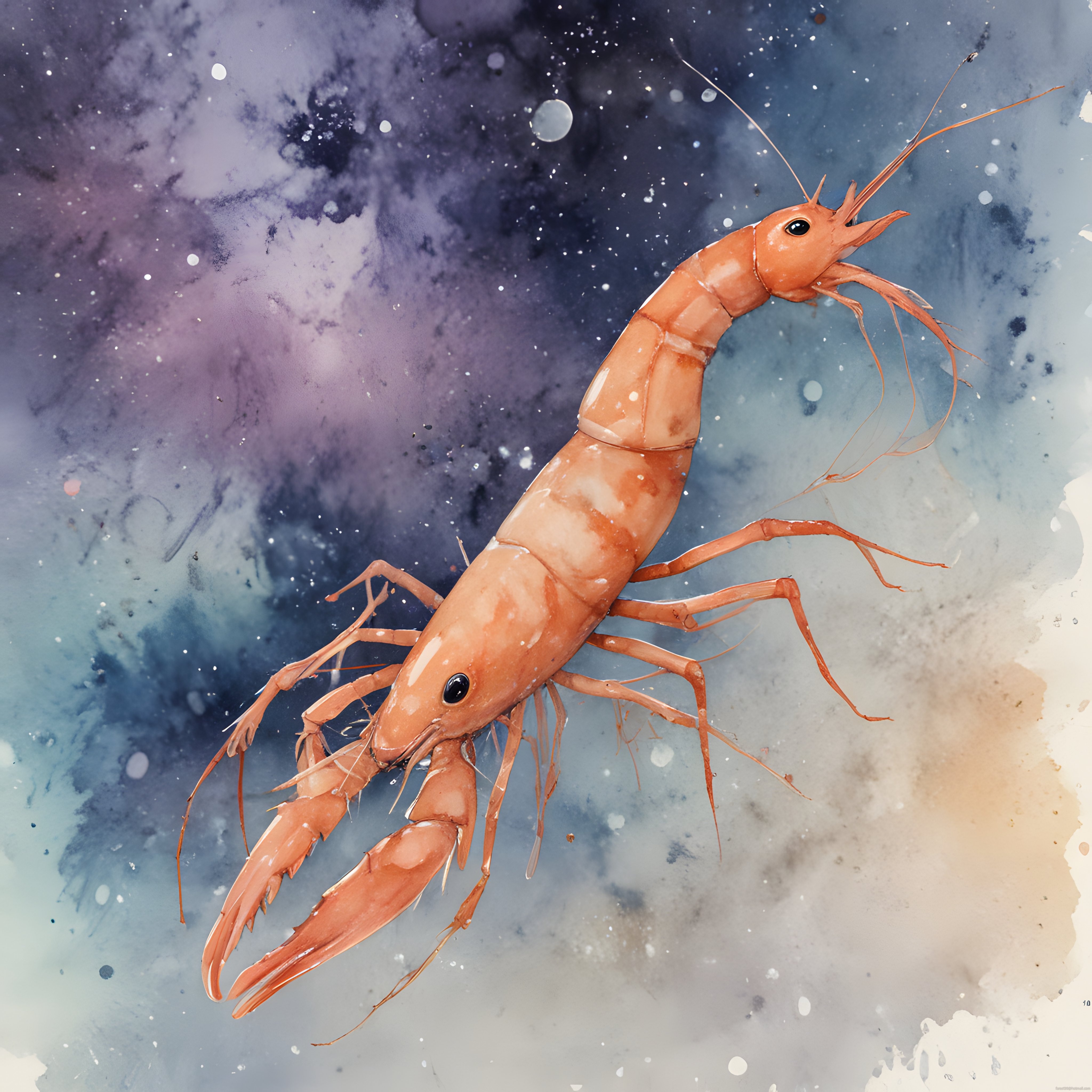
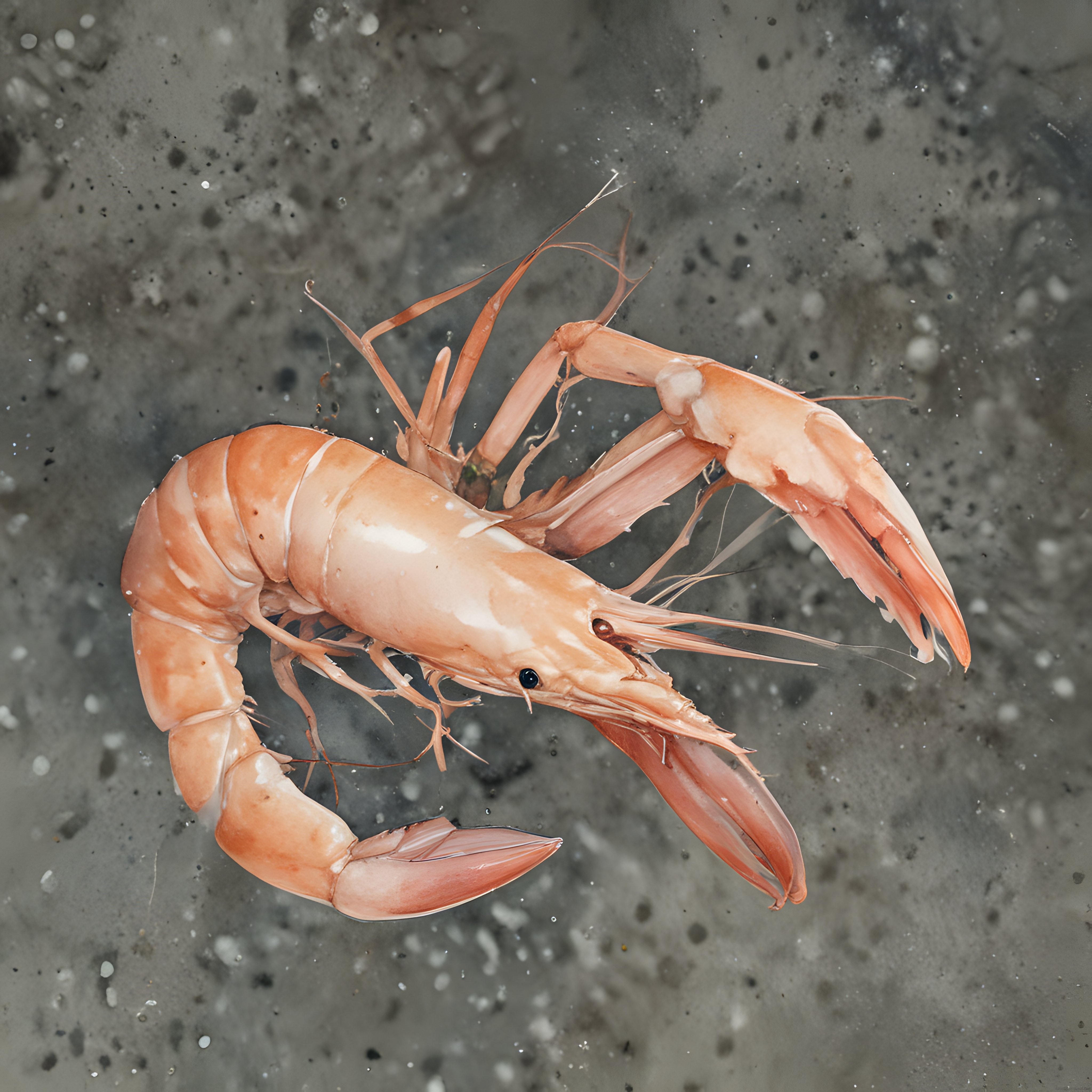
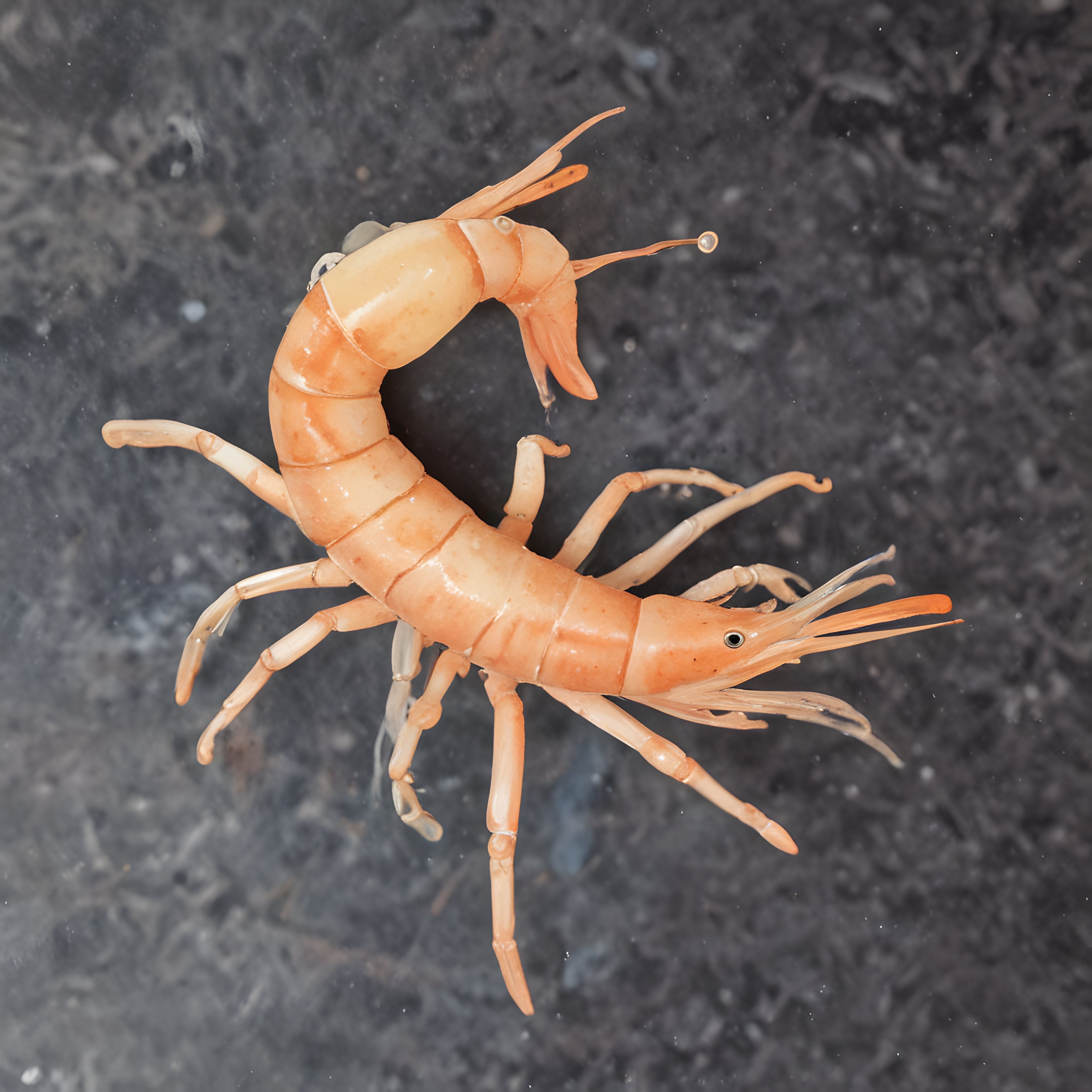
Çekim Tablosu
Belirtme (-i)kereviti
Yönelme (-e)kerevite
Bulunma (-de)kerevitte
Çıkma (-den)kerevitten
Tamlayan (-in)kerevitin
Çoğul (-ler)kerevitler
Tanım
•isim, hayvan bilimi: Kabuklular sınıfından, çamurlu tatlı sularda yaşayan bir eklem bacaklı; tatlısu ıstakozu, karavide (Potamobius fluviatilis)
Diğer Dillerde
AlmancaFlusskrebs (eril) /ˈflʊskʁeːps/
crayfish (freshwater crustacean resembling lobster) · European crayfish (Astacus astacus)
çekim: çoğul Flusskrebse · tamlayan Flusskrebses
eş: Edelkrebs
köken: From Fluss (“river”) + Krebs (“crab”).
Also muss es auch in Kalbach einmal Weinstöcke gegeben haben. — Bunun yanı sıra Keban Barajı'nda kerevit avcılığı da yapılmaya başlanmıştır.
Fransızcaécrevisse, langoustine (saltwater) (dişil) /e.kʁə.vis/
crayfish, crawfish
çekim: çoğul écrevisses
köken: Inherited from Old French crevice, from Frankish *krebitja (“crayfish”), diminutive of Frankish *krebit (“crab”), from Proto-Germanic *krabitaz (“crab, cancer”), from Proto-Indo-European *grebʰ-, *gerebʰ- (“to scratch, crawl”). Non-etymological initial /e/ appears to be the result of rebracketing in the Old French plural les crevisses.
aile: écrevisse signal
Pour d'autres types de pêche y compris la pêche aux écrevisses, vous devez payer : — Diğer balık tutma yöntemleri ve kerevit avcılığı:
Binet se trouvait là, c'est-à-dire un peu plus bas, contre le mur de la terrasse, à pêcher des écrevisses.
İspanyolcacangrejo, cangrejo de río, cigala, pigua fluvial (eril) /kanˈɡɾexo/
crab
çekim: çoğul cangrejos
köken: From Old Spanish cangro (“crab”) + -ejo (diminutive suffix), with the first element derived from Latin cancer. Coromines and Pascual dismiss the possibility of a Vulgar Latin *cancriculus on the grounds that a likelier diminutive would have been *cancerculus, that there are no native cognates in other Romance languages, and that Old Spanish's sole word for crab was cangro.
aile: agua de cangrejo, boca de cangrejo, cangrejal, cangrejero, cangrejo de los cocoteros, cangrejo de mar, cangrejo de río, cangrejo ermitaño, cangrejo guisante, cangrejo señal
Para los restantes tipos de pesca y la pesca de cangrejos de río hay que pagar: — Diğer balık tutma yöntemleri ve kerevit avcılığı:
İtalyancaaragosta, gambero, gambero di fiume (dişil) /a.raˈɡos.ta/
spiny lobster
çekim: çoğul aragoste
köken: From earlier aligusta, most likely from Latin locusta (probably through a Vulgar Latin form lacusta), with partial concretion or agglutination and false deglutination of the preceding article. Compare the borrowed doublet locusta.
Rusçaлангу́ст, рак /rak/
crawfish, crayfish · Cancer · cancer (disease of uncontrolled cellular proliferation)
çekim: çoğul ра́ки · tamlayan ра́ка
eş: раком, нуб, дно, краб
köken: Inherited from Proto-Slavic *rakъ.
aile: рачо́к, ра́ковый, ра́чий, ра́ком, раколо́вка, ракообра́зное, ракоскорпио́н, Phrases, показа́ть, где ра́ки зиму́ют, где ра́ки зиму́ют
Для остальных видов рыбной ловли и ловли раков требуются: — Diğer balık tutma yöntemleri ve kerevit avcılığı:
Е́хал Гре́ка через ре́ку, ви́дит Гре́ка в ре́ке ра́к, су́нул Гре́ка ру́ку в ре́ку, ра́к за ру́ку Гре́ку — ца́п!
На берегу́ Невы́ мы сиди́м в лёгком, кача́ющемся поплавке́-рестора́нчике и еди́м ра́ков в ожида́нии скро́много у́жина.
рак пе́чени
Arapçaجَرَاد الْبَحْر
بالنسبة لممارسة اصطياد الأسماك والسراطين هناك حاجة إلى: — Diğer balık tutma yöntemleri ve kerevit avcılığı:
Farsçaچنگاره, خارچنگ
Azericexərçəng /xærˈt͡ʃæŋɡ/
crab, shrimp, crawfish · cancer (disease of malignant cell growth)
çekim: çoğul xərçənglər · tamlayan xərçəngin
köken: From Persian خرچنگ (xarčang).
Kazakçaшаян
Cancer (constellation of the zodiac in the shape of a crab) · Cancer (zodiac sign for the crab, covering June 22 — July 22)
Özbekçeqisqichbaqa, saraton
Tatarcaкысла
Felemenkçerivierkreeft (eril) /riˈviːr.kreːft/
crayfish, a freshwater crustacean resembling a marine lobster
çekim: çoğul rivierkreeften
köken: Compound of rivier (“river”) + kreeft (“lobster”).
aile: Amerikaanse rivierkreeft, Europese rivierkreeft
Portekizcelagostim (eril) /la.ɡosˈt͡ʃĩ/
crayfish (crustacean of the Astacoidea and Parastacoidea superfamilies)
çekim: çoğul lagostins
köken: From lagosta + -im.
Há também a produção de ovos de codorna no bairro Diamante. — Bunun yanı sıra Keban Barajı'nda kerevit avcılığı da yapılmaya başlanmıştır.
Yunancaκαραβίδα, ποταμοκαραβίδα (dişil)
crayfish
çekim: çoğul καραβίδες · tamlayan καραβίδας
köken: Inherited from Byzantine Greek καραβίδα (karabída), Koine Greek καραβίς (karabís), and Ancient Greek κᾱ́ρᾰβος (kā́răbos).
ざりがにの学術的表記。
エビとかカニとか ザリガニは 虫と似通っています — Karidesten hoşlanmayan birkaç insan vardır ama karides ya da yengeç ya da kerevit çok yakın akrabalar.
Korece가재 /ˈka̠(ː)d͡ʑɛ/
crayfish (freshwater crustacean resembling lobster)
새우를 좋아하지 않는 사람들도 어느 정도 존재합니다. 하지만 새우, 또는 게, 아니면 가재는 — Karidesten hoşlanmayan birkaç insan vardır ama karides ya da yengeç ya da kerevit çok yakın akrabalar.
İsveççekräfta
crayfish · cancer (disease) · Cancer (star sign)
çekim: çoğul kräftor · tamlayan kräftas
köken: From Old Swedish krævet, from Old Saxon krevit, from Proto-West Germanic *krabit.
aile: blodkräfta, burkräfta, eremitkräfta, flodkräfta, havskräfta, Kräftans vändkrets, kräftbete, kräftbur, kräftdjur, kräftfiskare
För allt annat fiske och kräftfiske ska du betala: — Diğer balık tutma yöntemleri ve kerevit avcılığı:
På en kräftskiva äter man kräftor
Hintçeक्रेफ़िश, चिंगट
Fincerapu /ˈrɑpu/
European crayfish, noble crayfish, broad-fingered crayfish, Astacus astacus · signal crayfish, Pacifastacus leniusculus. · decapod (any crustacean of the order Decapoda)
çekim: çoğul ravut · tamlayan ravun
eş: taskurapu
köken: Borrowed from Swedish krabba, via the earlier form krapu.
aile: erakkorapu, jokirapu, katkarapu, keisarirapu, kivirapu, kookosrapu, kuningasrapu, loistorapu, merirapu, molukkirapu
Muuta kalastusta ja ravustusta varten tarvitaan: — Diğer balık tutma yöntemleri ve kerevit avcılığı:
Çekçerak (eril) /ˈrak/
crayfish · cancer
çekim: çoğul raci · tamlayan raka
köken: Inherited from Old Czech rak, from Proto-Slavic *rakъ.
aile: račí
Jejich nejoblíbenější kořistí jsou rejnoci a trnuchy. — En çok tercih ettikleri besinler kerevit ve midyelerdir.
Rumencerac (eril) /rak/
crayfish · cancer · Cancer
çekim: çoğul raci · tamlayan racului
köken: Borrowed from Old Church Slavonic ракъ (rakŭ), from Proto-Slavic *rakъ. Compare Serbo-Croatian rak, Czech rak, Polish rak.
Puţinor oameni nu le plac creveţii, dar creveţii, crabii sau racii sunt strâns înrudiţi. — Karidesten hoşlanmayan birkaç insan vardır ama karides ya da yengeç ya da kerevit çok yakın akrabalar.
Macarcafolyami rák, rák /ˈraːk/
crab, lobster · cancer (a disease in which the cells of a tissue undergo uncontrolled and often rapid proliferation)
çekim: çoğul rákok
köken: Borrowed from a Slavic language, from Proto-Slavic *rakъ. Compare Serbo-Croatian rak, Slovak rak, Russian рак (rak).
aile: rákos, garnélarák, rákvörös, remeterák, tarisznyarák, világítórák, bőrrák, csontrák, emlőrák, gégerák
Az egyik legtisztább vizű magyarországi tó. — Uluabat (Apolyont) gölündeki en önemli su ürünlerinden biri de kerevittir.
İbraniceסרטן הנהרות
סוגי החרקים המועדפים עליהם הם זחלים וחרגולים. — En çok tercih ettikleri besinler kerevit ve midyelerdir.
a crab · the constellation Cancer · a tumor, cancer
çekim: çoğul cancrī · tamlayan cancrī
köken: From Proto-Italic *kankros, dissimilation of Proto-Italic *karkros (“enclosure”) (because the pincers of a crab form a circle), from Proto-Indo-European *kr-kr- (“circular”), reduplication of Proto-Indo-European *(s)ker- (“to turn, bend”) in the sense of "enclosure", and as such a doublet of carcer. Cognate with curvus. The medical sense, found in Celsus, seems likely to be a semantic loan from…
aile: cancellus
Dancakrebs /ˈkʰʁ̥ab̥s/
crayfish · Cancer (someone with a Cancer star sign)
çekim: çoğul krebsene · tamlayan krebs'
köken: From German Krebs (“crab, cancer”), from Middle High German krebz, from Old High German krebiz, from Proto-West Germanic *krabit, from Proto-Germanic *krabitaz. Danish kræft (“cancer”) is borrowed from the Low German form of this word.
Tobaksplanten blev tidligere dyrket overalt i det egentlige Kina. — Son yıllarda dünya kerevit üretiminde ön sıraya Çin yerleşmiştir.
Norveççekreps
Vietnamcatôm hùm đất
Năm 1987, Louisiana sản xuất 90% tôm thu hoạch trên thế giới, trong đó 70% được tiêu thụ trong nước. — 1990 yılında Dünya kerevit üretiminin %90'ı Louisiana'da yapılmış ve %70'i de bölgede tüketilmiştir.
Bulgarcaре́чен рак
Много малко хора не харесват скариди, но скаридите, или раците, или крабовете, са много тясно свързани. — Karidesten hoşlanmayan birkaç insan vardır ama karides ya da yengeç ya da kerevit çok yakın akrabalar.
Etimoloji
Pontus Rumcası
Kelime Ailesi
Potamobius fluviatilis
Eş & Zıt Anlamlılar
Eş anlamlılar
Örnek Cümleler
Kereviti severim.
I love crawfish.
Ailenin armalarında kerevit kullanılmıştır. [1]
The family had a crayfish in their coat of arms.[3]
Türkiye iç sularında yaşayan tek kerevit türü budur.
This is the only naturally occurring island in the Finger Lakes.
Son yıllarda dünya kerevit üretiminde ön sıraya Çin yerleşmiştir.
China ranks first worldwide in industrial output.
1990 yılında Dünya kerevit üretiminin %90'ı Louisiana'da yapılmış ve %70'i de bölgede tüketilmiştir.
Louisiana in 1990 produced 90% of the crawfish in the world and consumed 70% locally.