Sözlük
/hortlak
hortlak
/hoɾtˈɫak/
adj
C2 seviye
TR → EN
"hortlak" kelimesinin İngilizcesi: undead, zombie, vampire, specter , (ing.)spectre, ghost. Anlamı, çevirisi, telaffuzu ve örnek cümleler aşağıdadır.
Çeviri
Genelundeadadj
Genelzombienoun
Genelvampire
Genelspecter , (ing.)spectre
Genelghost
Genelghoul
Genelzombie
Genelbogeyman
Genelghoul
Genelzombie
Genelbogeyman
Genelghoul
Genelzombie
Genelbogeyman
Görsel
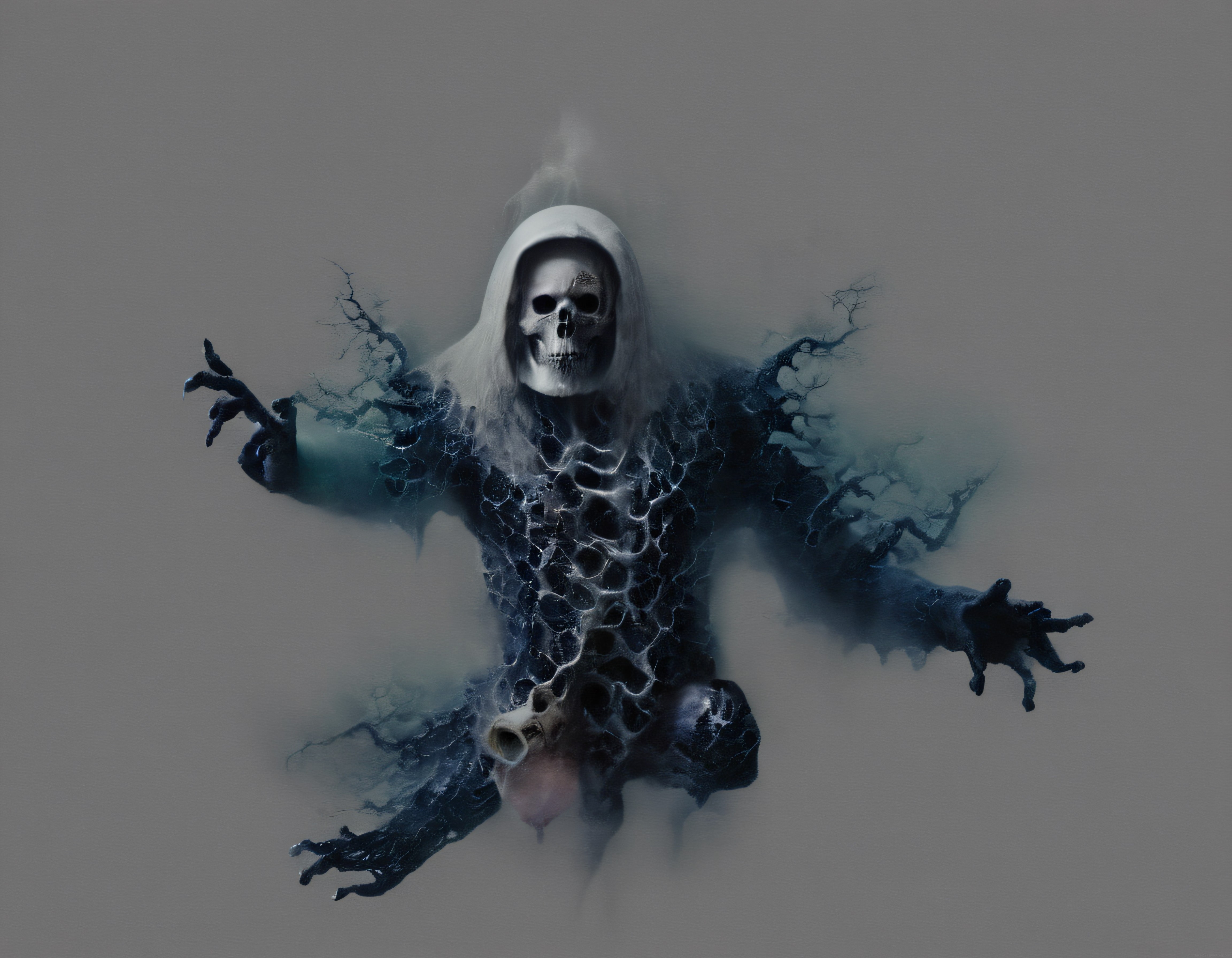
Çekim Tablosu
Belirtme (-i)hortlağı
Yönelme (-e)hortlağa
Bulunma (-de)hortlakta
Çıkma (-den)hortlaktan
Tamlayan (-in)hortlağın
Çoğul (-ler)hortlaklar
Tanım
•isim: Mezardan çıkarak insanları korkuttuğuna inanılan yaratık; zombi
•sıfat: Hortlamış
Diğer Dillerde
AlmancaBlutsauger, Erscheinung, Gehuuri, Geist, Geisterbild, Gespenst (eril)
bloodsucker · one who shamelessly or ruthlessly takes from others, a parasite or exploiter
çekim: çoğul Blutsaugern · tamlayan Blutsaugers
eş: Vampir, Hämophage, Ausbeuter, Halsabschneider, Wucherer
köken: From Blut + Sauger.
Günter Mydlak: Junge, das waren Törchen. — Azahortan: Kötücül hortlaklar.
Fransızca(esprit) fantôme, revenant, spectre, fantôme (eril) /fɑ̃.tom/
ghost
çekim: çoğul fantômes
eş: ectoplasme, esprit, revenant, spectre
köken: Etymology tree Proto-Indo-European *bʰeh₂-der. Proto-Hellenic *pʰáňňō Ancient Greek φαίνω (phaínō) Ancient Greek φᾰντᾰ́ζω (phăntắzō) Proto-Indo-European *-mn̥ Ancient Greek -μᾰ (-mă) Ancient Greek φάντασμα (phántasma)bor. Latin phantasma Old French fantosme French fantôme Inherited from Old French fantosme, from Latin phantasma, from Ancient Greek φάντασμα (phántasma); alternatively, according to…
aile: cabinet fantôme, conducteur fantôme, douleur fantôme, fantomal, réservation fantôme, train fantôme, ville fantôme
Les bourgeons sont jaunâtres. — Hortlaklar erkektirler.
Il recherche des individus qui puissent communiquer avec des fantômes.
İspanyolcaaparecido, aparición, cortar toda comunicación con, descontactar, el alma, espectro (eril) /apaɾeˈθido/
appeared
çekim: çoğul aparecidos
eş: espectro, fantasma
También se añaden los Magos y las Brujas como criaturas Sim. — Daha çok hortlak ve cadı benzeri yaratıklar olarak tanınıyorlar.
İtalyancaanima, apparizione, fantasima, ghostare, larva, lemure (dişil) /ˈa.ni.ma/
soul · the innermost part of something: · sound post
çekim: çoğul anime
eş: alito vitale, animo, coscienza, cuore, intelligenza, interiore
köken: From Latin anima, from animus, from Proto-Italic *anamos, from Proto-Indo-European *h₂enh₁mos, a nominal derivative of *h₂enh₁- (“breathe”). Doublet of alma.
aile: anima gemella, animella, animetta, animina, animismo, animuccia
Anche alcuni altri insetti hanno simili capacità. — Ayrıca bu tür varlıklar hortlaklar ile aynı kapasitededir.
Rusçaвурдалак, вампир; привидение
Тогда я был зомби… мне указали некоторое направление и приказали маршировать». — Bir hortlak gibiydim... belli bir yön işaret edildi ve yürümem söylendi." demiştir.
Arapçaجِنِّي, خَيَال, رُوح, زَوْل, شبح, شَبَح (eril) /ʃa.baħ/
specter, ghost, apparition, phantom, spirit · blurred, indistinct shape · nightmare
çekim: çoğul شُبُوح · tamlayan شَبَحٍ
تحب الهدوء واللون البرتقالي تخاف من الأشباح والوحوش جداً جداً. — Yemek yemeyi sever ve hayalet, hortlak gibi şeylerden çok korkar.
رَأَيْتُ شَبَحًا مِنْ بَعِيدٍ
Farsçaروح /ˈruːh/
spirit · soul · essence
çekim: çoğul ارواح
eş: روان
köken: Borrowed from Arabic رُوح (rūḥ).
aile: روحی, روحانی, روحیه, بیروح
روح با علم است و با عقل است یار روح را با تازی و ترکی چه کار
spirit · mind · ghost
çekim: çoğul ruhlar · tamlayan ruhun
köken: From Old Anatolian Turkish رُوحْ (rūh), from Arabic رُوح (rūḥ).
aile: ruhi, ruhlandırmaq, ruhlanmaq
Sağlam bədəndə sağlam ruh olar.
Kazakçaелес, қансімір
unclear outline; silhouette · presentation · ghost, phantom
çekim: çoğul елестер · tamlayan елестің
Özbekçearvoh
ghost
çekim: çoğul arvohlar · tamlayan arvohning
köken: Borrowed from Arabic أَرْوَاح (ʔarwāḥ), the plural of Arabic رُوح (rūḥ, “spirit”).
Tatarcaөрәк, убыр
artifact
çekim: çoğul artefacten
De (verdwenen) Poelmolen bemaalde de polder. — Hortlak: Mezarlıkta dolaşan kafir cinlerdir.
Portekizceabantesma, abentesma, alma, aparição, assombração, avantesma (dişil) /a.bɐ̃ˈtez.mɐ/
ghost (spirit appearing after death)
çekim: çoğul abantesmas
eş: assombração, avantesma, avejão, espectro, visagem
köken: Inherited from Latin phantasma, from Greek φάντασμα (fántasma). Doublet of fantasma, which was borrowed.
Talvez até seja por isso que essas criaturas são tão sombrias. — Ayrıca bu tür varlıklar hortlaklar ile aynı kapasitededir.
Yunancaβαμπίρ, βρικόλακας, δράκουλας, νυχτερίδα, σκιά, φάντασμα (nötr) /vamˈpiɾ/
vampire (creature who rises from the grave at night and drinks the blood of the living)
köken: Borrowed from French vampire.
aile: βαμπιρικός
İsveççeande, dubbelgångare, gast, gengångare, hamn, själ /²anːdɛ/
a spirit · a genie · a ghost
çekim: çoğul andar · tamlayan andes
köken: From Old Swedish ande, from Old Norse andi, from Proto-Germanic *anadô.
en ond ande
en ande i en flaska
den heliga anden
Lehçeghostować, mara, upiór, wampir, wampirzyca, wąpierz (dişil) /ˈma.ra/
A dream, nightmare. · A creature believed to drain sleeping people of their blood or energy; wight, mare.
çekim: çoğul mary · tamlayan mary
eş: halucynacja, majaczenie, majak, omam, przywidzenie, widzenie
köken: Etymology tree Proto-Slavic *mara Polish mara Inherited from Proto-Slavic *mara. Compare English mare, German Mahr.
Aby niewierzący mogli „wyjść z cienia”. — Hortlak: Mezarlıkta dolaşan kafir cinlerdir.
Ukraynacaартефа́кт, вампі́р, мара́, ма́рево, при́вид, прима́ра
soul, spirit, self · mind, consciousness · supreme Spirit, paramatman
çekim: çoğul आत्माएँ
köken: Borrowed from Sanskrit आत्मन् (ātman). Doublet of आप (āp).
aile: परमात्मा, पवित्र आत्मा, महात्मा
उनकी आत्मा को शांति मिलें।
Finceaave, ajautua tyynessä, ghostata, haamu, haamukuva, henki /ˈɑːʋeˣ/
phantom (something apparently seen, heard, or sensed, but having no physical reality) · ghost (spirit of a dead person) · synonym of enne (“omen”)
çekim: çoğul aaveet · tamlayan aaveen
köken: Unknown, but possibly related to haave, as a variant thereof.
aile: aavemainen, aavistaa, aavejuna, aavekaupunki, aavekipu, aavekuva, aavelaiva, aaveraaja, aavesärky, musta-aavetetra
artifact
çekim: çoğul artefakty · tamlayan artefaktu
eş: výtvor, umělecké dílo
Slovo hurikán pochází z mayské kultury. — Hortlak, Haiti halk kültüründen gelir.
apparition · appearance
çekim: çoğul apariții
köken: Borrowed from French apparition, Latin apparitio. Equivalent to apari + -ție.
Am fost un zombie atunci... îndreptat într-o direcție si trimis la marș ". — Bir hortlak gibiydim... belli bir yön işaret edildi ve yürümem söylendi." demiştir.
shadow, shade · ghost
çekim: çoğul árnyak
köken: Back-formation from árnyék. Created during the Hungarian language reform, which took place in the 18th–19th centuries.
aile: árnyal, árnyas, árnytalan, árnyjáték
İbraniceעַרְפָּד, רוּחַ רְפָאִים
נורדשט - טיפשים. — Azahortan: Kötücül hortlaklar.
Latincemanes, phantasma, phasma, sanguisūga, spectrum, striga (eril) /ˈmaː.neːs/
souls or spirits of the dead, shades, ghosts · the spirit of a specific dead person · remains, the ashes or corpse of a dead person
çekim: çoğul mānēs · tamlayan mānium
köken: Substantive use of the masculine plural of Old Latin mānis (“good”), so originally "the good ones". For the sense development, compare Northern Kurdish meçêtir, yên ji me çêtir (“jinn, ghost, lit. "the ones better than us"”)
aile: dī mānēs, DM
Id cinerem aut mānīs crēdis cūrāre sepultōs?
Dancaånd, draug, genfærd, genganger, gespenst, sjæl /ɔn/
spirit, mind · ghost
çekim: çoğul ånder · tamlayan ånds
köken: From Old Norse ǫnd, a variant of andi (related to anda (“breathe”)), from Proto-Germanic *anadô, from Proto-Indo-European *h₂enh₁- (“to breathe”).
aile: bankeånd, Helligånd, holde en i ånde, korpsånd, opgive ånden, oprørsånd, plageånd, skytsånd, skønånd, tidsånd
"Instead, it was completely bird-like."..." — Bu yüzden matematiksel bir hortlak gibi olarak kabul edildi.”.
Etimoloji
By surface analysis, hortla- + -k.
Eş & Zıt Anlamlılar
Eş anlamlılar
zombi
zombie
Örnek Cümleler
Gerçekten bir hortlak gördüm.
I actually saw a ghost.
Azahortan: Kötücül hortlaklar.
GoodReads: Babi Dewet.
Niye sadece hortlak filmlerine bakıyorsun?
Why do you only watch zombie films?
Bugünlerde hiç kimse hortlaklara inanmıyor.
Nowadays nobody believes in ghosts.
O çizgi film ne kadar da güzeldi, Ne zaman hortlaklı bir kilise olsa,
That show was so cool because every time there's a church with a ghoul
Benim yatağım büyük ve hortlaklar gelir ve gün boyunca onun üzerinde uyur.
My bed is large, and ghosts come and sleep on it during the day.
Bir hortlak gibiydim... belli bir yön işaret edildi ve yürümem söylendi." demiştir.
It was like being grasped at the upper arm by a testy policeman and told to move on".