Sözlük
/elma
elma
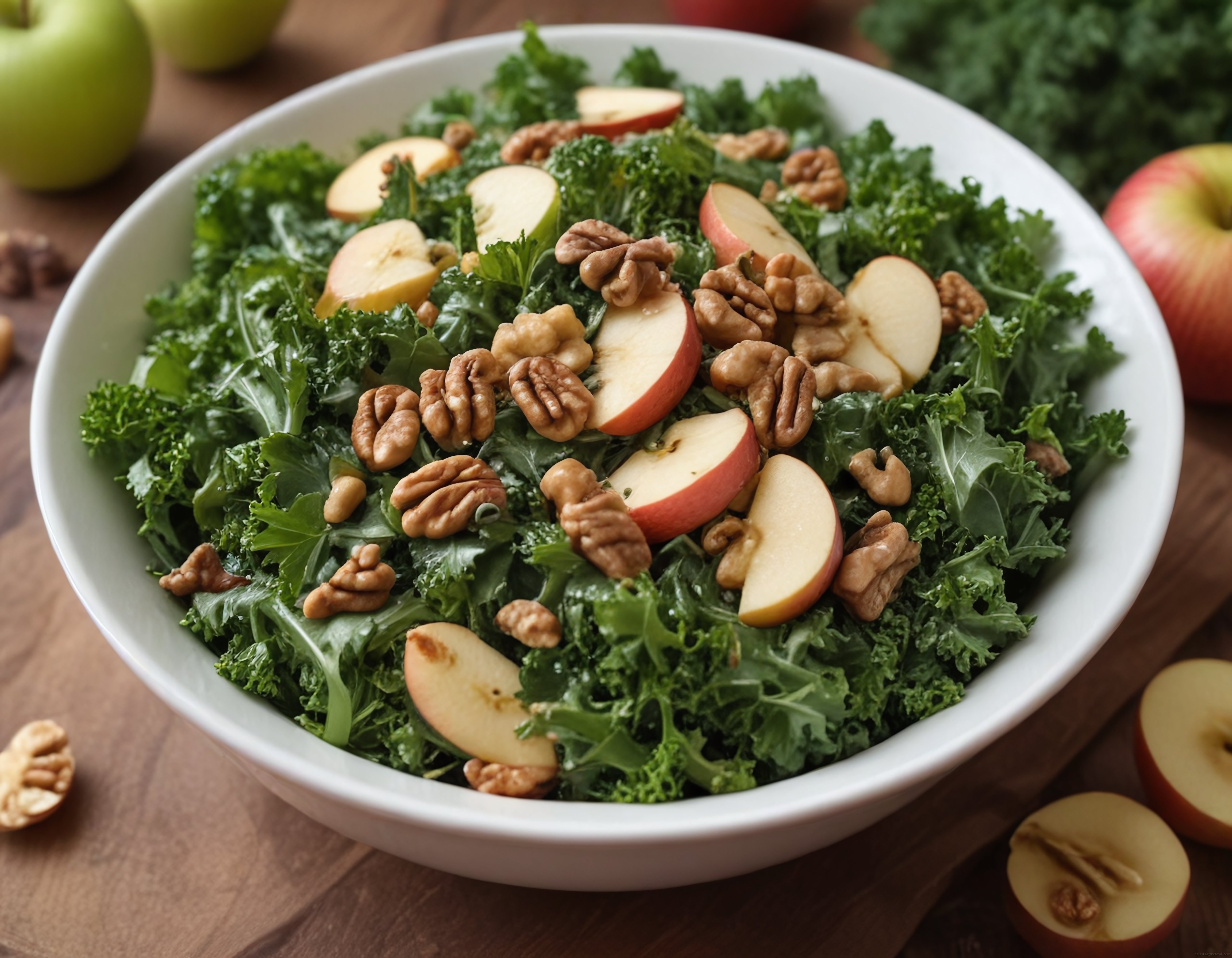
"elma" kelimesinin İngilizcesi: waldorf salad, pome, apple, apple, apple tree. Anlamı, çevirisi, telaffuzu ve örnek cümleler aşağıdadır.
Çeviri
Genelwaldorf salad
Genelpome
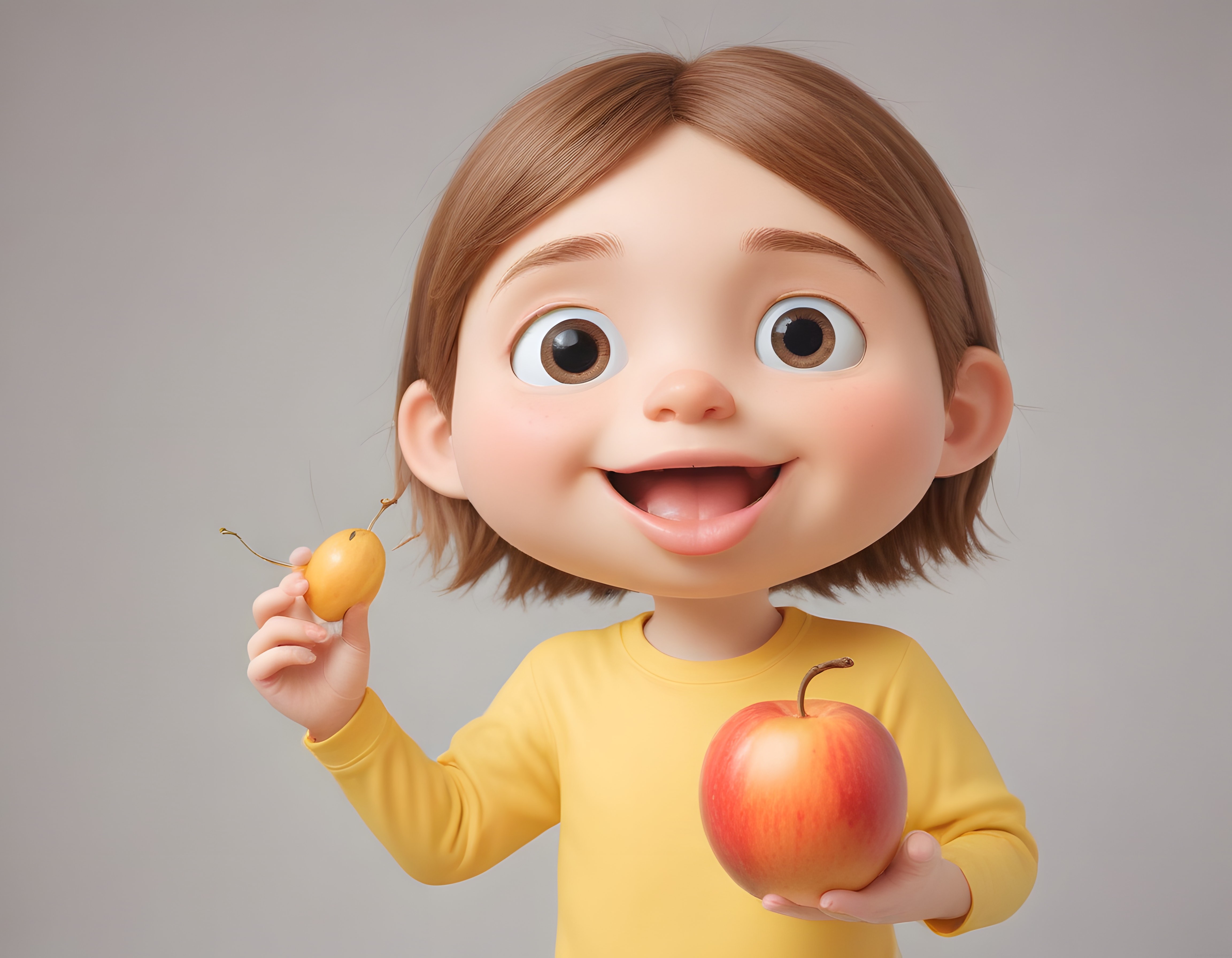
Genelapple
Genelapple
Genelapple treenoun
Genelapple tree
Genelapple tree
Görsel
Çekim Tablosu
Belirtme (-i)elmayı
Yönelme (-e)elmaya
Bulunma (-de)elmada
Çıkma (-den)elmadan
Tamlayan (-in)elmanın
Çoğul (-ler)elmalar
Tanım
•isim, bitki bilimi: Gülgillerden, çiçekleri pembe veya beyaz bir ağaç (Pyrus malus)
•Bu ağacın kabuğu parlak, sert, kırmızı, sarı ve yeşil renkte, kokusu hoş, tadı ekşi veya tatlı, dokusu gevrek, ufak çekirdekli meyvesi
Atasözü & Deyim
“Al elmaya taş atan çok olur”
“Elmanın dibi göl, armudun dibi yol”
“Yarım elma, gönül (hatır) alma”
Diğer Dillerde
Almancaapfel, Apfel (Frucht), Apfelbaum (eril) /ˈapfəl/
apple (fruit) · apple tree · breasts
çekim: çoğul Äpfel · tamlayan Apfels
köken: From Middle High German apfel, from Old High German apful, from Proto-West Germanic *applu, from Proto-Germanic *apluz (compare Dutch appel, West Frisian apel, English apple), from Proto-Indo-European *h₂ébōl.
aile: apfelartig, apfelig, veräppeln
Wie viele Äpfel? — Kaç elma?
apple (fruit) · any of several objects of approximately the same shape and size · the faucet or nozzle of a watering can or showerhead
çekim: çoğul pommes
eş: pommeau, tête, visage, somme, volet
köken: Inherited from Middle French pomme, from Old French pome, pume, from Latin pōma, plural of pōmum, reanalyzed as a feminine singular, from Proto-Italic *poomos, from Proto-Indo-European *h₂po-h₁ém-os (“taken off”). Compare English pome.
Combien de pommes ? — Kaç elma?
manger une pomme
une tarte aux pommes
une gosette aux pommes, un chausson aux pommes
apple · an area corresponding to 10,000 varas, equivalent to c. 6987 m² · city block
çekim: çoğul manzanas
eş: poma, bloque, cuadra, isla, bocado de Adán, manzana de Adán
köken: From earlier mazana, from Vulgar Latin *mattiāna, ellipsis of māla mattiāna, plural of Latin mālum mattiānum (literally “apple of Matius”), referring to a kind of apple. Gaius Matius, a friend of Julius Caesar and Cicero, was a Roman horticulturist and author of cookbooks. Cognate with Portuguese maçã, dialectal Catalan maçana.
aile: Gran Manzana, manzana de Adán, manzana de agua, manzana de caramelo, manzana de la discordia, manzana de oro, manzana podrida, manzana silvestre, manzana verde, manzanar
Comió la manzana. — Elma yedi.
dar la vuelta a la manzana
İtalyancamela (dişil) /ˈme.la/
apple (fruit) · buttock, butt cheek
çekim: çoğul mele
eş: pomo
köken: Inherited from Late Latin mēla, from mēlum, from Latin mālum, likely from Doric Greek μᾶλον (mâlon, “apple”); compare Attic μῆλον (mêlon).
aile: mela cotogna, mela della discordia, mela librale, mela selvatica, succiamele
5x / 13 mele. — 5x bölü 13 elma.
Rusçaяблоко (яблочный), яблоня (dişil) /ˈjabɫənʲə/
apple tree · apple wood
çekim: çoğul я́блони · tamlayan я́блони
eş: яблонь, яблонь
köken: From Proto-Slavic *abloňa. By surface analysis, я́блонь (jáblonʹ) + -я (-ja).
aile: Proverbs, я́блоко от я́блони недалеко́ па́дает
Он съел яблоко. — Elma yedi.
5x / تفاحة — 5x bölü 13 elma.
Farsçaسیب /ˈseːb/
apple
köken: From Middle Persian 𐭠𐭩𐭰 (sēb), from Proto-Iranian *cáywaH. Compare Sanskrit सेवि (sevi), which may be a borrowing from Iranian.
Azericealma /ɑɫˈmɑ/
apple
çekim: çoğul almalar · tamlayan almanın
köken: Inherited from Proto-Common Turkic *alma.
Kazakçaалма /ɑlˈmɑ/
apple (Malus pumila)
çekim: çoğul алмалар · tamlayan алманың
köken: From Proto-Common Turkic *alma (“apple”).
Özbekçeolma /ɒl.ma/
apple
çekim: çoğul olmalar · tamlayan olmaning
köken: From Proto-Common Turkic *alma.
aile: olmaxon
Felemenkçeappel, appelboom (eril) /ˈɑ.pəl/
apple (Malus domestica, fruit or tree) · wax apple (Syzygium samarangense)
çekim: çoğul appels
köken: From Middle Dutch appel, from Old Dutch appel, from Proto-West Germanic *applu, from Proto-Germanic *aplaz, from Proto-Indo-European *h₂ébōl.
aile: aagtappel, aardappel, appelaar, appelbeignet, appelbes, appelboom, appelboomgaard, appelboor, appelbrandewijn, appelcider
Hoeveel appels? — Kaç elma?
E agora vamos para a definição da operador de diamante. — -1 elmas 0.
apple · dodgeball
çekim: çoğul μήλα · tamlayan μήλου
köken: Inherited from Ancient Greek μῆλον (mêlon).
Αυτό το μήλο είναι ξινό. — Bu elma ekşi.
Japonca林檎。
定義に行くと、 — -1 elmas 0.
melon · melons and fruits
命運之果 直指「蘋果」。 — Dönen cevabın "elma.
喂,瓜果共我包六个!
阿宏,你看,這是瓜果喔!人這乎,講貴參參呢!啊這乎,著愛予破病人啦,抑是好額人才食會起。
阿宏,你看,这是瓜果喔!人这乎,讲贵参参呢!啊这乎,着爱予破病人啦,抑是好额人才食会起。
Korece(과일) 사과
여기 있는 이 ◇ 말입니다 — -1 elmas 0.
İsveççeäpple (nötr) /ˈɛplɛ/
an apple (fruit)
çekim: çoğul äpplen · tamlayan äpples
köken: From Old Norse epli, from Proto-Germanic *apaliją, *apluz (“apple, fruit”), from Proto-Indo-European *h₂ébōl.
aile: adamsäpple, astrakanäpple, bita i det sura äpplet, erisäpple, galläpple, glasäpple, granatäpple, guldäpple, höstäpple, matäpple
Selma Lagerlöf. — Söz: Selma Çuhacı.
äta ett äpple
Hon bet i äpplet
Hon tog en tugga av äpplet
Lehçejabłko, owoc jabłkowy (nötr) /ˈjap.kɔ/
apple (the fruit of the tree Malus domestica, chiefly with a green, red, or yellow skin, cultivated in temperate climates for cidermaking, cooking, and eating) · ellipsis of jabłko królewskie (“globus cruciger”) · synonym of rzepa (“kneecap”)
çekim: çoğul jabłka · tamlayan jabłka
eş: gw. (Górny Śląsk) jabko, płónka, jabło, jabłko Adama, bałaban, bulba, gajda
köken: Etymology tree Proto-Indo-European *h₂ébōl Proto-Balto-Slavic *ā́ˀbōl Proto-Slavic *ablo Proto-Slavic *-ъko Proto-Slavic *àblъko Old Polish jabłko Polish jabłko Inherited from Old Polish jabłko.
aile: amator kwaśnych jabłek, jabcok, jabłko Adama, jabło, jabol, stłuc na kwaśne jabłko, niedaleko pada jabłko od jabłoni
Andreas Diestelmann — Andreas Diestelmann
Wolę zielone jabłka od czerwonych.
Ukraynacaя́блуко
Це яблуко. — Bu bir elma.
Hintçeसेब (eril) /seːb/
apple (fruit) · chin
çekim: çoğul सेबों
köken: Borrowed from Classical Persian سیب (sēb, “apple”), from Proto-Iranian *cáywaH. Cognate with Sanskrit सेवि (sevi), Kannada ಸೇಬು (sēbu), Punjabi ਸੇਬ (seb), Bengali সেব (Seb).
Fincehedelmä, kasvaa omenan muotoiseksi, muuttaa omenan näköiseksi, muuttua omenan näköiseksi, omena, poimia käpyjä /ˈhedelmæ/
fruit (part of plant; food) · fruit (results)
çekim: çoğul hedelmät · tamlayan hedelmän
köken: From Proto-Finnic *häidelmä (compare Votic edʹdʹõlmo), a derivation of Proto-Finnic *häici (see it and heisi for more). Attested since the time of Mikael Agricola (output c. 1543–1552).
aile: hedelmistään puu tunnetaan, hedelmäinen, hedelmällinen, hedelmätön, hedelmistö, hedelmys, hedelmöidä, hedelmöittää, hedelmöityä, epähedelmä
Kerään omenoita. — Elma topluyorum.
Hedelmät ovat tärkeä osa terveellistä ruokavaliota.
Maͤrcke Syyſſ / ia pehme maa. tulee / quin palio hedhelme iaka.
kantaa hedelmää
apple
çekim: çoğul jablka · tamlayan jablka
köken: Inherited from Old Czech jablko, from Proto-Slavic *ablъko.
aile: Eridino jablko, jablko nepadá daleko od stromu, jablko sváru
Andreas Diestelmann — Andreas Diestelmann
Rumencemăr (nötr) /mər/
apple
çekim: çoğul mere · tamlayan mărului
köken: Inherited from Latin mēlum, variant of mālum. Compare Aromanian mer, Romansh mail, Friulian mêl, Italian mela.
aile: merișor
Aceste mere sunt mari. — Bu elmalar büyük.
Macarcaalmatermés
Almát eszem. — Elma yiyorum.
İbraniceתַּפּוּחַ
סכין חמאה — Yerelnet Elmalı
Latincemālum
Dancaæble /ɛːblə/
An apple (fruit)
çekim: çoğul æbler · tamlayan æbles
köken: From Old Danish æplæ, from Old Norse epli, from Proto-Indo-European *h₂ébōl (“apple”).
aile: adamsæble, flaskeæble, galæble, gemmeæble, golden delicious-æble, granatæble, guldborgæble, ingridmarieæble, madæble, paradisæble
7 æbler koster 5 kroner. — 7 elmam 5 lira tuttu.
Norveççeeple
Fruktene som treet bærer er epler. — Yaşam Ağacının meyveleri altın elmalardır.
Etimoloji
Eski Türkçe alma (alma).
Kelime Ailesi
Eş & Zıt Anlamlılar
Eş anlamlılar
Örnek Cümleler
Kaç elma?
How many apples are there?
Elma sevmem.
I don't like apples.
Bu elma kötü.
This apple is bad.
Elmayı yedim.
I ate the apple.
Bu da bir elma.
This is an apple, too.
O elma çürümüş.
That apple is bruised.
Bu elma tatlıdır.
This apple is sweet.
Elmaları severim.
I like apples.
O, elmayı ısırdı.
She bit into the apple.
Bu elmalar büyük.
Those apples are big.
Şu elmalar büyük.
Those apples are big.
Elmayı kim çaldı?
Who stole the apple?
İlgili Sorular
Üzüm, portakal ve elma suyundan hangisi daha iyi?
Neden aynı saf karbon maddesi grafit ve elmas gibi tamamen farklı özellikler gösterir?
Newton, çocukken bir elma ağacının altında ne keşfetmişti?
Newton'un gençliğinde elma ağacının altında yaptığı keşif nedir?
Altın ve elmasların bu kadar yüksek talep görmesinin arkasındaki sebep nedir?
İlgili / Bileşik Terimler
Genelcider
Geneltoffee apple
Genelcandy apple
Genelapple juice
Genelapple tree
Genelcandy apple
Genelapple juice
Birleşik Kelimeler
elmabaşelma sirkesielma şarabıelma şekerielma yanaklıacı elmaçürük elmaekşi elmaKızılelmaâdemelmasıAmasya elmasıAmerikan elmasıdağ elmasıdeveelmasıferik elmasıfil elmasıJapon elmasıkabak elmasıkiraz elmasımisket elmasıpamuk elmasışeytan elmasıyer elması